Surprise North Atlantic Right Whale Calf Sighting Offers Hope for Critically Endangered Species

The official commencement of the 2027 North Atlantic right whale baby season brings both renewed optimism and a stark reminder of the persistent vulnerabilities facing one of the planet’s most imperiled marine mammals. Spanning from November through April, the annual calving season represents a critical window for the survival and recovery of the species (Eubalaena glacialis). Even as marine biologists and conservation organizations maintain rigorous surveillance across known migratory paths and calving grounds, nature occasionally yields surprises that defy modern tracking efforts.
A Stealthy Arrival and a Veteran Mother
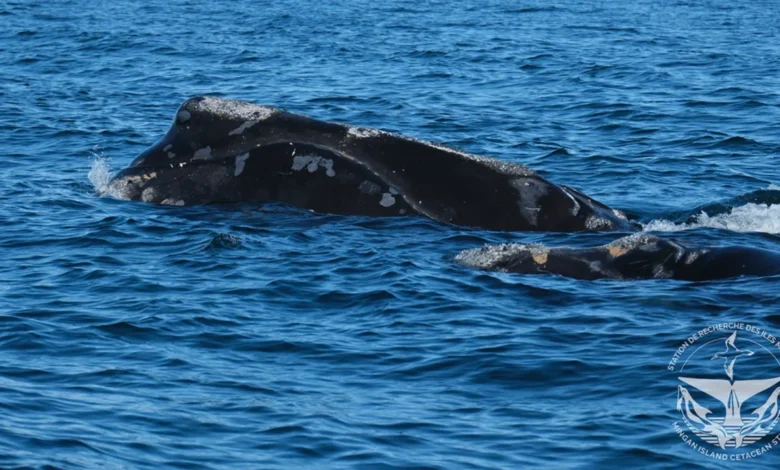
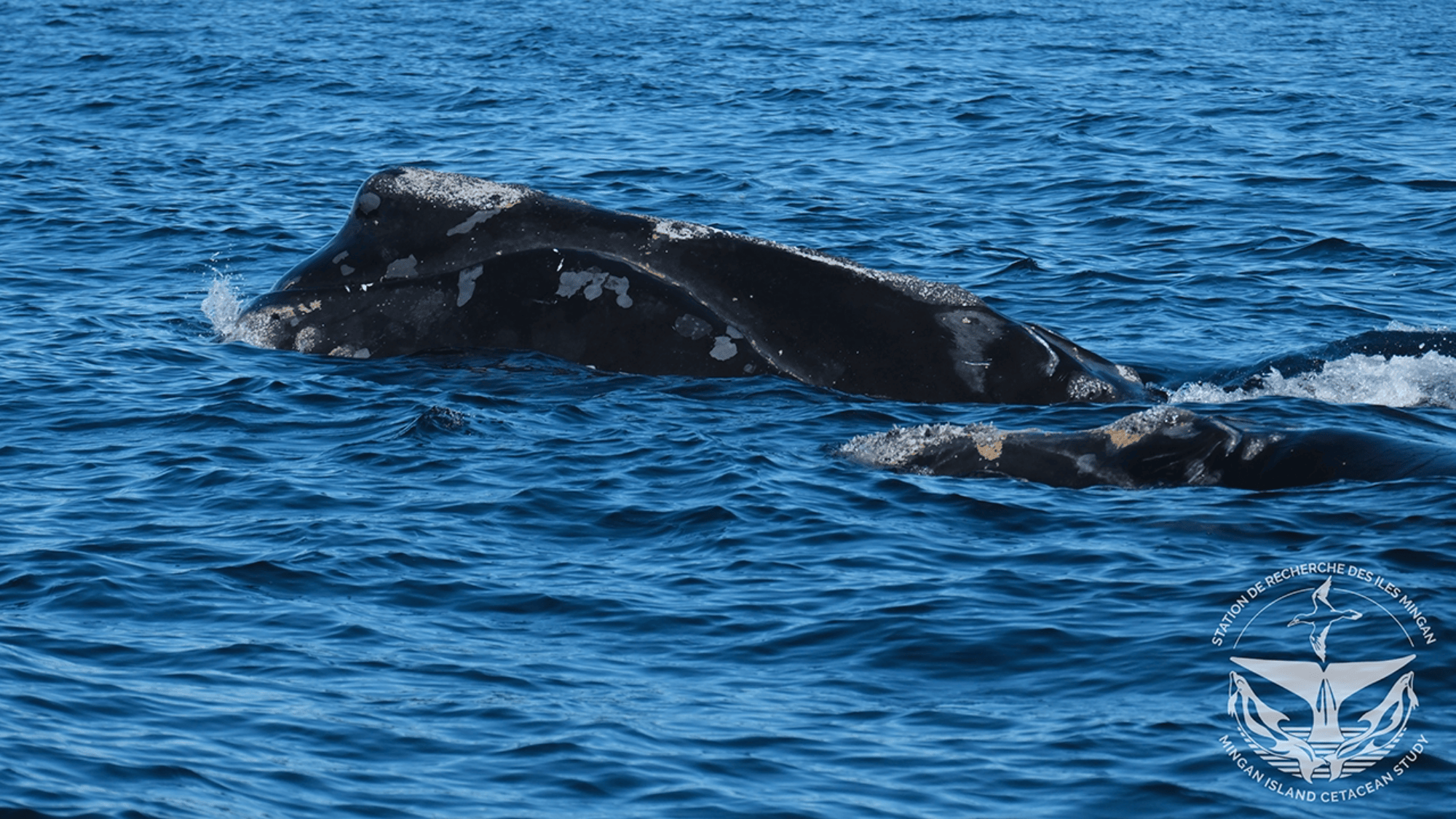
The New England Aquarium recently announced a remarkable discovery from the tail end of the previous monitoring cycle: a well-documented female right whale managed to conceal a newborn calf throughout the entirety of the spring and summer. Cataloged as #1817 and affectionately known to researchers as "Silt," this 38-year-old matriarch was spotted alongside her previously unidentified offspring in September near Anticosti Island in the Gulf of St. Lawrence, Quebec, Canada.
Silt is no stranger to motherhood, nor to the broader lineage of her species. In addition to her extensive history of contributing to the population, she has achieved the status of both grandmother and great-grandmother. The newly revealed infant marks her sixth known calf.
Despite intense aerial and vessel-based monitoring by marine research groups—including the Mingan Island Cetacean Study, which documented the pair under federal research permits—Silt successfully avoided detection by survey teams for months. Researchers note that Silt was briefly observed in the southeastern United States calving grounds back in February, leading experts to deduce that the calf likely was born during that winter window before the mother-calf pair slipped away into northern feeding waters undetected.
The Precarious State of the Population
The birth and survival of any North Atlantic right whale calf are celebrated as major milestones within the marine conservation community. Listed as critically endangered by the International Union for Conservation of Nature (IUCN) Red List, the species has hovered dangerously close to extinction for decades due to historical commercial whaling, followed by modern anthropogenic threats.
Today, the primary drivers of mortality and injury for Eubalaena glacialis are vessel strikes and entanglement in commercial fishing and aquaculture gear. These human-wildlife conflicts frequently cause severe trauma, chronic stress, reduced reproductive success, and fatal drowning.
Despite these grim pressures, recent population estimates have offered a glimmer of cautious hope. Data released tracking the population’s trajectory indicated a slow rebound. The official population estimate rose to approximately 384 individual whales, representing a modest 2.1 percent increase from the previous year’s figures. While any upward trend is welcomed by conservationists, researchers emphasize the fragile nature of these gains.
Expert Perspectives and Cautious Optimism
In previous evaluations of the species’ demographic shifts, marine scientists have stressed that population growth, while encouraging, must be contextualized against the historical decimation of the species. Heather Pettis, a senior scientist at the New England Aquarium, noted that while subsequent monitoring years have continued to show positive signs, the absolute numbers remain alarmingly low.
"We’re talking about a population of roughly 384 individual whales—that’s still incredibly low," Pettis explained. "Yes, we’re seeing increases, but they are small, and we still are seeing injuries to animals from human activities. And so, I say that we’re cautiously optimistic."
This cautious outlook underscores the reality that a single additional calf, such as Silt’s sixth offspring, is mathematically significant for a population numbering under 400. However, the loss of even a few reproductive-age females or newborns in a given year can severely undermine recovery efforts.
Chronology of Recent Conservation Milestones
To understand the current significance of Silt’s unannounced calf, it is helpful to examine the recent timeline of North Atlantic right whale monitoring and policy developments:
- Winter (January – March): Pregnant females migrate from northern foraging grounds off Canada and the northeastern United States down to the warm, shallow coastal waters of Georgia and Florida to give birth.
- Spring and Summer (April – August): Mother-calf pairs typically surface in monitored coastal zones, allowing researchers to catalog newborns. However, during the recent cycle, Silt and her calf successfully eluded these surveys.
- September: Silt and her sixth calf are unexpectedly documented off Anticosti Island, Quebec, by the Mingan Island Cetacean Study, prompting public announcements by conservation partners like the New England Aquarium.
- November – April (Current Season): The official 2027 calving season commences, triggering heightened vessel speed restrictions and renewed monitoring efforts across federal and international jurisdictions.
Broader Implications for Policy and Protection
The discovery of Silt’s calf highlights persistent gaps in spatial and temporal monitoring, suggesting that right whales may be utilizing offshore or less-frequented habitats during certain phases of their migration. This adaptability complicates regulatory efforts designed to protect the animals from maritime traffic and static gear lines.
Governments in both the United States and Canada have implemented seasonal vessel speed restrictions, mandatory reporting protocols, and voluntary or enforced fishing gear modifications—such as ropeless fishing technology trials and closures of high-concentration areas. Yet, conservationists argue that more aggressive, dynamic management strategies are required to shield whales from the expanding footprint of commercial shipping and fisheries.
As the 2027 calving season progresses through its winter months, researchers along the Atlantic seaboard remain on high alert. Every sighting of a mother-calf pair serves as a vital data point in assessing the demographic resilience of the species. For Silt and her newest calf, the immediate focus shifts toward navigating the treacherous waters of the North Atlantic—a journey where every successful migration represents a victory for the survival of their entire species.