New Federal Ebola Attestation Requirements for International Travelers to the United States

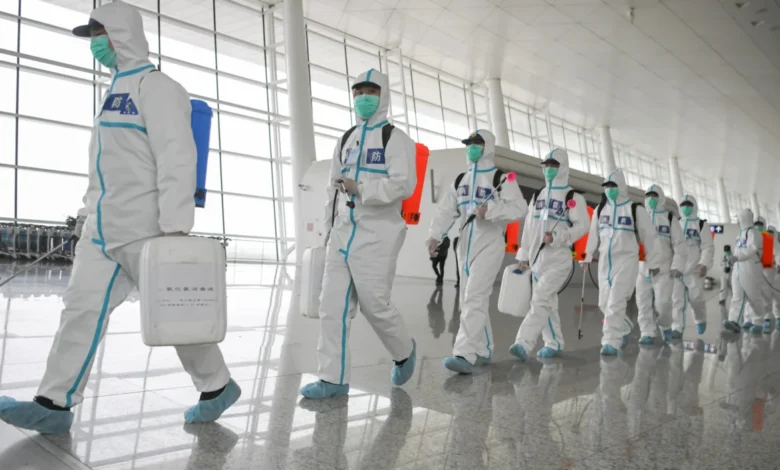
As of November 3, 2026, the United States government has implemented a mandatory Ebola attestation requirement for all individuals traveling to the country from abroad. This federal mandate, which took effect at 11:59 p.m. Eastern Standard Time, necessitates that every passenger—regardless of citizenship or point of origin—formally declare their recent travel history. Specifically, travelers must confirm that they have not been physically present in the Democratic Republic of the Congo (DRC) during the 21-day period preceding their flight. Even a brief layover in the DRC, including scenarios where a passenger remains on the aircraft, constitutes presence for the purposes of this directive.
This policy represents a significant escalation in border health security, mirroring, and in some ways exceeding, the rigorous protocols established during previous international health emergencies. While the measure is designed to act as a safeguard against the importation of the current, rapidly spreading Ebola outbreak, it creates significant logistical hurdles for international travelers and complicates the operations of both domestic and foreign air carriers.

The Mechanism of Compliance: A New Standard for Check-in
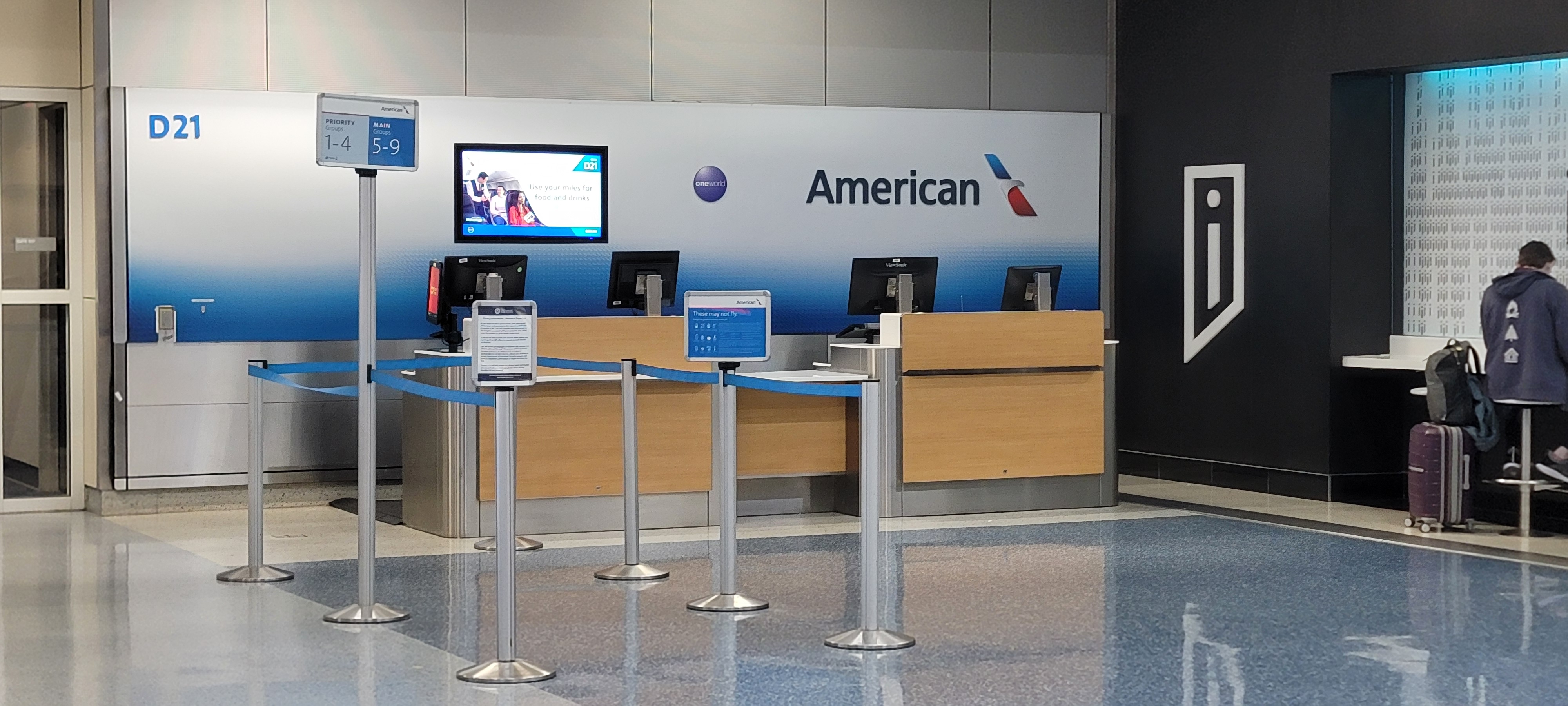
The implementation of this policy has transformed the standard airport check-in process. Airlines, such as American Airlines, have integrated the attestation into their pre-flight procedures. Passengers are typically prompted to provide this declaration via digital applications or kiosks. If a passenger is unable to utilize these digital tools, they are required to complete a physical paper form, which the airline is then mandated to retain for 42 days.
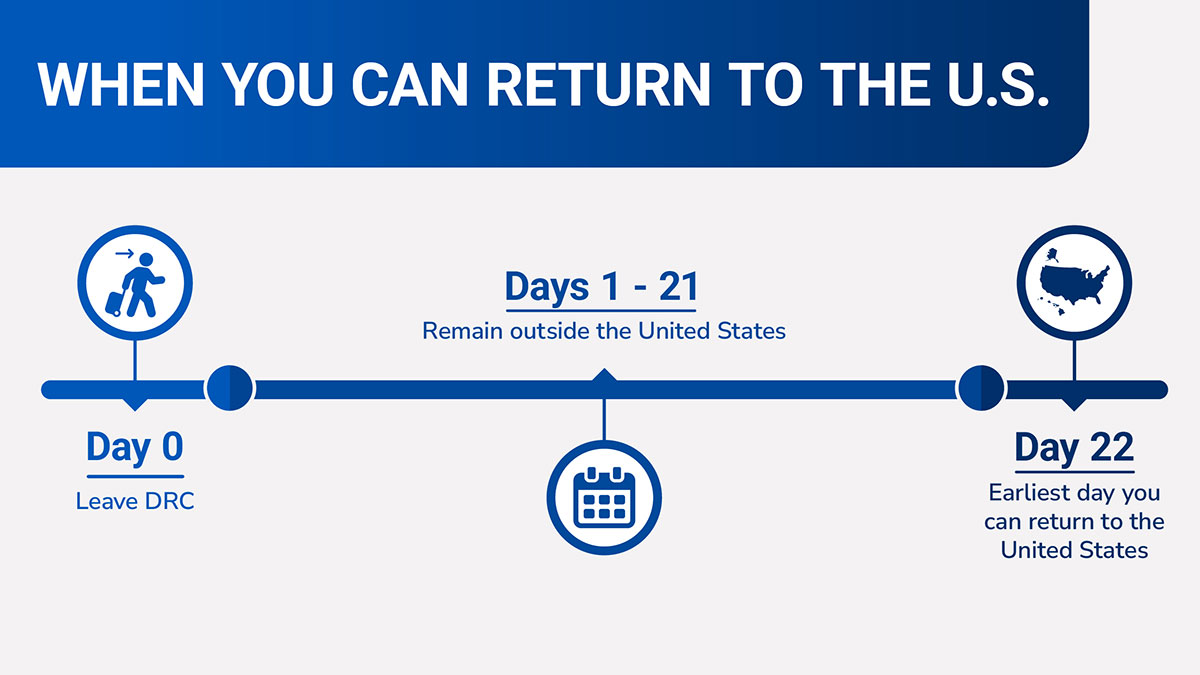
For the vast majority of travelers who have not visited the DRC, this is a simple administrative hurdle. However, for those who have, the consequences are immediate and severe. U.S. citizens and foreign nationals alike are prohibited from boarding commercial flights to the United States if they have been in the DRC within the 21-day window. This is not a request for a health assessment or a test result; it is a strict travel restriction based entirely on geographic history. Because the incubation period for Ebola is 21 days, the U.S. Centers for Disease Control and Prevention (CDC) utilizes this timeframe as the standard "waiting period" to ensure that any potential infection manifests as symptoms before an individual attempts to enter the United States.
Chronology of the 2026 Outbreak and Response
The current Ebola outbreak has been characterized by an alarming rate of transmission compared to historical data. As of the CDC’s November 1 update, officials confirmed 10,563 cases and 5,130 deaths. This trajectory has far outpaced the 2018–2020 Congo outbreak, which saw 3,470 cases and 2,287 deaths over two years. The current surge reached the 1,000-case milestone within just 40 days of the initial response activation, a speed of transmission attributed to regional conflict, fragile health infrastructure, and significant challenges in contact tracing.
The U.S. government’s decision to mandate the attestation follows reports of the virus spreading beyond the DRC’s borders. In October 2026, health authorities in Kenya and Nigeria reported isolated imported cases, signaling a regional crisis that threatens broader international connectivity. The current federal order is scheduled to remain in effect until 11:59 p.m. Eastern Standard Time on December 18, 2026, though this timeline remains subject to extension based on the evolution of the outbreak.
Geographic Distinctions and Entry Restrictions
While the DRC is the primary focus of the new attestation, the federal government has also maintained specific, albeit different, protocols for travelers arriving from Uganda and South Sudan. Under current entry restrictions, non-U.S. citizens and non-permanent residents who have visited these nations may be subject to broader entry denials. U.S. citizens and nationals arriving from these countries are permitted to return, but they must do so via designated ports of entry—specifically New York’s John F. Kennedy International Airport (JFK), Washington Dulles International Airport (IAD), or Hartsfield-Jackson Atlanta International Airport (ATL)—to undergo mandatory public health screenings.
The Nature of the Virus: Risks and Realities
The Bundibugyo strain of the Ebola virus, which is the primary driver of this current outbreak, presents a unique challenge for public health officials. Unlike the Zaire strain, for which effective vaccines and antibody treatments were developed during the 2014–2016 West Africa epidemic, there is currently no globally approved vaccine or specific medical treatment for the Bundibugyo strain.

Public health experts emphasize that while the fatality rate is high, the risk to the general public in the United States remains low. Ebola is not an airborne pathogen; it is transmitted through direct contact with infected blood or body fluids. The CDC has stated that the likelihood of an outbreak occurring within the United States is remote, provided that strict monitoring of incoming passengers remains in place. However, the nature of the virus—specifically that it can incubate for three weeks without symptoms—makes traditional thermal scanning and cursory visual checks insufficient. This is the logic behind the 21-day "no-travel" rule: by forcing a waiting period outside of the country, the government effectively ensures that an infected traveler will either show symptoms while abroad or complete the incubation period safely away from the domestic population.
Implications and Policy Challenges
The implementation of this policy raises questions regarding the effectiveness of self-reporting. Critics of the measure have noted that the 21-day restriction creates a strong incentive for travelers to be untruthful on their declarations, as being identified as having been in the DRC effectively strands them abroad for three weeks. If a traveler falsifies their record, the barrier to entry is essentially removed, highlighting the limitations of an attestation-based system.
Furthermore, the economic and personal impact on travelers is substantial. For those barred from travel, the Department of Transportation has issued an enforcement notice requiring airlines to provide written documentation explaining the refusal of carriage. This allows affected individuals to potentially seek redress or claim compensation through their travel insurance policies. However, the burden of proof rests heavily on the traveler to manage their itinerary around these complex, shifting rules.
Official Stance and Future Outlook
The Department of State has confirmed that there are limited exemptions to these rules, primarily for authorized medical transport or specific humanitarian cases involving government coordination. For the average traveler, however, there are no exceptions. The CDC continues to monitor the situation, noting that the data provided by the Congolese health ministry and the World Health Organization (WHO) remains the primary source for evaluating the duration and severity of the travel ban.
As the December 18 expiration date for the current order approaches, the government will likely re-evaluate the status of the outbreak. If the transmission rate continues to decline, the requirements may be lifted or adjusted. If the outbreak continues to expand, it is possible that the U.S. will move toward even more restrictive measures, potentially including mandatory quarantine upon arrival or a complete suspension of travel from the affected region.
For now, the aviation industry is tasked with the complex enforcement of this federal mandate. Passengers planning international travel are strongly advised to review their recent history and the status of their transit hubs. Even a short connection in a high-risk region is enough to invalidate one’s eligibility to board a U.S.-bound flight. The era of the "Ebola attestation" serves as a reminder of how quickly global health crises can reshape the realities of international movement, prioritizing national containment over the convenience of global connectivity. Travelers are encouraged to monitor updates from the CDC and their respective airlines, as the technical procedures for documenting this compliance may evolve alongside the public health response.