American Airlines Passenger Complaints Highlight Growing Conflict Over Seat Encroachment and Enforcement Policies

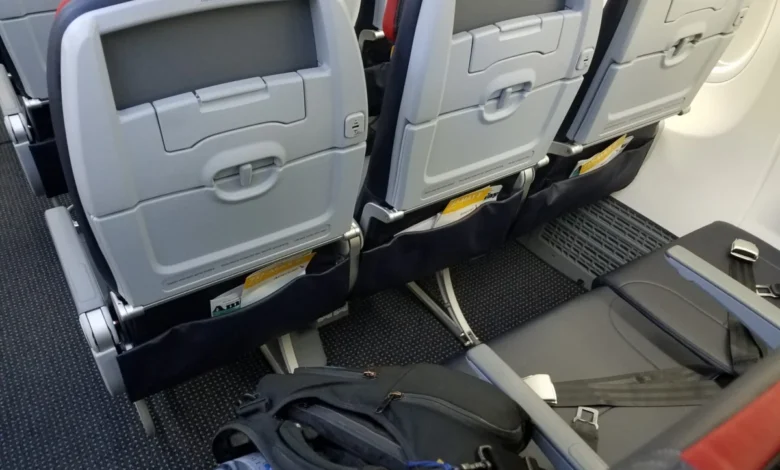
An American Airlines passenger recently sparked a firestorm of social media discourse after sharing a harrowing experience during a routine flight, where she was forced to endure hours of physical discomfort while pressed against a seatmate who occupied a significant portion of her paid space. The passenger, identified as Breanna Morello, utilized the platform X (formerly Twitter) to document her experience, stating that her seatmate appeared to weigh over 300 pounds and repeatedly infringed upon her seat, even removing articles of clothing and making physical contact during the duration of the flight. The post, which has garnered over 15 million views, has reignited a long-standing debate regarding the efficacy and enforcement of airline policies concerning passenger size and seat occupancy.
This incident is not an isolated occurrence but rather a symptomatic example of a broader, systemic issue within the commercial aviation industry. For many travelers, the promise of a comfortable flight is increasingly compromised by seat encroachment, a phenomenon that occurs when a passenger’s physical size exceeds the boundaries of a single airline seat, thereby displacing the person seated adjacent to them.
Chronology of the Incident and Online Reaction
The incident, reported on October 2, 2026, quickly gained traction due to the detailed account provided by Morello. According to her testimony, the situation was exacerbated by a lack of intervention from the flight crew. Despite her complaints regarding the seatmate’s physical encroachment, body odor, and inappropriate behavior, the cabin crew allegedly provided no assistance or relief.
The digital response was immediate and largely characterized by public frustration. Comment sections on social media platforms were flooded with anecdotes from other travelers who had experienced similar, if not identical, circumstances on various carriers. The discourse ranged from calls for more stringent baggage-style weight limits for passengers to demands for more rigorous enforcement of current "extra seat" policies. Some users proposed controversial solutions, such as banning passengers who exceed specific weight-to-height ratios, though these suggestions have been widely criticized for their potential to violate anti-discrimination standards and their practical infeasibility.
The Complexity of Airline Policies
American Airlines, like most major U.S. carriers, maintains a specific policy regarding passengers who require additional space. According to the airline’s official documentation, passengers who cannot safely and comfortably fit into a single seat are required to book an additional seat. The policy is designed to ensure the safety and comfort of all travelers; however, the actual implementation of this rule remains a significant point of contention.
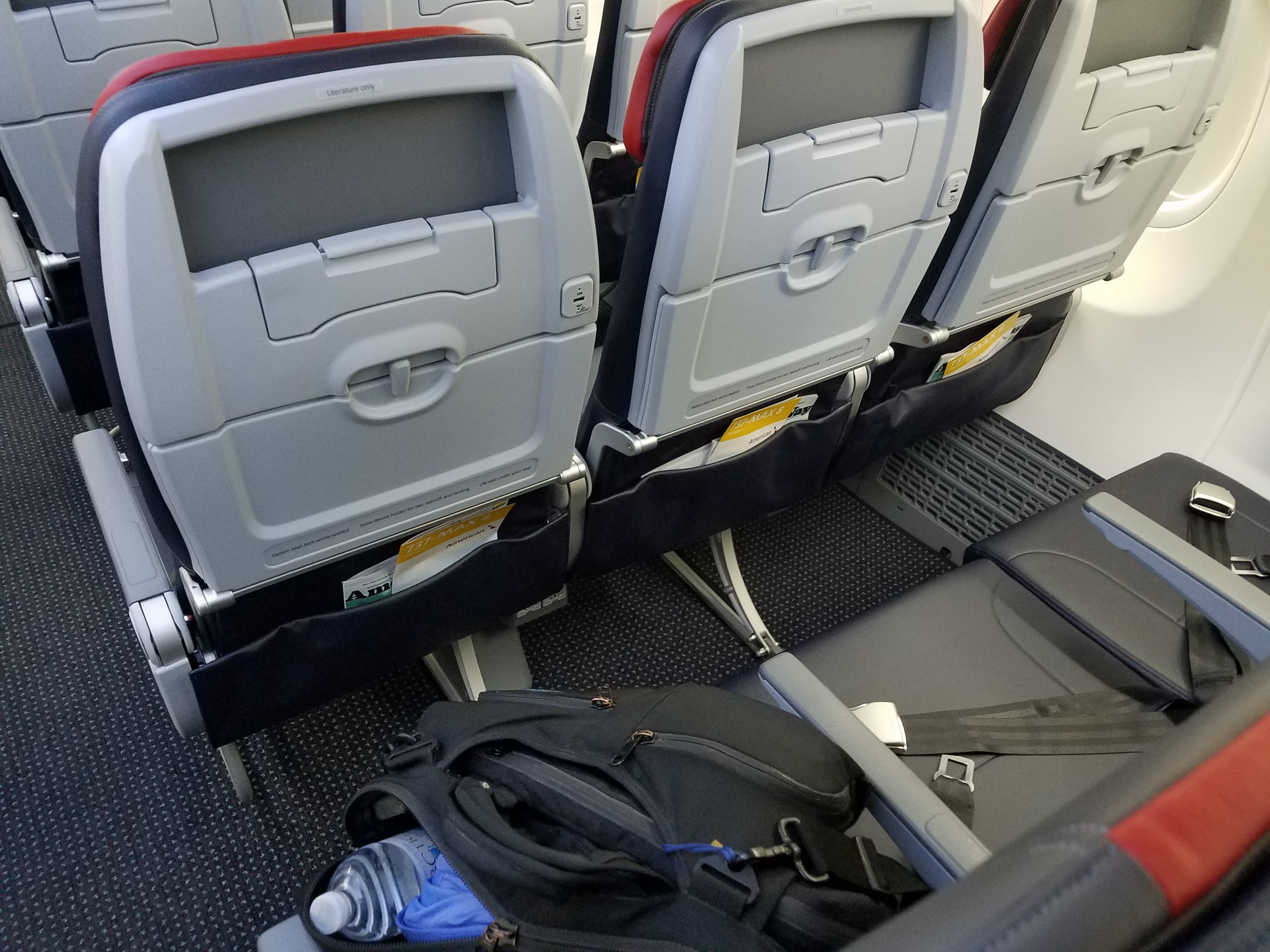
Historically, the threshold for requiring an extra seat has been loosely defined. In past clarifications, American Airlines indicated that a primary trigger for requiring a second seat is the need for a seat belt extension combined with the passenger extending more than one inch beyond the outermost edge of the armrest. Additionally, the carrier’s contract of carriage outlines expectations for "respectful behavior," including requirements for appropriate attire and the absence of offensive odors, though it provides exemptions for odors resulting from medical conditions or disabilities.
The core of the problem lies in the disconnect between written policy and ground-level enforcement. Gate agents and flight attendants are tasked with a multitude of responsibilities, including boarding, baggage management, and ensuring that flights depart on schedule. Confronting a passenger about their body size is a high-friction interaction that carries the risk of significant delays, public confrontation, and potential legal or social backlash. Consequently, many employees opt for a policy of non-interference, effectively shifting the burden of the issue onto the passengers seated in the vicinity of the individual requiring more space.
Comparative Industry Standards and Practices
The challenges faced by American Airlines are mirrored across the industry. Delta Air Lines, for instance, has adopted a more proactive, albeit still complex, approach to the issue. Delta’s policy encourages passengers to arrange for extra seating in advance if they anticipate that their size will prevent them from keeping the armrests in the down position or if they will encroach on the adjacent seat. Delta provides options for purchasing an extra seat, upgrading to a premium cabin with wider seating, or rebooking on a later flight if a flight is full.
However, even with such policies in place, the industry faces a fundamental economic dilemma. Air travel is characterized by high fixed costs, and the configuration of aircraft cabins is heavily optimized for passenger density. When a passenger requires two seats, the airline must balance the needs of that individual against the rights of the passenger who purchased the seat next to them. If the airline does not enforce the purchase of a second seat, the cost is effectively externalized to the adjacent passenger, who receives less space than what was purchased. Conversely, if the airline forces the purchase of a second seat, it faces criticism from advocacy groups that argue such policies are discriminatory and penalize passengers for their body shape.
Broader Implications for Aviation Operations
The economic reality of the situation is that "plus-sized" advocacy often calls for free or subsidized additional space. From an airline’s financial perspective, however, providing additional seats at no cost would necessitate an increase in fares across the board, as the airline must maintain revenue targets to remain profitable. This leads to a tension between accessibility, affordability, and the fundamental contractual obligation to provide a specific amount of space per ticket.
Furthermore, the lack of a standardized, objective measurement system for seat encroachment makes enforcement subjective. What one flight attendant deems an "encroachment" another might view as acceptable, leading to inconsistent passenger experiences. This inconsistency is a frequent source of customer dissatisfaction.
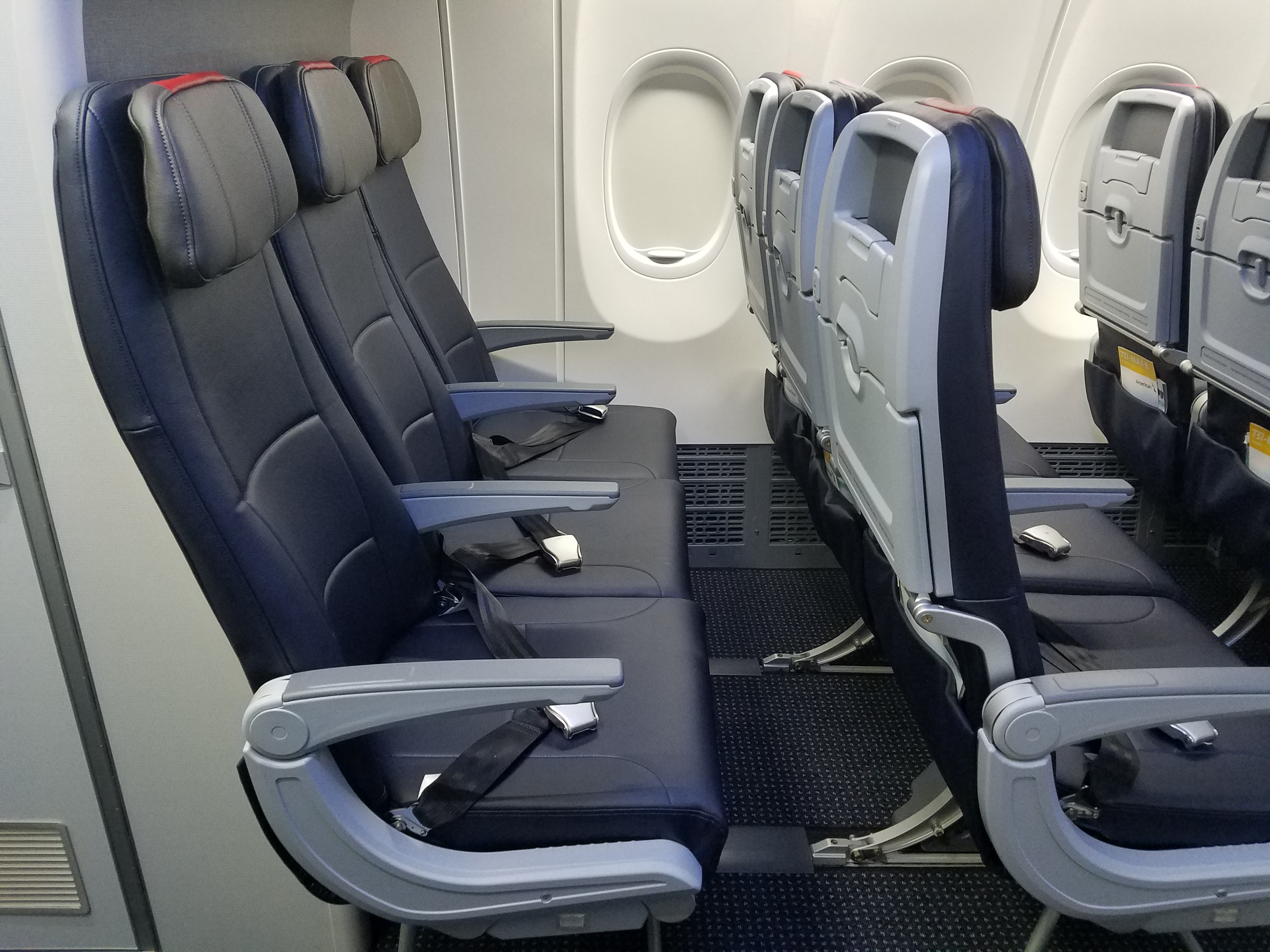
Recent years have seen a steady increase in these types of reports. In 2024, a similar incident involving an American Airlines passenger went viral, featuring a traveler who was forced to sit in a contorted position for the duration of a flight after his seatmate occupied more than half of the middle seat. The airline’s response—that customers come in "all shapes and sizes"—was criticized as being dismissive of the contractual reality that a passenger buys a specific amount of space, not merely a boarding pass.
Moving Toward a Resolution
For airlines to mitigate these issues, structural changes are likely necessary. Experts suggest that the process of booking extra seats should be streamlined. Currently, many airlines require passengers to call reservations to book a second seat, a process that is often cumbersome and lacks transparency regarding pricing. Integrating an "extra seat" option directly into the online booking engine would allow for greater transparency and ensure that the airport staff is informed of the arrangement in advance, thereby reducing the likelihood of last-minute conflicts at the gate.
Moreover, management teams must provide clearer guidance and support to frontline staff. If airlines expect their policies to be followed, they must empower employees to handle these situations with a standardized procedure that prioritizes the comfort and safety of all passengers without resorting to ad-hoc, discretionary enforcement.
As the industry continues to grapple with the realities of modern travel, the balance between inclusive policies and the protection of individual passenger rights remains precarious. Until airlines implement more robust, transparent, and consistently applied systems for seat management, the conflict between passengers sharing cramped cabin space will likely continue to be a source of significant public friction and reputational risk for major carriers. The incident involving Breanna Morello serves as a potent reminder that the aviation experience is not merely about transportation, but about the fundamental social contract between the service provider and the customer, which currently remains under significant strain.