American Airlines upgrades coach snack offerings to include name-brand items as part of a broader inflight service recalibration

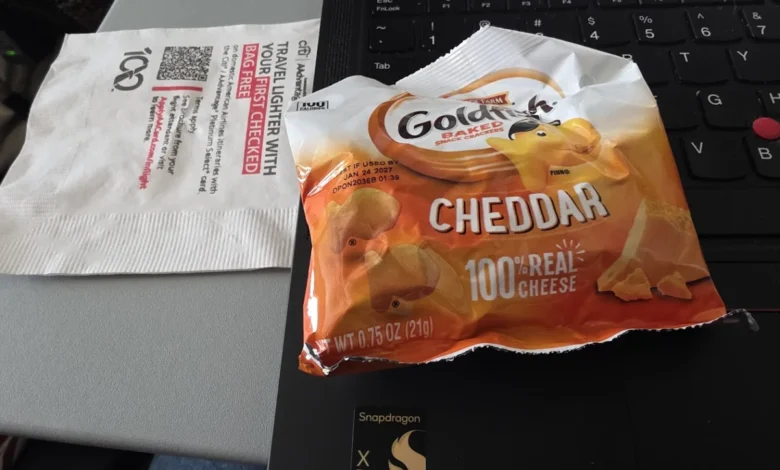
American Airlines has officially commenced a transition in its onboard snack service, moving away from generic, airline-branded pretzels toward a selection of recognized, name-brand products for passengers traveling in the main cabin. This strategic pivot, which began implementation on October 1, represents a concerted effort by the Fort Worth-based carrier to enhance the perceived value of its economy-class product. By introducing items such as Tate’s Bake Shop cookies and Goldfish crackers, the airline is attempting to align its inflight offerings with the expectations of a modern, brand-conscious traveler base, signaling a shift away from the cost-cutting measures that have characterized domestic coach service for the better part of the last decade.
Chronology of the Service Shift
The decision to refresh the snack portfolio follows years of criticism regarding the lack of variety and quality in domestic main-cabin service. For several years, American Airlines had utilized proprietary pretzel bags—which often featured the airport codes of their major hubs—as a branding exercise. While the initiative was intended to create a sense of regional identity, frequent flyers often characterized the product as stale and uninspiring.
The initiative to overhaul these offerings was first socialized internally throughout the late summer, with a target launch date of October 1. The rollout involves not only the introduction of new products but also a revised service flow for flight attendants. By the second week of October, passengers across the airline’s domestic network began reporting the availability of the new inventory. However, the transition has not been without logistical friction; flight crews are currently navigating a new service protocol that requires them to present a choice of three items to each passenger, a process that has introduced new variables into the cabin service timeline.
Analysis of the New Snack Portfolio
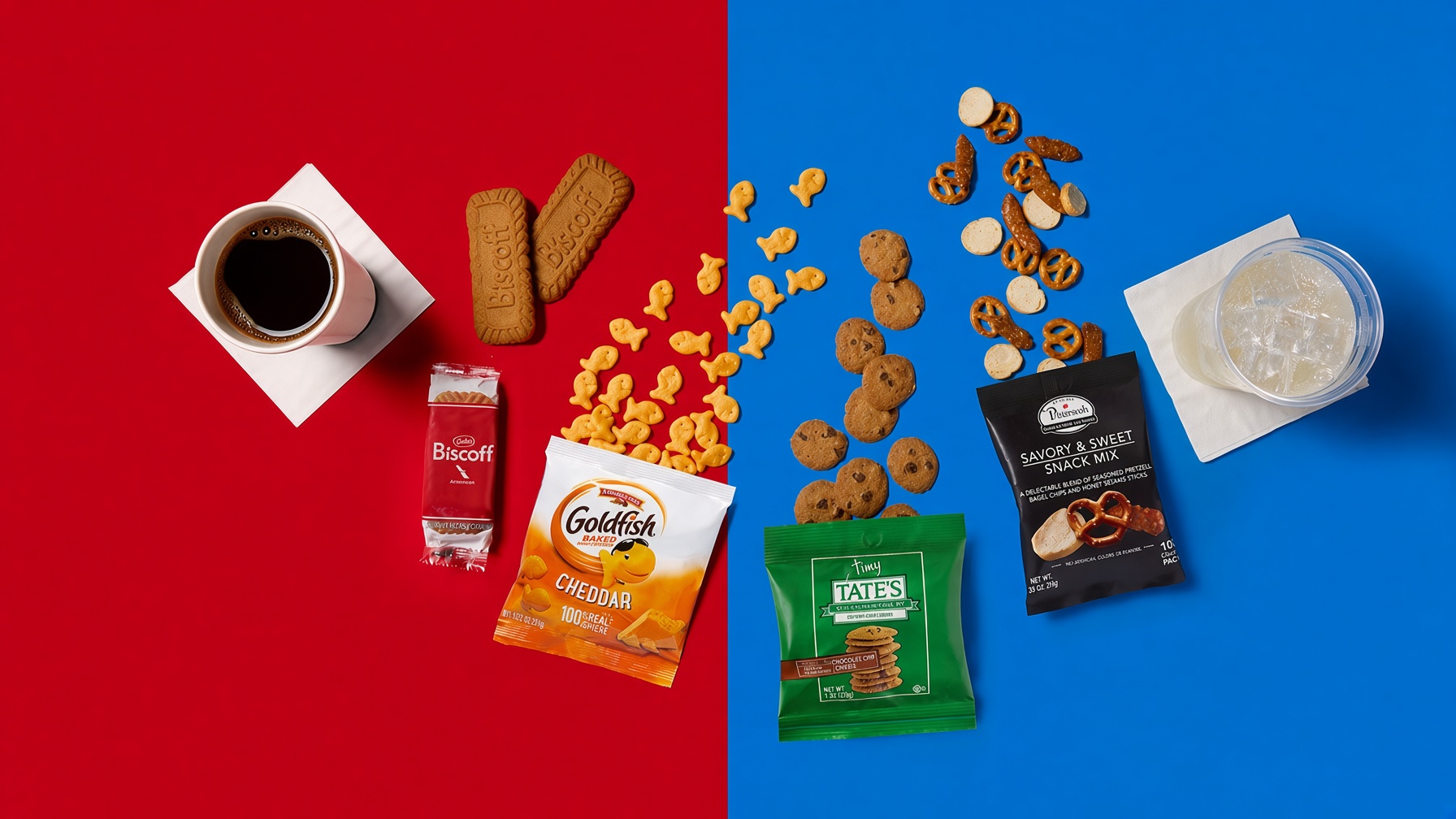
The updated snack menu, which includes Biscoff cookies, Goldfish crackers, and a curated snack mix, marks a departure from the "one-size-fits-all" approach. In professional aviation circles, the "choice" model is often seen as a double-edged sword. While it provides the passenger with a sense of agency, it also places a significant burden on the efficiency of the service cycle.
Industry data suggests that for every additional second a flight attendant spends explaining the snack options to a passenger, the overall service flow slows by a measurable margin. In a standard narrow-body aircraft, where a single aisle must be serviced by a limited crew within a tight time window, the cumulative impact of these delays can be substantial. Observations from recent flights indicate that passengers are frequently caught off guard by the request to choose, leading to momentary pauses that ripple down the aisle. This "choice fatigue" suggests that while the quality of the product has increased, the operational infrastructure required to deliver it efficiently may still be in the early stages of optimization.

Operational Challenges and Training Requirements
To support this transition, American Airlines has deployed online training modules for its flight attendant workforce. These modules are designed to standardize the presentation of the snacks and ensure that the "elevated service" vision is communicated consistently. However, industry analysts and labor relations experts note that a digital training module is rarely sufficient to shift a service culture.
The successful implementation of such a program requires a robust feedback loop between the cabin crew and leadership. Flight attendants serve as the frontline ambassadors of the brand, and their ability to execute a more complex service flow is directly linked to their engagement with the airline’s overarching strategic goals. Without clear communication from management regarding how these small, tactical changes—such as swapping a pretzel for a name-brand cookie—connect to the airline’s broader competitive positioning against rivals like Delta Air Lines and United Airlines, the initiative risks being viewed by staff as merely an additional layer of complexity rather than a genuine service upgrade.
Competitive Landscape and Market Positioning
American Airlines operates in one of the most competitive domestic environments in the world. Its primary rivals have long utilized inflight service as a key differentiator. Delta Air Lines, for instance, has historically invested heavily in its snack and beverage program to cultivate brand loyalty and justify price premiums. United Airlines has similarly focused on its "United Next" strategy, which emphasizes cabin modernization and improved amenities.
For American, the shift toward premium, name-brand snacks is a tactical response to this competitive pressure. By aligning its brand with recognized names like Tate’s, the airline is attempting to leverage the "halo effect"—the idea that high-quality snacks imply a higher-quality airline experience overall. This is a critical psychological component of passenger satisfaction, especially on long-haul domestic routes where inflight amenities are the primary point of contact between the passenger and the airline.
Economic Implications and Incentivization
The financial logic behind this investment is rooted in the pursuit of customer retention and brand equity. In an era where ticket prices are highly transparent and commoditized through search aggregators, the "soft product"—which includes snacks, drinks, and service quality—becomes the primary tool for differentiation.
However, the efficacy of this strategy will depend on how the airline incentivizes its staff to deliver this elevated experience. Experts argue that for the program to be successful in the long term, it must be supported by tangible metrics. If the goal is to beat competitors on service quality, the airline must consider how these metrics translate into employee compensation. Providing flight attendants with concrete, regular incentives for meeting specific service standards would likely bridge the gap between corporate strategy and the reality of the cabin environment. Profit-sharing models that are transparently linked to customer satisfaction scores (CSAT) are often cited as the gold standard for motivating high-level performance in the service sector.
The Role of Cabin Service in Brand Loyalty
Ultimately, the refresh of the coach snack menu is a microcosm of the challenges faced by legacy carriers. Balancing operational efficiency with customer expectations requires a delicate touch. While the inclusion of Goldfish and Tate’s cookies is objectively an improvement over previous offerings, the operational "bottleneck" created by the choice-based service model highlights the necessity of human-centric design in airline operations.
Moving forward, the success of this initiative will be measured not just by the quality of the snacks themselves, but by the fluidity of the service. If the airline can refine its training to help flight attendants manage the "choice" interaction more effectively, it will have successfully upgraded its product. If the service continues to slow down, the airline may be forced to revisit its strategy, perhaps moving toward a pre-packaged or simplified selection to restore the speed and efficiency that time-crunched passengers expect.
Future Outlook and Industry Implications
As American Airlines continues to navigate this rollout, the industry will be watching closely to see if the investment yields a measurable uptick in passenger satisfaction scores. The shift also highlights a broader trend: the "premiumization" of the economy cabin. As more airlines look for ways to distinguish themselves without necessarily lowering ticket prices, the quality of snacks, Wi-Fi connectivity, and in-seat entertainment will become increasingly important battlegrounds.
The decision to drop the hub-centric pretzel bags in favor of branded products is a symbolic move as much as a practical one. It signals a move away from insular, carrier-focused branding and toward a customer-first philosophy. For the passenger, the immediate impact is a tastier snack. For the airline, the challenge remains to turn that small, tasty snack into a larger, more profitable relationship with the passenger. Success will require sustained leadership, clear communication with the frontline staff, and a willingness to iterate on the service model until the "elevated" experience becomes the standard.
By prioritizing the passenger experience in the main cabin, American Airlines is acknowledging that in the modern air travel market, the smallest details often carry the most weight. Whether this specific upgrade is the first step toward a more comprehensive service transformation or a standalone improvement remains to be seen. Regardless, the current transition underscores the ongoing evolution of domestic air travel, where the battle for the customer is won one snack at a time.
Related posts: