With one of the world’s most diverse and geographically expansive food scenes, China presents a challenge for any gastronome attempting to codify a single list of "best" dishes. Spanning thousands of miles and encompassing vastly different climates—from the humid, spice-laden southern provinces to the wheat-heavy, hearty regions of the north—Chinese cuisine is a mosaic of regional identities. To navigate this vast culinary landscape, it is essential to categorize these offerings by their historical roots, preparation techniques, and cultural significance. The following survey explores the fundamental dishes that define the Chinese dining experience, providing a well-rounded introduction to a culinary tradition that has profoundly influenced global food culture.

The Imperial Legacy: Peking Duck and the Art of the Roast
Peking Duck stands as one of China’s most recognizable culinary exports, yet its origins are rooted in the refined practices of imperial courts. Historical records suggest that the techniques for roasting duck date back approximately 1,500 years to the Southern Dynasties period in Nanjing. When the Ming Dynasty capital was relocated to Beijing in the 15th century, the imperial kitchens and their specialized chefs migrated north, bringing the craft with them.
The modern iteration—characterized by thin, crispy skin and succulent meat wrapped in delicate pancakes with scallions, cucumber, and sweet bean sauce—became a staple of elite dining. Today, the dish remains a barometer for the quality of high-end traditional restaurants. While Beijing is the current epicenter of the dish, Nanjing continues to challenge the capital for the title of "Duck Capital," boasting a distinct local obsession with the bird that manifests in salted duck, duck grease pancakes, and intricate duck offal preparations.

The Spice and Soul of Sichuan: Dan Dan Mian and Mapo Tofu
Sichuan cuisine is arguably the most globally recognized regional style, famous for its "mala" (numbing and spicy) flavor profile. Central to this is the use of Hanyuan peppercorns and broad bean chili paste (doubanjiang) from the Pidu district.
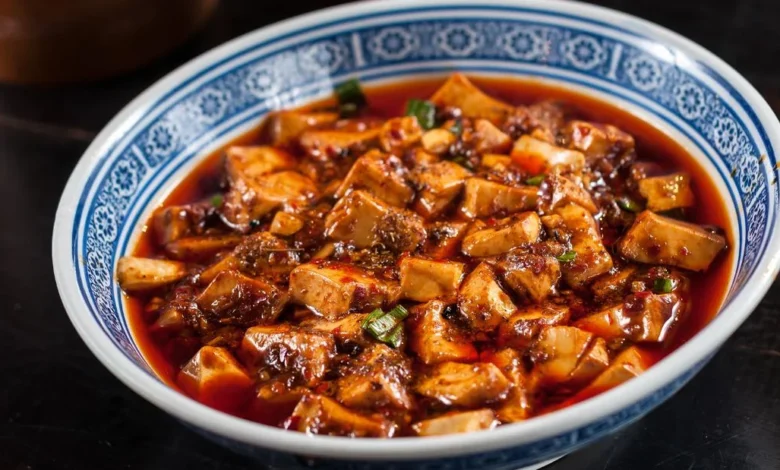
Dan Dan Mian, or dan dan noodles, trace their history back over a century to street hawkers who carried their supplies on "dan dan" (carrying poles). The dish represents the versatility of the region, ranging from dry, savory mixes topped with crispy, lard-fried minced pork (rou saozi) to versions served in a complex, nutty, and spicy broth. Similarly, Mapo Tofu—a dish that balances the soft, silken texture of tofu with the aggressive heat of chili oil and the numbing sensation of Sichuan peppercorns—demonstrates the culinary philosophy of using texture as a primary component of the dining experience.

Cantonese Refinement: Steamed Fish and Dim Sum
Cantonese cuisine, particularly from the Pearl River Delta, emphasizes the preservation of the natural, umami-rich flavors of fresh ingredients. This is best exemplified in the art of steaming. Cantonese steamed fish requires precise timing—a technical challenge where even a margin of error of sixty seconds can alter the tenderness and flakiness of the flesh.
This regional focus on quality also birthed "Dim Sum," a style of service that evolved from tea house culture. Rather than a singular dish, Dim Sum is a framework for variety, allowing diners to sample small plates ranging from har gow (prawn dumplings) to siu mai and radish cakes. It is a social, ritualized form of dining that has become the hallmark of the Cantonese culinary identity, emphasizing the communal experience over the consumption of one heavy main course.

Regional Specialties and Historical Context
The diversity of Chinese food is further illustrated by dishes born from necessity or local legend.
- Cross-the-Bridge Rice Noodles (Yunnan): Legend attributes this dish to a devoted wife who sought to keep her husband’s lunch warm by bringing a pot of scalding broth, raw ingredients, and noodles separately. The chicken oil on the surface served as an insulator, keeping the broth hot enough to poach the ingredients upon arrival.
- Rou Jia Mo (Shaanxi): Often described as the "Chinese hamburger," this dish consists of slow-braised pork belly, cooked with star anise, cloves, and cinnamon, served inside a crisp flatbread (mo). The bread itself is a point of regional pride, with specific criteria for its "iron ring" and "chrysanthemum heart" patterns, indicating proper toasting.
- Dongpo Rou (Hangzhou): Named after the 11th-century poet and statesman Su Dongpo, this braised pork belly dish is a testament to the slow-cooking techniques prevalent in eastern China. The pork is simmered in yellow wine, soy sauce, and rock sugar until it achieves a gelatinous, melt-in-the-mouth consistency.
Techniques and Cultural Significance
Many Chinese dishes rely on techniques that serve both culinary and therapeutic purposes. Cantonese herbal soups, for instance, are a staple of domestic life, simmered for hours to infuse the liquid with ingredients believed to restore balance to the body based on seasonal needs—such as using winter melon to cool the body during the summer or apples and lily petals to hydrate during drier months.

Furthermore, the concept of "Wok Hei" (the breath of the wok) is essential to understanding the quality of stir-fried dishes, particularly fried rice. This phenomenon occurs when food is cooked at extremely high temperatures, resulting in a distinct, smoky aroma and a texture that cannot be replicated in a standard home kitchen.
Modern Implications and Global Reach
The global spread of Chinese food has often led to the creation of hybrid dishes, such as Hainanese chicken rice. While often associated with the island of Hainan, the modern version of the dish was popularized in Malaysia and Singapore. It remains rooted in the Wenchang chicken tradition—a specific breed prized for its thin skin and sweet flavor—but highlights how Chinese culinary techniques have adapted to and flourished in diaspora communities.

Similarly, the evolution of "Sweet and Sour Pork" into regional variations like Fujian’s "Lychee Pork"—where the meat is incised to resemble the fruit’s texture—demonstrates the iterative nature of Chinese cooking. Chefs constantly refine traditional recipes, applying new techniques to historical foundations to maintain relevance in a modern, globalized market.
Conclusion: A Culinary Map
To understand Chinese food is to understand the geography and history of the nation itself. From the wheat-based, hearty street foods of the north to the rice-centric, refined seafood dishes of the coastal south, the breadth of the Chinese culinary canon is vast. Whether through the precise art of the steamed fish, the complex balance of spice in a bowl of dan dan noodles, or the historical narrative preserved within a piece of Peking Duck, these dishes provide more than just sustenance; they offer a window into the cultural, social, and environmental factors that have shaped one of the world’s most sophisticated culinary traditions.

As travelers and food enthusiasts continue to explore these regions, the emphasis remains on the appreciation of the techniques—the "wok hei," the precise steaming times, and the centuries-old braising methods—that elevate these ingredients into the essential eats that define the Chinese gastronomic landscape.