Maximizing Bilt Rewards Through Strategic Authorized User Management and Account Optimization

The Bilt Rewards ecosystem has evolved significantly since its inception, moving beyond its foundational utility as a platform for earning points on rent payments toward a more robust, multi-tiered credit card portfolio. Central to this evolution is the strategic use of authorized users, a tactic increasingly utilized by cardholders to circumvent individual reward caps and leverage multiple "Rent Day" promotional opportunities. By distributing spending across authorized user accounts, cardholders can effectively double their access to point accelerators and transfer bonuses, a practice that highlights the nuanced architecture of the Bilt Rewards program.
The Mechanics of Bilt Authorized User Accounts
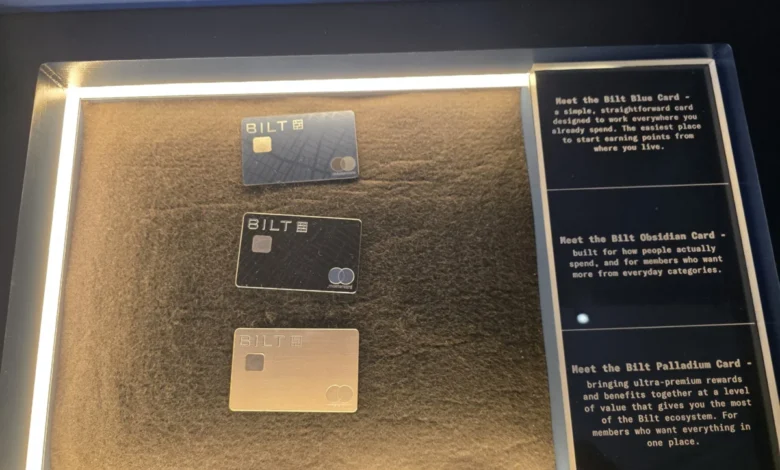
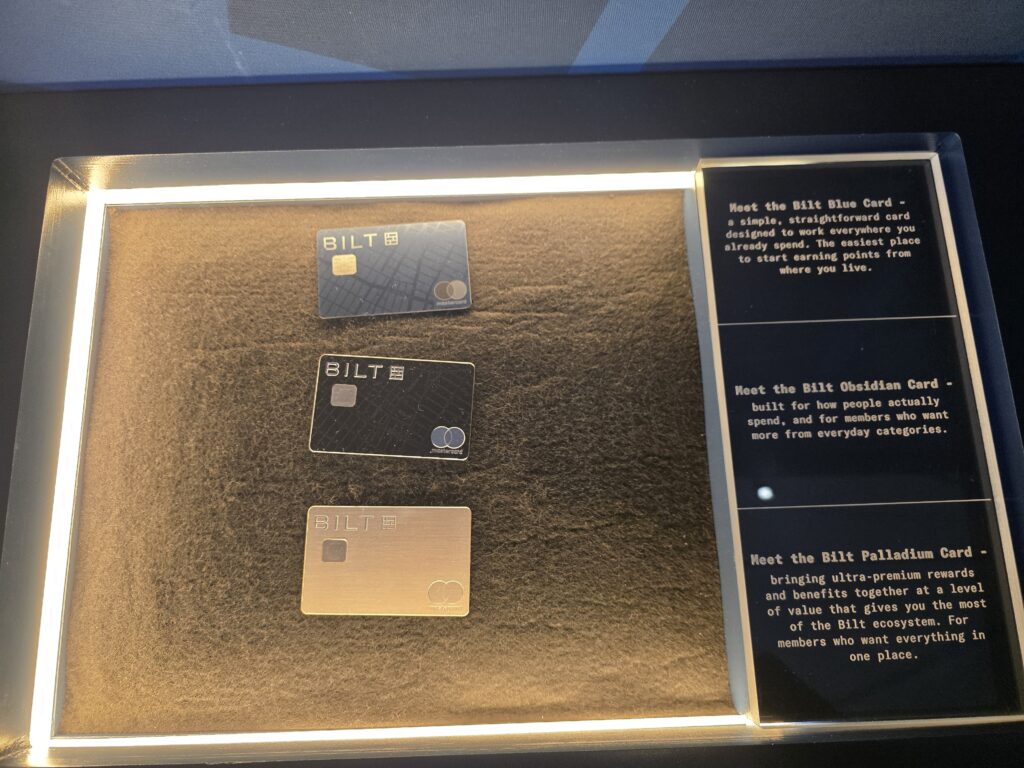
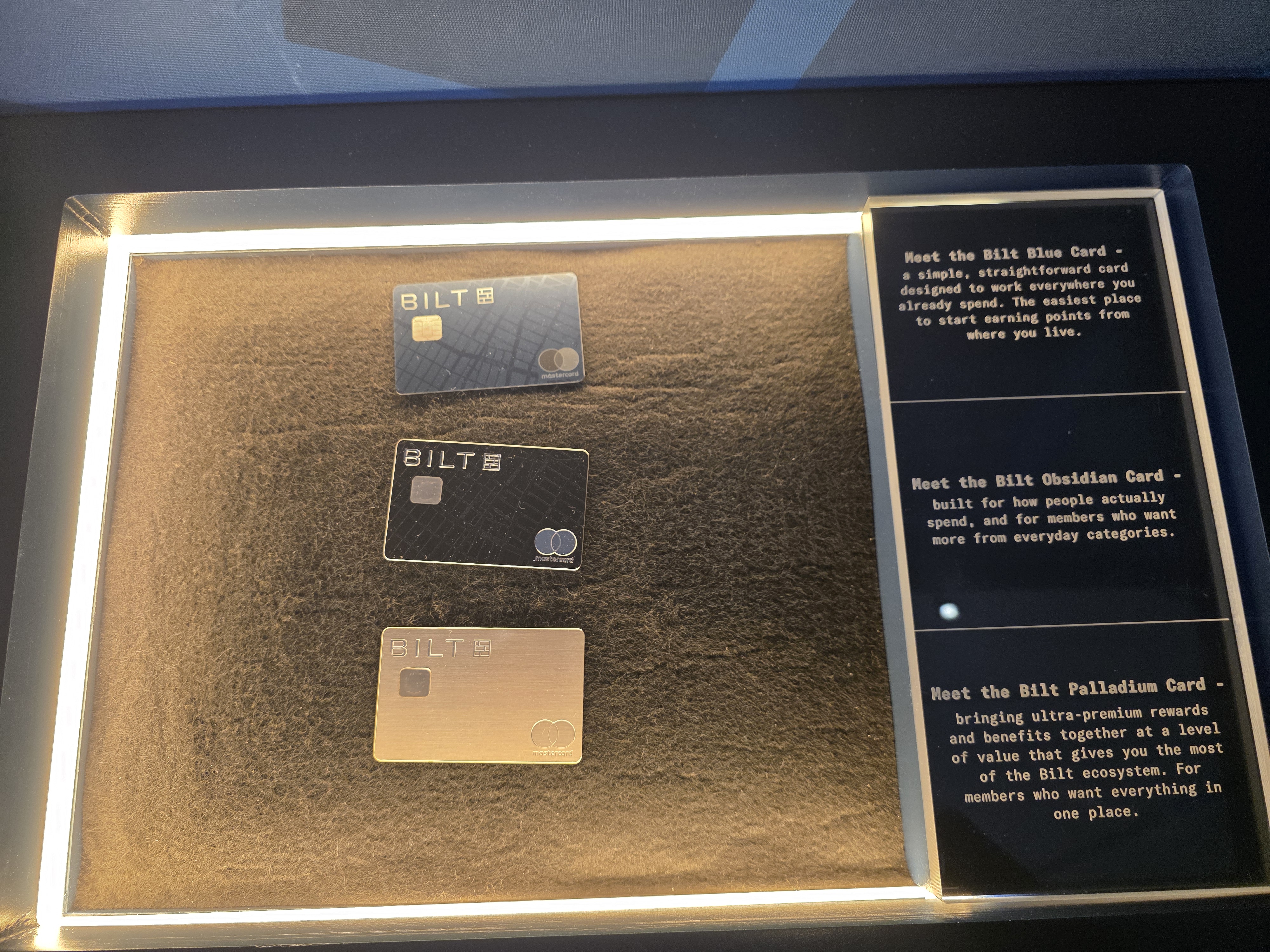
The Bilt Mastercard, particularly when paired with premium iterations like the Bilt Palladium and the newly introduced Obsidian Card, allows primary account holders to designate authorized users. While the primary function of these cards remains the accrual of points on residential rent, the secondary benefits—specifically the Bilt points accelerator—have become a focal point for power users.
The current structure of the Bilt points accelerator allows users to earn an additional point per dollar spent, capped at 5,000 bonus points per month. This accelerator can be triggered up to five times within a calendar month. When a primary cardholder maxes out these accelerators, the marginal utility of further spending on that specific account diminishes. By introducing an authorized user who maintains their own independent accelerator capacity and a separate 100,000-point transfer bonus cap, the household unit can theoretically maximize its total point yield.
Under this strategy, primary account holders are increasingly choosing to attribute points and "Bilt Cash"—the program’s native cashback currency—directly to the authorized user’s profile. This ensures that the authorized user is not merely a spender on a shared account, but an active participant in earning status and triggering independent promotional caps.
Chronology of Program Enhancements
The Bilt platform has undergone a steady stream of updates intended to improve user agency. A brief timeline of these developments illustrates the shift toward more granular control:
- Early Launch Phase: Bilt debuted as a niche card focused exclusively on eliminating the transaction fees associated with paying rent via credit card.
- Expansion of Rewards: The program integrated partnerships with major travel loyalty programs, allowing for 1:1 point transfers to airlines and hotel chains.
- Introduction of Premium Tiers: The rollout of the Bilt Palladium card introduced higher-tier perks, followed by the introduction of the Obsidian Card to compete in the $95 annual fee market segment.
- Authorized User Empowerment: In late 2025 and early 2026, Bilt introduced refined administrative tools allowing primary account holders to manage how rewards are allocated between their own account and those of their authorized users.
- Future Credit Reporting Initiatives: Bilt has announced that by the end of 2026, authorized users aged 18 and older will be able to utilize their Bilt Card activity to build independent credit histories, a move that broadens the card’s utility beyond mere point accumulation.
Fact-Based Analysis of the Obsidian Card Integration
The Bilt Obsidian Card represents a strategic pivot for the company, targeting the competitive mid-tier credit card market. With an annual fee of $95, it positions itself against popular travel-focused cards. Its primary value proposition lies in its customizable reward structure.
The card offers 3X points on a user-selected category—either grocery or dining—with a cap of $25,000 in spend per calendar year. The selection of this category is locked for the duration of the year, necessitating long-term planning for households managing multiple cards. Furthermore, the card provides 2X points on travel and a baseline of 1X points on all other expenditures.
From an analytical perspective, the inclusion of an Obsidian Card within an authorized user framework allows for a "category-stacking" strategy. A household might utilize the primary Bilt Palladium account for rent and high-yield accelerator spending, while dedicating the Obsidian Card—held by an authorized user—to the specific 3X grocery or dining category. This optimization ensures that every dollar spent is routed toward the highest available multiplier, effectively shielding the household from the diminishing returns of a single-card strategy.
Broader Implications for the Loyalty Industry
The trend of "authorized user optimization" is not unique to Bilt, but the company’s transparent support for this behavior distinguishes it from legacy issuers. Many credit card issuers strictly monitor and sometimes discourage the practice of using authorized users to bypass aggregate bonus limits. Bilt’s approach, which provides tools to manage these accounts, suggests a business model that prioritizes total household engagement over individual account limitations.
The upcoming credit reporting feature for authorized users marks a significant milestone. By enabling younger or credit-invisible authorized users to establish a credit history through the Bilt platform, the company is effectively lowering the barrier to entry for its ecosystem. This move serves dual purposes: it increases the platform’s user base and deepens the loyalty of primary account holders who can now include family members in their financial planning.
Official Stance and Program Limitations
Bilt has consistently maintained that its promotional offers, including the monthly Rent Day bonuses, are subject to specific terms and conditions. While the platform currently permits the independent usage of accelerators by authorized users, industry observers note that such policies are subject to change based on the company’s fiscal performance and the sustainability of its loyalty program.
Furthermore, Bilt’s official documentation stresses that while authorized users have access to certain benefits, the ultimate responsibility for the account rests with the primary cardholder. This includes legal liability for all debt incurred. The "authorized user play" is therefore a tactical, rather than fundamental, change in banking; it requires active management of the account dashboard to ensure that rewards are being credited to the intended beneficiary.
Summary of Strategic Advantages
For the informed consumer, the current Bilt ecosystem offers three distinct advantages:
- Accelerator Multiplicity: By utilizing multiple authorized users, households can bypass the 5,000-point monthly accelerator cap, effectively increasing the total points earned on daily spending.
- Bonus Cap Expansion: The independent 100,000-point transfer bonus caps allow users to maximize promotional transfers, which are often the most valuable component of the Bilt Rewards program.
- Category Specialization: With the introduction of the Obsidian Card, households can diversify their earning potential by locking in specific 3X categories for different authorized users, thereby optimizing the total return on spend across disparate categories like travel, dining, and groceries.
As Bilt continues to refine its tools, the ability to manage authorized user activity will likely remain a key differentiator for the brand. The transition from a rent-payment utility to a comprehensive household loyalty platform appears to be the core strategy driving these recent updates. For users looking to maximize their rewards, the focus must remain on the granular management of these accounts, ensuring that the distribution of spending aligns with the specific, independent capabilities of each authorized user card within the broader Bilt portfolio.
As of early 2026, the program continues to emphasize its commitment to transparency, as evidenced by the clear disclosure of terms and fees associated with both the Palladium and Obsidian products. Whether this high level of flexibility remains sustainable as the platform scales remains a subject of interest for market analysts, but for now, it represents a highly efficient mechanism for point-conscious consumers to extract maximum value from their everyday financial transactions.