The Escalating Diesel Crisis: Surging Prices Spark Fierce Debate Over a Potential U.S. Export Ban

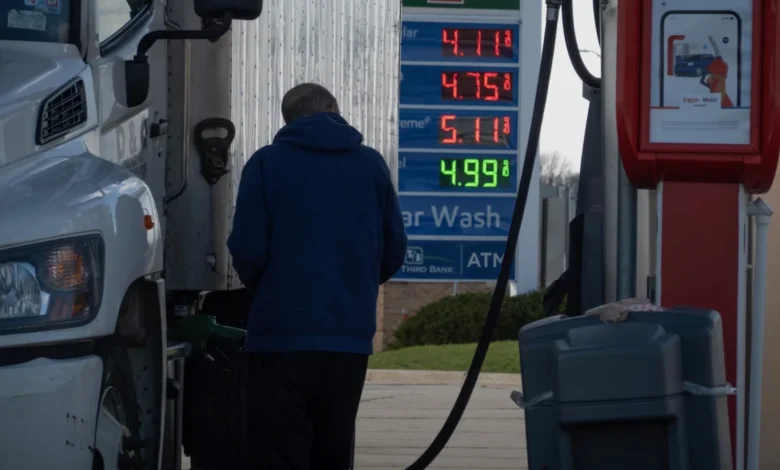
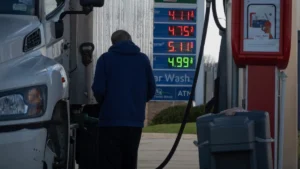
American consumers, agricultural producers, and logistics enterprises are confronting unprecedented financial strain as diesel fuel prices shatter records on an almost daily basis. According to data compiled by the American Automobile Association (AAA), the national average for a gallon of diesel reached a staggering $6.52. This relentless upward trajectory has catalyzed an intense policy debate in Washington and across the country, with high-ranking lawmakers and President Donald Trump weighing a controversial intervention: a total or partial ban on the export of U.S. refined diesel fuel.
The debate exposes deep ideological fractures regarding the mechanics of global energy markets, federal authority, and the most effective mechanisms to shield domestic industries from geopolitical shocks. While proponents argue that keeping refined products within U.S. borders will rapidly increase supply and deflate consumer costs, critics—including major industry groups and free-market economists—warn that export restrictions would distort global markets, reduce domestic refining output, and ultimately exacerbate the crisis.
An Economy Powered by Distillates
Although passenger vehicles running on diesel represent a minority of the American consumer automobile market, diesel is the foundational lifeblood of the broader United States economy. The fuel is the indispensable engine driving commercial trucking fleets, freight rail networks, maritime shipping vessels, and the vast agricultural sector, powering everything from heavy-duty tractors to combine harvesters.
Consequently, the spike in fuel costs permeates every layer of the supply chain, driving up the price of food, manufactured goods, and consumer products. The staggering price surge—amounting to an increase of nearly 80 percent since the military conflict between the United States and Iran began earlier this year—has sent shockwaves through the American economy. In the month of September alone, prices at the pump have climbed by nearly $1 per gallon, rendering operational budgets untenable for independent truckers and multi-national logistics firms alike.
Data compiled by an online tracking dashboard managed by Brown University’s Watson Institute illustrates the vast scope of the financial burden. The ongoing diesel price inflation has cost the average American household nearly $400, accumulating to more than $51 billion in aggregate economic damage since the outbreak of hostilities in the Middle East.
Chronology of the Crisis and Political Maneuvering
The roots of the current crisis extend back to the escalation of military conflict involving the United States, Israel, and Iran, which severely disrupted traditional crude oil supply chains and refining outputs in key international regions. As crude prices climbed, the cost of middle distillates—specifically diesel and heating oil—surged globally.
Throughout the spring and summer, prices steadily mounted, culminating in an acute acceleration this month. By mid-September, isolated regions reported sporadic fuel shortages, with some commercial stations temporarily running out of diesel altogether.
Amid this mounting pressure, political leaders began taking polarized stances. President Trump, speaking from the sidelines of the United Nations General Assembly in New York, explicitly endorsed the concept of restricting foreign sales. “I’ve said let’s not send out the diesel,” Trump remarked to reporters. Regarding an official ban, he added, “I’ve called for it. I’ve called for it within my people.”
The president’s remarks amplified a chorus of lawmakers demanding aggressive executive or legislative action. Senator Chuck Grassley, a Republican from Iowa, took to social media to draw a parallel to existing federal trade restrictions, writing, “If our govt can embargo chips to China it can embargo diesel to help American farmers & truckers.” He was joined by fellow Iowa Republican Representative Ashley Hinson and Senate Majority Leader John Thune of South Dakota, who expressed a willingness to explore export limitations if such measures could successfully exert downward pressure on domestic prices.
The Economic Debate: Supply-Side Intervention Versus Global Market Realities
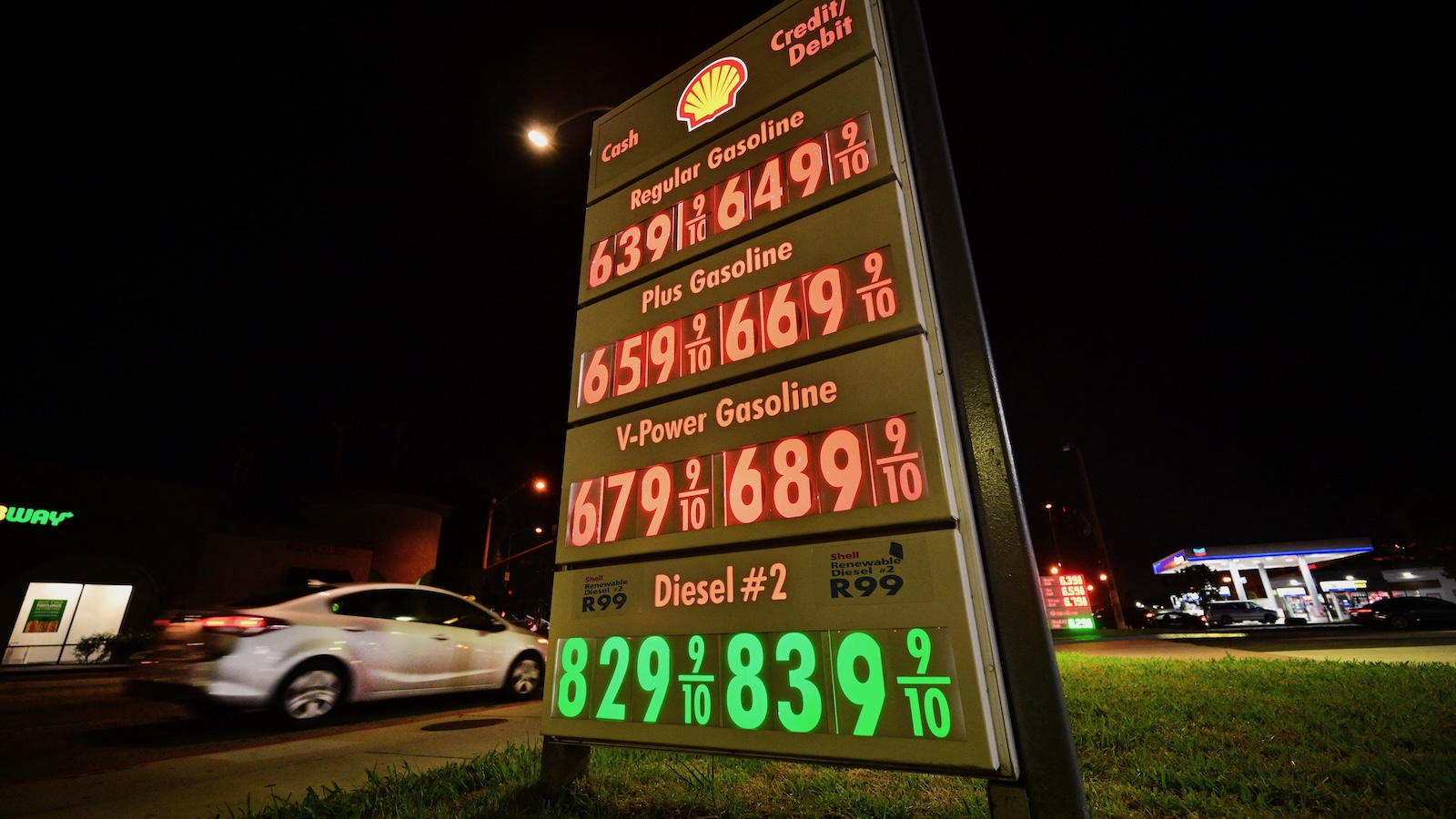
The core of the policy dispute centers on whether domestic export controls can effectively isolate the American market from global pricing pressures.
Proponents of an export ban contend that redirecting millions of gallons of refined diesel destined for foreign markets back into the domestic distribution network would create an immediate supply glut, forcing suppliers to lower prices to clear inventory. Jeff Colgan, a political scientist at Brown University and co-creator of the Iran War Cost tracking dashboard, suggested that such a policy could “make a huge difference” in alleviating immediate household and corporate pain.
Tyson Slocum, energy program director for the consumer advocacy organization Public Citizen, argues that the current political discourse suffers from a lack of nuance. Slocum contends policymakers incorrectly frame the issue as a binary choice between completely unfettered exports and a total embargo. According to Slocum, implementing partial restrictions on the volume of diesel shipped overseas could trigger a significant, immediate short-term reduction in domestic prices without permanently destabilizing the refining sector.
Conversely, free-market analysts and petroleum experts argue that a U.S. export ban would fail to achieve its intended objective because petroleum products trade in an interconnected global marketplace. Patrick De Haan, head of petroleum analysis for GasBuddy, emphasized this dynamic on social media, stating, “U.S. diesel prices are determined not by a U.S. supply and demand balance, but a global one. Keeping distillates and diesel home does not change the world price.”
Industry Opposition and Warning of Unintended Consequences
Major representatives of the domestic energy sector have launched a robust defense of open trade, warning that any attempt to restrict diesel exports would severely backfire.
The American Fuel & Petrochemical Manufacturers (AFPM) released a sharply worded statement arguing that government intervention would aggravate the underlying market imbalances. “Export bans do not create more fuel for Americans,” the organization stated. “They reduce U.S. fuel production, put upward pressure on prices, weaken energy security and hand market share to foreign competitors.”
These concerns are echoed by political figures representing major energy-producing states. Republican Senator John Cornyn of Texas dismissed the proposed export ban as a mere “gimmick.” Similarly, Interior Secretary Doug Burgum cautioned in media appearances that restricting foreign sales could inadvertently inflict deeper financial harm on American citizens by discouraging refinery investment and lowering overall domestic production capacity.
The legislative path forward remains highly uncertain. While Democratic lawmakers have historically pursued export restrictions during prior energy crises—such as proposals floated during the Biden administration in 2021 and earlier this year—many members of the opposition party have viewed the current Republican pivot with skepticism. Senator Peter Welch of Vermont characterized the president’s rhetoric as political posturing, stating, “Trump is all smoke and mirrors. If he’s serious about lowering prices of oil, gas, and home heating oil, he needs to end his illegal war with Iran.”
Implications for the Future
Prior to the president’s public statements in New York, White House officials indicated that an export ban was not under active consideration by the administration. It remains unclear whether the president’s remarks signal a formalized shift in executive policy, or whether the proposal can generate the necessary bipartisan momentum in Congress to pass binding legislation.
As record-high fuel costs continue to drain the financial reserves of everyday citizens and threaten the stability of the agricultural and logistics sectors, the debate over diesel exports underscores the complex challenges of managing energy security during times of international conflict. Whether policymakers opt for aggressive trade interventions or allow global market forces to dictate pricing, the resolution of the current crisis will have profound implications for the trajectory of the American economy.