Bridging the Inspiration Gap: Travel Brands Rethink Marketing Attribution in the Age of Social Video

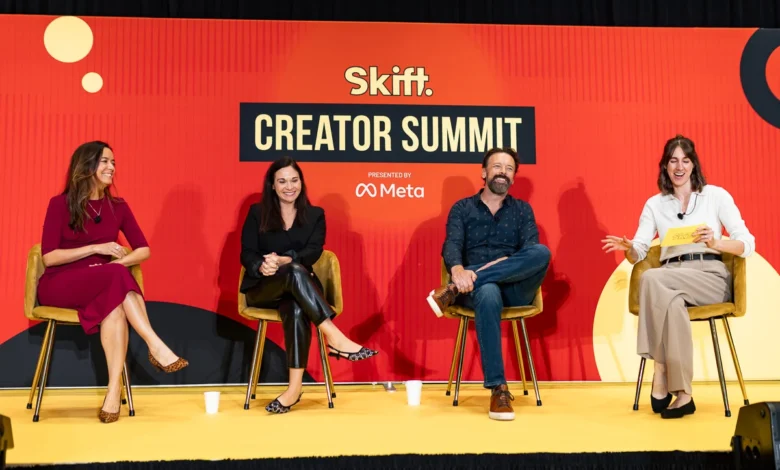
The modern consumer journey from digital inspiration to actual hotel booking has evolved into a complex, non-linear path, presenting significant challenges for travel brands attempting to measure the return on investment of their marketing campaigns. Speaking at the Skift Creator Summit in New York City on September 22, 2026, industry leaders from Meta Platforms, Hyatt Hotels Corporation, and Matador gathered to dissect the persistent disconnect between social media inspiration and finalized travel reservations.
With months frequently elapsing between the moment a user watches an immersive travel video on platforms like Instagram or TikTok and the final act of booking a flight or a hotel room, traditional metrics are failing to capture the true value of digital content. According to marketing experts, legacy attribution models are dangerously outdated, leaving hospitality brands and tourism boards blind to the profound influence of creator-driven video content on consumer behavior.
The Breakdown of Traditional Click-Based Attribution
At the heart of the modern travel marketing dilemma is the reliance on click-based attribution. For decades, digital marketers have depended on simple metrics: a user clicks an ad, visits a website, and completes a transaction. However, this narrow focus is fundamentally misaligned with how modern consumers interact with social media platforms, particularly as video consumption dominates the digital landscape.
During the panel discussion in New York City, Diana Lucas, Director of Marketing Science for North America at Meta Platforms, emphasized that traditional tracking methods miss the vast majority of a campaign’s actual impact. Lucas noted that video now accounts for a staggering 60% of all content consumed across Instagram and Facebook. When a user watches a cinematic, highly engaging reel of a resort in Bali or a boutique hotel in Paris, they rarely click a "Book Now" button immediately. Instead, the content plants a seed, initiating a long-tail consideration phase that spans weeks or even months.
Relying solely on last-click attribution models means travel brands are routinely undervaluing social media platforms and creator partnerships. Because consumers use social channels for discovery and inspiration rather than immediate transactional checkout, brands that cut budgets based on poor direct-click conversion rates risk severing the vital top-of-funnel pipeline that drives long-term brand awareness and future bookings.
The Evolving Consumer Journey in Travel
The journey from wanderlust to check-in has always been multi-step, but the proliferation of short-form video has accelerated the inspiration phase while complicating the tracking process. Modern travelers are inundated with hyper-personalized content tailored to their precise travel preferences, aesthetic desires, and budget constraints.
A typical travel consumer’s timeline might begin with an algorithmic recommendation on TikTok or Instagram Reels. Over the subsequent weeks, the user encounters retargeting ads, reads reviews, consults travel blogs, and compares pricing across multiple online travel agencies (OTAs) before finally returning to a brand’s direct website to complete a reservation.
Because this journey spans multiple devices, platforms, and touchpoints, attributing the final sale to a single marketing channel has become an exercise in futility. Hospitality executives are increasingly realizing that the traditional marketing funnel has collapsed into a continuous loop of inspiration, evaluation, and booking. Consequently, travel brands are being forced to overhaul their analytics infrastructure to capture "view-through" conversions and indirect influence, rather than celebrating only those users who convert on their first direct interaction with an ad.

Industry Perspectives: Balancing Loyalty, Creation, and Data
The challenges of attribution do not exist in a vacuum; they directly impact how major hospitality players allocate their marketing budgets and structure their partnerships with content creators. Laurie Blair, Senior Vice President of Global Marketing and Loyalty at Hyatt, joined the discussion to offer a major hotel brand’s perspective on balancing traditional loyalty programs with modern creator-led marketing.
For global hotel chains like Hyatt, the objective is twofold: acquiring new customers who may have discovered the brand via social media, and nurturing existing loyalty program members who value consistent experiences and points accumulation. Blair highlighted the difficulty of proving the financial value of creator partnerships to corporate stakeholders who are accustomed to immediate, quantifiable returns on ad spend. While top-of-funnel awareness generated by creators is undeniably valuable, translating those views into World of Hyatt sign-ups or direct bookings requires sophisticated, cross-channel data integration.
Meanwhile, Ross Borden, Founder and CEO of Matador, brought the publisher and creator ecosystem perspective to the forefront. Borden has long advocated for the power of native, authentic storytelling over traditional corporate advertising. Creators succeed in the travel space because they build communities based on trust and shared experiences. When a trusted creator recommends a destination or a hotel property, their audience listens not because they are viewing a corporate advertisement, but because they value the creator’s curated expertise.
However, Borden pointed out that creators themselves often suffer when brands rely on flawed attribution metrics. If a brand evaluates a creator campaign solely on direct affiliate link clicks rather than broader brand lift, engagement rates, and long-term audience growth, creators may be undercompensated for the foundational inspiration they provide.
The Broader Implications for Travel Marketing Budgets
The insights shared at the Skift Creator Summit signal a broader, necessary shift in how the travel industry measures success. As marketing science evolves to embrace more holistic measurement frameworks—such as incrementality testing, media mix modeling (MMM), and advanced multi-touch attribution—travel brands must adapt or risk misallocating millions of dollars in advertising capital.
First, hospitality brands are moving away from short-term performance marketing silos and toward integrated brand-performance strategies. Recognizing that video content drives delayed conversions means marketing teams must secure longer funding cycles for brand awareness campaigns, allowing creators and social platforms adequate time to influence consumer decision-making.
Second, tech platforms like Meta are under mounting pressure to provide more sophisticated attribution tools that help brands connect the dots between passive video consumption and active booking behavior. This includes developing privacy-safe measurement solutions that respect consumer data regulations while still offering marketers clearer visibility into the consumer journey.
Ultimately, the consensus among industry leaders in New York is clear: the inspiration gap is real, but it is manageable. By abandoning the illusion of instant, click-based certainty and embracing the nuanced, long-tail reality of social video consumption, travel brands can build more resilient, effective marketing strategies that accurately reflect how the modern world dreams, plans, and books its travels.