Rare Two-Headed Diamondback Terrapin Hatches on Cape Cod, Highlighting Unusual Developmental Anomalies in Protected Wildlife

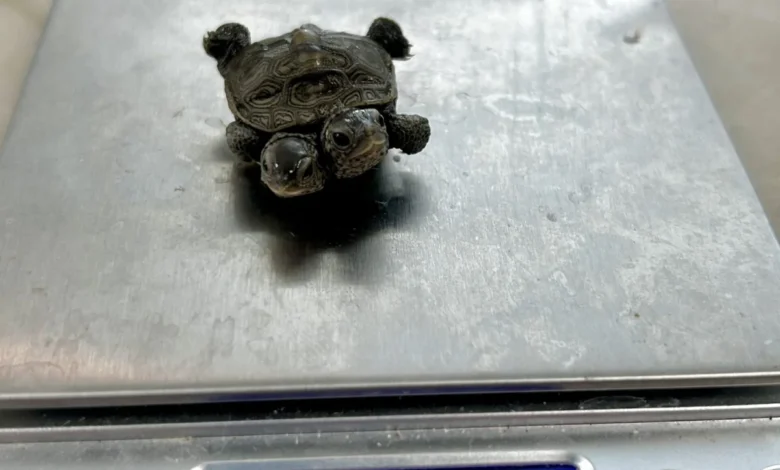
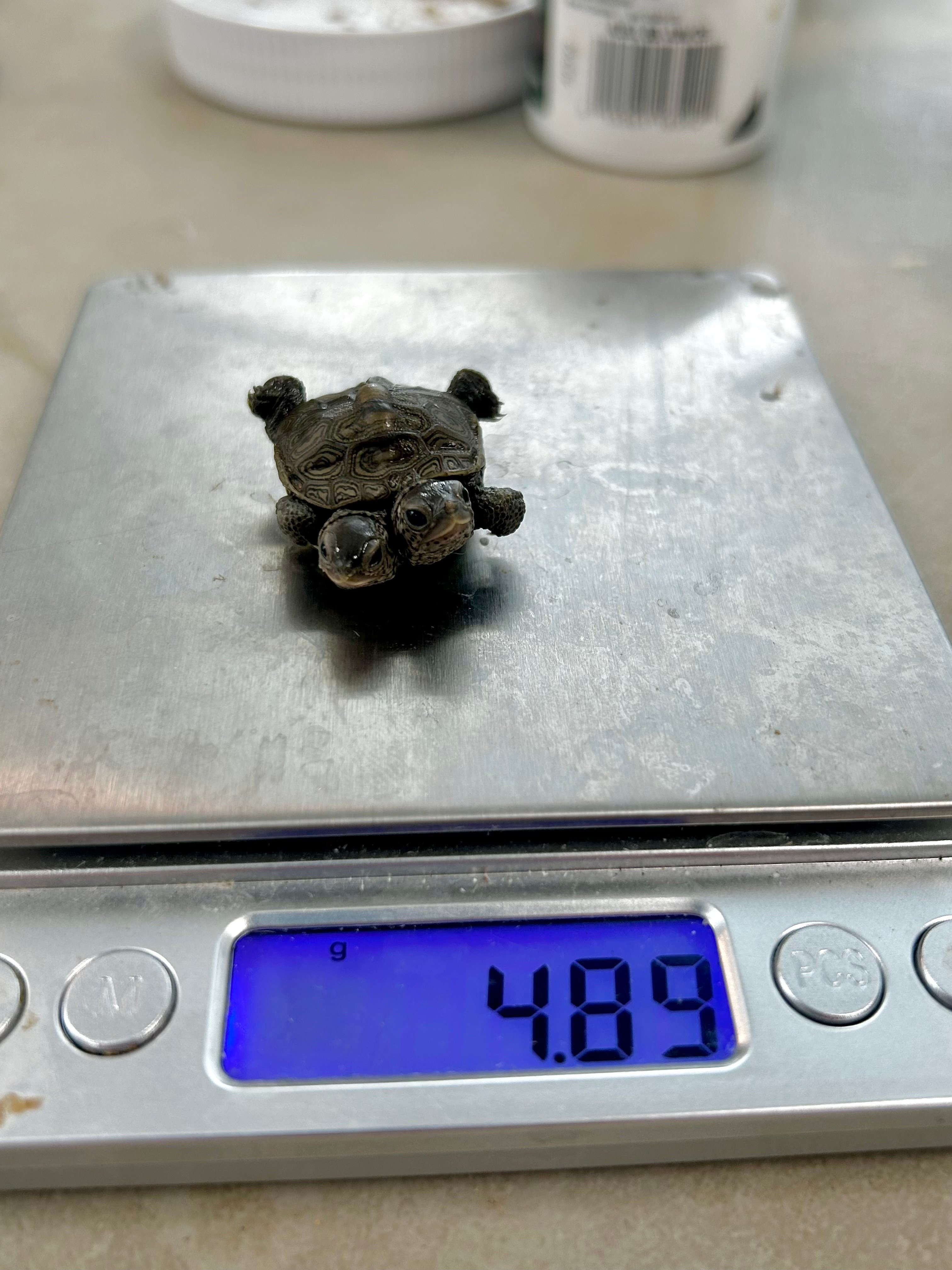
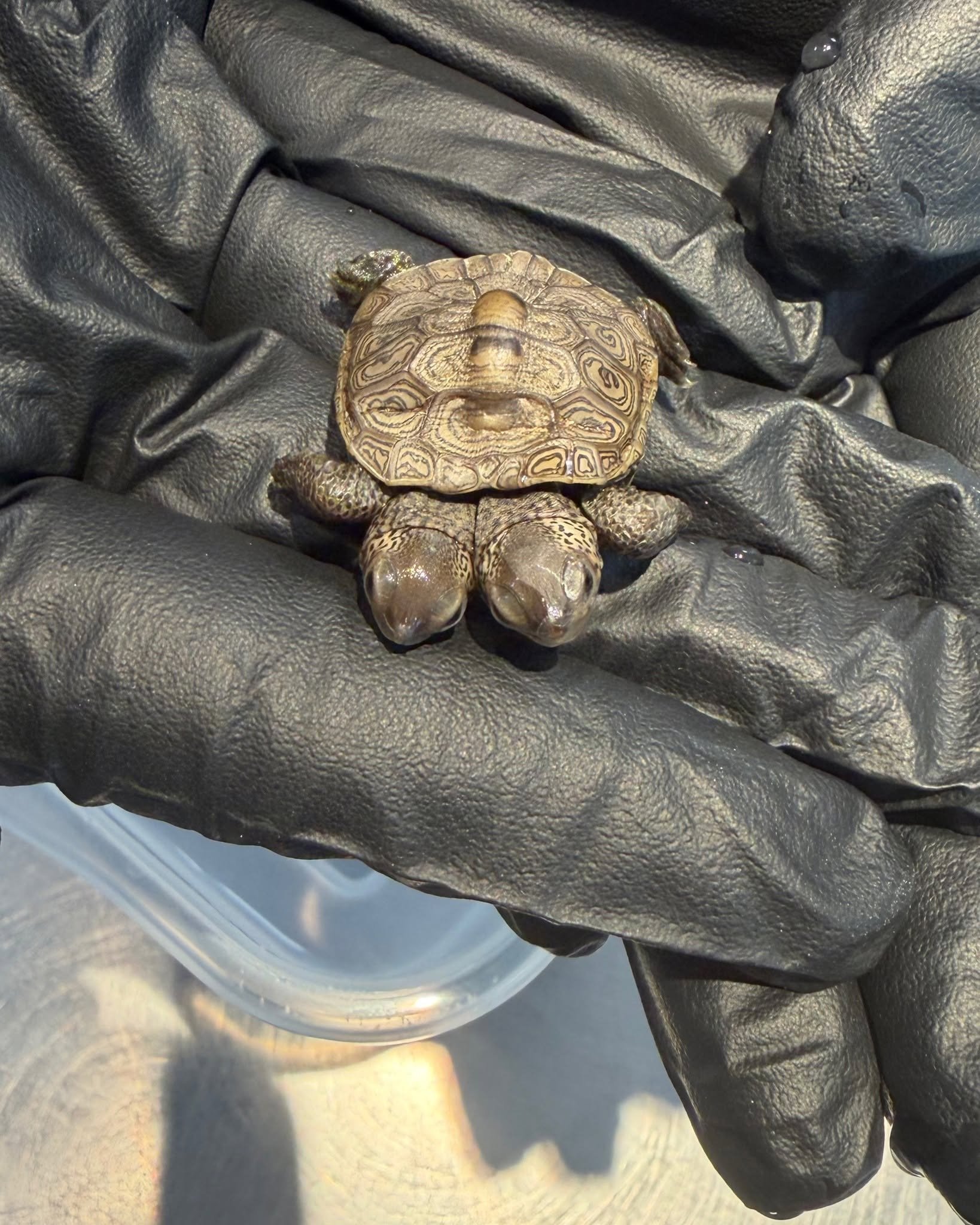
Wildlife rehabilitators in Massachusetts are closely monitoring an extraordinary new arrival: a tiny, bicephalic diamondback terrapin that weighs less than a standard nickel. Hatched from a protected nesting site in Wellfleet, Cape Cod, the two-headed reptile represents a fascinating encounter with a rare natural phenomenon known as bicephaly. Transferred to the Cape Wildlife Center by the Mass Audubon Wellfleet Bay Wildlife Sanctuary, the hatchling has quickly captured the attention of biologists and conservationists alike, sparking discussions regarding embryonic development, genetic anomalies, and the conservation status of coastal turtle species in the northeastern United States.
Main Facts and the Discovery of the Bicephalic Hatchling
The infant reptile belongs to the species Malaclemys terrapin, commonly known as the diamondback terrapin. These distinct estuarine turtles inhabit brackish waters, salt marshes, and tidal creeks along the Atlantic and Gulf coasts of the United States. In Massachusetts, the northern diamondback terrapin holds a designated status as a threatened species under the Massachusetts Endangered Species Act due to habitat loss, roadway mortality during nesting seasons, and historical harvesting. Nationally, the broader conservation status of the species remains under federal review by the United States Fish and Wildlife Service.
Upon arrival at the Cape Wildlife Center last week, veterinary staff and wildlife rehabilitators conducted initial assessments to determine the hatchling’s immediate health and viability. Weighing a mere fraction of an ounce—less than a standard nickel—the reptile possesses two fully formed heads attached to a single body and shell structure. Despite the inherent physiological challenges associated with bicephaly, initial behavioral observations indicate that the animal is remarkably alert. Both heads demonstrate active responses, frequently looking around and attempting to forage when food is presented.
Chronology and Background of Bicephaly in Local Populations
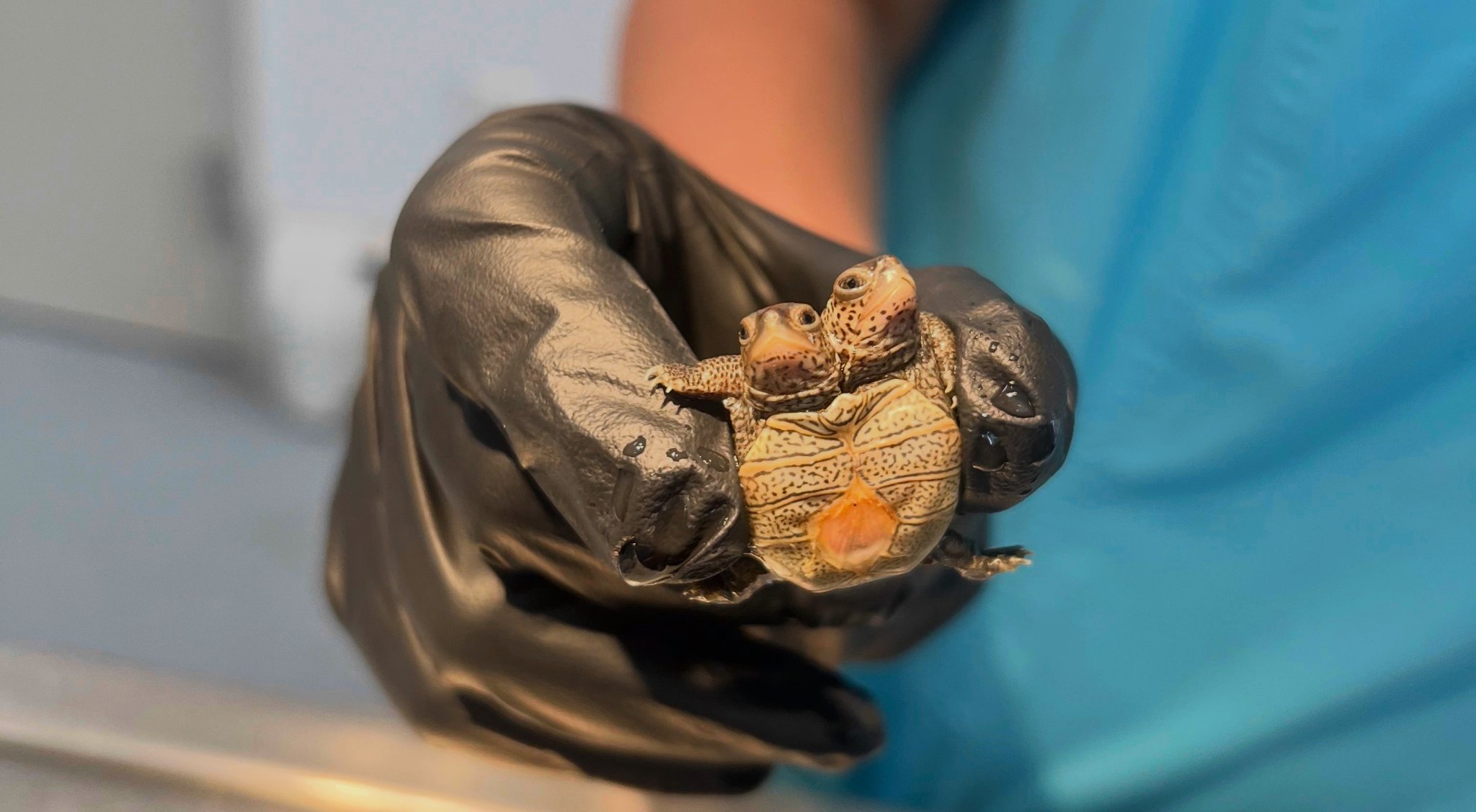
While a two-headed turtle might seem like a once-in-a-lifetime discovery for the average observer, professionals at the New England Wildlife Center networks are becoming increasingly familiar with the phenomenon. According to Zak Mertz, CEO of the New England Wildlife Centers, this individual marks the third set of bicephalic diamondback terrapin hatchlings brought to their facilities within the past six years.
The timeline of discovery typically aligns with the regional turtle hatching season, which spans from late summer through early autumn. Nests laid earlier in the spring and summer incubate in sandy coastal environments, where emerging hatchlings must navigate natural predators and environmental hurdles to reach the surface. In protected nesting areas managed by conservation groups, wildlife personnel monitor these sites closely to protect eggs from predators such as raccoons, foxes, and gulls. When abnormal hatchlings emerge, they are frequently routed to specialized rehabilitation facilities equipped to handle complex developmental anomalies.
Understanding the Science of Bicephalic Embryology
Bicephaly, or the condition of having two heads, is an uncommon congenital defect that occurs across various vertebrate species, including reptiles, amphibians, birds, and mammals. In turtles and other oviparous (egg-laying) animals, the biological mechanism behind the condition is closely tied to embryonic cleavage.
Mertz explains that bicephaly typically originates during the earliest stages of embryonic development. When an embryo attempts to split—much like the biological process that produces identical twins—the separation process fails to complete fully. Depending on the stage at which the splitting halts and the axis along which it occurs, the resulting organism may develop duplicate heads, necks, or even duplicated forelimbs while sharing a single digestive, circulatory, and excretory system.
Crucially, experts note that each case of bicephaly features unique anatomical configurations. Some specimens share a minimal amount of internal anatomy, while others experience significant organ sharing beneath the carapace (shell). Early physical evaluations by the Cape Wildlife Center veterinary team suggest that this latest hatchling may possess slightly more shared internal anatomy than previous pairs documented by the center. However, definitive confirmation requires advanced diagnostic imaging.
Official Responses and Veterinary Protocols
The medical team at the Cape Wildlife Center is currently proceeding with cautious optimism. Because bicephalic reptiles often face severe internal complications—ranging from respiratory competition to neurological discrepancies—rehabilitators avoid making premature projections regarding the animal’s long-term survival.
Veterinarians use behavioral indicators, such as alertness, muscle tone, and feeding responsiveness, as a primary barometer for the animal’s comfort and health. "We are monitoring and making sure they’re bright and alert, they’re reactive," Mertz noted. "We’re making sure that we’re offering food and that both heads are active and looking around and trying to eat. So far they are, which is awesome."
To establish a comprehensive understanding of the hatchling’s prognosis, the veterinary team plans to perform advanced imaging procedures, potentially utilizing digital radiography or computed tomography (CT) scans. These diagnostic tools will illuminate the interior structure of the turtle, mapping out the degree to which the two heads share vital organs, spinal columns, and circulatory pathways.
Furthermore, because the turtle is currently in a critical juvenile growth phase, its exact sex remains undetermined. Sex determination in diamondback terrapins—as with many reptile species—is temperature-dependent during incubation and is typically verified through anatomical maturity or diagnostic scoping as the animal develops.
Broader Impact, Conservation Implications, and Future Outlook
The discovery of the bicephalic diamondback terrapin offers more than just a remarkable public interest story; it provides researchers with valuable data regarding developmental biology in wild reptile populations. While congenital malformations can sometimes be linked to environmental teratogens, pollution, or extreme incubation temperatures, bicephaly also occurs spontaneously as a rare genetic and developmental accident of nature without direct anthropogenic causes.
In the context of regional conservation, the find underscores the intensive monitoring efforts dedicated to protecting threatened species like the diamondback terrapin. By safeguarding nesting sites and responding rapidly to anomalous births, conservation organizations gather critical insights into the baseline health of local ecosystems.
As for the immediate future of the two-headed terrapin, wildlife officials have yet to reach a definitive decision regarding whether the animal can eventually be released into the wild. In many cases of severe bicephaly, long-term survival in natural habitats is exceptionally difficult due to impaired mobility, slower reaction times against predators, and competition between the two heads for resources. If advanced imaging reveals complex shared anatomy that compromises its ability to thrive independently, the turtle may become a permanent resident in an educational or zoological facility.
For now, the priority remains specialized supportive care, meticulous observation, and ongoing diagnostic evaluation. As the Cape Wildlife Center team continues to study this extraordinary hatchling, the turtle serves as a fragile yet resilient reminder of the complex and unpredictable wonders of the natural world.