When used correctly, child safety seats reduce the risk of fatal injury by up to 71 percent for infants and toddlers, serving as one of the most vital interventions in modern automotive history. According to data from the National Highway Traffic Safety Administration (NHTSA), motor vehicle crashes remain the leading cause of death for children between the ages of one and 13 in the United States. Yet, despite their current status as sophisticated life-saving devices subjected to extreme crash-test simulations and rigorous regulatory standards, the child car seat has a surprisingly precarious history. Early designs prioritize parental convenience and passenger containment over crash survival, evolving from unpadded metal frames hung over front seats into the highly engineered, rear- and forward-facing restraint systems standard today.
Early Origins: Containment Over Crash Protection
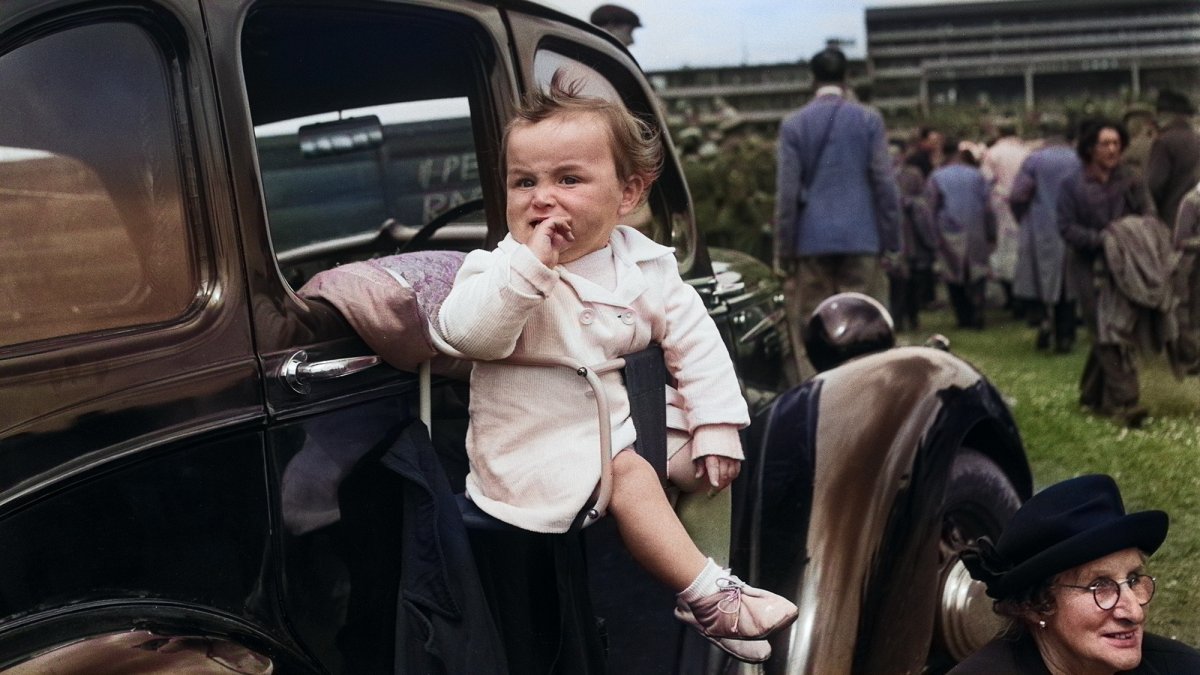
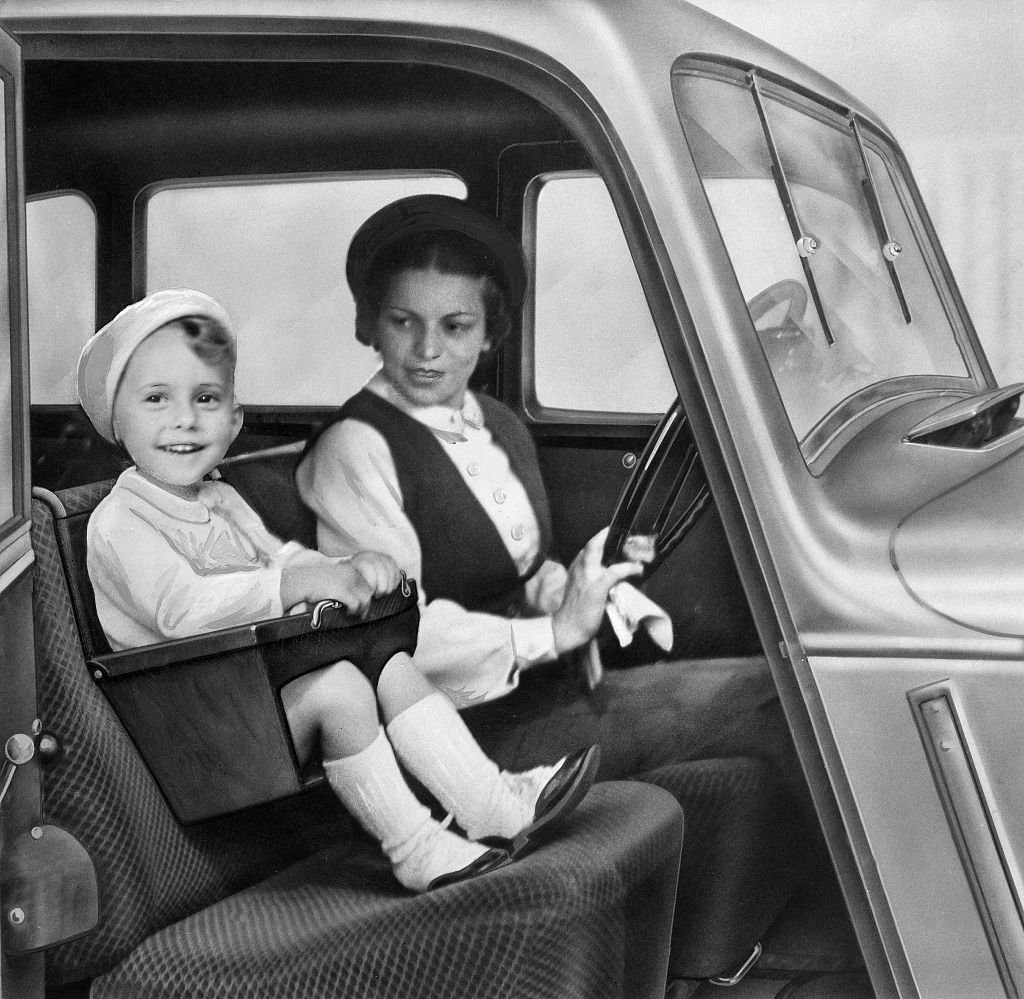
In the formative decades of the automotive industry during the 1930s and 1940s, vehicles lacked standardized safety infrastructure. Seat belts were not yet common, and airbags were decades away from commercial realization. Consequently, child seats of this era were not engineered to absorb kinetic energy during a collision. Instead, patents and commercial models functioned primarily as booster perches or enclosed enclosures designed to keep infants and toddlers from wandering around the cabin, climbing onto the floorboards, or interfering with the gas pedal, clutch, and brake pedals.
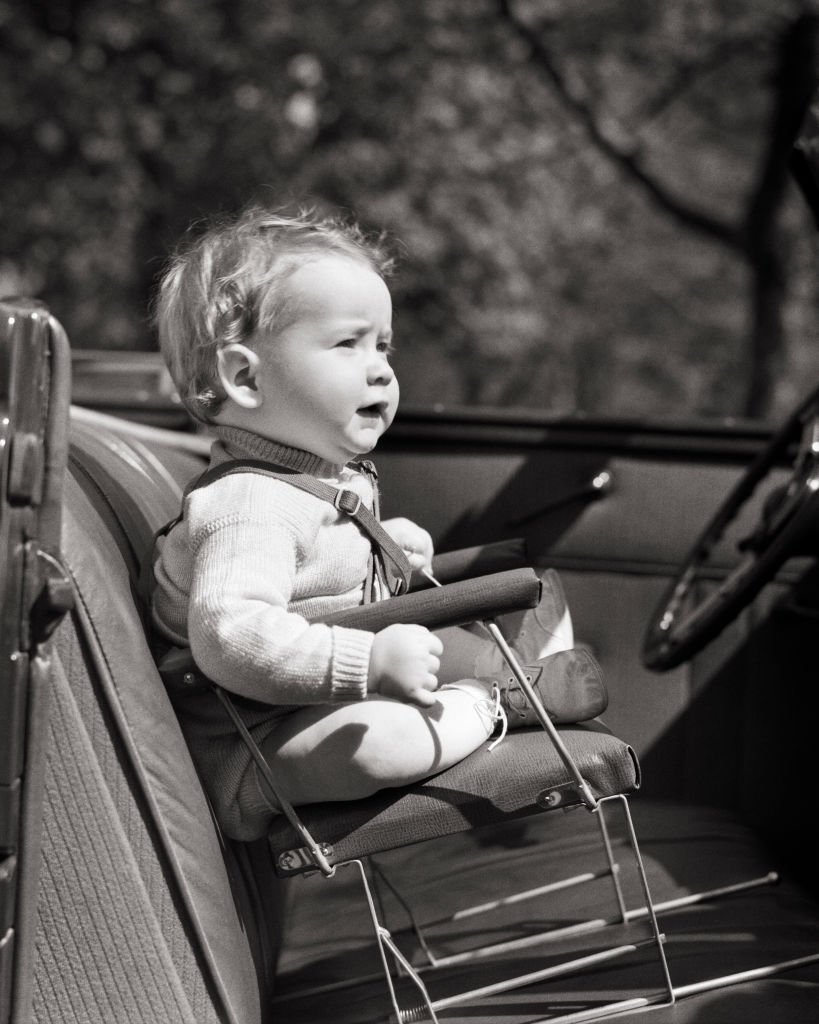
Some early models even featured metal frameworks designed to hang over the back of the front bench seat, exposing young passengers to the full force of a sudden stop or frontal impact. Furthermore, young children frequently rode unrestrained in the front passenger seat alongside the driver—a practice that modern safety guidelines strictly prohibit for children under the age of 12 due to the lethal risk posed by deploying airbags and direct dashboard impact.
The Shift Toward Engineering Standards: The 1960s and 1970s
The landscape of child passenger safety began to shift in the 1960s as automotive engineers and public health advocates recognized the catastrophic toll of motor vehicle accidents on young passengers. In 1962, British journalist and mother Jean Ames invented the Jeenay Car Seat, a pioneering design that featured a foam padding layer and a three-point harness system. Crucially, the Jeenay Car Seat was the first children’s restraint specifically engineered to be installed in the rear seat of a vehicle, recognizing that the back of the car offered a safer zone away from the primary impact zone of a frontal collision.
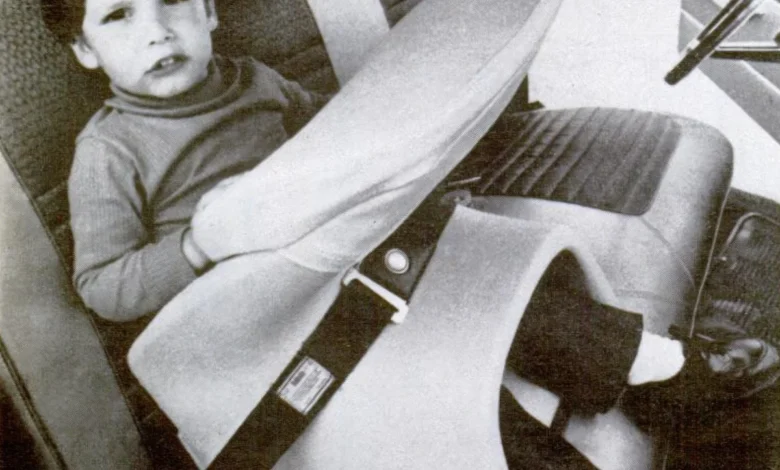
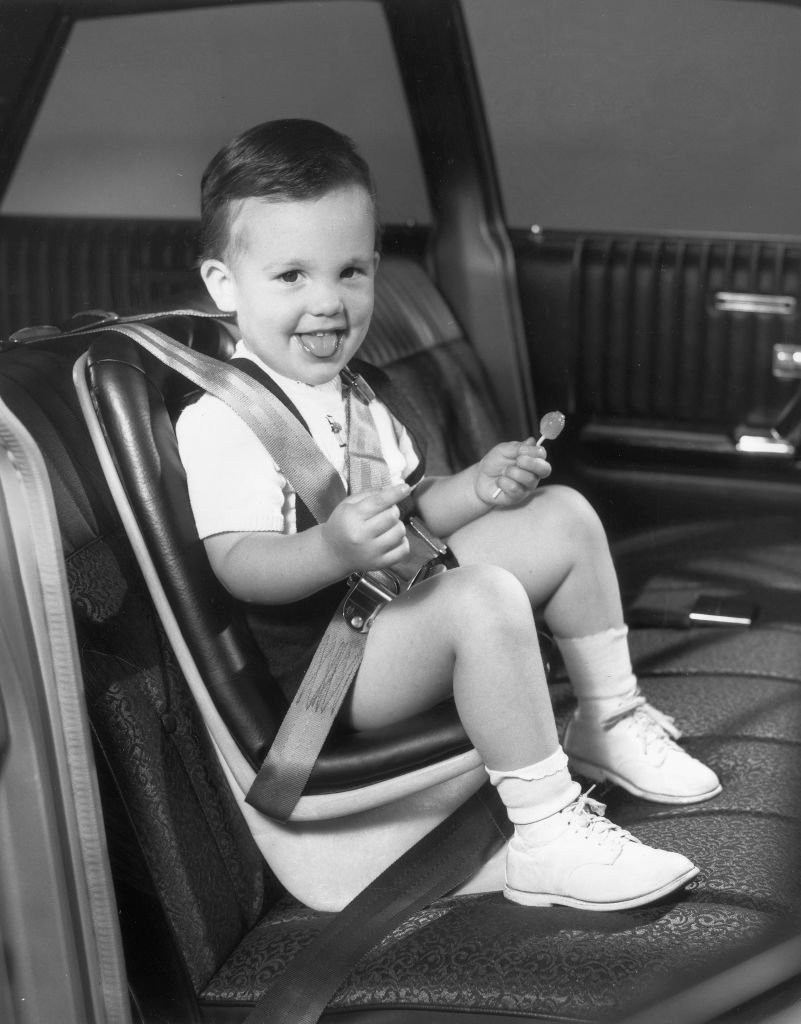
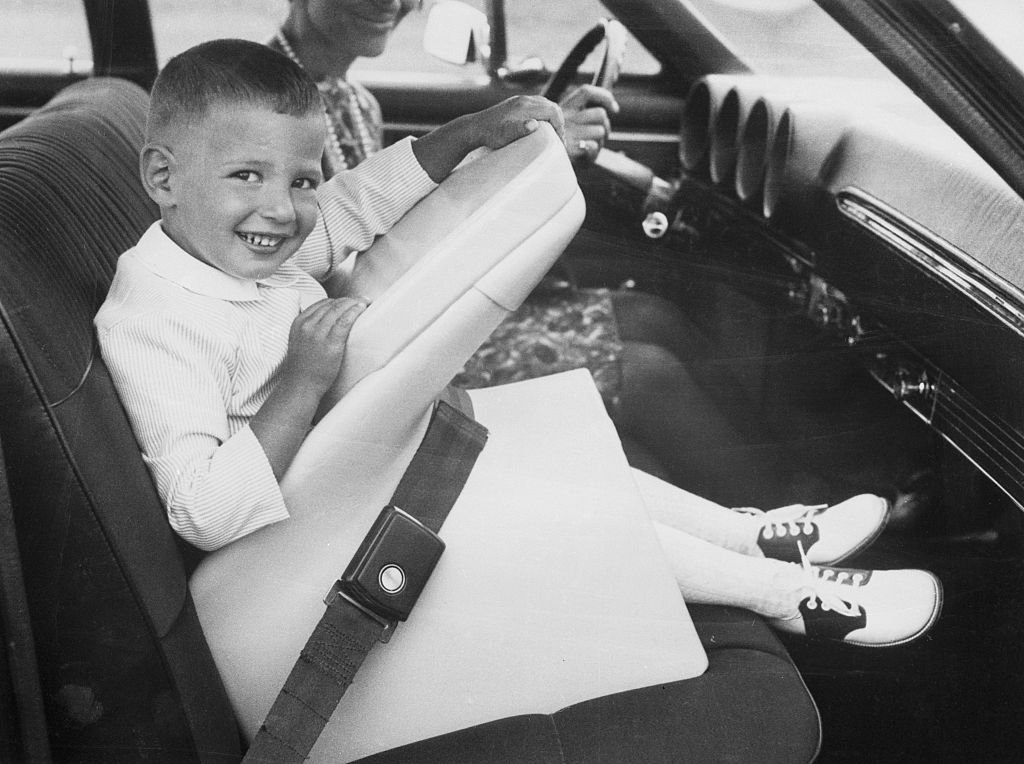
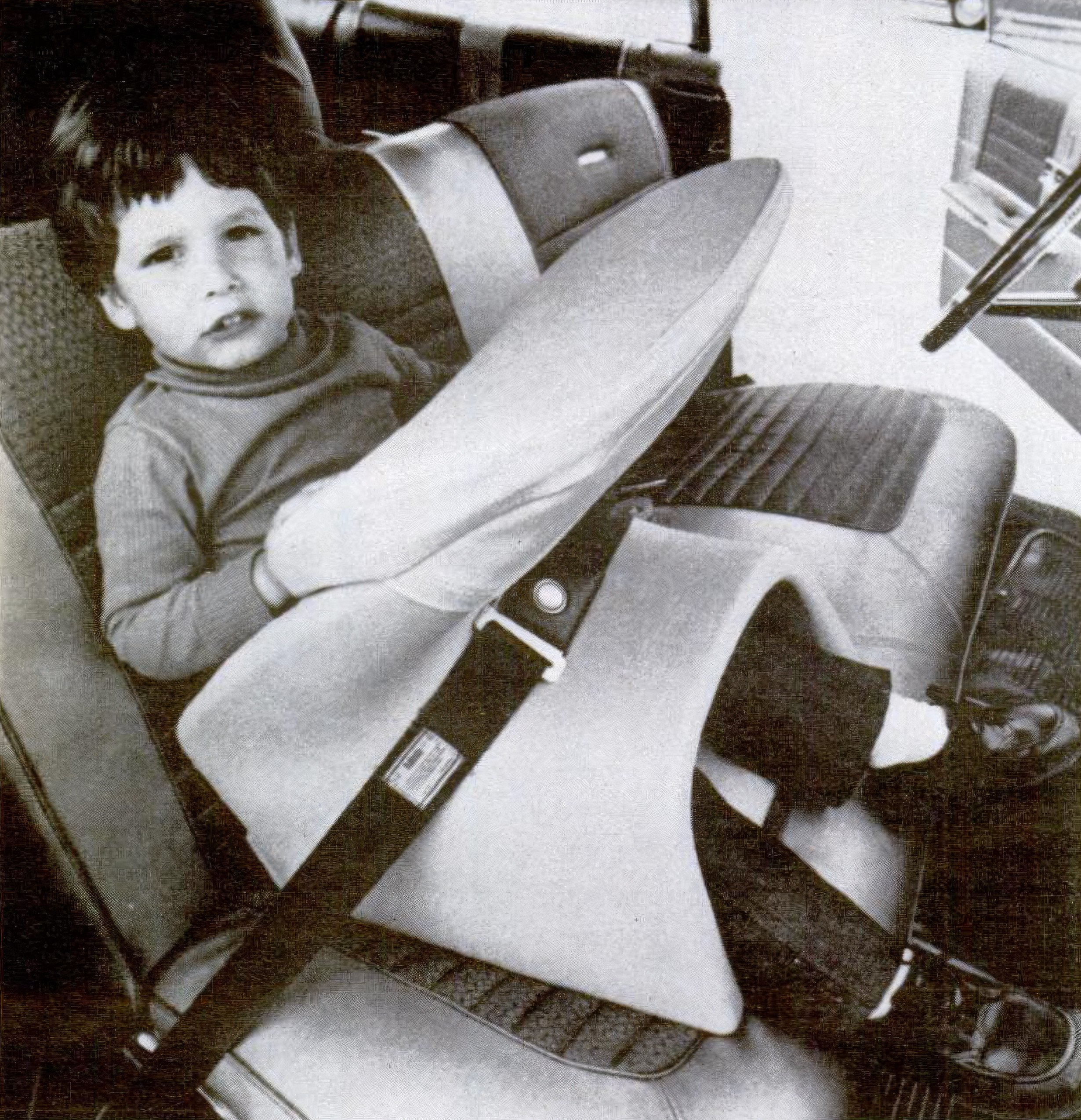
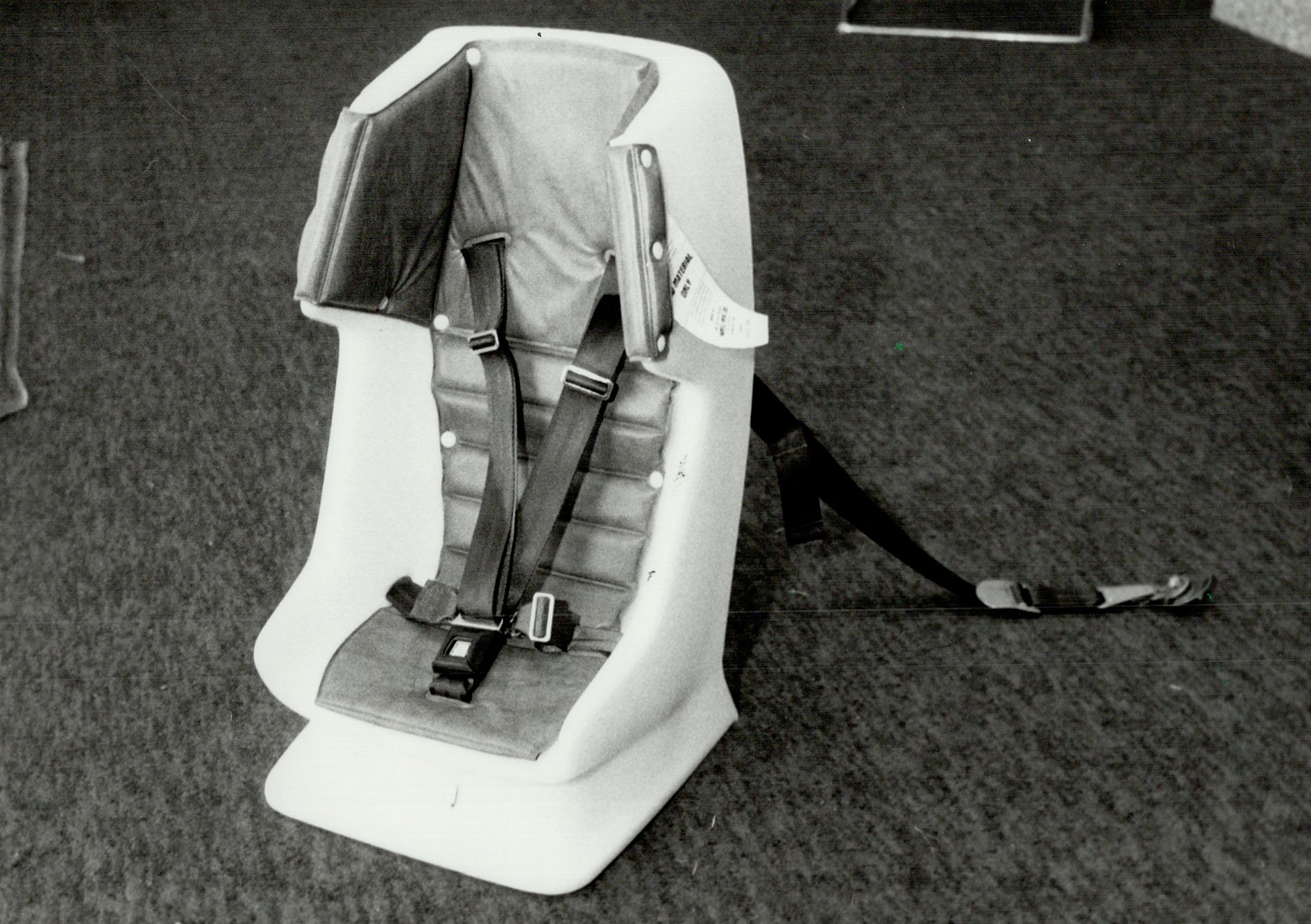
By 1967, the Ford Motor Company introduced the "Tot Guard," a forward-facing child restraint that retailed for $24.95 (equivalent to approximately $200 today). The Tot Guard departed from traditional harness designs by incorporating a large, padded shield positioned in front of the child. According to contemporary reviews in the May 1972 issue of Popular Science, the shield was engineered to cushion a child’s face and head in the event of a frontal crash, held in place by a standard lap belt wrapped around the exterior of the device to distribute crash forces and prevent localized belt injuries.
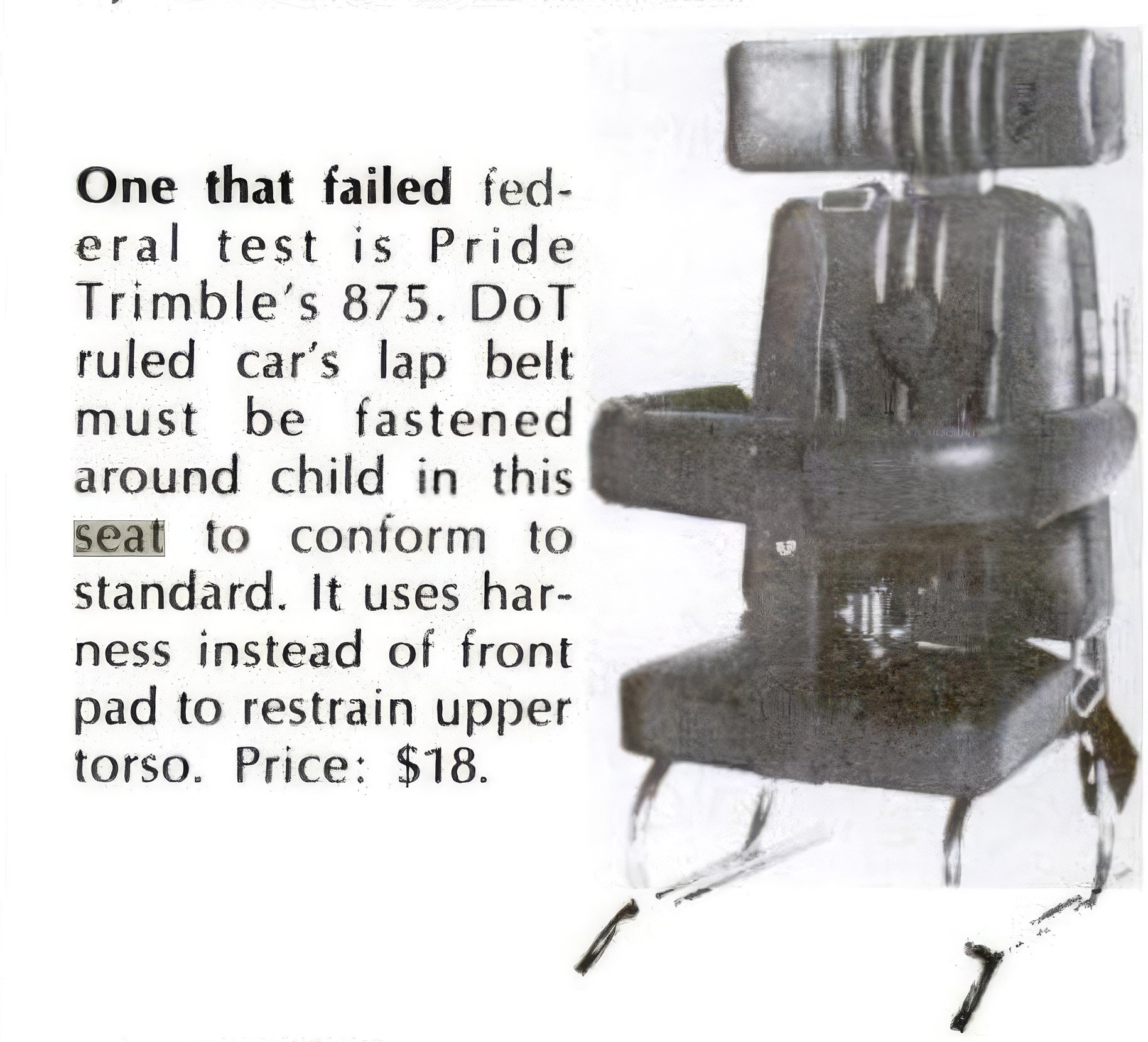
However, the industry lacked comprehensive federal oversight, leading to wide variations in product reliability. In the early 1970s, manufacturers such as Pride Trimble produced models like the 875, which retailed for roughly $18 (approximately $150 today). Investigative reporting and testing featured in Popular Science’s May 1972 feature, "Safe or Unsafe? The Truth About Car Seats," revealed that many commercially available models failed standard structural integrity evaluations. Out of 15 child safety restraints tested by the Consumers Union (now Consumer Reports) in 1972, an alarming 12 failed, exposing systemic vulnerabilities in the market and intensifying calls for mandatory federal safety standards.
Regulatory Milestones and Global Initiatives
The legislative framework governing child safety seats developed incrementally across North America and Europe throughout the late 1970s and 1980s. In 1980, Canada became a regulatory leader by mandating that all forward-facing child safety seats be anchored with a top tether strap attached directly to the vehicle frame to prevent the seat from pitching forward during a collision. By contrast, top tethers did not become a mandatory requirement in the United States for another two decades.
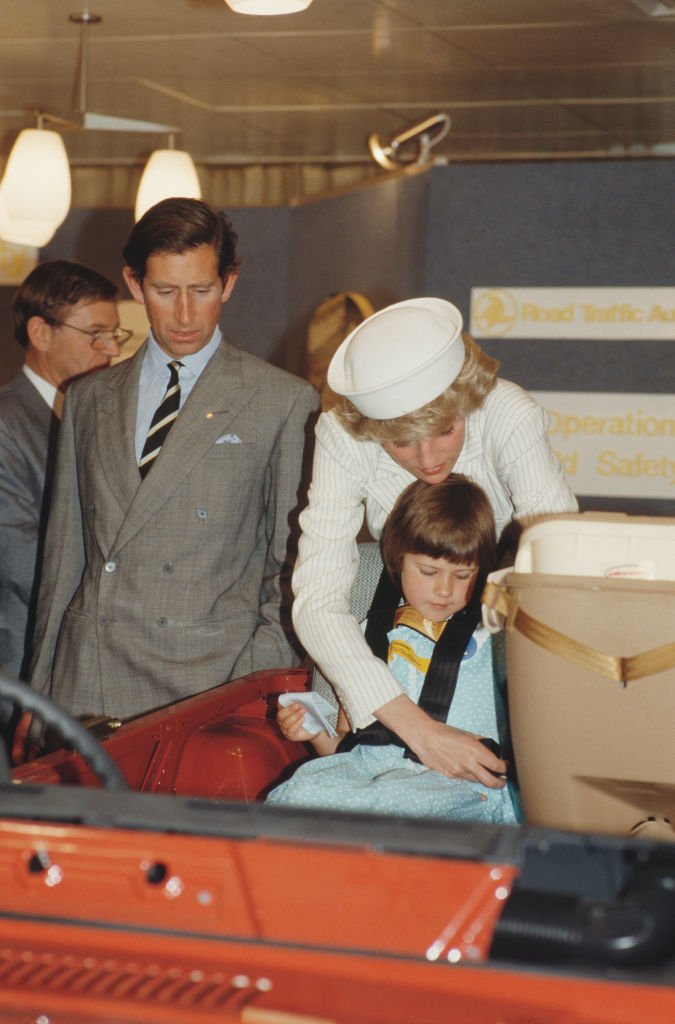
By 1985, every U.S. state, along with the District of Columbia and Puerto Rico, had enacted legislation making the use of child car seats legally mandatory. Governments worldwide initiated public health campaigns to ensure equitable access to these devices. In 1985, the Australian government launched the Bassinet Loan Scheme through the Road Traffic Authority, distributing low-cost infant restraints to parents in municipalities across Victoria. By March 1988, the initiative had successfully distributed over 13,200 car seats. The campaign gained international visibility with the support of the British royal family, featuring high-profile appearances by Princess Diana and then-Prince Charles.
The 1990s and 2000s: Aesthetic Evolution and Technological Debates
During the 1990s, child car seats became ubiquitous across Western households, reflecting the maturation of safety laws. Design aesthetics shifted toward consumer preferences, introducing brightly colored, geometric fabric patterns alongside improvements in side-impact protection and harness adjustment mechanisms.
National safety campaigns continued to drive behavioral change. In 2000, the British government launched the "THINK!" road safety campaign, setting ambitious targets to reduce child traffic fatalities by 50 percent by 2010.
Despite these advancements, design controversies occasionally arose. In February 2002, Popular Science featured a rear-facing infant car seat developed by Xportation Safety Concepts Inc. designed to be mounted in the front passenger seat. The concept drew immediate criticism from automotive safety experts and pediatricians who warned of the extreme dangers posed by passenger-side airbags. The U.S. government ultimately refused to approve the product for public use, underscoring the strict boundary between theoretical engineering and empirically proven crash safety.
On September 18, 2006, the United Kingdom enacted sweeping legislation requiring all children under 12 years of age, or under four feet and five inches in height, to travel exclusively in an approved child safety seat suited to their weight and height.
Modern Testing and Future Implications
Today, child car seats undergo exhaustive evaluation protocols that simulate severe real-world crash dynamics. Modern testing facilities subject restraints to simulated high-speed impacts at velocities exceeding 35 miles per hour, evaluating structural retention, energy absorption, and compliance with stringent flame-retardant standards.
The evolution of the child car seat illustrates a broader paradigm shift in public health and automotive engineering: transforming automobiles from unregulated mechanical conveyances into safety-conscious environments. While early motorists relied on makeshift wire frames and precarious perches, contemporary parents benefit from decades of rigorous crash testing, biomechanical research, and legislative mandates. These innovations ensure that the most vulnerable passengers are afforded the highest possible standard of protection on modern roadways.