Tom Cruise and Alejandro González Iñárritu deliver a polarizing cinematic experience with the debut of Digger

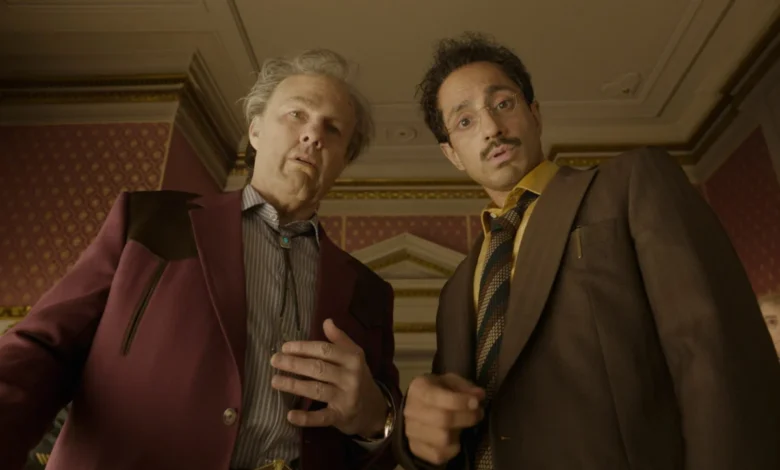
The highly anticipated collaboration between global superstar Tom Cruise and Academy Award-winning director Alejandro González Iñárritu, titled Digger, has officially screened for the film press, igniting a firestorm of debate that underscores the experimental nature of the project. A satirical black comedy that defies traditional genre categorization, the film has left critics sharply divided, with responses ranging from declarations of it being a visionary masterwork to dismissals of it as an unfocused, unpleasant experiment. As the October 1 release date via Warner Bros. approaches, the industry is left to wonder whether this bold departure from the standard blockbuster template will alienate mainstream audiences or secure a place in the upcoming awards season conversation.
A Narrative Departure from the Cruise Brand
Digger serves as a significant pivot point for Tom Cruise, who has spent the better part of the last decade tethered to high-octane action franchises, most notably the Mission: Impossible series and Top Gun: Maverick. In this new feature, Cruise portrays Digger Rockwell, a wealthy and enigmatic tycoon tasked with mitigating a global environmental catastrophe sparked by a massive failure at one of his offshore oil rigs. The role is a distinct departure from the heroic, unflappable archetypes that have defined his recent career, requiring a level of physical and psychological transformation that has been the subject of industry speculation for months.
The film features an ensemble cast, including Riz Ahmed, John Goodman, Sandra Hüller, Michael Stuhlbarg, and Jesse Plemons, all of whom play pivotal roles in a narrative that attempts to deconstruct the absurdity of corporate power in the face of planetary collapse. By moving away from the "hero" archetype, Cruise is signaling a return to the character-driven dramas that punctuated his filmography in the late 1990s and early 2000s, such as Magnolia and Eyes Wide Shut. However, the reception of Digger suggests that this transition is as jarring for the audience as it is ambitious for the filmmaker.
The Critics’ Divide: A Study in Polarization
The critical response to Digger has been characterized by a lack of consensus, a rarity for a project of this magnitude. Jim Hemphill of IndieWire stands among the film’s strongest supporters, describing it as "one of the most visually inventive, conceptually audacious, and unpredictable studio movies ever made." Hemphill went as far as to argue that the film’s aesthetic boldness makes Iñárritu’s previous divisive work, Bardo, appear conventional by comparison.
Conversely, the sentiment among several other veteran journalists has been far more critical. Joey Magidson of Awards Radar labeled the film a "mess," noting that the project struggles to find its footing despite the evident commitment of its cast and the high quality of the production design. Edward Douglas echoed this sentiment, predicting that the film might face a challenging reception from the general public, specifically citing a potential "horrendous" CinemaScore. The consensus among the detractors is that while the film’s premise is provocative, its execution—specifically the tonal shifts between high-concept satire and somber, meta-commentary—creates a dissonance that prevents it from resonating on a consistent emotional level.
Production and Transformation: The Technical Challenge
A significant portion of the pre-release buzz surrounding Digger has centered on the physical transformation of Tom Cruise. To embody the character of Digger Rockwell, the production team utilized extensive prosthetic makeup. Reports from the set indicate that the initial application process required six hours to complete. In an industry known for patience, Cruise reportedly pushed back, working with the makeup department to streamline the process.
"I had a guy there with a stopwatch and I’m like, ‘OK, you see that time, six hours? By the time we’re done, we’re going to get it under an hour,’" Cruise noted during a recent appearance on the New Heights podcast. Through a rigorous process of "drilling and practicing," the team eventually succeeded in reducing the application time to under 60 minutes. This dedication to technical efficiency is a hallmark of Cruise’s production style, yet it highlights the lengths to which the actor went to ensure the character’s physical appearance did not compromise the shooting schedule.
Contextualizing the Career Shift
To understand the stakes of Digger, one must look at the trajectory of Cruise’s career over the last two decades. Since 2014, the actor has focused almost exclusively on large-scale action spectacles. His last foray into a project with similar satirical or dramatic tones was the 2017 crime comedy American Made. One must look back as far as 2008’s Tropic Thunder or 2007’s Lions for Lambs to find Cruise engaged in the kind of ensemble, dialogue-heavy work that defines Digger.
The shift is significant because it challenges the "Cruise brand" that has been cultivated by his recent box-office dominance. Awards pundits had previously identified Digger as a potential contender for the upcoming Oscar cycle, but the current critical divide suggests that the film’s path to recognition may be more complicated. While the film is expected to perform well in technical categories like cinematography and production design, its chances in the acting categories will likely depend on whether the Academy embraces the polarizing nature of the performance or prefers the more traditional, heroic roles that have defined Cruise’s legacy.
Implications for the Studio and the Industry
The release of Digger by Warner Bros. represents a calculated risk for the studio. In an era where major studios are increasingly risk-averse, opting for "safe" sequels and established intellectual property, a high-budget, avant-garde satirical drama is an outlier. The financial implications are substantial; with a star of Cruise’s stature, the film carries expectations for broad commercial appeal, yet the film’s tonal complexity and dark subject matter are better suited for an arthouse audience.
The "wide divide" mentioned by Clayton Davis suggests that the film is a litmus test for the modern cinema-goer. It forces the audience to engage with a story that is not just a satire of current events, but a satire of the act of satire itself. For industry analysts, the ultimate test will be the film’s longevity in theaters. If the film can survive the initial wave of mixed reviews and generate word-of-mouth based on its "audacious" and "unpredictable" nature, it could serve as a model for how major stars can use their influence to champion unconventional storytelling.
Looking Ahead: The October Release
As the October 1 premiere approaches, the focus will shift from the reactions of a small group of critics to the broader public sentiment. The film’s success will likely depend on whether it is marketed as a standard Tom Cruise event film or as the challenging, artistic endeavor that Iñárritu has crafted. Given the director’s history with films like Birdman and The Revenant, audiences are likely aware that they are entering a complex, layered narrative.
However, the risk remains that the marketing campaign will clash with the reality of the film’s content, leading to a disconnect in audience expectations. Whether Digger is viewed as a bold triumph of the actor-director partnership or a cautionary tale of creative overreach, its release is certain to be one of the most discussed events of the 2026 film season. The industry is currently watching, waiting to see if this "baffling," "unpleasant," and "fascinating" experiment will ultimately leave a mark on the history of modern cinema or be relegated to the status of a high-profile curiosity. Only when the general public has the opportunity to weigh in will the true legacy of Digger be established.