Beyond Beer and Bratwurst: A Comprehensive Exploration of Germany’s Evolving Culinary Heritage

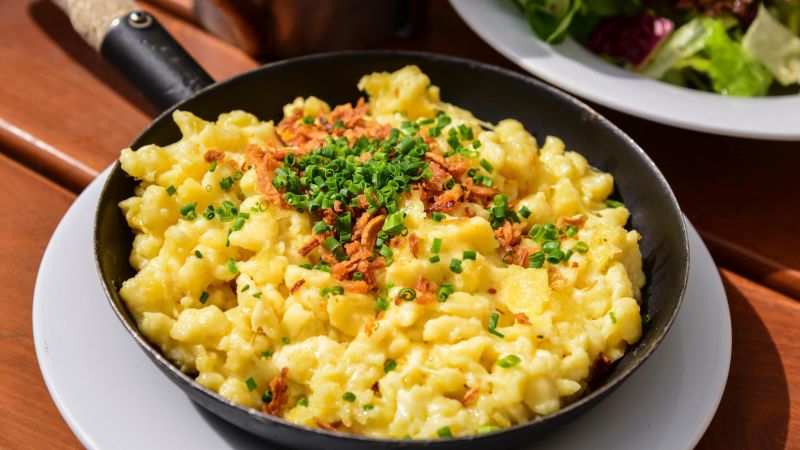
German cuisine is frequently reduced to a simplistic trifecta of beer, sauerkraut, and sausage in the international imagination, yet such a characterization fails to capture the intricate tapestry of a food culture that is both deeply rooted in agricultural tradition and continuously reshaped by historical migration. The German culinary landscape is defined by a commitment to hearty, high-quality, and locally sourced ingredients, but its true complexity lies in its regional diversity and its capacity to absorb foreign influences into the national identity. From the sophisticated, caper-laden sauces of the north to the rustic, cheese-heavy pasta dishes of the south, German food reflects a country that places as much value on formal, well-served dining as it does on the efficiency of street-side sustenance.
The evolution of German gastronomy is a history of adaptation. Over the last century, political instability, labor shortages, and shifting borders have left an indelible mark on the dinner plate. For instance, the transition from the post-war era to the present day has seen a shift toward more international flavors—most notably through the integration of Turkish, Italian, and Eastern European culinary techniques—while simultaneously fostering a renewed pride in regional specialties that were once nearly forgotten.
A Legacy of Meat: The Evolution of German Classics
At the heart of the German diet remains a profound relationship with meat, which has transitioned from a necessity of survival to a centerpiece of national pride. Königsberger Klopse stands as a prime example of how history dictates local menus. Named after the former East Prussian capital—now the Russian city of Kaliningrad—this dish of meatballs in a white, caper-infused sauce represents a link to a lost German province.
The dish carries a unique geopolitical narrative. During the era of the German Democratic Republic (GDR), authorities attempted to excise the connection to the annexed East Prussian capital by rebranding the dish "Kochklopse," or simply "boiled meatballs." Following reunification, the traditional name was reclaimed, and the dish has since regained its status as a staple in Berlin and Brandenburg. Culinary historians often point to this dish as a barometer of German resilience, noting that its popularity has remained steady even as the country’s political borders shifted.
Similarly, the Maultasche of Swabia offers a glimpse into regional identity protected by law. Often described as a larger, rectangular cousin to Italian ravioli, these pasta pockets are traditionally filled with a blend of minced meat, onions, and spinach. In 2009, the European Union recognized Maultaschen as a protected regional specialty, effectively codifying the culinary heritage of the state of Baden-Württemberg. This legal recognition underscores a broader trend in Germany: the institutional preservation of local recipes that define regional identity in an increasingly globalized market.

The Industrialization of Street Food: From Necessity to Cultural Icon
The German street food scene is perhaps the most visible indicator of the country’s social history. The Currywurst, a cultural phenomenon that sees approximately 800 million servings consumed annually, was born of the scarcity and ingenuity of the post-WWII era. Attributed to Herta Heuwer in 1949, the dish—a simple grilled or boiled sausage topped with a ketchup-and-curry-powder reduction—remains a staple of the Berlin and Rhine-Ruhr regions.
Data from the German Sausage Association suggests that the consumption of processed meat products remains robust despite rising trends in vegetarianism, with the "Wurst" industry contributing significantly to the agricultural economy. However, the most significant shift in German street food occurred in the 1970s with the arrival of the Döner kebab. Initially popularized by Turkish guest workers like Kadir Nurman, who established a stall at West Berlin’s Zoo Station in 1972, the Döner transformed from a niche immigrant meal into the country’s most ubiquitous fast food. This shift reflects a broader demographic change in Germany, where the "Gastarbeiter" (guest worker) programs of the mid-20th century permanently altered the nation’s social and culinary landscape.
Regionalism and the Seasonal Rhythm of the German Table
German food is inherently seasonal, dictated by a calendar that emphasizes regional produce. The "Spargelzeit" (asparagus season), which runs from mid-April to June 24, is a national obsession. During these two months, Germans consume upwards of 70,000 tons of white asparagus. This "white gold" is not merely a vegetable but a cultural event, with dedicated festivals and marked routes—such as the Spargelstraße in Baden-Württemberg—designed to celebrate the harvest. The obsession is so profound that the end of the season, St. John the Baptist Day, is marked with a collective national melancholy as menus across the country remove the delicate spears.

In the autumn, the focus shifts to the viticulture regions along the Mosel and Rhine. "Federweißer," a partially fermented young wine, is exclusively available for a few weeks in October. Due to its active yeast and high sugar content, it must be consumed within days of bottling, making it a highly localized experience that draws crowds to marketplaces and wine gardens. It is almost always paired with "Zwiebelkuchen," a savory onion tart that provides the necessary ballast for the sweet, effervescent wine.
The Influence of Seafaring and Hardship
Northern German cuisine tells a different story—one of seafaring traditions and the need for long-lasting, nutrient-dense provisions. "Labskaus," a dish of mashed salted beef, potatoes, and pickled beetroot, was the standard diet for sailors in the 18th and 19th centuries. While its appearance is often described as unappealing, its function as a caloric staple for maritime travel made it a foundational dish for ports like Hamburg, Kiel, and Bremen. Today, it remains a popular "Katerfrühstück" (hangover breakfast) in these cities, a testament to the dish’s enduring reputation for restoration.
This maritime legacy extends to "Rollmöpse," pickled herring fillets rolled around a gherkin. The development of the national railway network in the 19th century allowed for the widespread distribution of these pickled goods, moving them from coastal necessities to inland delicacies. Like Labskaus, they are celebrated for their sharp, acidic profile, which many Germans maintain is the ultimate remedy for the excesses of the night before.

The Modern Culinary Synthesis: Innovation and Heritage
While Germany is often stereotyped as a nation that clings to the past, its contemporary culinary scene is marked by a sophisticated blend of tradition and invention. The "Spaghettieis"—vanilla ice cream pressed through a ricer to resemble spaghetti, topped with strawberry sauce and white chocolate—is a prime example of this synthesis. Invented in 1969 by Dario Fontanella in Mannheim, the dish was a playful interpretation of Italian heritage filtered through a German lens. The fact that Fontanella was awarded the city’s "Bloomaulorden" medal in 2014 for his contribution to the culinary landscape speaks to how Germany embraces innovations that, while foreign in origin, become deeply ingrained in the domestic fabric.
Similarly, the "Black Forest Gateau" (Schwarzwälder Kirschtorte) has transcended its regional roots in the Black Forest to become a global symbol of German patisserie. Though its origins are debated—with some historians pointing to a 1915 creation by Josef Keller in Bonn—its reliance on "Kirschwasser" (cherry schnapps) ties it inextricably to the distillation traditions of southwestern Germany.
Broader Economic and Cultural Implications
The importance of the German food industry cannot be overstated. With an "Institute for Bread" and thousands of registered bread varieties, baking remains a highly regulated and respected profession. The sector contributes billions to the national GDP and supports a massive network of small-scale farmers and artisanal producers.

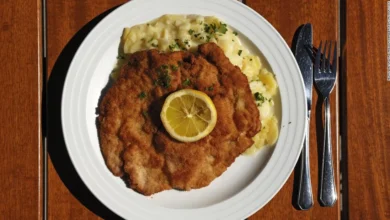
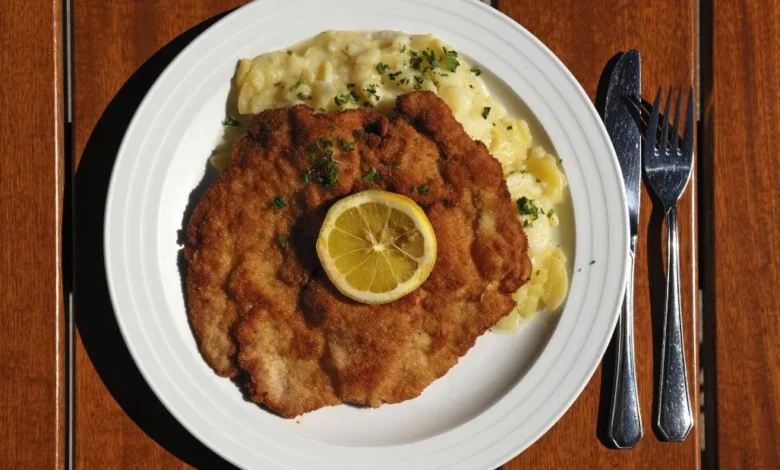
As the country moves toward a more sustainable future, the tension between tradition and modern dietary requirements is becoming more apparent. The rise of vegan and vegetarian versions of classic dishes like the Döner kebab or the Schnitzel—historically made with pork or veal—demonstrates a pragmatic approach to evolution. By adapting these staples to meet modern ethical and environmental standards, Germany ensures that its culinary heritage remains relevant to younger generations and an increasingly diverse population.
Ultimately, the German plate is a map of the nation’s history. From the aristocratic influences of pot roasts like the Sauerbraten to the working-class pragmatism of the Currywurst, the food of Germany is a reflection of a country that is constantly negotiating its identity. Whether it is the rigorous adherence to the purity of a cheesecake made with quark or the creative, ever-changing fillings of a Swabian Maultasche, the German culinary experience is one of continuous, thoughtful adaptation. It is a cuisine that respects the harvest, honors its immigrants, and, above all, values the comfort that only a well-prepared meal can provide. As travelers explore the country, they find that the true essence of German food is not found in a single, static dish, but in the variety of experiences that reflect the complex, multi-layered history of the land itself.