A Comprehensive Culinary Guide to Every Restaurant Featured in Season Two of Stanley Tucci Searching for Italy

For food enthusiasts and travel aficionados alike, the second season of the CNN original series "Stanley Tucci: Searching for Italy" serves as both a masterclass in regional Italian gastronomy and a definitive bucket list for the intrepid traveler. Throughout the season, actor and food enthusiast Stanley Tucci traverses the diverse landscape of the Italian peninsula, from the sun-drenched cliffs of the Italian Riviera to the rugged, tradition-steeped interior of Sardinia and his own ancestral roots in Calabria. The following guide chronicles the specific establishments and regional delicacies that defined this journey, providing a detailed look at the chefs, history, and unique ingredients that make Italian cuisine a global cultural touchstone.
The Italian Riviera: Innovation Born of Harsh Terrain
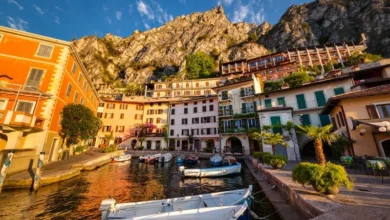
The Italian Riviera, renowned for its dramatic cliffs and vibrant, multi-colored architecture, presents a unique set of challenges for local producers. The mountainous terrain of Liguria, which necessitates labor-intensive terrace farming, has fostered a culture of extreme ingenuity. It is within this challenging environment that some of Italy’s most iconic ingredients were born, most notably the world-famous basil-based pesto.
In Portofino, Tucci visited Cracco Portofino, the establishment of renowned Michelin-starred chef Carlo Cracco. Here, the focus remains steadfastly on dishes linked directly to the land. A highlight of the visit was the preparation of pansotti, a traditional Ligurian pasta filled with preboggion—a unique mixture of local wild greens and herbs—served with a rich walnut sauce. Tucci described the experience as a profound departure from his previous culinary encounters, emphasizing the depth of flavor achieved through locally sourced, seasonal ingredients.
In Genoa, the historical capital of the region, Tucci turned his attention to Il Genovese. This restaurant has garnered a reputation for its commitment to tradition, specifically in the preparation of pesto. Chef Roberto Panizza, widely recognized as the "King of Pesto" and the founder of the Pesto World Championship, utilizes an ancient mortar and pestle to maintain the integrity of the sauce. By incorporating green beans and potatoes into the pasta, the dish achieves a creamy consistency that balances the sharp notes of the basil and garlic.
Further exploring the region’s staples, Tucci sampled focaccia alla Genovese at Antico Forno della Casana. As noted by food writer Laurel Evans, this bread is a quintessential working-class staple. The local custom of eating the dimpled bread upside down—allowing the coarse sea salt to hit the palate first—demonstrates the attention to sensory detail inherent in Italian street food culture.

The Seafood Artistry of Genoa and Cinque Terre
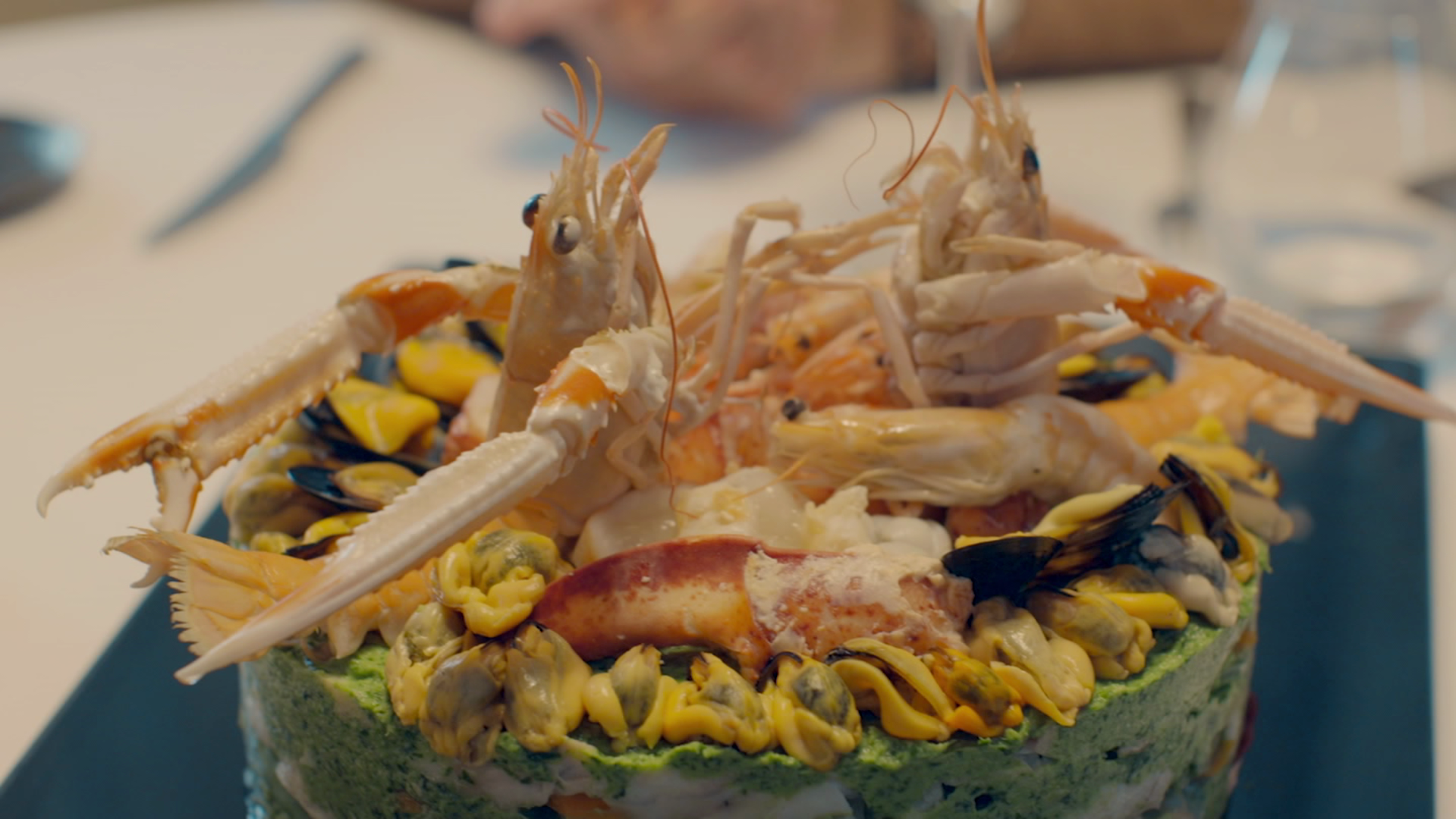
The culinary landscape of Liguria is not defined solely by land-based crops; the influence of the Mediterranean is pervasive. At The Cook, situated in a 14th-century palazzo in Genoa, chef Ivano Ricchebono focuses on elevating seasonal ingredients into high art. During his visit, Tucci was introduced to corzetti, a historic Genoese pasta, and cappon magro. The latter is an extraordinarily elaborate seafood salad arranged into a decorative, multi-layered pyramid, reflecting a level of technical precision that highlights the historical wealth and maritime heritage of the port city.
In the picturesque enclave of Cinque Terre, the family-run establishment Ittiturismo offers a glimpse into a more intimate, generational approach to dining. Built directly into the cliffs, the restaurant operates as both a home and a kitchen. The synergy between the father, Guido, who handles the daily catch, and his son, Pietro, who executes the menu, showcases the sustainability of small-scale, family-oriented hospitality. Their menu, featuring fresh pasta with fish sauce and cheese-and-herb-stuffed fried anchovies, emphasizes the importance of utilizing the entirety of the local catch.
Puglia: The Culinary Soul of the Italian Boot
Puglia, often referred to as the "boot" of Italy, represents the nation’s culinary scene at its most fundamental level. Despite being historically one of the country’s economically challenged regions, Puglia is currently undergoing a renaissance, with a renewed pride in its gastronomic roots. The region is famous for its fragrant olive oil, diverse vegetable yields, and high-quality durum wheat.

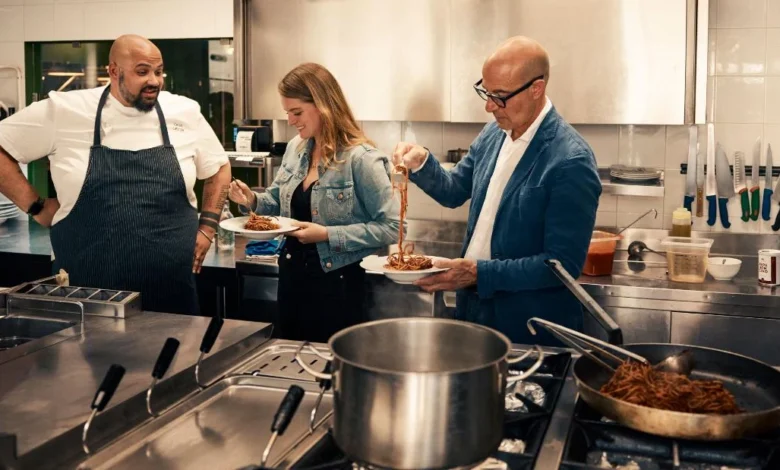
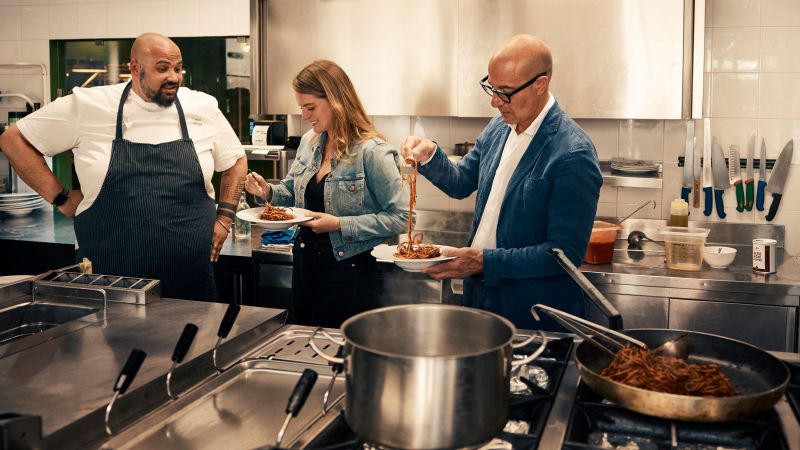
At Urban Bistrot in Bari, Tucci was challenged by the intensity of spaghetti all’assassina (assassin’s pasta). Unlike traditional boiling methods, this spicy dish is prepared by searing the pasta in a pan with olive oil and chili peppers—without the addition of water—until it becomes charred and crispy. The dish’s aggressive heat and unique texture serve as a testament to the region’s bold culinary identity.
In Montegrosso, the restaurant Antichi Sapori provides a lesson in the transformation of humble ingredients. Chef Pietro Zito specializes in dishes such as burnt grain orecchiette served in a fava bean cream, topped with burrata and charred black olives. The balance of the smooth, earthy fava beans against the richness of the cheese exemplifies the sophistication found within traditional peasant cooking.
The town of Cisternino offers a different perspective on Puglian cuisine through Trattoria Bere Vecchie. Housed in a former pharmacy, this butcher shop-turned-restaurant specializes in spit-roasted meats. Tucci sampled bombette—pork rolls stuffed with cheese and herbs—and gnumareddi, a dish consisting of lamb organs wrapped in intestines. These preparations reflect the region’s commitment to nose-to-tail eating and the preservation of ancient preparation techniques.
The innovation in Puglia is further evidenced by Caseificio Dicecca, where cheesemaker Vito Dicecca has introduced Apulian blue cheese. With 66 distinct varieties currently in production, Dicecca has elevated regional cheese making to a scientific discipline while maintaining the emotional connection to food, such as serving simple focaccia with burrata, a nostalgic nod to local school lunches.
Finally, in the ancient city of Matera, Ristorante Vitantonio Lombardo operates out of a converted cave, offering a juxtaposition between the ancient environment and avant-garde culinary techniques. Chef Vitantonio Lombardo’s menu, which includes conceptually named dishes like "I dropped the Egg in the Garden," highlights the use of black breadcrumbs to mimic the aesthetics of truffles, turning simple veal into a symbol of decadence.
Sardinia: An Archaeological Dig of Flavor
Sardinia, the most remote region in Italy, has developed a distinct culinary profile shaped by its geographical isolation and the varied waves of historical settlers. The region is divided between the seafood-heavy culture of the coast and the stubborn, traditionalist interior.

At Fradis Minoris, the first restaurant in Sardinia to earn a Michelin Green Star, chef Francesco Stara focuses on sustainability. The restaurant’s reliance on local waters and the use of fregola—a North African-inspired, couscous-like pasta—illustrates the island’s Mediterranean crossroads history.
The coastal city of Alghero is world-renowned for its lobster, a status bolstered by the fact that it was once requested for the wedding reception of Queen Elizabeth II. At Mabrouk, a former 16th-century monastery, chef Antonietta Salaris prepares lobster a la Catalana. By incorporating the lobster’s roe into the sauce, she achieves a salty sweetness that has become a regional hallmark.
In the north, Arimani serves as a culinary school where patrons are required to participate in the preparation of their meal. Chef Simonetta Bazzu’s focus on ancient recipes, such as pane carasau (a crispy bread dating back to 1000 BC) and zuppa gallurese (bread soaked in sheep broth and baked with cheese), serves as a direct link to the island’s pre-Roman past.

Calabria: The Ancestral Homecoming
The final leg of this journey, Calabria, holds the most personal significance for Tucci, as it is his ancestral home. The region, which forms the "toe" of Italy, is a rugged landscape of mountains and coastlines known for traditional salami, red onions, and chili peppers.
At Panificio Cuti in Marzi, baker Pina Olivetti continues to produce pane de cuti, a sourdough bread based on a 100-year-old recipe. The shop also serves morsello, a traditional portable meal for hunters and farmers, consisting of sausage and broccoli rabe served in a bread bowl, which has evolved into a staple for weddings and local celebrations.
The city of Tropea is defined by its famous sweet red onions, or cipolla rossa. At Osteria della Cipolla Rossa, the onion is the star ingredient. The sweetness of these onions is so pronounced that they are utilized in everything from pasta to ice cream.

In Scilla, Il Principe di Scilla showcases the region’s prized swordfish. The dish scialiatelli alla ghiotta provides a sophisticated representation of Calabrian seafood, while at Qafiz, located in the Aspromonte mountains, chef Nino Rossi uses the 2021 wildfires as a conceptual inspiration for his Michelin-starred dessert, "fire." By using charcoal-flavored meringue and white chocolate, the dish represents the resilience and renewal of the Calabrian landscape.
The season concludes with a visit to La Collinetta, where Pino Trimboli utilizes the ancient Greek technique of baking lamb in clay. The four-hour cooking process seals the juices and flavors, a time-consuming but effective method that underscores the importance of patience and tradition in the regional Italian diet.
As "Stanley Tucci: Searching for Italy" continues to document these diverse regions, the series reaffirms the status of Italian cuisine not merely as a collection of recipes, but as a living, evolving historical record. Each of these restaurants, from the Michelin-starred dining rooms to the humble bakeries, plays a vital role in preserving the heritage that defines the Italian identity.