Godzilla Minus Zero cast brings Hollywood momentum to the 39th Tokyo International Film Festival

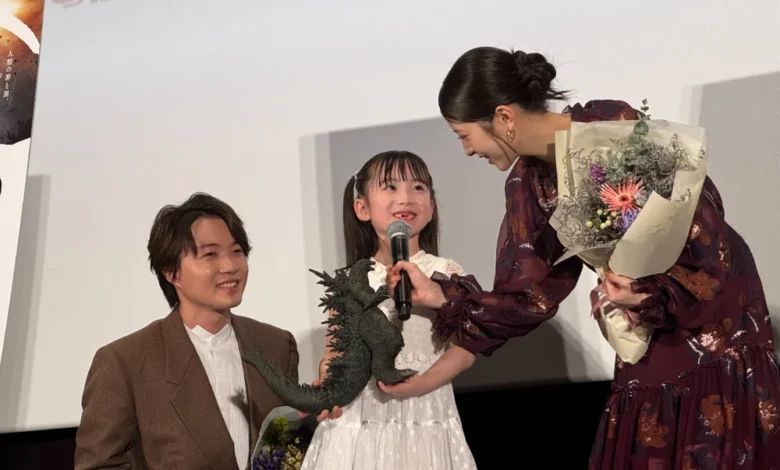
The 39th Tokyo International Film Festival (TIFF) became the epicenter of global cinema energy this Sunday as the cast of the highly anticipated Godzilla Minus Zero took to the stage. Fresh off a high-octane premiere at the historic TCL Chinese Theatre in Los Angeles, stars Kamiki Ryunosuke and Hamabe Minami returned to Japan to greet fans just 48 hours before the film’s nationwide domestic release. This appearance serves as a symbolic bridge between the monumental success of the Oscar-winning predecessor, Godzilla Minus One, and the burgeoning expectations for the sequel directed by Yamazaki Takashi.
The atmosphere at the 900-seat theater was electric, defined by a prolonged, spontaneous standing ovation that underscored the franchise’s enduring cultural footprint. For Kamiki, who reprises his role as the resilient Shikishima Koichi, the transition from the Hollywood red carpet to the Tokyo stage highlighted a universal resonance. "The energy was simply extraordinary," Kamiki remarked during the event. "Feeling that raw enthusiasm firsthand made me realize all over again just how deeply Godzilla is loved around the world. It was an invaluable experience."
A Global Phenomenon: From Los Angeles to Tokyo
The international reception for the Godzilla franchise has reached a fever pitch following the unprecedented success of Godzilla Minus One. The film, which secured the Academy Award for Best Visual Effects at the 96th Oscars—marking the first time an Asian production has achieved this feat—has become a touchstone for modern monster cinema.
During the Los Angeles premiere, the engagement between the cast and the public transcended traditional red-carpet formalities. Kamiki described an environment where fans, many adorned in thematic Godzilla regalia and badges, actively sought out the creative team. He noted a specific, raucous enthusiasm for director Yamazaki Takashi, whose name was chanted with such vigor that it transformed the venue into a roar of genuine appreciation. This global fervor serves as a testament to the character’s evolution from a post-war metaphor for nuclear dread to a cinematic icon that now commands massive, cross-cultural box office receipts.
The Evolution of Character and Performance
A significant highlight of the Tokyo event was the public debut of child actor Nagatani Sae, who returns as the character Shikishima Akiko. Nagatani’s growth as both a performer and a presence on set was a focal point of the cast’s discussion. In the previous installment, the character of Akiko was primarily reactive, defined by distress and minimal dialogue.
In Godzilla Minus Zero, however, the narrative demands a more sophisticated performance from the young actress. Kamiki, who escorted Nagatani onstage, expressed initial apprehension regarding the expanded script. "We were like, ‘Really? Can she do this?’" he admitted. "But when we got on set, she had all her lines memorized perfectly and delivered them flawlessly."
Hamabe Minami, who plays Akiko’s mother, Noriko, reflected on the professional maturation of her young co-star. Having worked with Nagatani when the child was barely out of toddlerhood, Hamabe noted the shift from a shy, intimidated performer to a dependable, articulate young actress. "She chatted with us so much, taught me various things, and was very dependable in her acting," Hamabe observed. Nagatani, for her part, maintained a professional composure, inquiring with her seasoned co-stars about the nuances of acting while balancing her primary education—a request that prompted Kamiki to praise her as an exceptional talent whose achievements at such a young age are objectively remarkable.
Narrative Arc and Franchise Continuity
Godzilla Minus Zero picks up the narrative thread approximately two to three years after the harrowing events of the previous film. While the plot details remain tightly guarded, the cast hinted at a story that explores the domestic stability of the Shikishima family before they are once again forced to confront the impossible.
"I hope viewers can imagine what those two years were like for them, and see how the family stands together against what comes next," Kamiki explained. This focus on character-driven stakes is central to the franchise’s strategy. By grounding the existential threat of a kaiju in the relatable trauma and recovery of a small family unit, the filmmakers ensure that the spectacle of destruction is anchored by genuine emotional stakes.
The endurance of the Godzilla franchise is often attributed to its ability to mirror the socio-political anxieties of the era in which it is produced. Kamiki suggested that the longevity of the series also lies in its ubiquity. He noted that the iconic theme music and the image of Godzilla have become permanent fixtures of the Japanese cultural landscape, often existing in the subconscious of the audience before they can even recall their first exposure to the character. Hamabe added a philosophical layer, noting that the franchise’s power stems from the juxtaposition of human fragility against an unconquerable force. "Yet, when Godzilla appears, humans unite and stand together to face it," she stated. "I think seeing that human resolve is the first thing that moves people’s hearts."
Data and Technical Milestones
The economic impact of the Godzilla revival in Japan is substantial. Godzilla Minus One grossed over JPY 7.65 billion (approximately $50 million) at the domestic box office and garnered over 50 industry awards worldwide. This success has paved the way for ambitious technical advancements in the latest entry.
Godzilla Minus Zero has secured the distinction of being the first Japanese film certified as "Filmed for IMAX." This certification is a rigorous technical standard, requiring the use of specialized cameras and a post-production process optimized for the large-format, high-resolution screens that have become a hallmark of premium theatrical experiences. This move signals a deliberate push by Toho and the production team to compete at the highest levels of global blockbuster filmmaking.
Historical Chronology and Context
The trajectory of the current era of Godzilla films can be summarized by a rapid succession of critical and commercial milestones:
- November 2023: Godzilla Minus One is released in Japan, quickly dominating the domestic box office and receiving widespread critical acclaim for its narrative depth and visual effects.
- March 2024: The film creates history at the 96th Academy Awards, winning the Oscar for Best Visual Effects, the first win in this category for the franchise in its 70-year history.
- October 2024: The Tokyo International Film Festival hosts the cast, signaling the shift from the promotional cycle of the previous film to the launch of the new entry.
- October 2024: Godzilla Minus Zero premieres in major global markets, following a high-profile red-carpet event in Los Angeles at the TCL Chinese Theatre.
Broader Implications for the Industry
The success of the current Godzilla cycle has profound implications for the Japanese film industry. By successfully integrating high-end VFX with character-driven dramas, Yamazaki Takashi has demonstrated that local Japanese productions can compete globally without sacrificing their cultural specificity. The "Filmed for IMAX" status of the new film suggests that Japanese studios are increasingly looking to leverage technical prestige as a means to capture international market share.
Furthermore, the public’s intense reaction in both Los Angeles and Tokyo indicates a shift in how legacy monster franchises are perceived. No longer relegated to niche genre interest, Godzilla has reclaimed a position as a premier global IP. As the industry watches the release of Godzilla Minus Zero, the primary question is whether the team can maintain the delicate balance between large-scale spectacle and the intimate human storytelling that defined the success of its predecessor.
The Tokyo event, with its blend of fan enthusiasm and cast camaraderie, serves as the final, successful curtain-raiser for a film that is expected to define the end-of-year box office season. As audiences prepare for the return of the king of monsters, the focus remains on the resilience of the humans caught in his wake—a theme that, according to the cast, remains the beating heart of the entire Godzilla experience.