United Airlines CEO Scott Kirby Outlines Ambitious Expansion Strategy Amidst Speculation Over American Airlines Merger


United Airlines CEO Scott Kirby has recently articulated a sweeping vision for the carrier’s future, centering on the necessity of massive infrastructure control to cement United as the definitive American flag carrier. In a wide-ranging interview with The CEO Signal, Kirby identified the lack of a dominant South American gateway—specifically a lack of control in Miami—and the structural constraints of New York’s John F. Kennedy International Airport (JFK) as the primary obstacles to achieving his global growth objectives. While these comments have reignited industry speculation regarding a potential blockbuster acquisition of American Airlines, Kirby has emphasized the regulatory and logistical hurdles that render such a consolidation a purely theoretical exercise under current conditions.
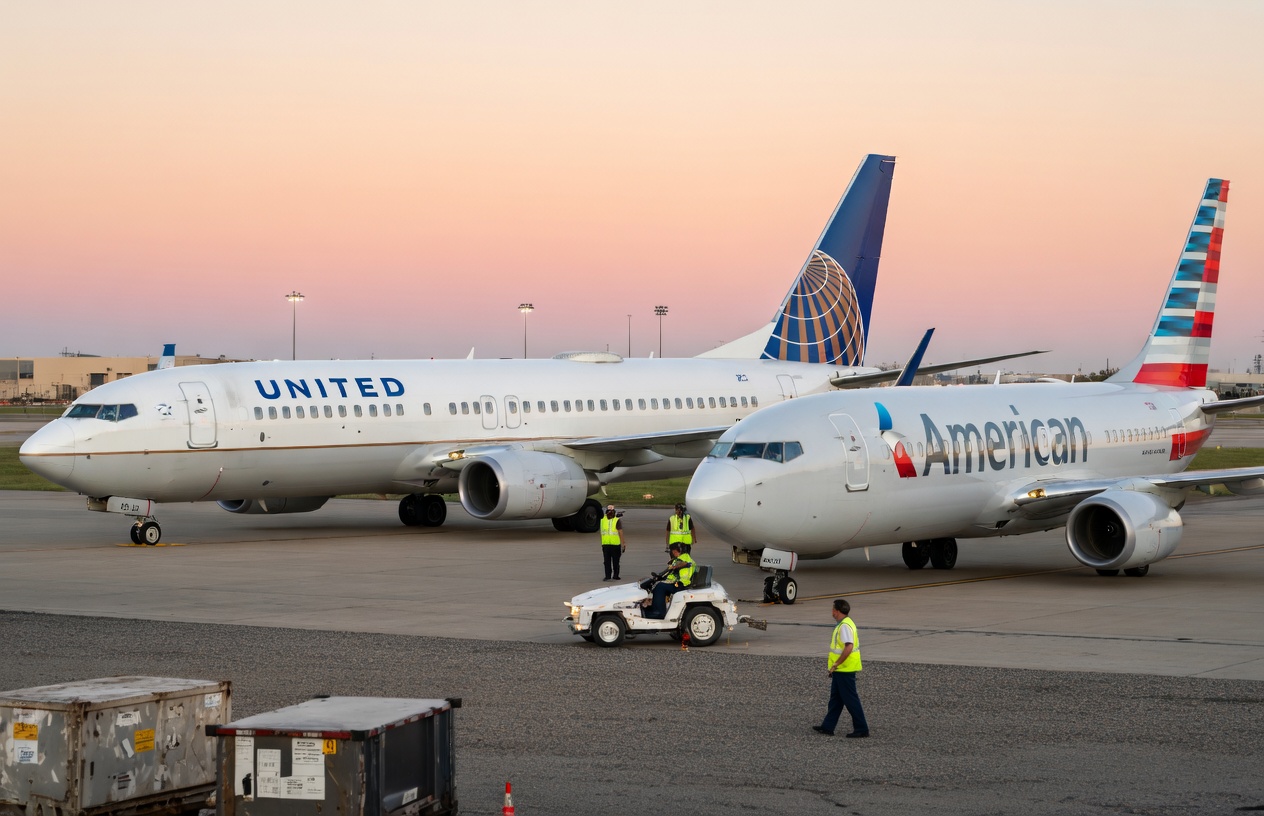
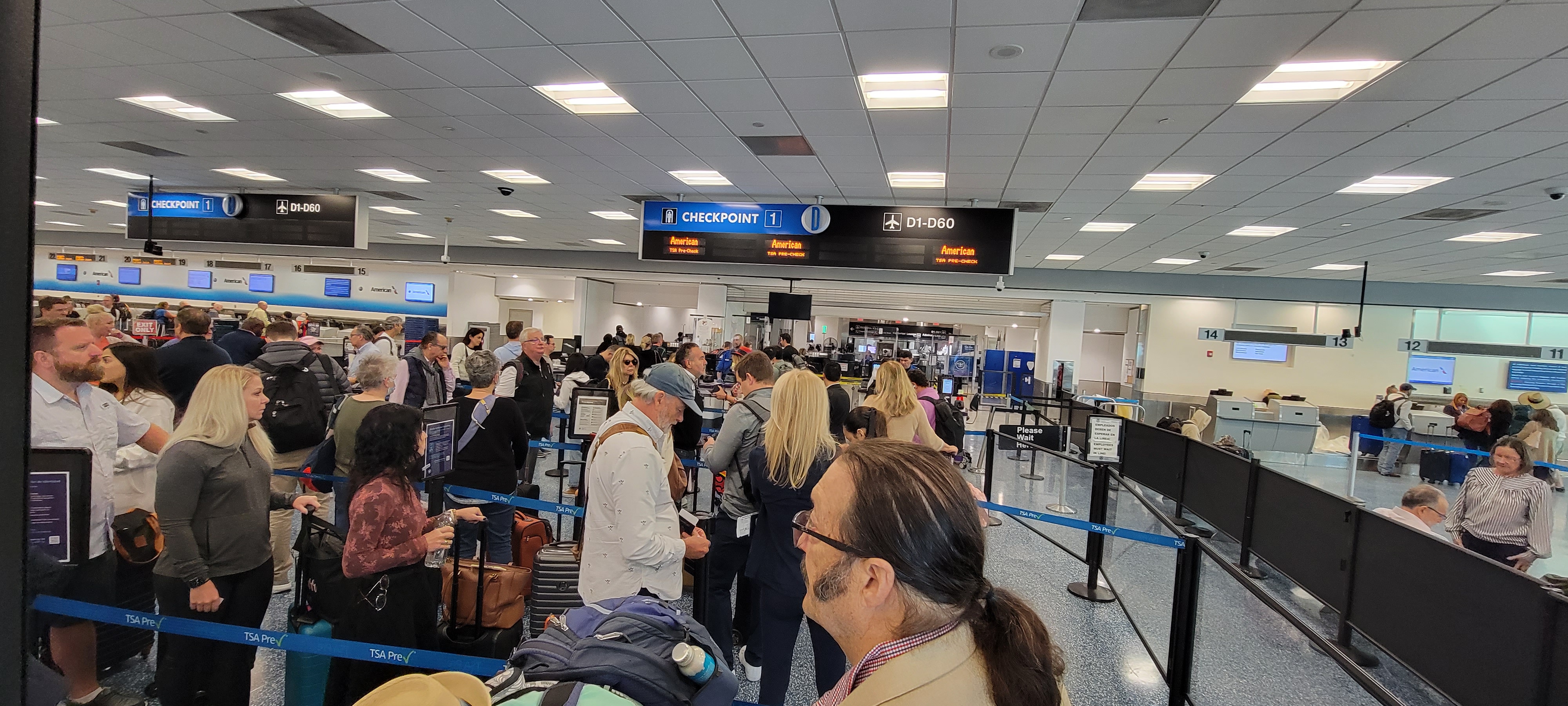
The core of Kirby’s strategy revolves around the concept of "gate density." For a major hub-and-spoke carrier, connectivity is defined by the ability to aggregate passenger volume from disparate regional points and distribute them through a central hub. Kirby explicitly stated that he would establish a major Miami hub if United could secure 40 to 50 gates—an asset currently held by American Airlines. Without such a footprint, United remains at a competitive disadvantage in the lucrative and high-growth markets of South America, a region where American Airlines has long held a commanding presence.
A Chronology of Strategic Retrenchment and Return
The current discussion regarding United’s footprint at JFK serves as a reminder of the volatile nature of aviation network planning. In 2015, United made the strategic decision to exit JFK, shifting its focus exclusively to Newark Liberty International (EWR) to consolidate its New York-area operations. At the time, management argued that the move would increase efficiency and reduce costs.
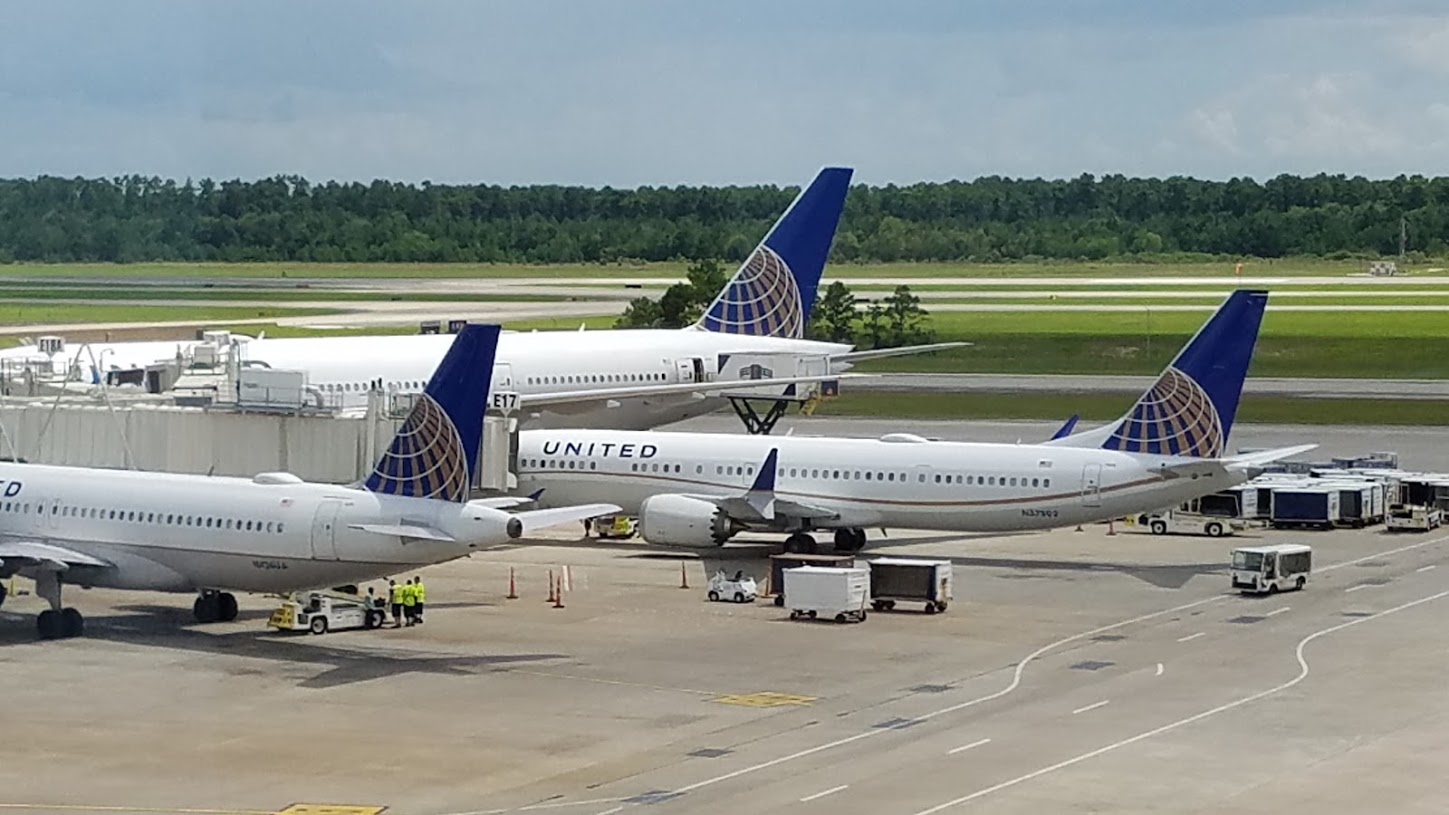
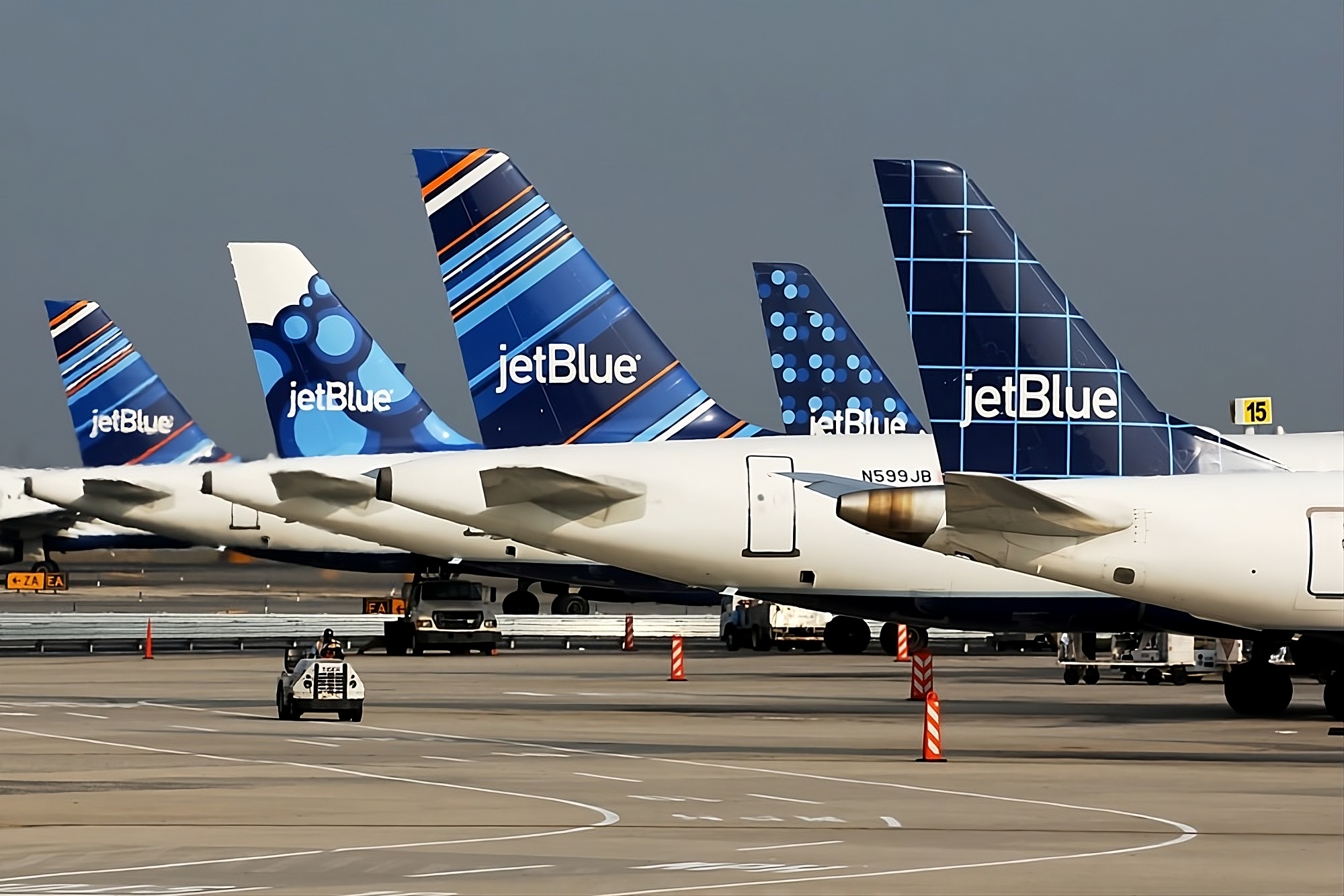
However, historical performance data suggests that the exit was a miscalculation that extended beyond simple route profitability. By abandoning JFK, United lost significant traction with high-value corporate accounts, particularly those based in Manhattan that required premium access to both domestic and international long-haul flights. Recognizing this, United began the process of rebuilding its presence at JFK in recent years. Through a strategic slot-swap agreement with JetBlue, United is scheduled to return to JFK with seven daily round-trip flights in 2027. Despite this, Kirby has acknowledged that the scale of this re-entry is insufficient to fully recover the competitive ground lost during the eight-year hiatus.
The Logic of Consolidation: Quality Over Price
Kirby’s defense of potential airline consolidation rests on a controversial economic premise: that the "Big Three" U.S. carriers—United, American, and Delta—no longer compete primarily on price. He characterizes these carriers as "price takers" that react to the fare-setting behavior of ultra-low-cost carriers and Southwest Airlines. Consequently, Kirby argues that a merger between two of the majors would focus on competition through service, product quality, and network utility rather than the traditional antitrust concern of suppressing competition to drive up ticket prices.
From an analytical perspective, this argument faces significant headwinds. Antitrust regulators, guided by the 2010 Merger Guidelines, have historically scrutinized airline mergers not just for price impacts, but for the loss of "head-to-head" competition. When two large carriers merge, the reduction in service options on overlapping routes can inherently limit consumer choice, regardless of the price point. Furthermore, Kirby’s assertion that United and its peers compete on "value" ignores the reality that for the average consumer, quality and price are inextricably linked.
Infrastructure and the Gate Monopoly
The barrier to entry in the U.S. airline industry is not merely capital; it is access to fixed infrastructure. In major metropolitan airports like JFK, LaGuardia, and Washington National, the number of take-off and landing slots is strictly capped. These slots, often gifted by the federal government in perpetuity, create a permanent barrier to new entrants and insulate incumbent airlines from competition.
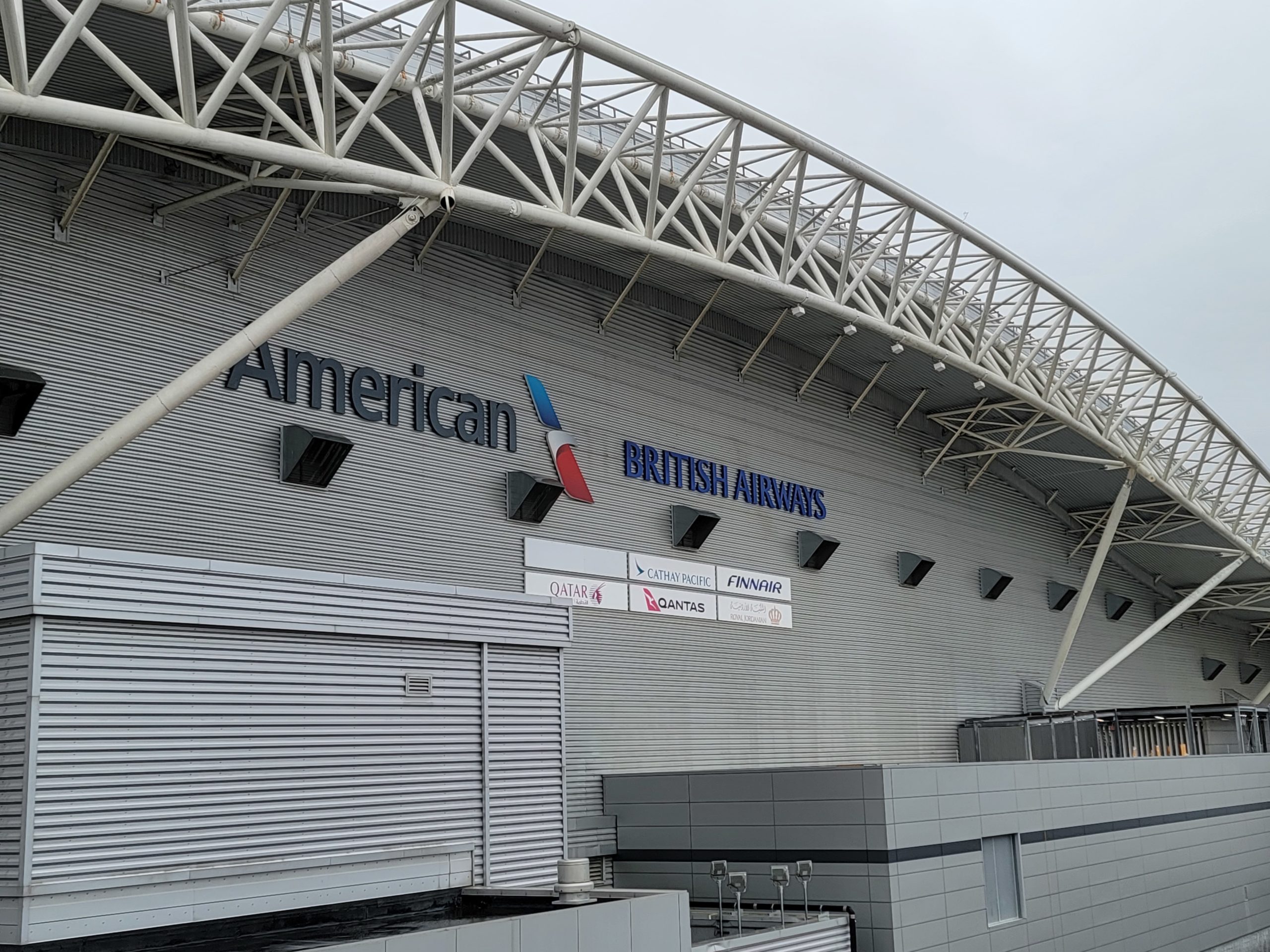
Kirby has pointedly noted that even if a new airline wanted to build a major operation in a city like Miami or New York, it is physically impossible to secure the necessary gate space. This "gate monopoly" is why Kirby views large-scale acquisitions as the only viable path to rapid growth. If an airline cannot build, it must buy. However, this strategy assumes that the regulatory environment would permit such a consolidation, a prospect that remains highly unlikely under the current antitrust climate, which has seen the Department of Justice aggressively challenging airline partnerships and mergers.
The Rejection of Foreign Equity and Alternative Partnerships
While some international carriers seek to expand by purchasing minority stakes in foreign airlines, Kirby has categorically rejected this model. He cited the cultural and economic misalignment between U.S. commercial carriers and state-subsidized international airlines. Kirby noted that, historically, U.S. investments in foreign carriers have often failed to produce the expected returns because the foreign entities are frequently motivated by national prestige and government directives rather than pure economic efficiency.
Instead, United continues to lean on its robust network of joint ventures with international partners such as Lufthansa, Air Canada, ANA, and Air New Zealand. These partnerships allow United to gain the reach of a global alliance without the complexities of cross-border ownership. Kirby emphasized that when he evaluates an acquisition, he is looking for 100% control, as any lesser stake fails to provide the operational autonomy necessary to drive consistent results.
Broader Economic and Competitive Implications
The broader implications of Kirby’s vision for United Airlines are significant. By aiming to position United as the quintessential American flag carrier—one that operates without subsidies but possesses the scale to compete with the world’s best premium carriers—he is effectively challenging the current structure of the U.S. aviation industry.

While Kirby candidly admits that United still trails Middle Eastern and Asian carriers in terms of onboard product and service, he maintains that the solution lies in a more integrated, efficient, and larger domestic network. The challenge remains that scaling through acquisition, specifically targeting American Airlines, would trigger a legal and political battle of unprecedented proportions.
Furthermore, the focus on "gate control" highlights a critical issue for policymakers: the need for a shift from legacy slot allocations to more dynamic, congestion-based pricing models. As long as airports are treated as private fiefdoms protected by federal slot controls, the natural churn and innovation that characterize other sectors of the economy will remain stifled in aviation.
Conclusion: A Vision of Scale
Scott Kirby’s strategy is one of uncompromising scale. Whether through the acquisition of assets like those held by American Airlines or a hypothetical, albeit currently unpursued, combination with a carrier like JetBlue, his objective is clear: to remove the friction points in United’s current network.
However, as Kirby himself admitted, without a willing partner and a supportive regulatory environment, this vision remains firmly in the realm of theory. As the aviation industry continues to navigate the post-pandemic recovery and the shifting demands of business and leisure travelers, the debate over whether bigger is truly better for the consumer will remain at the forefront of the national conversation. For now, United must continue to navigate the logistical constraints of its existing hubs, knowing that the "ideal" network is currently out of reach.