Federal Firefighters Face Unprecedented Risks Amidst Critical Staffing Shortages and Aggressive Containment Mandates

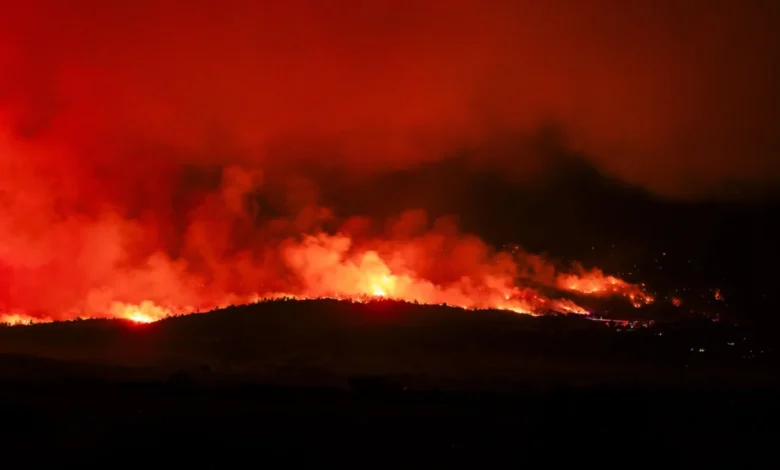
As the 2026 wildfire season stretches deep into the autumn, the United States is witnessing a compounding crisis that pits a volatile climate against an overextended federal firefighting workforce. With over 8.4 million acres scorched across the nation—a figure representing 149 percent of the 10-year average—the human toll on the front lines has reached a somber inflection point. According to reports from the Wildland Fire Lessons Learned Center, firefighters are experiencing entrapment incidents at the highest frequency in two decades, while internal accounts from current and retired personnel suggest that institutional fatigue has reached a breaking point.
The Anatomy of a Record-Breaking Fire Season
The 2026 season has been defined by its relentless intensity. By mid-August, federal agencies had already recorded 12 "entrapments," a term for the most dangerous scenarios in which fire behavior overwhelms established safety zones or severs escape routes. The statistical reality is underscored by the tragic events of the Knowles Fire in Colorado, which claimed the lives of three firefighters, with subsequent injuries leading to a fourth fatality and severe burns for another team member. This incident remains the most lethal entrapment event in thirteen years.
The scale of the destruction is not merely anecdotal. The Aspen Acres fire in Rye, Colorado, which has consumed more than 73,000 acres, serves as a grim representative of the season’s character. It currently ranks as the eighth-largest wildfire in state history. The cumulative exhaustion of the workforce is reflected in the National Interagency Fire Center’s "Preparedness Level 5" (PL5) status, which remained in effect for 48 consecutive days this summer—nearly doubling the decade-long average.
Chronology of Escalating Demand
The current crisis is the result of a multi-year trajectory of increasing fire frequency and severity. Since April 2026, crews have been rotated through back-to-back deployments with minimal respite. The progression of the season has been marked by:
- Early Spring (April–May): Unusually high temperatures and low snowpack levels across the West created an early start to the fire season, leading to immediate strain on initial attack resources.
- Mid-Summer (July): As the U.S. Forest Service (USFS) reached full mobilization, reports emerged of shortages in critical leadership positions, such as taskforce leaders and division supervisors.
- Late Summer (August): The frequency of entrapments spiked, drawing national attention to the risks faced by field personnel.
- Current Status (September): Despite a dip in national preparedness levels to PL3, thousands remain deployed on active fires, facing the cumulative effects of smoke inhalation, sleep deprivation, and sustained physical stress.
The Disconnect Between Policy and Reality
A significant friction point has emerged between the strategic directives issued by the Trump administration and the operational capacity of federal land management agencies. Agriculture Secretary Brooke Rollins and Interior Secretary Doug Burgum have both implemented directives prioritizing "direct attack" strategies. This policy marks a departure from recent years, which allowed for a more flexible, risk-managed approach to fires that might otherwise be contained through natural barriers or low-intensity burning.
While agency leadership, including USFS Chief Tom Schultz, has maintained in congressional testimony that the workforce is "fully staffed and equipped to respond aggressively," the reality on the ground appears starkly different. In a formal letter to the heads of the USDA and the Department of the Interior, a bipartisan group of senators—including Michael Bennet, Alex Padilla, Ron Wyden, Adam Schiff, and John Hickenlooper—expressed deep concern regarding the "depletion of the combined $6 billion suppression budget" and the reliance on "temporary supervisory structures" due to a lack of qualified personnel.
Expert Analysis: The Cost of Aggression
Fire ecologists and veteran advocates argue that the push for total suppression—specifically the mandate to extinguish every ignition immediately—is counterproductive. Timothy Ingalsbee, executive director of Firefighters United for Safety, Ethics and Ecology, posits that forcing direct engagement during extreme weather conditions ignores the reality of climate-driven fire behavior.
"Firefighting capacity is like wages, and the fire environment is like inflation; it has not kept up," noted one fire captain based in the Pacific Northwest. The sentiment is echoed by retired fire chief Bobbie Scopa, who suggests that the current reliance on overtaxed and under-qualified crews to meet aggressive containment quotas is a recipe for disaster. Critics contend that by suppressing all fires, the government is inadvertently contributing to the buildup of volatile forest fuels, effectively ensuring that future fires will be even more explosive and difficult to control.
Operational and Safety Implications
The human element of this crisis cannot be ignored. The loss of seasoned leadership is perhaps the most difficult variable to manage. When a position requires two decades of experience to master, it cannot be backfilled by temporary hires or staff redirected from other departments. The current model of "doubling up" responsibilities—where one supervisor oversees multiple distinct operations—has created systemic instability.
Furthermore, the physical toll of a fire season that refuses to wane is a significant concern for public health experts. Smoke inhalation, compounded by the physiological stress of 16-hour shifts, impairs cognitive function. In a field where split-second decisions dictate life-or-death outcomes, the degradation of situational awareness due to extreme fatigue is a documented danger.
Broader Policy Considerations
The debate over wildfire management is increasingly becoming a proxy for broader climate policy. If, as data suggests, the climate crisis is permanently altering the behavior of wildfires, then the traditional reliance on labor-intensive suppression may no longer be a sustainable model.
The financial implications are equally severe. With billions already spent on suppression efforts, the agencies are facing a budget shortfall that threatens to derail other essential land management activities, such as controlled burns and mechanical thinning, which are necessary to prevent future mega-fires.
As the 2026 season continues, the primary concern for lawmakers and safety advocates remains the preservation of the existing workforce. Without a strategic pivot that prioritizes the health and safety of the individuals on the front lines over the optics of immediate containment, experts warn that the rate of fatalities and life-altering injuries will likely continue to climb.
The path forward, according to those within the industry, requires a transition from reactive, high-risk suppression to a more sustainable, science-based approach that acknowledges the limitations of current resources. Until then, the nation’s firefighters remain in a precarious cycle, balancing the mandates of the federal government against the unforgiving reality of an evolving, warming, and increasingly volatile western landscape.
Related posts: