Senator Elizabeth Warren Faces Conservative Backlash Over Progressive Endorsements, Sparking Debate on Democratic Party Direction

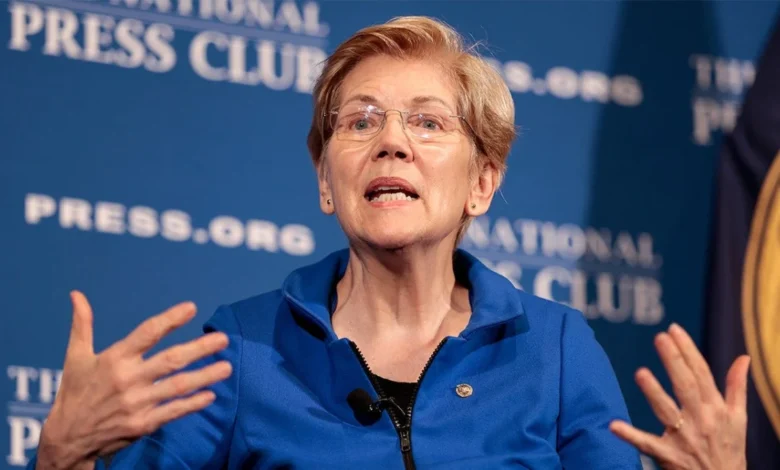
Senator Elizabeth Warren (D-Mass.) is currently embroiled in a fresh wave of conservative criticism following her recent endorsement of Abdul El-Sayed, a progressive Michigan Senate candidate, ahead of the state’s pivotal August Democratic primary. This latest endorsement has reignited scrutiny of Warren’s strategic backing of candidates on the Democratic Party’s left flank, especially in light of a tumultuous past endorsement record that has drawn significant conservative ire and raised questions about electability.
The controversy intensified immediately after Warren, a prominent figure among the Senate’s most progressive Democrats, publicly threw her support behind El-Sayed. Her advocacy for El-Sayed, who campaigns on a platform explicitly rejecting corporate money and championing universal healthcare and other socialist policies, has been met with fierce opposition from Republican circles. Natalie Baldassarre, the RNC National Press Secretary, minced no words in her critique, stating, "After Graham Platner’s implosion, Warren’s endorsement should be viewed as a kiss of death by any Democrat who actually wants to win. Pocahontas clearly has not learned her lesson with toxic socialist candidates and by shamelessly endorsing El-Sayed continues to drag her party straight into electoral oblivion." This statement highlights the dual nature of the conservative attack: questioning Warren’s judgment and leveraging past controversies to undermine the current endorsement.
The El-Sayed Endorsement and Immediate Reactions
Abdul El-Sayed is running in a crucial Michigan Senate race, an open seat that is widely considered a must-win for Democrats in their bid to maintain or expand their Senate majority. His campaign is built on pillars frequently articulated by the progressive wing of the Democratic Party: a complete rejection of corporate PAC money, advocating for campaign finance reform, and a commitment to affordable, high-quality healthcare for all Americans, often interpreted as support for a single-payer system. Warren articulated her support for him on X (formerly Twitter), saying, "Abdul is the only candidate in this race not taking corporate money, and he’s fighting to get money out of politics altogether. Abdul’s studied to be a doctor, and he is fighting for every single American to have affordable, high-quality healthcare."
However, El-Sayed’s progressive stances extend beyond economic policy and have attracted significant criticism. His views on Israel, which align with a more critical progressive perspective, and his past support for policies that have been labeled "socialist" by opponents, have become flashpoints. The Republican Jewish Coalition swiftly condemned Warren’s endorsement, drawing a direct parallel to her past controversial backing: "From the same person who said Nazi Tattoo-wearing Graham Platner was ‘My kind of man’ before dropping out in disgrace," they wrote, concluding, "Elizabeth Warren is a complete and total joke." Further conservative reactions included Fox News Contributor Paul Mauro, who characterized the alliance as "The hate America Red/Green alliance, embodied," and conservative commentator Robby Soave, who grimly predicted, "The kiss of death. Now he’s doomed."
Former U.S. Ambassador to Israel David Friedman also weighed in, challenging El-Sayed’s anti-corporate money stance by questioning his funding sources: "You say that taking ‘corporate money’ is forbidden but you are OK with him taking Super PAC contributions from radical Islamists." This suggests a concerted effort by conservative groups to tie El-Sayed to controversial foreign policy positions and funding sources, aiming to make him an unpalatable choice for a broader electorate. Concerns about El-Sayed’s past statements on "defunding the police" have also resurfaced, further fueling the narrative of him being too extreme for a general election contest in a swing state like Michigan.
A Pattern of Progressive Backing: Warren’s Ideological Stance
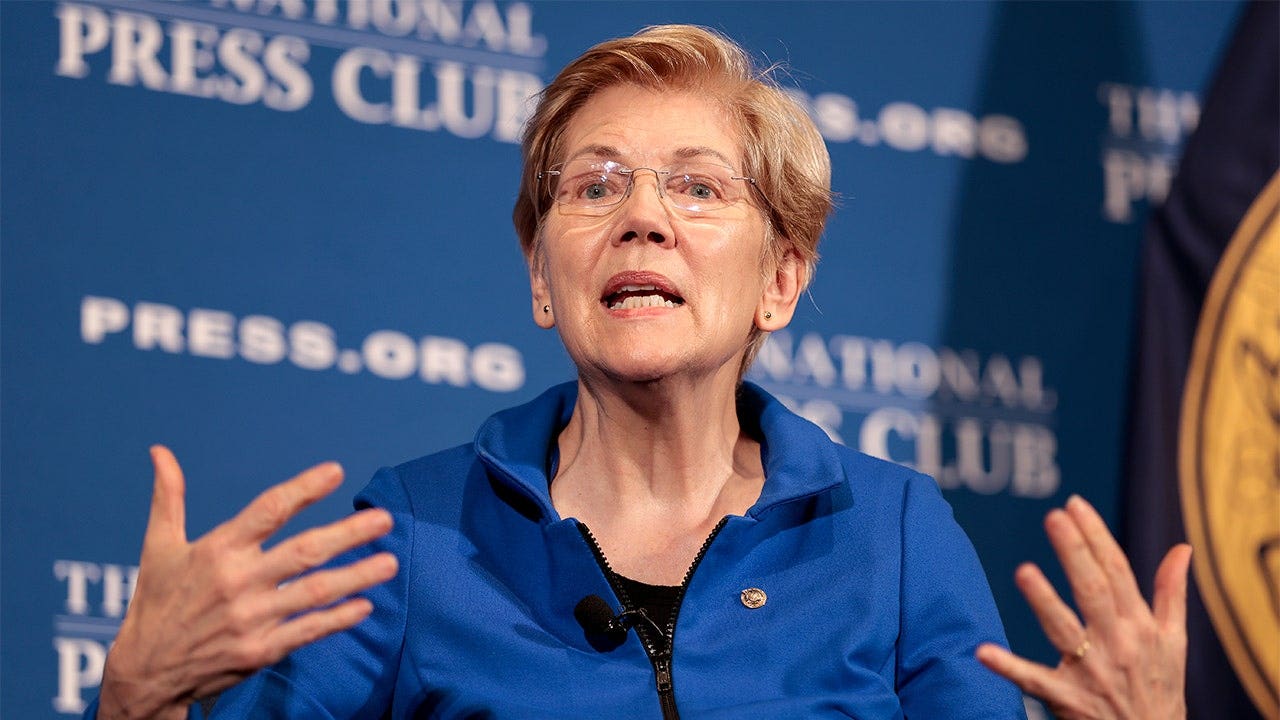
Senator Elizabeth Warren has carved out a distinct political identity as one of the Senate’s most vocal and influential progressive leaders. Since her election in 2012, she has consistently championed policies aimed at addressing economic inequality, corporate accountability, and consumer protection. Her legislative priorities have included proposals for a wealth tax, strengthening labor unions, expanding Social Security benefits, and advocating for a more robust social safety net. These positions place her firmly within the progressive wing of the Democratic Party, which has gained considerable traction among a segment of Democratic voters, particularly younger demographics and urban progressives, in recent years.
Warren’s endorsement strategy appears to be driven by a desire to shift the Democratic Party further left, supporting candidates who embody her vision for a more equitable and socially just America. This approach often prioritizes ideological alignment over perceived electability in competitive general elections, a tension that frequently plays out in Democratic primaries across the country. By endorsing candidates like El-Sayed, Warren signals her commitment to advancing a specific set of policy goals and a particular political philosophy, even if it means backing candidates who face an uphill battle against moderate or centrist opposition, both within and outside their party. This strategy resonates deeply with her progressive base but simultaneously provides fodder for conservative critics who seek to portray the Democratic Party as increasingly radical.
The Shadow of Graham Platner: A Controversial Precedent
Central to the conservative criticism of Warren’s current endorsements is the specter of Graham Platner, a candidate she previously endorsed with enthusiasm, calling him "my kind of man" on the campaign trail. Platner’s candidacy, however, imploded spectacularly after a rape allegation emerged, which he denied. Further compounding his troubles, he faced criticism over a chest tattoo that bore a resemblance to a Nazi-era symbol. Platner subsequently apologized for the tattoo, covered it, and ultimately withdrew from the race.
The Platner scandal was a significant embarrassment for Warren and the progressive movement. It provided a potent example for critics to argue that Warren’s judgment in selecting candidates was flawed, or worse, that her commitment to progressive ideals blinded her to serious character or judgment deficiencies. The RNC’s use of "Pocahontas" – a derogatory nickname frequently used by critics to mock Warren’s claims of Native American ancestry – in conjunction with the Platner incident, aims to discredit her and her endorsed candidates simultaneously. The fact that a candidate Warren so publicly championed was forced to withdraw under such scandalous circumstances has lingered, allowing opponents to frame her subsequent endorsements as part of a pattern of poor choices. One X user encapsulated this sentiment, writing, "I would simply not listen to any of the people who spent nearly a year ignoring Graham Platner’s red flags," underscoring the perceived failure of vetting and judgment.
Broader Endorsement Record and Electoral Outcomes
Beyond the high-profile Platner debacle, a review of Warren’s other recent endorsements further fuels the narrative of a "kiss of death" by her critics. In this election cycle, several candidates she backed have struggled or failed to secure victory:
- Katie Porter: Endorsed by Warren in California’s gubernatorial race, Porter ultimately lost her primary election. Porter, a fellow progressive and former student of Warren’s, shared many of Warren’s policy leanings and campaign style, making her an ideologically aligned choice.
- Mallory McMorrow: Endorsed for a Michigan Senate race, McMorrow suspended her campaign before voters even cast primary ballots. This early exit meant her candidacy never truly gained traction, regardless of Warren’s backing.
- Zach Wahls: Endorsed in an Iowa Senate race, Wahls also lost his primary. Iowa is a state that has trended more Republican in recent years, making any Democratic primary a challenging environment, especially for candidates aligned with the party’s left wing.
These outcomes suggest a pattern where Warren’s endorsements, while providing a significant boost in terms of national media attention and progressive fundraising networks, do not guarantee electoral success, particularly in competitive primary contests or states leaning away from the progressive agenda. This record provides concrete examples for conservatives to argue that Warren’s endorsements are not only ideologically problematic but also electorally ineffective, serving to "drag her party straight into electoral oblivion" as Baldassarre claimed. The data, while limited to a few races, allows for an analytical inference that Warren’s influence might be more potent within the progressive echo chamber than in securing broader primary or general election victories.
The Michigan Senate Race: A Critical Battleground
The Michigan Senate race is among the most closely watched contests in the nation, crucial for determining control of the U.S. Senate. With the incumbent senator not seeking re-election, it presents a prime opportunity for both parties. Michigan is a quintessential swing state, characterized by a diverse electorate that includes urban progressive strongholds, suburban battlegrounds, and rural conservative areas. Its political landscape is complex, having voted for both Barack Obama and Donald Trump in recent presidential elections, underscoring its volatility.
Abdul El-Sayed, a physician and public health expert, previously ran for Governor of Michigan in 2018, where he gained a following among progressives but ultimately lost the Democratic primary to Gretchen Whitmer, who went on to win the governorship. His current Senate campaign leverages his background and policy positions, positioning him as an outsider committed to systemic change. However, his strong progressive stances on issues like Israel and "defunding the police" are particularly vulnerable to attack in a general election in Michigan. While "defund the police" is typically interpreted by progressives as reallocating police funding to community services, the phrase itself has been successfully weaponized by conservatives to paint candidates as anti-law enforcement and soft on crime, a narrative that can alienate moderate and independent voters. Similarly, views on Israel that diverge significantly from mainstream Democratic or bipartisan consensus can be politically costly, especially with key donor groups and segments of the Jewish electorate.
The Michigan primary field is likely to be competitive, with other candidates vying for the Democratic nomination who may represent more moderate or establishment wings of the party. The outcome of this primary will be a significant indicator of the Democratic Party’s internal dynamics and its strategic direction for the general election. If El-Sayed, with Warren’s backing, secures the nomination, it would signal a victory for the progressive movement but could also set up a challenging general election contest where his policy positions are intensely scrutinized by well-funded Republican opposition.
Conservative Critique: "Kiss of Death" and "Electoral Oblivion"
The conservative response to Warren’s endorsement of El-Sayed is not merely reactive; it is a calculated political strategy designed to achieve several objectives. The "kiss of death" rhetoric serves to:
- Discredit Warren’s Influence: By painting her endorsements as consistently leading to failure, conservatives aim to diminish her stature and influence within the Democratic Party.
- Divide the Democratic Party: Highlighting the "toxic socialist candidates" argument seeks to exacerbate the existing ideological fault lines between the progressive and moderate wings of the Democratic Party, portraying progressives as a liability.
- Frame Progressive Candidates as Unelectable: The ultimate goal is to tag progressive nominees, especially in swing states, as too extreme for the general electorate, thereby increasing Republican chances of victory.
- Mobilize Conservative Voters: Labels like "socialist," "radical Islamists," and "hate America Red/Green alliance" are potent rallying cries for the conservative base, designed to evoke strong opposition and boost turnout.
The use of the term "socialist" by the RNC is a historically effective political weapon in American politics. While many progressive policies, such as universal healthcare or robust social safety nets, are common in democratic socialist countries, in the U.S. political context, the term is often used by conservatives to invoke fears of communism or excessive government control, aiming to scare away centrist voters. Similarly, connecting El-Sayed to "radical Islamists" or suggesting "antisemitism concerns" is a tactic to alienate Jewish voters and other moderate constituencies who prioritize strong U.S.-Israel relations or oppose extremism. These strategic attacks aim to define El-Sayed and, by extension, the progressive movement, in highly negative terms, well before the general election contest takes shape.
Implications for the Democratic Party and Progressive Movement
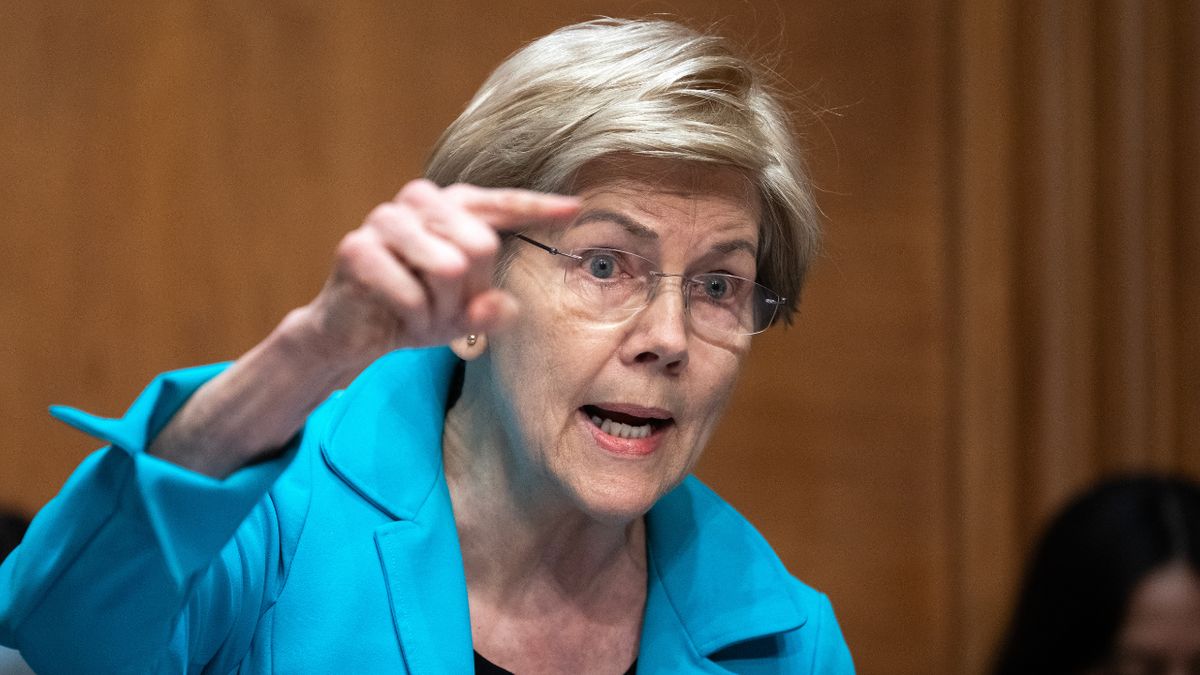
Senator Warren’s continued strategy of endorsing unapologetically progressive candidates, despite a mixed electoral record and intense conservative pushback, underscores an ongoing internal debate within the Democratic Party. This debate centers on how best to achieve electoral success: by appealing to the broadest possible coalition of voters through a moderate platform, or by energizing the base and pushing for transformative policy changes through a progressive agenda.
For the progressive movement, Warren’s endorsements are a significant show of support, providing validation and potentially unlocking fundraising opportunities and grassroots volunteer networks. They reinforce the idea that the party should not shy away from bold, ideologically driven policies. However, the consistent conservative attacks and the mixed electoral outcomes also highlight the challenges of translating progressive primary victories into general election wins, especially in purple states where independent and moderate voters often hold the balance of power.
The broader implication for the Democratic Party is a potential deepening of its internal divisions. If highly progressive candidates like El-Sayed win primaries with national progressive backing, but then struggle in general elections, it could empower the moderate wing to argue for a more centrist approach in future cycles. Conversely, if such candidates manage to win, it could accelerate the party’s leftward shift. The dynamic forces the party to confront how it balances its core progressive values with the pragmatism required to win elections in a politically polarized nation.
The Road Ahead: August Primary and Beyond
The Michigan Democratic primary in August will be a critical test case for Senator Warren’s endorsement strategy and the broader strength of the progressive movement. The outcome will not only determine a nominee for a crucial Senate seat but will also send a signal about the appetite of Democratic voters for a progressive agenda in a battleground state.
If Abdul El-Sayed secures the nomination, the general election campaign will undoubtedly be contentious, with Republican opponents leveraging every aspect of his progressive platform and Warren’s endorsement history to paint him as too extreme. The ability of El-Sayed and his allies to effectively counter these narratives, articulate the benefits of his policies to a wider audience, and mobilize a diverse coalition of voters will be paramount. Should he falter, it would provide further ammunition for those who argue that national progressive endorsements are a liability in competitive races.
Ultimately, Senator Elizabeth Warren’s continued commitment to backing progressive candidates, despite the political risks and her past endorsement record, reflects a deeply held ideological conviction. Her actions highlight the ongoing tension within the Democratic Party as it navigates its identity and strategy in an evolving political landscape, with conservatives poised to capitalize on every perceived misstep. The Michigan Senate race, therefore, is not just about one seat; it is a microcosm of the larger struggle for the soul and future direction of the Democratic Party.