
College Basketball Rankings Iowa State Tcu Purdue
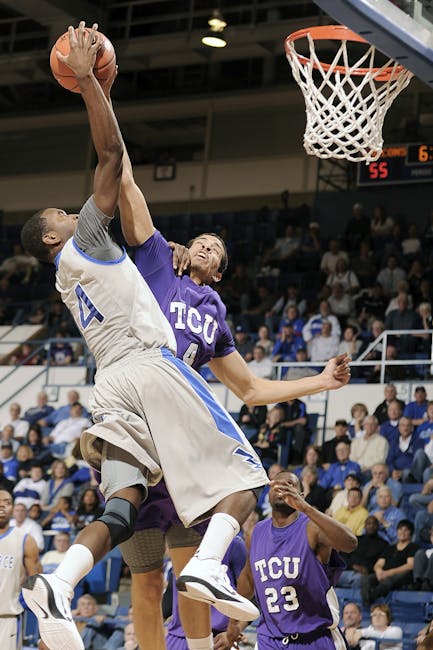
College Basketball Rankings: Iowa State, TCU, and Purdue’s Ascension
The landscape of college basketball is perpetually sculpted by performance, perception, and an ever-shifting hierarchy of teams. Within this dynamic environment, the journeys of Iowa State, TCU, and Purdue exemplify the multifaceted nature of national rankings. These programs, each with distinct trajectories, offer a compelling case study for understanding how teams climb, solidify, and navigate the often-volatile world of collegiate hoops rankings. Their current standing is not merely a reflection of wins and losses but a testament to coaching acumen, player development, strategic execution, and the ability to consistently perform under pressure. Analyzing their ascensions provides valuable insights for fans, analysts, and aspiring programs alike, revealing the key ingredients that propel a team into national contention.
Iowa State’s emergence as a top-tier program, and its subsequent presence in national discussions and rankings, is a story of strategic rebuilding and unwavering commitment to a core philosophy. Under the leadership of head coach T.J. Otzelberger, the Cyclones have transformed from a team in transition to a formidable force. A critical element of their rise has been a relentless defensive identity. Otzelberger, known for his defensive prowess, has instilled a culture where stopping opponents is paramount. This manifests in a high-pressure, aggressive defensive scheme that forces turnovers, disrupts offensive flow, and limits easy scoring opportunities. Teams facing Iowa State often find themselves out of sync, struggling to execute their offensive sets against a suffocating perimeter defense and a strong interior presence. This defensive foundation provides a crucial bedrock upon which offensive success can be built.
Beyond defense, Iowa State’s offensive development has been equally instrumental. While not always flashy, their offense is characterized by efficiency and smart decision-making. The team often relies on strong guard play, with players capable of creating their own shots, facilitating for others, and knocking down timely three-pointers. Their offensive sets are designed to exploit mismatches and find open looks, often through well-executed pick-and-rolls and strong off-ball movement. Furthermore, Iowa State has demonstrated a remarkable ability to adapt its offensive strategy based on opponent weaknesses, showcasing tactical flexibility. The development of key players, both through recruiting and internal growth, has been a vital component. Players who arrive on campus are often molded into Otzelberger’s system, improving their defensive intensity and offensive execution. The transfer portal has also played a role, with strategic additions bringing experience and specific skill sets that complement the existing roster, filling crucial needs and elevating the team’s overall ceiling.
The sustained success of Iowa State, translating directly into higher national rankings, is a consequence of their ability to consistently apply these principles. Victories against ranked opponents, especially on the road, have been crucial in building their resume and garnering respect from national pollsters and the NCAA Tournament selection committee. Their performance in conference play, often regarded as one of the toughest in the nation, is a significant differentiator. Winning consistently within the Big 12 validates their ranking and signals their readiness to compete with the elite. This consistent high-level performance, week after week, week in and week out, builds momentum and solidifies their position in the national consciousness. The student-athlete experience at Iowa State, imbued with a strong sense of program identity and a demanding, yet rewarding, coaching philosophy, fosters an environment where growth and success are not just aspirations but expected outcomes.
TCU’s ascent in college basketball rankings represents a different, yet equally compelling, narrative of program building under head coach Jamie Dixon. Dixon, a seasoned veteran with a proven track record of success, has systematically elevated the Horned Frogs into a consistent contender. His philosophy is rooted in a blend of strong defense, disciplined offensive execution, and a profound emphasis on player development and veteran leadership. TCU’s defensive identity under Dixon is characterized by its physicality, intelligence, and a commitment to limiting easy baskets. They are a team that plays with grit and determination, often forcing opponents into difficult shots and capitalizing on defensive miscues. This gritty, no-nonsense approach has become a hallmark of TCU basketball.
Offensively, the Horned Frogs are known for their efficiency and strategic approach. While they may not always boast the highest scoring averages, their points per possession are often exceptionally high, reflecting smart shot selection and effective offensive schemes. Ball security is a priority, minimizing turnovers and maximizing scoring opportunities. They excel at executing half-court sets, utilizing post-ups, effective spacing, and timely perimeter shooting to generate scoring. The development of guards who can penetrate, create for others, and knock down shots is crucial, as is the presence of reliable interior scoring options. TCU’s ability to consistently find versatile players who can contribute on both ends of the floor, often through shrewd recruiting and the transfer portal, has been a significant factor in their sustained success.
Dixon’s ability to foster a culture of accountability and continuous improvement is evident in TCU’s consistent performance. He has a knack for maximizing the talent he has, instilling a winning mentality that transcends individual talent. The veteran presence on the Horned Frogs roster often provides invaluable leadership and experience, guiding younger players and ensuring consistent execution in high-pressure situations. Their consistent presence in national rankings is a direct result of their ability to win crucial conference games and secure notable non-conference victories. These wins, particularly against teams with strong reputations, serve as powerful endorsements of TCU’s quality and readiness to compete at the highest level. The Horned Frogs’ brand of basketball, built on discipline, defense, and a commitment to fundamental principles, has resonated with voters and solidified their place among the nation’s elite. Their consistent competitiveness in a challenging Big 12 conference further bolsters their resume and justifies their sustained presence in the national conversation.
Purdue’s presence in college basketball rankings, particularly in recent years, is a testament to the sustained excellence cultivated by head coach Matt Painter. Painter has established Purdue as a perennial powerhouse, consistently producing teams that are physically imposing, defensively stout, and offensively potent. Their consistent ranking is a byproduct of a program that has mastered the art of talent development and strategic execution, often anchored by dominant big men. Purdue’s defensive philosophy is built on physicality, strong rebounding, and the ability to protect the paint. They are often a difficult team to score against inside, with their big men altering shots, deterring drives, and controlling the defensive glass. This interior defensive presence forces opponents to rely on perimeter scoring, an area where Purdue often excels at contesting shots and limiting open looks.
Offensively, Purdue’s identity has often been defined by its exceptional post play. When they have a dominant center, their offense flows through the paint, utilizing his scoring ability, passing out of double teams, and drawing defensive attention to create open shots for teammates. However, Painter’s teams are not one-dimensional. They have consistently demonstrated the ability to develop skilled perimeter players who can shoot the three, create off the dribble, and make smart decisions. The synergy between their dominant interior presence and capable perimeter threats creates a balanced and potent offensive attack that is difficult for opponents to defend. Purdue’s recruiting prowess, coupled with an exceptional player development program, ensures a consistent influx of talent that is molded into their system. Players arrive understanding the expectations and the commitment required to succeed at Purdue, and they are meticulously coached to refine their skills and understand their roles within the team concept.
Purdue’s sustained success in national rankings is a direct consequence of their consistent ability to perform at an elite level, particularly within the highly competitive Big Ten Conference. They routinely face challenging opponents and have a demonstrated history of winning key matchups, both at home and on the road. These victories against ranked conference foes are crucial for building their resume and earning the respect of pollsters and the NCAA Tournament selection committee. The Boilermakers’ brand of basketball, characterized by physicality, smart execution, and often dominant interior play, has made them a consistent threat in the national landscape. Their ability to consistently recruit top-tier talent and develop it into a cohesive, winning unit under Painter’s leadership has solidified their reputation as one of college basketball’s elite programs, year after year. The sheer consistency of their performance and their recurring presence at the top of national rankings speaks volumes about the strength of their program and their enduring commitment to excellence.
The convergence of Iowa State, TCU, and Purdue within the national college basketball conversation highlights the diverse pathways to success in the modern era of the sport. Each program, through distinct coaching philosophies, player development strategies, and a commitment to fundamental basketball principles, has carved out a significant presence in the national rankings. Iowa State’s defensive tenacity and offensive efficiency, TCU’s disciplined approach and veteran leadership, and Purdue’s physical dominance and consistent execution all underscore the multifaceted nature of building a championship-contending program. Their journeys offer valuable lessons for teams aspiring to climb the ranks, demonstrating that sustained success is a product of strategic planning, dedicated execution, and a culture of continuous improvement. The ability to consistently win, especially in challenging conference play, and to perform at a high level against elite competition, are the undeniable hallmarks of teams that consistently find themselves in the national spotlight.
