Colorado Marijuana Vape Recall Highlights Regulatory Failures and Safety Concerns Over Toxic Contamination

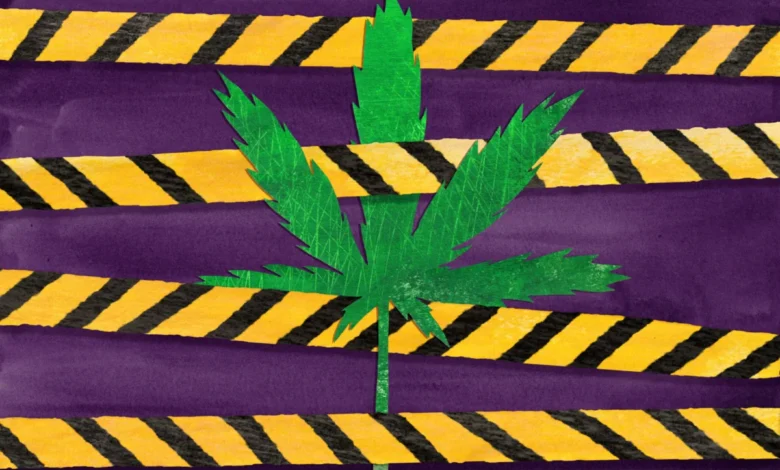
A Colorado manufacturer of popular marijuana vape products issued a recall last week after internal testing revealed the presence of methylene chloride, a potent industrial solvent linked to cancer and organ damage. The recall, initiated by Pueblo County-based StayCon—operating under the brand name Craft—affects 49 distinct products, including popular vape lines marketed as Maui Wowie and Grape Gorilla. Some of the contaminated items had been circulating on dispensary shelves for as long as 18 months, exposing an unknown number of consumers to a chemical the Environmental Protection Agency (EPA) has sought to ban for the majority of industrial applications due to its severe health risks.
This recall serves as a flashpoint in a growing crisis regarding oversight in Colorado’s multi-billion dollar cannabis industry. It arrives during a period of significant administrative friction, as state regulators face mounting scrutiny for the delayed implementation of mandatory testing protocols that would have identified methylene chloride and a suite of other hazardous solvents long before these products reached the public.
The Anatomy of the Contamination
The source of the contamination, according to the recall notice, is a "botanically-derived" flavoring compound utilized in the production of the vapes. Methylene chloride, a volatile organic compound frequently used as a paint stripper and degreaser, is often employed in the illicit conversion of hemp-derived CBD into psychoactive THC. Because the chemical process can be cheaper than traditional cultivation and extraction methods, it has become a favored, albeit illegal, shortcut for manufacturers looking to inflate margins by passing off converted hemp as high-quality marijuana.
While Colorado state law explicitly prohibits the use of such chemical conversion processes and forbids the presence of methylene chloride in marijuana products, the lack of rigorous, state-mandated testing has rendered these prohibitions difficult to enforce. The EPA’s 2024 push to ban the chemical for most uses underscored its danger, though a recent ruling by the U.S. Court of Appeals for the 5th Circuit has injected uncertainty into the federal regulatory landscape by sending the ban back to the agency for further review. Regardless of the federal legal status, Colorado health officials maintain that the chemical has no place in consumer cannabis products.
A Chronology of Regulatory Lag
The current situation is the culmination of years of legislative and administrative developments that have struggled to keep pace with industry innovation.
- January 1, 2014: Colorado marks a historic milestone by becoming the first state in the nation to permit the retail sale of recreational marijuana, establishing the framework for a massive, state-regulated market.
- December 20, 2018: The federal Farm Bill is signed into law, legalizing hemp production. While intended to assist farmers and provide access to non-intoxicating CBD, the bill unintentionally created a loophole that allowed for the synthetic production of intoxicating cannabinoids.
- May 14, 2021: Facing a surge in chemically converted hemp products, Colorado becomes a leader in restrictive legislation, banning the sale of products derived from the conversion of CBD into synthetic THC.
- February 6, 2026: State regulators initiate discussions on overhauling the testing system, specifically targeting the practice of allowing manufacturers to choose their own lab samples—a system critics argue is prone to "lab shopping" and manipulated results.
- April 13, 2026: The Marijuana Enforcement Division (MED) announces a crackdown on companies selling hazardous hemp products, citing serious risks to public safety and the illicit use of tax loopholes.
- May 15, 2026: MED officials acknowledge in a meeting with industry representatives that the volume of chemically converted hemp being sold as legitimate marijuana exceeds previously disclosed estimates, signaling that the problem is more pervasive than previously understood.
The Role of Independent Laboratories
The discovery of the contamination was not the result of a state-led initiative but rather the work of a third-party facility. In August, Denver-based Bona Fides Laboratory detected methylene chloride during a routine screening for pesticides and mold. David Mathis, the owner of the lab, stated that he alerted both the manufacturer and state authorities immediately.
Mathis has been a vocal critic of the state’s sluggish response, noting that his firm had been prepared to conduct the necessary expanded screening since the beginning of July. The state’s failure to implement new testing rules—which would have covered methylene chloride and 30 other solvents—left the public vulnerable for months. "How many samples were not tested but have contaminants in them and were passed to the public?" Mathis asked, pointing to a systemic failure in the state’s duty to ensure consumer safety.
Official Responses and Regulatory Loopholes
When questioned regarding the delay in issuing a public warning after being notified of the toxic contamination, Kyle Boyd, a spokesperson for the Colorado Marijuana Enforcement Division, stated that the agency "does not comment on investigations." This stance has drawn sharp criticism from consumer advocacy groups and investigative journalists who argue that the lack of transparency is a direct threat to public health.
The MED has attributed the delay in rolling out the new testing requirements to the Colorado Department of Public Health and Environment (CDPHE), which is responsible for reviewing and certifying laboratories. According to state officials, the agency required additional time to ensure the new protocols were sound. Implementation is now scheduled for the end of the month, though the delay has already left an indeterminate number of contaminated units on the market.
Perhaps more concerning to industry observers is the state’s decision to back away from a planned reform of the sampling process. Earlier this year, regulators proposed that only independent third-party lab personnel be permitted to collect samples from manufacturers. However, the proposal was abandoned following intense lobbying from major manufacturers who claimed the logistical costs of such a system would be prohibitive. Consequently, the "manufacturer-chosen" sampling model—a system widely viewed as the primary reason contaminated products evade detection—remains the industry standard.
Implications for Public Health and the Market
The presence of methylene chloride in consumer goods is not merely a regulatory oversight; it represents a significant public health risk. The chemical is classified as a probable human carcinogen, and inhalation can lead to acute symptoms, including dizziness, confusion, and, at higher concentrations, respiratory failure.
The economic implications are equally significant. As Colorado’s marijuana market matures, the ability to maintain consumer trust is vital. The ongoing investigation by The Denver Gazette and ProPublica has revealed that regulatory loopholes have allowed potentially dangerous products to remain on shelves for months, even after regulators were made aware of the risks. This creates a "buyer beware" environment in a sector that was specifically legalized under the premise of rigorous state-monitored safety standards.
Furthermore, the blurred line between intoxicating hemp products and regulated marijuana has made enforcement a moving target. As long as manufacturers can exploit the lower regulatory barrier of hemp-derived products to enter the marijuana market, the risks of contamination will likely persist.
As Colorado prepares to finally implement its updated testing protocols, the industry stands at a crossroads. The StayCon recall is a stark reminder that when regulators fail to bridge the gap between rapidly evolving chemical processes and outdated testing standards, it is the consumer who pays the price. Whether the upcoming changes to the testing regime will be enough to restore confidence in the state’s oversight remains to be seen, but the reliance on the status quo has clearly failed to prevent the infiltration of hazardous chemicals into the supply chain. For now, patients and recreational users are left to navigate a market where the seal of "regulated" does not necessarily guarantee safety.