
Maria Callas La Scala
Maria Callas: La Scala’s Undisputed Divine Diva
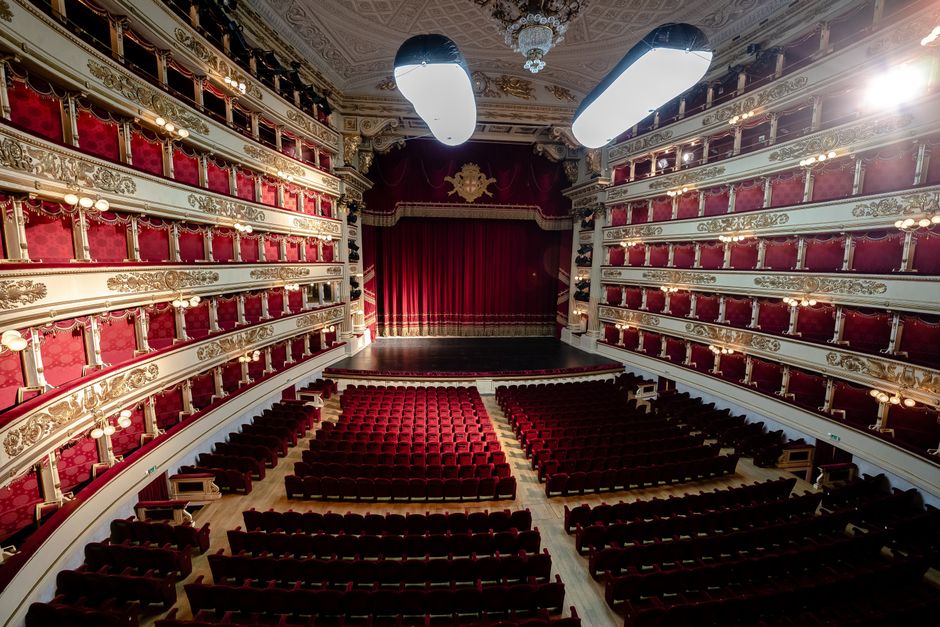
La Scala, Milan’s legendary opera house, stands as a hallowed ground in the annals of classical music, a stage where artistry is forged and legends are born. Within its opulent walls, no name resonates with more potent force than that of Maria Callas. Her tenure at La Scala, though marked by tempestuous brilliance and an indelible artistic impact, solidified her status as not merely a singer, but as the 20th century’s preeminent operatic force, the "divine diva" whose voice and dramatic interpretations redefined the art form. Her arrival in the late 1940s coincided with La Scala’s post-war resurgence, and her subsequent performances became synonymous with the opera house itself, imbuing it with a renewed sense of grandeur and artistic urgency.
Callas’s La Scala debut, on December 7, 1947, was in the demanding role of Aida. This initial performance, though met with critical anticipation, was merely the prelude to a decade of unparalleled triumph. The sheer scope of her repertoire at La Scala was breathtaking. She traversed from the bel canto heroines of Bellini and Donizetti – Norma, Amina, Lucia di Lammermoor – to the dramatic titans of Verdi and Puccini – Violetta Valéry, Tosca, Medea. This versatility was not just a matter of technical prowess; it was a testament to her profound understanding of character and her ability to imbue each role with a distinct psychological depth. Her Norma, for instance, was not just a High Priestess; she was a woman torn between duty and passion, her every note conveying the weight of her tragic destiny.
The 1950s marked the zenith of Callas’s career at La Scala. Her interpretations were not merely vocal recitals; they were immersive theatrical experiences. She famously stated, "I am not just singing; I am acting with my voice." This holistic approach to opera revolutionized audience perception. Her performances of Bellini’s I puritani, in 1952, under the baton of Tullio Serafin, were groundbreaking. Her portrayal of Elvira, a woman driven to madness by love, was so psychologically nuanced and vocally dazzling that it revitalized interest in a work that had been largely neglected. The clarity of her coloratura, the power of her sustained high notes, and the dramatic intensity of her phrasing created a performance that was both technically astonishing and emotionally devastating.
Verdi’s La traviata became another cornerstone of Callas’s La Scala legacy. Her Violetta, particularly in the 1955 production directed by Luchino Visconti, is considered definitive. Visconti’s staging emphasized the social ostracism and personal tragedy of the courtesan, and Callas’s performance perfectly captured Violetta’s vulnerability, her desperate gaiety, and her ultimate decline. The iconic "Addio del passato" was not sung; it was a confession of a dying soul, a moment of profound human suffering that left audiences breathless. This collaboration with Visconti, a master of cinematic realism applied to the operatic stage, elevated La traviata from a melodrama to a profound social commentary and a deeply personal tragedy.
Callas’s relationship with La Scala was not without its complexities. Her fiery temperament and uncompromising artistic standards often led to clashes with management, conductors, and even fellow singers. The infamous walkout during a performance of Bellini’s Norma in Rome in 1955, though not at La Scala, sent ripples of concern through the operatic world and foreshadowed the volatility that sometimes characterized her career. However, within the hallowed halls of La Scala, her artistic integrity was largely respected, even if her demands were often met with trepidation. Her unwavering commitment to the composer’s intent and her relentless pursuit of dramatic truth were qualities that La Scala, as a temple of operatic excellence, could not ignore.
The mezzo-soprano roles she tackled, once she shifted her vocal focus, were equally transformative. Her Carmen, a creature of raw sensuality and defiant independence, was a far cry from the demure interpretations that had preceded her. Her Medea, in Cherubini’s opera, a role notoriously difficult, was a monumental achievement. The raw power and primal rage she unleashed in "Medea! Medea! I await you!" were electrifying, a visceral depiction of a wronged woman’s vengeance. This performance, in 1953, under the direction of Victor de Sabata, is considered one of the most significant operatic revivals of the 20th century, largely due to Callas’s singular embodiment of the mythical sorceress.
The acoustic perfection of La Scala’s auditorium was an ideal canvas for Callas’s vocal instrument. Her ability to project across the vast space with both power and remarkable nuance was unparalleled. She possessed a vocal range that defied conventional categorization, able to navigate the treacherous high notes of bel canto with astonishing agility and then descend into the chest voice with a dark, dramatic resonance that spoke of profound emotional turmoil. This vocal dichotomy, her ability to be both a crystalline soprano and a dramatic mezzo, gave her interpretations a unique and captivating complexity.
Beyond the individual roles, Callas’s impact on La Scala’s programming and its reputation was immense. She championed works that were considered neglected or too demanding for contemporary singers. Her advocacy for bel canto, in particular, was instrumental in re-establishing these works as central to the operatic repertoire. She brought a level of vocal discipline and dramatic intelligence to these scores that forced conductors and audiences alike to reconsider their artistic merit. She didn’t just sing the notes; she breathed life into them, revealing the dramatic undercurrents and psychological complexities that had perhaps been overlooked.
The recordings made at La Scala during Callas’s prime are invaluable historical documents. These live recordings, often released with less polish than studio versions, capture the raw energy and electrifying atmosphere of her performances. The sonic evidence of her La Scala triumphs, whether it be the searing high E-flat in "Casta Diva" or the heart-wrenching vulnerability of "Addio del passato," continues to inspire and awe generations of opera lovers. These recordings are not merely a testament to her vocal gifts but to her ability to transport audiences to another realm, a realm of heightened emotion and profound artistic expression.
The years following the mid-1950s saw a gradual decline in Callas’s vocal prowess, a phenomenon often attributed to vocal strain and personal difficulties. However, even in her later La Scala performances, there were moments of incandescent brilliance that reminded everyone of the artist she was. Her final appearance at La Scala was in 1965, a farewell concert that, while tinged with sadness, still offered glimpses of the divine diva. This final chapter at the opera house that had witnessed her greatest triumphs marked the end of an era, a poignant closing to a story that had redefined operatic performance.
Maria Callas’s legacy at La Scala extends far beyond her personal performances. She irrevocably altered the perception of what an opera singer could be. She elevated the art of operatic acting to a level of psychological realism rarely seen before, proving that voice and drama were inextricably linked. Her courage to tackle demanding roles, her unwavering commitment to artistic truth, and her sheer force of personality left an indelible mark on La Scala and on the entire world of opera. The ghost of her performances still haunts the gilded boxes and velvet seats of La Scala, a constant reminder of the divine diva who once graced its stage and forever changed its operatic soul. Her association with the theatre remains its most enduring, and arguably most impactful, artistic legacy, a benchmark against which all subsequent operatic artists are measured. The history of La Scala is inextricably woven with the legend of Maria Callas, a testament to a partnership that produced some of the most unforgettable moments in operatic history.
