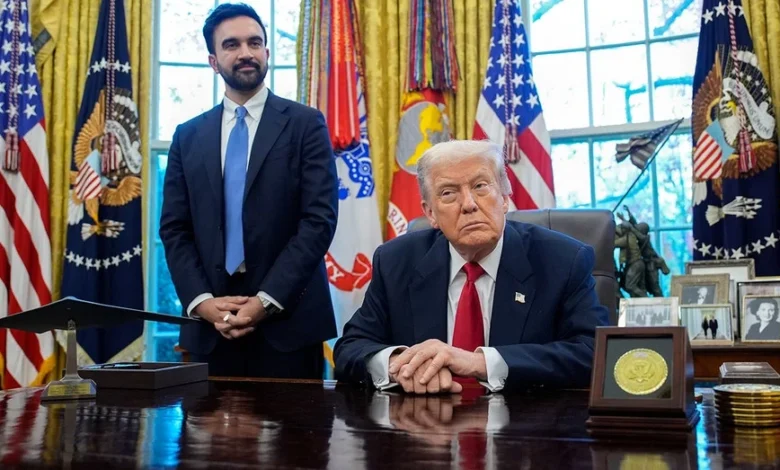
New York City Mayor Zohran Mamdani is scheduled to sit down with President Donald Trump on Monday at Gracie Mansion, the historic official residence of the city’s chief executive. The meeting, officially confirmed by the mayor’s office, is expected to center on critical municipal and federal issues affecting the nation’s largest urban center. While the exact timing of Monday’s engagement has not been publicly released, and the White House has yet to respond to formal requests for supplementary operational details, the summit marks another chapter in an unconventional yet pragmatic working relationship between two figures occupying markedly different corners of the American political landscape.
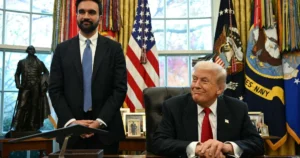
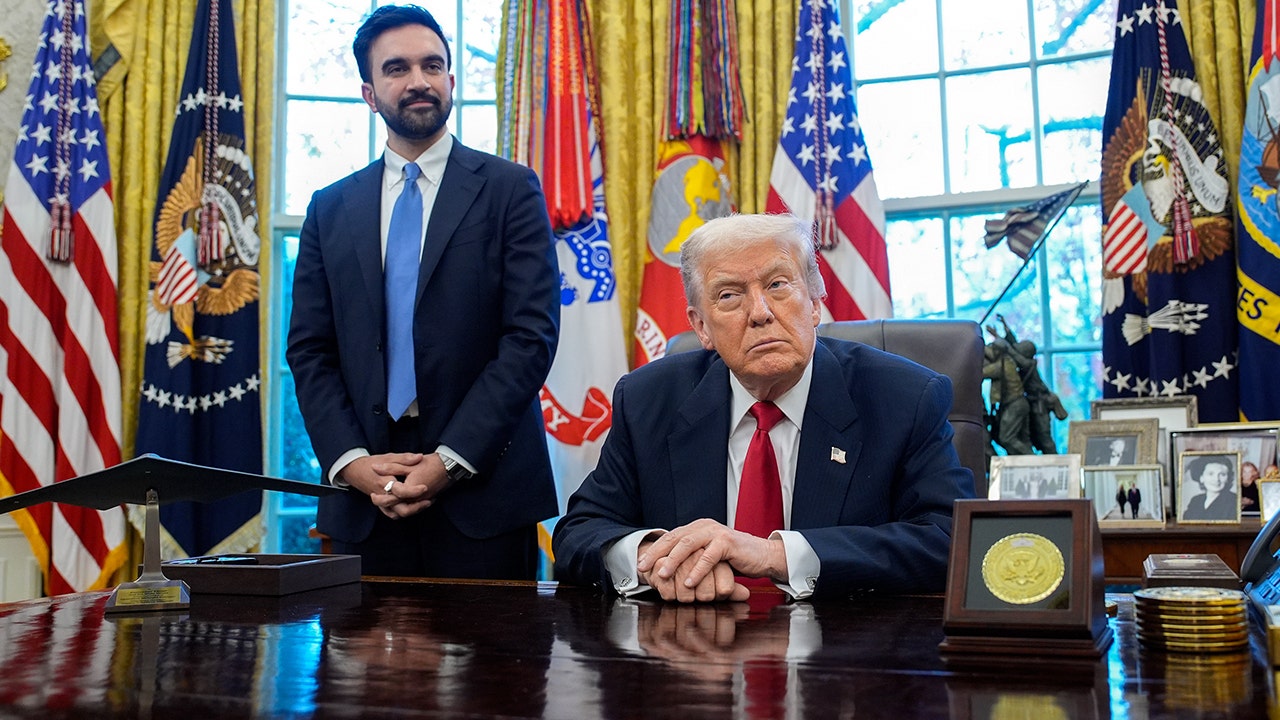
This upcoming discourse is far from an isolated interaction. Monday’s meeting will represent the third face-to-face sit-down between Trump and Mamdani since the New York City mayor assumed office. Their diplomatic and administrative rapport began shortly after Mamdani’s electoral victory, when the newly elected mayor traveled to Washington, D.C., for an introductory meeting in the Oval Office in November 2025. That initial meeting was followed by a subsequent working session at the White House in February. Despite deep ideological differences—with Trump representing the conservative wing of the Republican Party and Mamdani operating as one of the country’s most prominent progressive politicians and a darling of the Democratic Socialists of America (DSA)—both leaders have previously emphasized areas of pragmatic overlap, particularly regarding infrastructure, urban affordability, and economic development in the metropolitan area.
Background Context and High-Stakes Timing
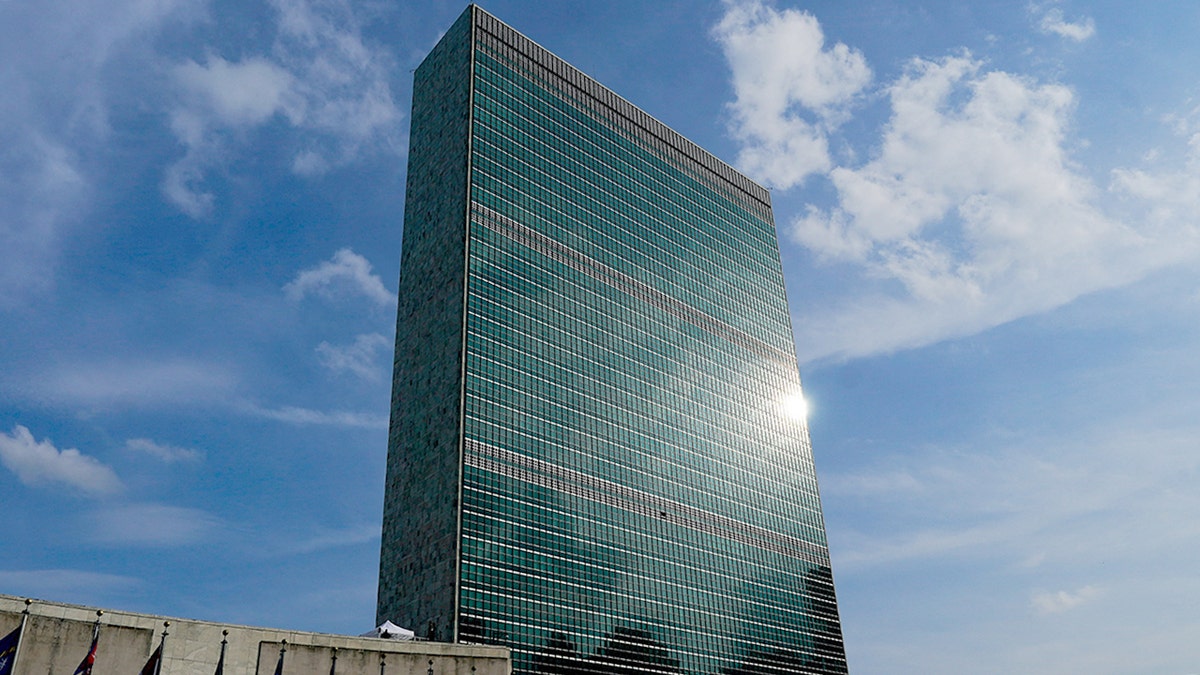
The timing of Monday’s meeting at Gracie Mansion is particularly sensitive and strategic, taking place against a backdrop of major domestic and international events. New York City is currently in the final stages of logistical preparation to host heads of state, diplomats, and international delegations from across the globe for the annual United Nations General Assembly (UNGA). The massive security, infrastructure, and diplomatic footprint required for UNGA traditionally demands rigorous coordination between municipal agencies and federal partners, making federal-local cooperation a pressing priority.
Simultaneously, the meeting occurs as the political landscape intensifies ahead of the November midterm elections. The final weeks of campaigning have brought national attention back to the shifting dynamics within the Democratic Party. Mamdani’s rise to the mayoralty of America’s financial capital, alongside a wave of victories by DSA-backed candidates in various primaries across the country, has catalyzed a fierce national debate regarding the ideological future and electoral strategy of the progressive movement. As debates over party platform viability, affordability crises, and government intervention take center stage on the national campaign trail, any interaction between a high-profile progressive municipal leader and a Republican president naturally carries profound political resonance.
Chronology of Federal-Municipal Engagements
To understand the trajectory of the relationship between President Trump and Mayor Mamdani, it is useful to review the established timeline of their formal encounters:
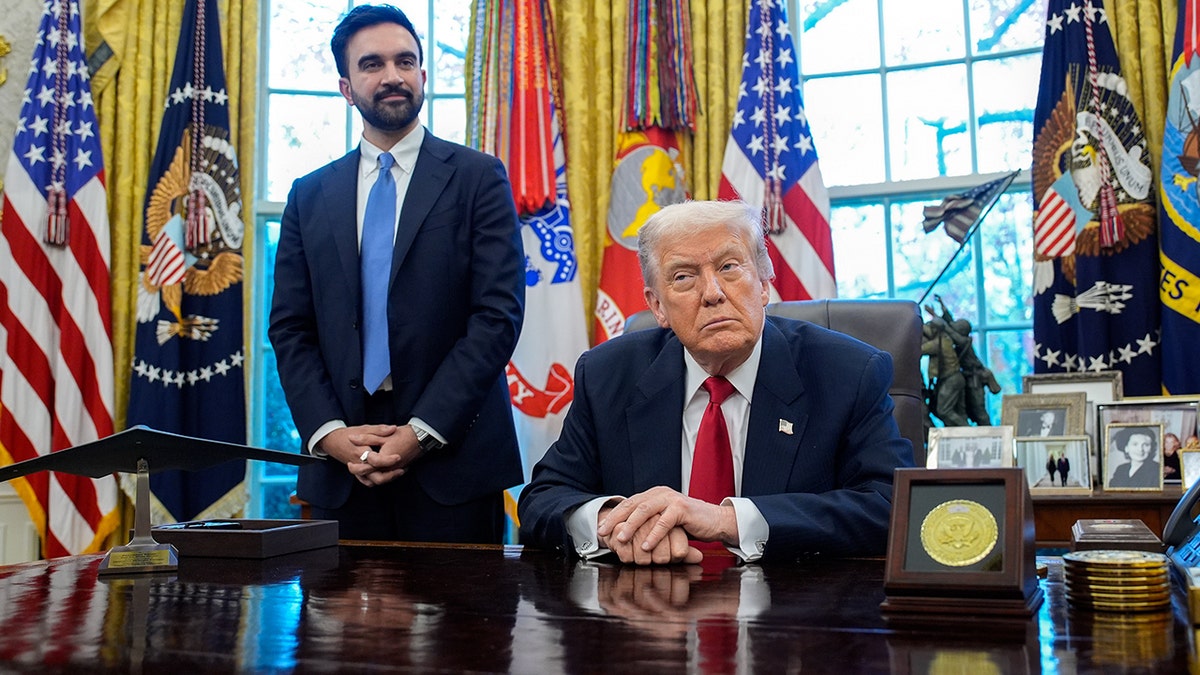
- November 2025: Shortly after winning the New York City mayoral election, Mayor-elect Zohran Mamdani travels to Washington, D.C., for his first official face-to-face meeting with President Donald Trump in the Oval Office. Discussions focus on broad metropolitan challenges, including the city’s housing shortage and the general economic health of New York.
- February 2026: The two leaders hold their second formal meeting, returning to the White House to discuss continued avenues for federal-municipal cooperation, infrastructure funding, and federal resource allocation for urban programs.
- September 2026 (Upcoming): President Trump travels to New York City to meet with Mayor Mamdani on his home turf at Gracie Mansion. The discussions are slated to cover immediate municipal challenges, security preparations for the UN General Assembly, and broader economic policies affecting urban populations.
The Core Agenda: Affordability, Housing, and Urban Policy
At the heart of Mayor Mamdani’s administration is a focus on systemic affordability, with particular emphasis on lowering New York City’s notoriously high housing costs. During their initial Oval Office meeting, housing and urban cost-of-living metrics served as primary talking points. For a city grappling with a multi-year housing crisis, municipal leaders must frequently look to federal housing grants, urban development policies, and regulatory adjustments that intersect with federal jurisdiction.
Mamdani has consistently framed his political mission around economic relief for working-class residents, targeting issues such as rent stabilization, tenant protections, and public transit funding. While the policy prescriptions championed by a democratic socialist mayor often clash with free-market conservative principles championed by the Trump administration, both executives have occasionally found common ground on specific infrastructure projects and economic initiatives that yield tangible benefits for New York’s vast commercial and residential sectors. Observers note that maintaining an open channel of communication between City Hall and the White House is a vital constitutional and administrative necessity, regardless of partisan affiliations, given the city’s status as a global economic engine and a primary target for federal security and transportation funding.
Broader Implications for National Politics
The meeting also highlights the shifting paradigms of American federalism and cross-party cooperation. In an era marked by intense political polarization, the ability of a progressive municipal executive to negotiate directly with a conservative presidential administration is frequently scrutinized by political analysts and party strategists alike.
For the Democratic Party, the prominence of figures like Mamdani presents both an opportunity and a challenge. While progressive policies centered on economic justice and housing affordability resonate deeply in urban environments, party centrists continue to debate whether such a platform can successfully win statewide and national majorities in competitive congressional districts. Conversely, the Republican administration’s willingness to engage with progressive mayors demonstrates a pragmatic approach to governance, acknowledging that the effective administration of major metropolitan areas—which drive a substantial percentage of the national GDP—requires cross-ideological administrative channels.
As world leaders prepare to converge on Manhattan for the United Nations General Assembly and the midterm elections reach their decisive final stretch, the meeting at Gracie Mansion serves as a reminder of the complex interplay between local leadership, federal authority, and national political narratives. Whether Monday’s discussions will yield concrete policy agreements or simply reinforce a baseline working relationship remains to be seen, but the outcome will undoubtedly be closely monitored by political stakeholders across the political spectrum.