
Black Americans Federal Reparations
Black Americans Federal Reparations: A Comprehensive Examination of the Historical, Economic, and Social Imperatives
The call for federal reparations for Black Americans is not a nascent plea but a long-standing demand rooted in centuries of systemic injustice, primarily stemming from chattel slavery, its enduring legacies, and subsequent discriminatory policies. This article delves into the multifaceted arguments for reparations, exploring their historical context, the profound economic disparities they aim to address, and the broader social and moral imperatives underpinning this movement. Understanding reparations requires a deep dive into the foundational harm inflicted upon Black individuals and communities, and the persistent, intergenerational consequences that continue to manifest in significant wealth gaps, limited access to opportunities, and ongoing systemic disadvantages.
The historical foundation of the reparations debate is inextricably linked to the institution of chattel slavery in the United States, which spanned over 250 years. During this period, enslaved Black people were systematically dehumanized, exploited for their labor, and denied any form of compensation or autonomy. This forced labor not only built significant wealth for enslavers and the nascent American economy but also stripped generations of Black individuals of their birthright: the fruits of their labor and the opportunity to accumulate generational wealth. Upon emancipation, rather than providing restitution or land redistribution, formerly enslaved people were largely left to navigate a hostile society with little to no resources, often facing continued oppression through Black Codes and sharecropping, which perpetuated economic dependency and exploitation. The promise of "40 acres and a mule," a brief vision of economic restitution, was ultimately rescinded, symbolizing a broader pattern of governmental failure to rectify the immense economic and social damage wrought by slavery. This historical context is crucial because it establishes that the current economic and social disadvantages faced by many Black Americans are not the result of individual failings but of a deliberate and sustained system of oppression with calculable financial and social costs.
The economic argument for federal reparations is primarily centered on addressing the vast and persistent wealth gap between Black and White Americans. This disparity is not an accident but a direct consequence of historical injustices and ongoing discriminatory practices. Studies consistently demonstrate that the median net worth of Black households remains significantly lower than that of White households. This wealth gap encompasses not only financial assets but also homeownership, business ownership, and access to quality education and healthcare, all of which are key drivers of intergenerational wealth accumulation. Federal reparations proposals aim to provide a direct economic injection to Black communities, not merely as a form of charity, but as a measured restitution for the uncompensated labor and wealth stolen during slavery and the subsequent denial of economic opportunities. Various models for reparations have been proposed, ranging from direct cash payments to Black individuals and descendants of enslaved people, to investments in Black communities through initiatives focused on education, housing, entrepreneurship, and healthcare. The economic rationale is that such investments can begin to dismantle the structural barriers that have prevented Black Americans from building and transferring wealth, thereby fostering greater economic equity and social mobility.
Beyond wealth accumulation, reparations are seen as a necessary step to address the systemic disadvantages that permeate Black communities. These disadvantages manifest in various forms, including disparities in the criminal justice system, where Black individuals are disproportionately arrested, convicted, and incarcerated, leading to significant disruptions in their lives and economic potential. Educational disparities are also a major concern, with underfunded schools in predominantly Black neighborhoods often failing to provide the same quality of education and resources as those in White communities, perpetuating cycles of limited opportunity. Furthermore, historical and ongoing discriminatory housing practices, such as redlining, have led to segregated communities with limited access to resources, healthcare, and employment opportunities. Reparations, in this context, are not just about rectifying past wrongs but about actively creating a more equitable future by investing in the social infrastructure that has been historically neglected or actively undermined in Black communities. This could include targeted funding for schools, healthcare facilities, affordable housing initiatives, and programs designed to support Black entrepreneurs and businesses.
The moral and ethical imperative for reparations is equally profound. The United States was founded on ideals of liberty and equality, yet the institution of slavery and its subsequent manifestations stand in direct contradiction to these principles. Proponents argue that a nation that benefited so immensely from the forced labor and subjugation of an entire group of people has a moral obligation to acknowledge and atone for this historical injustice. This atonement is not just symbolic; it is about acknowledging the profound human cost of slavery and discrimination, which includes the loss of life, culture, identity, and opportunity. Reparations are viewed as a mechanism for formal recognition of the harm inflicted and a commitment to restorative justice. This involves not only financial compensation but also apologies, truth and reconciliation processes, and policy changes designed to prevent future harm. The moral argument extends to the idea that true national healing and reconciliation are impossible without addressing the foundational sins of the nation’s past.
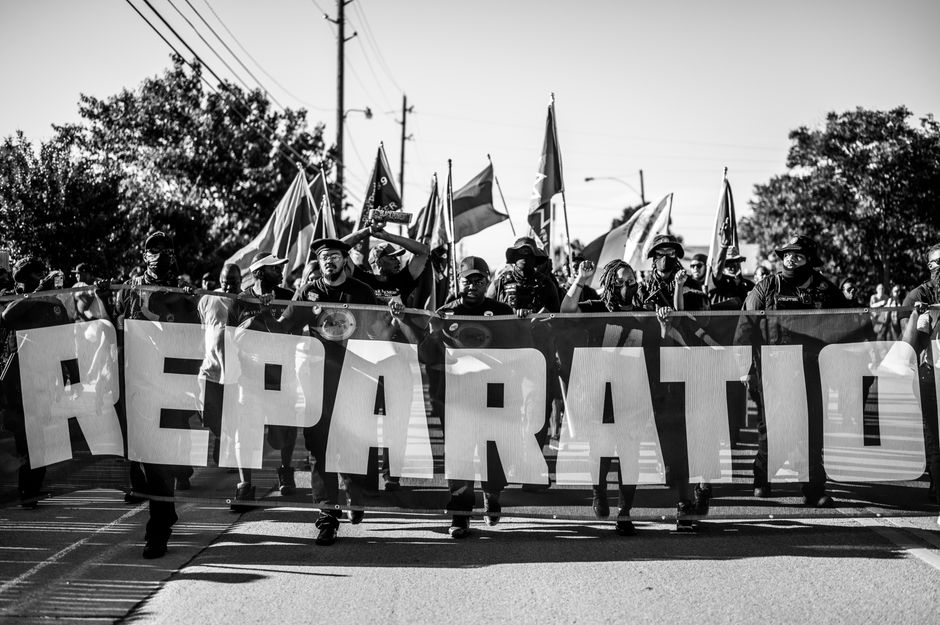
Various organizations and activists have been instrumental in advancing the reparations movement. For decades, scholars and policymakers have meticulously documented the economic and social costs of slavery and systemic racism, providing a robust evidence base for reparations. Groups like the National Coalition of Blacks for Reparations (NCBCR) and the Reparations Now movement have advocated for legislative action, community organizing, and public education campaigns. The increasing prominence of this issue in public discourse, particularly in recent years, reflects a growing awareness of the enduring impact of historical injustices and a greater willingness to confront the nation’s complicity. The ongoing discussions around reparations are a testament to the persistent struggle for justice and equality for Black Americans, demanding that the nation fully confront its past and take concrete steps towards rectifying its most profound historical wrong.
The debate surrounding federal reparations for Black Americans is complex and multifaceted, encompassing historical accountability, economic equity, social justice, and moral imperatives. The core of the argument rests on the undeniable legacy of chattel slavery and subsequent discriminatory practices that have created profound and persistent disparities in wealth, opportunity, and well-being for Black communities. Proponents argue that only through concrete, federally mandated actions, such as financial restitution and targeted investments in Black communities, can the United States begin to mend the deep wounds of its past and move towards a truly just and equitable future. The continued discussion and growing momentum behind reparations underscore the urgency of addressing these historical injustices and ensuring that the promise of equality extends to all Americans.
