Wildfires Ravage Northern First Nations as Jurisdictional Disputes Delay Emergency Aid for Destroyed Communities

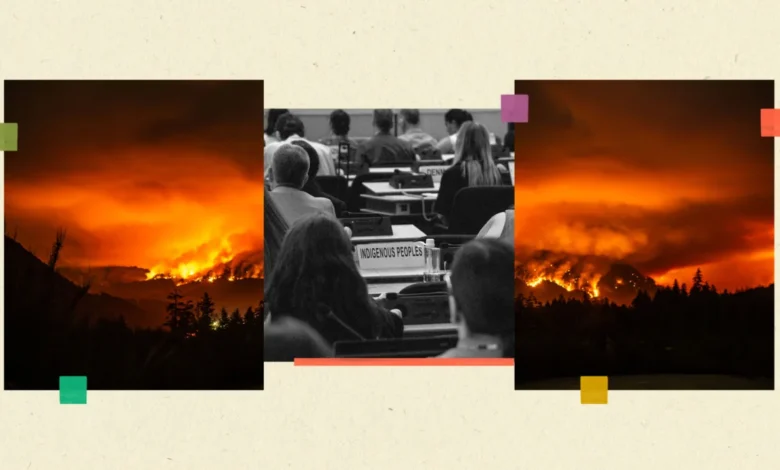
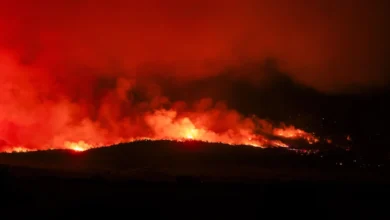
The Canadian landscape is currently besieged by a catastrophic wildfire season, with more than 900 active blazes tearing through timberlands and threatening the ancestral territories of Indigenous peoples. As of the latest reports, 13 First Nations remain under mandatory evacuation orders, a directive that has uprooted 2,182 individuals from their homes and traditional lands. While the physical toll of the flames is immense, a burgeoning crisis of bureaucracy and jurisdictional ambiguity is complicating the recovery efforts, leaving some of the most vulnerable populations in a state of precarious uncertainty.
Among the hardest-hit areas is the Namaygoosisagagun (Collins) First Nation, a remote community located approximately 125 miles north of Thunder Bay, Ontario. On Wednesday, the community witnessed the near-total destruction of its infrastructure in less than 60 minutes. A fast-moving wildfire, fueled by dry conditions and high winds, advanced with such velocity that residents were forced to flee with only minutes to spare. Because the community is inaccessible by road, the evacuation was carried out primarily by boat, with families watching from the water as their homes and community buildings were consumed by the inferno.
Anishinabek Nation Grand Council Chief Linda Debassige confirmed the devastation in a formal statement, noting that while all community members have been accounted for, the physical loss is absolute. The speed of the fire prevented any coordinated provincial or federal intervention during the initial onset, leaving the residents of Namaygoosisagagun to rely on their own emergency protocols and the bravery of neighbors who went door-to-door to ensure no one was left behind.
The Scope of the National Wildfire Crisis
The current wildfire situation in Canada represents an escalating environmental and humanitarian emergency. According to the Canadian Wildland Fire Information System, there were 903 fires burning across the country as of Friday. Of these, a staggering 750 are classified as "out of control," indicating that containment efforts are currently insufficient to halt their progression. In a single 24-hour period leading into the weekend, 43 new fires were ignited, further straining the resources of the Canadian Interagency Forest Fire Centre (CIFFC).
The province of Ontario has become the epicenter of this struggle, particularly for Indigenous communities. Currently, 193 fires are active within provincial borders, forcing seven First Nations to declare states of emergency. The Chiefs of Ontario have reported that mandatory evacuation orders were issued for several communities, including Whitesand First Nation, Kiashke Zaaging Anishinaabek, and Animbiigoo Zaagi’igan Anishinaabek. While dozens of non-Indigenous municipalities have also been evacuated, the logistical and financial hurdles facing First Nations are uniquely complex due to their remote locations and the specific legal frameworks governing their relationship with the Crown.
Jurisdictional Barriers and the Fight for Recognition
The tragedy at Namaygoosisagagun has highlighted a deep-seated systemic issue regarding the federal recognition of Indigenous communities. Although the residents of Collins are recognized as First Nations people under the federal Indian Act, the community itself lacks formal status as a "recognized" First Nation community in the eyes of the federal government. This distinction, often dismissed as a technicality in stable times, has become a matter of survival in the wake of the wildfire.
Meaghan Daniel, a lawyer representing the Namaygoosisagagun First Nation, has sounded the alarm regarding the denial of federal assistance. Because the community lacks official recognition, it has reportedly been barred from accessing the standard emergency, recovery, and reconstruction funds typically earmarked for First Nations. This bureaucratic exclusion has prompted a formal appeal to the Ministry of Indigenous Services.
In a letter addressed to the ministry, Daniel emphasized that without access to these funds, the community may never recover. The letter argues that this is not merely a delay in administrative processing but an existential threat to the community’s future. For a people who have inhabited their territory since time immemorial, the loss of their physical structures combined with the denial of rebuilding support could lead to a permanent displacement, effectively erasing a community that has spent decades building its modern presence.
A Chronology of the Namaygoosisagagun Fire
The timeline of the disaster illustrates the extreme volatility of contemporary wildfires in the Canadian North.
Wednesday Morning: High temperatures and low humidity created a "tinderbox" environment in the boreal forest surrounding Collins. Despite the known risks, community leaders reported a lack of advanced warning or satellite-based alerts from provincial or national fire monitoring agencies.
Wednesday Afternoon: A fire ignited in the vicinity and, driven by shifting winds, moved toward the settlement. Within minutes, the blaze transitioned from a distant threat to an immediate danger. With no road access for fire trucks or heavy machinery, residents initiated a grassroots evacuation. Neighbors alerted neighbors, and more than two dozen people boarded small watercraft to escape via the local lake system.
Wednesday Evening: Grand Council Chief Linda Debassige released an initial statement confirming the "extensive damage and destruction" of homes and community buildings. The Anishinabek Nation began coordinating with regional partners to find temporary shelter for the displaced residents.
Thursday: During a national assembly in Ottawa, the Assembly of First Nations (AFN) passed emergency resolutions to provide immediate support for Namaygoosisagagun. The resolution served as a public demand for the federal government to bypass "technicalities" and provide the necessary aid for reconstruction.
Friday: Federal officials from Indigenous Services Canada stated that efforts were finally underway to assess the community’s immediate needs. However, the question of long-term reconstruction funding remains tethered to the community’s legal status.
Administrative Frustrations and Political Reactions
The lack of communication and the presence of "bureaucratic red tape" have drawn sharp criticism from Indigenous leadership across Ontario. During an emergency meeting on Wednesday, Ontario Chiefs expressed profound frustration with the processes required to access emergency response services. They noted that the time taken to fill out forms and navigate jurisdictional overlaps often exceeds the time it takes for a fire to destroy a village.
Ontario Regional Chief Abram Benedict has been vocal about the human cost of these delays. "Jurisdictional disputes and administrative delays have immediate consequences and put lives at risk," Benedict stated. He argued that the priority should be the safety and relocation of people, rather than debates over financial responsibility and technical definitions of what constitutes a "recognized" community.
The Assembly of First Nations has echoed these sentiments, calling for a more streamlined and culturally sensitive approach to emergency management. The current model, which often requires First Nations to "apply" for help during an active crisis, is increasingly viewed as an outdated and dangerous relic of colonial administration.
Environmental and Social Implications
The 2024 wildfire season is part of a broader trend of increasing fire intensity in Northern Canada, a phenomenon that many scientists attribute to the shifting climate. For remote First Nations, these fires represent more than just a loss of property; they are an assault on a way of life. The destruction of the surrounding forest impacts traditional hunting and gathering grounds, which are essential for food security and cultural continuity.
Furthermore, the lack of road access in communities like Namaygoosisagagun creates a unique set of challenges. When a community is "fly-in" or "boat-in" only, the cost of bringing in building materials for reconstruction is exponentially higher than in southern, road-accessible areas. If the federal government does not provide specialized support, these communities face the very real possibility of "slow-motion" extinction, where the cost of living and rebuilding becomes prohibitive for the residents.
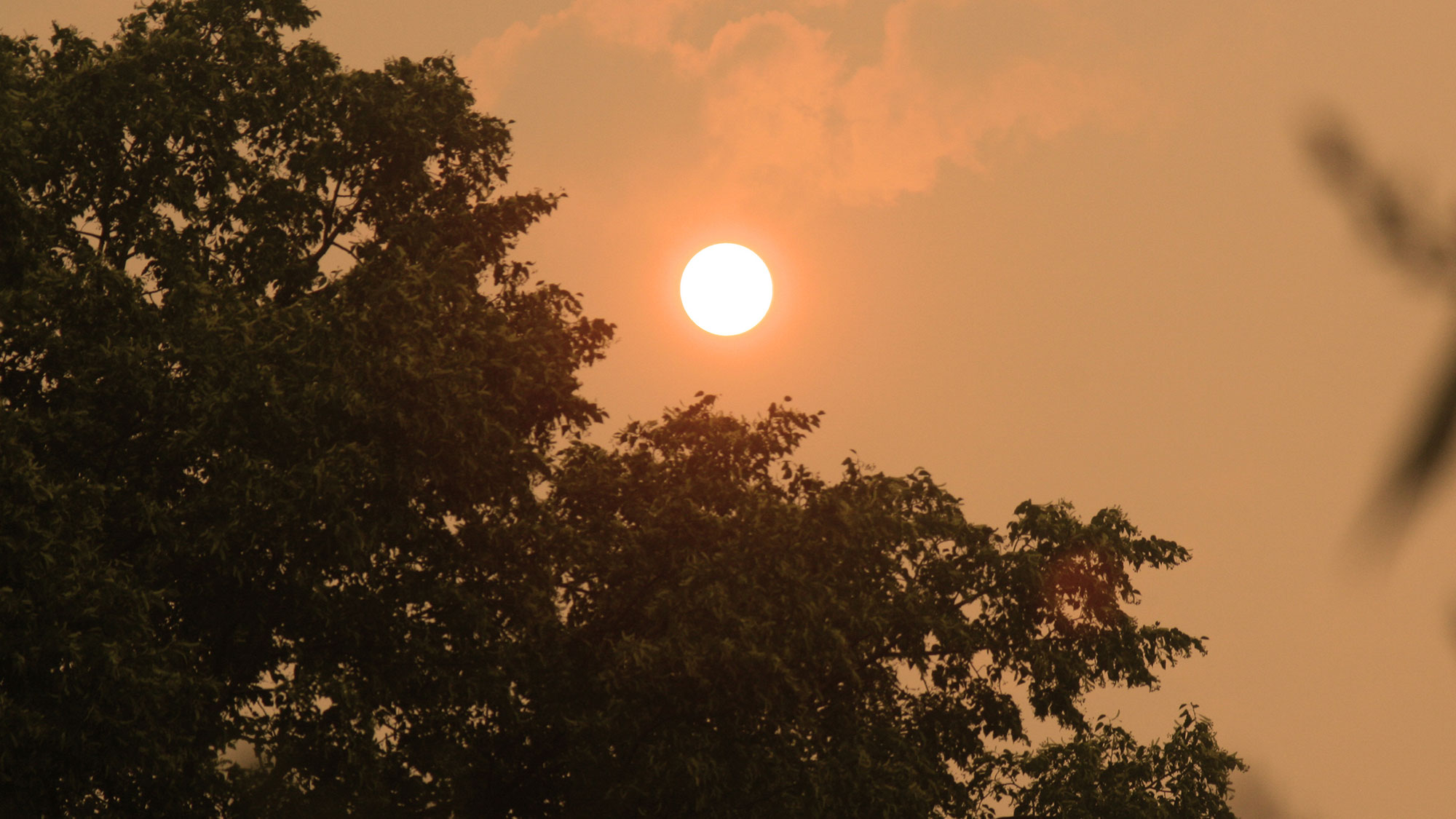
The smoke from these 903 fires has also created a public health crisis that extends far beyond the fire lines. Air quality alerts have been issued as far south as the United States, but for those living in the direct path of the smoke in Northern Ontario, the long-term respiratory effects are a major concern, particularly for elders and children.
The Path Forward
As the situation unfolds, the Anishinabek Nation has called for a period of privacy and prayer for the people of Namaygoosisagagun. The immediate focus remains on ensuring that the 2,182 displaced individuals across the 13 affected Nations have access to food, clean water, and mental health support.
However, the broader conversation has already shifted toward the need for a fundamental overhaul of how Canada manages emergencies in Indigenous territories. The case of the Collins First Nation serves as a grim reminder that when legal definitions are prioritized over human lives, the consequences are devastating.
For Namaygoosisagagun to have a future, the federal government must decide whether it will adhere to the strictures of the Indian Act or honor the inherent rights of the people who have called that land home for generations. As the ashes cool in Northern Ontario, the resilience of the community is evident, but their ability to rebuild hinges on a political will that matches the urgency of the flames they so narrowly escaped.
Related posts: