Aftermath of the Historic September Nor’easter Leaves Northeast Wildlife Vulnerable and Prompts Urgent Rescue Efforts

The devastating early-season nor’easter that battered the northeastern United States over the final weekend of September 2026 has finally begun to dissipate, leaving behind a trail of infrastructural damage, flooded coastal communities, and a quiet crisis for regional wildlife. While human communities grapple with property damage, power outages, and the tragic loss of at least one life alongside four injuries, environmental experts are sounding the alarm for the region’s fauna. Wildlife rehabilitators across the Northeast are urging residents to remain vigilant, as the storm’s ferocious winds, torrential downpours, and churning coastal waters have severely disrupted local ecosystems right at the height of the autumn transition.
Meteorological Chronology and Impact of the Late-September Storm
The severe weather event materialized late in the week, rapidly intensifying off the mid-Atlantic coast before marching northward through New York, Connecticut, Rhode Island, and Massachusetts. By Friday, September 25, 2026, meteorologists had classified the system as a potent nor’easter—a formidable extratropical cyclone characterized by winds blowing from the northeast off the Atlantic Ocean onto the coastal shores.
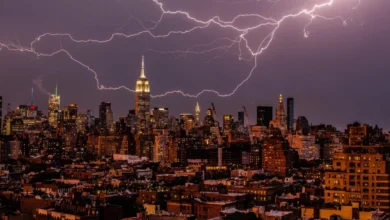
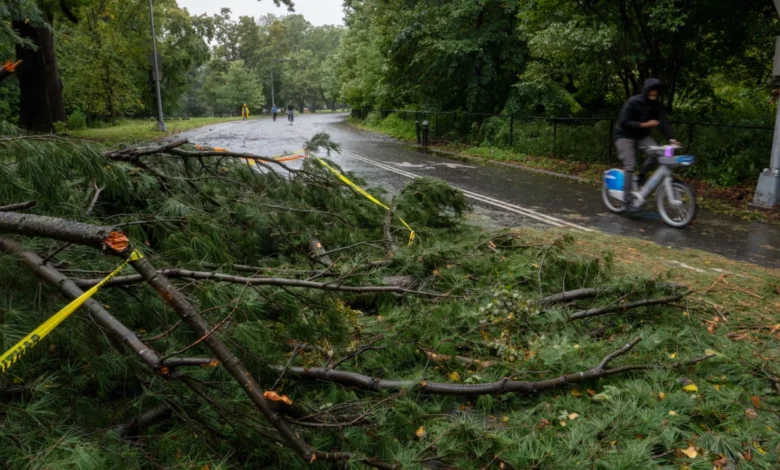
Unlike winter nor’easters known for blinding snowstorms, this early autumn iteration unleashed heavy, relentless rainfall, combined with sustained gale-force winds exceeding 60 miles per hour in exposed coastal zones. Major metropolitan centers, including New York City, experienced significant urban flooding, downed power lines, and shattered tree limbs, culminating in structural damage and dangerous transit disruptions. By Monday, September 28, the storm had drifted far enough offshore to allow emergency crews to begin cleanup operations. However, the ecological shockwaves of the severe weather are only beginning to surface.
The Double Threat to Autumn Migratory Birds
Wildlife experts at facilities such as the Cape Wildlife Center in Cape Cod, Massachusetts, emphasize that the timing of the storm could not have been worse for local and migratory animal populations. Late September marks the absolute peak of the North American fall bird migration. Hundreds of millions of Neotropical migrants and coastal seabirds traverse the Atlantic flyway during this window, relying on favorable atmospheric conditions to guide their long journeys southward to warmer wintering grounds.
The severe northeastern winds functioned as an aerial trap for many of these travelers. Strong gusts pushed migrating flocks off course, forcing exhausted birds down onto unfamiliar terrain. Furthermore, the Cape’s unique hook-like geography acted as a natural barrier, channeling a massive volume of pelagic seabirds directly onto beaches and inland areas.
Species such as northern gannets, common loons, murres, and dovekies are profoundly vulnerable in these scenarios. Designed primarily for life on the open ocean and air, these seabirds possess limited mobility on land. Exhausted by hours of battling hurricane-force headwinds, many suffer from hypothermia due to the chilling, relentless rain. Additionally, the disorienting effects of heavy cloud cover and torrential downpours often cause birds to mistake wet, dark asphalt parking lots, urban backyards, and damp fields for bodies of water, resulting in crash-landings that leave them stranded and defenseless against predators.
Perils Facing Late-Season Mammal Offspring
While avian populations absorb the brunt of the coastal winds, terrestrial and arboreal mammals face a distinct set of weather-related hazards. Despite the onset of autumn, late-season reproduction remains active for several resilient mammal species. Wildlife biologists note that September frequently plays host to the tail end of "baby season" for various small mammals.
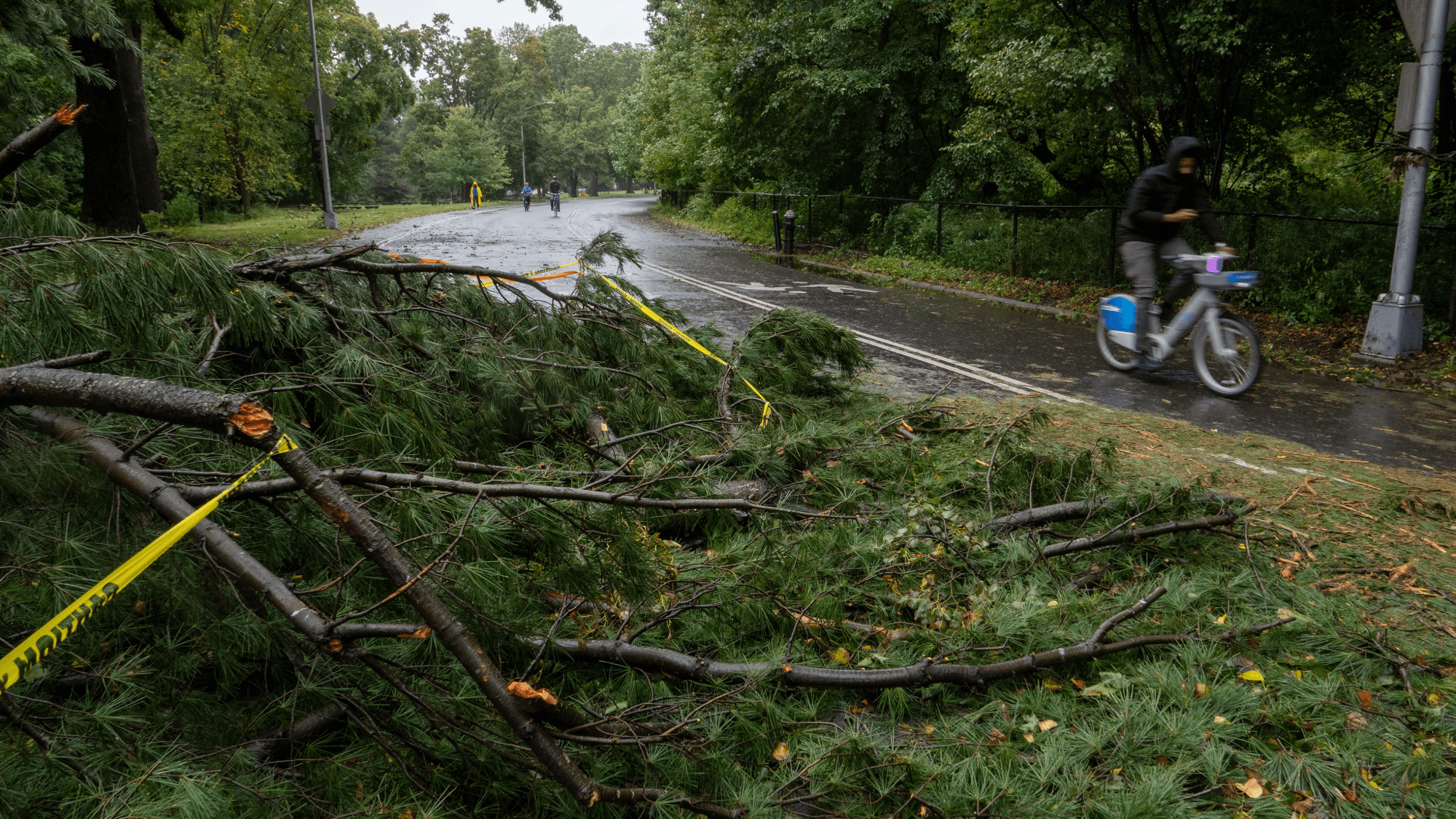
Arboreal creatures, including gray squirrels and red squirrels, frequently house their second-litter altricial young in high tree cavities and dense canopy nests. As the nor’easter’s violent gusts tore through mature forests—toppling trees in urban parks like Brooklyn’s Prospect Park and rural woodlands alike—these precarious nurseries were often sent crashing to the ground.
Ground-dwelling mammals face an equally perilous reality. Burrowing species such as eastern cottontail rabbits, Virginia opossums, and eastern chipmunks often maintain low-lying nursery burrows. The multi-day deluge caused widespread flash flooding in these subterranean homes, drowning litters or forcing vulnerable, furless young out into the open elements where they quickly succumb to hypothermia or opportunistic predators.
Official Responses and Protocols for Displaced Wildlife
In the wake of the disaster, state and local animal control agencies, alongside specialized wildlife rehabilitators, have been inundated with calls from concerned citizens discovering disoriented animals. Institutional leaders emphasize that community awareness is the primary line of defense for wildlife during extreme weather events.
The Cape Wildlife Center released comprehensive safety protocols for residents participating in storm cleanup. The most immediate directive involves the inspection of fallen timber. Officials strongly advise property owners and municipal cleanup crews to thoroughly examine knotholes, hollow trunks, and tangled foliage for nesting wildlife before feeding debris into woodchippers or chainsaws. It is entirely common for animals to remain sheltered inside a tree even after it has been uprooted.
For citizens who encounter distressed or displaced wildlife, the recommended courses of action vary significantly by species due to public health and safety regulations:
- Rabies Vector Species: Animals classified as potential carriers of the rabies virus—most notably raccoons, skunks, bats, and foxes—pose a distinct biological risk. Citizens are strictly instructed never to handle these animals directly. Instead, residents should immediately contact local animal control or a certified wildlife rehabilitator for safe, professional extraction.
- Non-Rabies Species: For vulnerable, non-rabies-vector animals such as rabbits, opossums, and chipmunks, temporary containment is often vital. Experts advise gently placing the animal into a warm, dark, and quiet box to reduce shock while awaiting professional assistance. Feeding or attempting to administer water should be avoided, as stressed animals can easily aspirate.
Broader Ecological Implications and Long-Term Outlook
Environmental analysts point out that severe weather events like the late-September nor’easter underscore the growing fragility of regional ecosystems under shifting climatic pressures. While nor’easters are a historically recurring seasonal phenomenon in the Northeast, scientists monitor whether atmospheric warming trends amplify the frequency and intensity of early-season tropical and extratropical hybrids.
The immediate ecological implication is a temporary localized spike in wildlife mortality and rehabilitation admissions. However, robust community networks play a crucial role in mitigating these impacts. Organizations such as Animal Help Now (AHNow.org) serve as centralized digital directories connecting citizens with certified rehabilitators who can provide emergency medical care, fluid therapy, and nutritional rehabilitation to storm-shocked animals.
As municipal recovery efforts transition from clearing blocked roadways to restoring damaged electrical grids, conservationists hope that heightened public awareness will translate into prolonged protection for the region’s wildlife. For now, residents across the Northeast are encouraged to remain watchful during cleanup, assist vulnerable fauna where safely possible, and prepare for the broader climatic shifts as autumn transitions toward the colder winter months ahead.