How an Overlooked Electrical Code Can Save Homeowners Thousands on Green Energy Upgrades

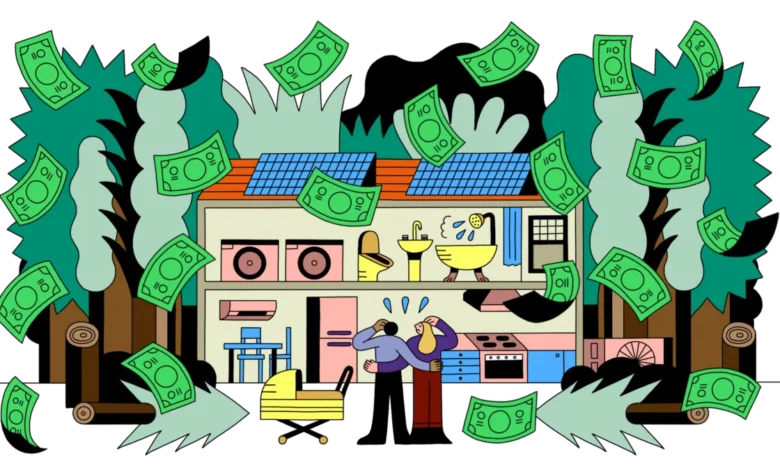
The global push to transition residential properties away from fossil fuels has popularized the mantra to electrify everything. By swapping out natural gas or oil-powered furnaces, water heaters, stoves, and dryers for high-efficiency electric alternatives like heat pumps and induction cooktops—while simultaneously adopting electric vehicle (EV) chargers—homeowners can drastically reduce household carbon footprints. However, this sweeping domestic decarbonization movement frequently runs into a severe and costly bottleneck: the capacity limitations of residential electrical panels.
Standard home connections to the electrical grid are measured in amperage, commonly referred to as amps, which defines the maximum amount of electrical current a property can draw safely at any given moment. Houses constructed over the last several decades typically feature a 200-amp service capacity. Conversely, a substantial portion of older American real estate stock operates at lower thresholds, such as 100 amps or less, because these properties were originally built during an era when electricity was primarily required for basic lighting, refrigeration, and small appliances.
Recent empirical data compiled by the Lawrence Berkeley National Laboratory reveals that approximately one-third of all residential properties in the United States feature electrical panel capacities of 100 amps or less. In regions such as the Northeast, that vulnerability is even more pronounced, with nearly half of all homes operating under these legacy capacity limits. When modern homeowners attempt to stack heavy electrical loads like EV chargers, heat pump water heaters, and central climate control onto these older systems, they routinely face warnings from electricians that their infrastructure is dangerously inadequate. Consequently, many are told they must undergo a complete electrical service upgrade, a disruptive and expensive ordeal that can easily range from several thousand dollars to upwards of $20,000 depending on regional labor rates, rural isolation, or the presence of underground utility lines.
The Hidden Pitfall of Traditional Electrical Calculations
The core of the problem often lies not in the physical limitations of the home’s wiring, but rather in the methodology electricians use to calculate power demand. Traditionally, when a homeowner plans an expansion or a major appliance swap, electrical contractors rely on the standard calculation method outlined in the National Electrical Code (NEC).
This traditional approach requires electricians to tally the rated maximum load of every single electrical device in a home simultaneously. It assumes a worst-case scenario where every light, appliance, heating element, and motor is operating at maximum capacity at the very same hour of the day. For a modern home undergoing electrification, running this mathematical formula frequently pushes the theoretical demand past 200 amps, triggering automatic demands for costly service upgrades, transformer replacements by local utilities, and extensive trenching.
However, industry experts and regulatory specialists point out that this theoretical approach rarely reflects reality. Households rarely, if ever, draw their maximum potential capacity all at once. Recognizing this disconnect, building codes have long included alternative pathways to evaluate actual energy consumption, though these methods remain surprisingly obscure to many practicing electricians.
A Real-World Case Study in Burlington, Vermont
The financial stakes and procedural confusion surrounding service upgrades are exemplified by the experience of homeowners navigating modern green home renovations. When one Burlington, Vermont resident moved into a home equipped with natural gas heating, cooking, and laundry appliances, an initial proactive upgrade from 150 amps to 200 amps was completed smoothly during routine renovations. This capacity adjustment successfully accommodated an EV charger, a central heat pump system, an induction stove, and preliminary wiring for an electric dryer.
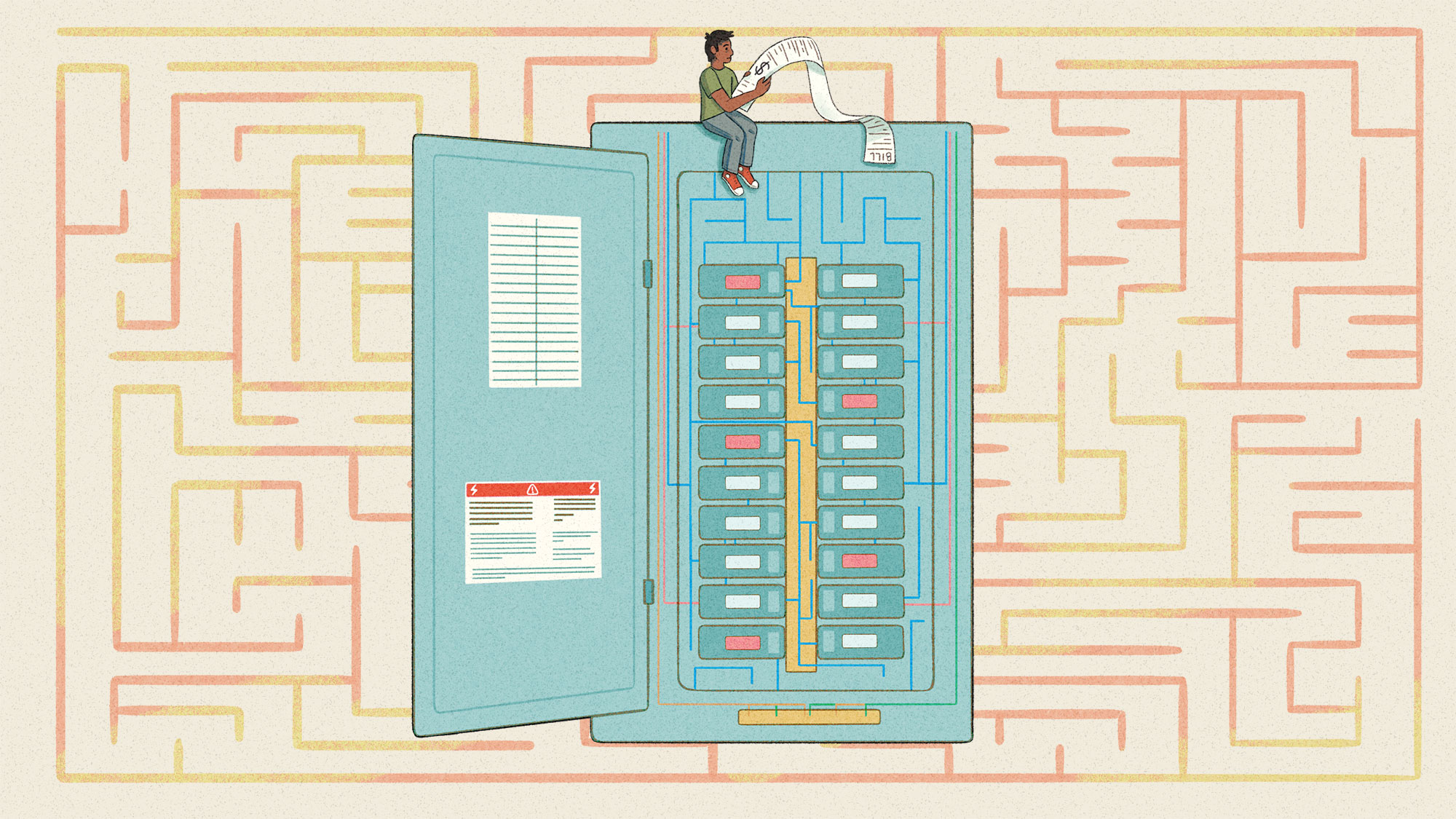
Complications arose later when the homeowners planned an 800-square-foot architectural addition. The expansion required two additional compact heat pumps, supplementary lighting, additional outlets, and the decommissioning of the remaining gas dryer. When the project’s electrician ran the numbers using the standard NEC cumulative method, the calculated load jumped to approximately 192 amps. Factoring in the new addition pushed the theoretical demand to roughly 227 amps, comfortably exceeding the threshold of the home’s 200-amp panel.
The electrician informed the homeowner that avoiding an expensive service upgrade—estimated to cost well over $10,000 due to the need for new underground utility lines and potential local transformer overhauls—would require installing costly smart panels or multiple load-sharing switches. These hardware alternatives typically range from $2,000 to $4,000 in equipment costs alone, excluding professional labor.
Unlocking Capacity Through Real-World Utility Data
Determined to find an alternative, the homeowner contacted Burlington Electric Department. A utility advisor immediately challenged the necessity of an upgrade, directing attention to an alternative compliance pathway embedded within the electrical code: Section 220.87 (recently renumbered in updated code editions to Section 120.87).
Unlike the standard cumulative method, Section 220.87 permits electricians and inspectors to evaluate a home’s electrical capacity using actual historical energy consumption data captured over a full 12-month period. Because roughly 73 percent of American households are now equipped with smart utility meters, obtaining this granular data is increasingly straightforward.
The homeowner requested a year’s worth of interval data from the utility provider. Upon receiving a detailed spreadsheet containing thousands of rows of consumption records, the data was processed through TrueLoad, a specialized digital compliance tool designed to parse smart meter readings for electrical contractors.
The analysis revealed that the home’s actual peak electrical demand for the entire preceding year occurred on January 20, topping out at a modest 62 amps. Even after factoring in the code-mandated 25 percent safety buffer, the adjusted peak demand reached only about 77 amps. This meant the household was utilizing less than 40 percent of its total 200-amp service capacity. When the projected load of the new home addition was added to this historical baseline, the total remained well within safe operational limits. The homeowners avoided thousands of dollars in unnecessary infrastructure upgrades simply by switching evaluation methodologies.
Industry Perspectives and the Need for Better Awareness
Experts across the energy efficiency and electrical sectors emphasize that this scenario is remarkably common. Jake Marin, the founder of TrueLoad and a former program administrator for VEIC—an energy efficiency contractor operating Efficiency Vermont—noted that many homeowners are prematurely advised to upgrade their electrical services.
"My mission is to get anybody who is considering any sort of electrification to do this first," Marin stated. "There are many, many, many situations where there is nothing wrong with your panel."

Research corroborates this observation. A comprehensive study published by the Lawrence Berkeley National Laboratory analyzing residential electrical panel capacities concluded that the vast majority of American homes possess substantial untapped headroom. Sean Murphy, lead author of the study, noted during industry presentations that most residential electrical panels can readily absorb additional electrification loads without physical modifications.
Despite these findings, institutional inertia within the trades remains a significant barrier. AJ Rossman, an electrical engineer and co-author of a white paper on panel upsizing alternatives for Efficiency Vermont, pointed out that electrical evaluations heavily depend on the individual contractor performing the assessment. Many electricians rely on conservative rules of thumb and remain entirely unfamiliar with provisions like Section 220.87.
Regulatory Acceptance and Future Code Evolution
From a regulatory standpoint, alternative load calculations are fully sanctioned by code authorities. Dean Austin, a senior electrical specialist at the National Fire Protection Association (NFPA), confirmed that provisions allowing historical demand data have been part of electrical standards for decades and present no inherent safety risks when properly executed. Master electricians who routinely utilize the provision report zero pushback from municipal building inspectors.
However, resistance often stems from the contractor community itself. Many electricians harbor skepticism toward data-driven assessments, clinging to traditional, highly conservative calculation models out of an abundance of caution regarding liability and safety. Furthermore, navigating utility interfaces to extract raw smart meter data can present logistical hurdles. While some utility companies make consumption figures readily accessible via monthly billing statements or online dashboards, others maintain cumbersome user interfaces that frustrate even energy sector professionals.
For properties where historical data analysis still indicates tight capacity margins, a secondary code provision—Section 220.83 (recently updated to Section 120.83)—offers additional relief by allowing certain residential loads to be discounted based on diversity factors, acknowledging that households do not operate every appliance simultaneously. Newer iterations of the electrical code continue to expand these flexibility measures, combining historical demand tracking with advanced load-management technologies such as smart circuit breakers and automated load-sharing splitters.
Broader Economic and Environmental Implications
The widespread adoption of data-driven electrical assessments carries profound macroeconomic and environmental implications for the clean energy transition. Forcing millions of homeowners to undertake unnecessary electrical service upgrades introduces a massive financial barrier that could severely stall residential decarbonization efforts. By shifting industry standards toward empirical data evaluation, policymakers and contractors can eliminate billions of dollars in cumulative consumer costs.
Ultimately, the successful electrification of the American housing stock depends on bridging the knowledge gap between utilities, electrical contractors, and consumers. As demonstrated by real-world retrofits, thousands of households currently preparing to install heat pumps and EV chargers may find that their existing electrical panels are already fully equipped for the green energy transition—provided they know which questions to ask.