
A Moody Renovation In Melbourne
The Melancholy Makeover: Crafting Moody Interior Renovation in Melbourne
Melbourne’s penchant for a sophisticated, sometimes brooding, aesthetic translates perfectly into the realm of interior renovation. The moody renovation, a style that embraces deep hues, rich textures, and a sense of dramatic introspection, is a growing trend in the city’s residential design landscape. This isn’t about creating oppressive spaces, but rather about cultivating an atmosphere of understated luxury, warmth, and personality that resonates with a discerning Melbourne homeowner. The core of a successful moody renovation lies in the deliberate selection and application of a palette that moves beyond the ubiquitous neutrals, venturing into the intoxicating depths of charcoals, navies, forest greens, deep burgundies, and even muted blacks. These are not merely colours; they are foundational elements that anchor the entire design, providing a sophisticated canvas upon which other elements can be layered to create depth and visual interest.
The strategic use of colour is paramount. Instead of stark white walls that can feel sterile, a moody renovation embraces colours that absorb light and create a cocooning effect. Think of a deep, velvety charcoal grey for a living room, evoking a sense of quiet contemplation, or a rich navy blue for a bedroom, fostering a serene and intimate atmosphere. Forest green can bring the outdoors in, adding a natural yet sophisticated element, while a deep plum or burgundy can inject an unexpected touch of opulence and warmth. The key is to avoid overly bright or saturated tones, opting instead for muted, desaturated shades that exude a more refined and subdued elegance. When considering the application of these colours, professionals in Melbourne often explore techniques like painting the ceiling in a darker shade than the walls, a trick that can visually lower the ceiling height, enhancing the feeling of intimacy and coziness. Conversely, a feature wall in a dramatic dark tone can act as a focal point, drawing the eye and adding a powerful architectural statement without overwhelming the entire space. The careful consideration of undertones is also crucial; a charcoal might have cool blue undertones, while another could lean warmer with a hint of brown, significantly impacting the overall mood.
Beyond colour, texture plays an equally vital role in achieving a moody aesthetic. This renovation style thrives on a tactile experience, where the interplay of different materials adds depth and complexity. Matte finishes are preferred over high gloss, as they absorb light and create a softer, more sophisticated sheen. Consider the impact of dark, matte cabinetry in a kitchen or bathroom, paired with natural stone countertops like honed granite or quartzite with rich veining. Plush velvets for upholstery on sofas and accent chairs lend an immediate sense of luxury and comfort. The incorporation of raw, natural materials such as reclaimed wood, exposed brick, or even textured concrete can introduce a grounding, organic element that contrasts beautifully with more refined finishes. Think of a live-edge timber dining table, its imperfections adding character and a connection to nature. Wall treatments also offer fertile ground for textural exploration: limewash or Venetian plaster can create subtle variations and a sense of age and history, while dark, textured wallpapers, perhaps with a subtle damask or abstract pattern, can add a dramatic and enveloping quality to a room. The tactile sensation of running a hand over a rough, exposed brick wall juxtaposed with the smooth coolness of a marble surface is precisely the kind of sensory experience that defines a successful moody renovation.
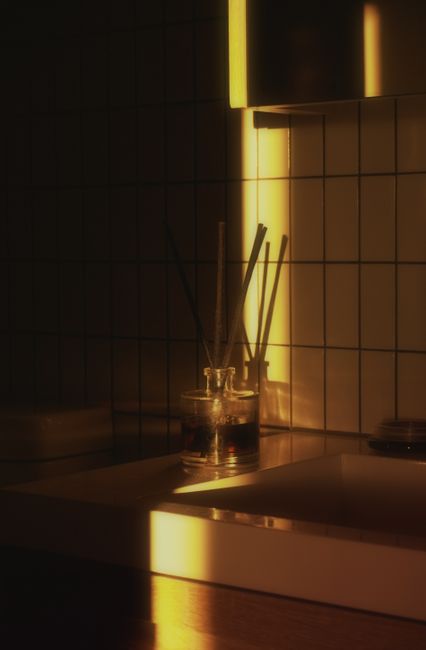
Lighting design is perhaps the most critical element in a moody renovation, transforming a potentially dark space into one of atmospheric brilliance. The goal is not to banish shadows, but to sculpt them, using light to highlight architectural features, create focal points, and evoke specific emotions. This means moving away from harsh, overhead, general illumination and embracing a layered approach. Ambient lighting, provided by dimmable wall sconces or strategically placed floor lamps, should cast a warm, soft glow. Accent lighting is essential for drawing attention to artwork, architectural details, or textured surfaces. Think of picture lights illuminating a carefully curated piece of art, or uplighting a textured wall to emphasize its depth and character. Task lighting, such as under-cabinet lighting in a kitchen or reading lamps beside a bed, is functional but should also be designed to contribute to the overall mood. Dimmers are non-negotiable, allowing for complete control over the intensity and mood of the space. Consider the impact of warm-toned bulbs (around 2700K) over cooler, bluish tones, as these contribute significantly to a cozy and inviting atmosphere. The strategic placement of table lamps on consoles or sideboards can create pools of warm light that draw people into conversation and relaxation. Furthermore, the use of candles, real or high-quality LED replicas, can add an unparalleled sense of intimacy and drama, particularly in dining or living areas.
Architectural details are amplified and celebrated in a moody renovation. Instead of downplaying them, the design seeks to enhance their impact. Exposed beams, once considered rustic, can be painted in a dark hue to add a dramatic structural element to a ceiling. Original fireplaces, often a focal point, are highlighted with dark tiling or stone, becoming a warm and inviting hearth. Mouldings and cornices, rather than being painted in the same light shade as the walls, can be picked out in a contrasting, darker colour or even a metallic accent, adding definition and a sense of historical gravitas. Window treatments are also key. Heavy, floor-to-ceiling curtains in luxurious fabrics like velvet or linen, in deep jewel tones or rich neutrals, not only control light but also add a sense of opulence and enclosure. Roman blinds in textured materials can offer a more understated yet equally effective solution. The framing of windows can be emphasized through the use of dark paint or trim, turning them into curated portals to the outside world. In kitchens, a dramatic range hood, perhaps in a dark metal or a custom-designed architectural feature, can serve as a powerful statement piece. Even simple elements like door hardware, chosen in matte black, brushed bronze, or antique brass, contribute to the overall cohesive, sophisticated, and moody aesthetic.
The careful curation of furniture and accessories is where the personality of a moody renovation truly shines. This is not about filling a space with generic items, but about selecting pieces that tell a story and contribute to the overall atmosphere. Upholstered furniture in rich, dark fabrics like velvet, boucle, or distressed leather in shades of charcoal, navy, or deep green are ideal. Antiques or vintage pieces can add character and a sense of history, their imperfections becoming desirable features. Think of a dark wood, carved antique sideboard or a vintage leather armchair. The scale and proportion of furniture are also important; oversized, sink-in sofas can enhance the feeling of comfort and cocooning. Metal accents in matte black, antique brass, or dark bronze add a touch of sophisticated edge. Artwork plays a crucial role, with darker, more evocative pieces often favoured. Abstract art with bold brushstrokes, moody landscapes, or even black and white photography can complement the colour palette and add visual intrigue. Mirrors, particularly those with ornate or dark frames, can be used strategically to reflect light and create a sense of depth, preventing the space from feeling too closed in. Bookshelves are often filled with well-loved tomes, their spines adding subtle pops of colour and texture. Decorative objects should be chosen with intention – think of ceramic vases in earthy tones, intricately carved wooden bowls, or metallic sculptures. The layering of cushions and throws in varying textures and complementary colours adds the final touch of comfort and personality.
The bathroom and kitchen, often considered purely functional spaces, can be transformed into sanctuaries of moody elegance. In the bathroom, think of deep charcoal or navy tiled walls, paired with matte black fixtures and a vanity in a dark wood or a richly veined natural stone. A freestanding bathtub becomes a decadent focal point, while ambient lighting from wall sconces creates a spa-like atmosphere. Even the smallest details, like dark towels or a strategically placed plant, can contribute to the overall mood. In the kitchen, dark cabinetry, perhaps in a deep forest green or a sophisticated matte black, paired with a statement splashback of dark subway tiles or a dramatic slab of natural stone, creates a visually striking and inviting space. Open shelving displaying dark stoneware and copper cookware can add a touch of utilitarian beauty. The introduction of a dark-coloured island countertop, perhaps in a honed granite or a deeply coloured quartz, can provide a dramatic centrepiece. Even the hardware on cabinetry, chosen in brushed brass or matte black, plays a significant role in defining the aesthetic. The goal is to create spaces that are not only functional but also deeply atmospheric and personal, reflecting the homeowner’s taste for sophisticated and introspective design. This approach to renovation in Melbourne embraces a richer, more nuanced interpretation of home, proving that darkness can indeed be a source of profound beauty and comfort.
