Battleground Iowa: Rep. Mariannette Miller-Meeks and Christina Bohannan Brace for High-Stakes Rematch in Razor-Thin House Race

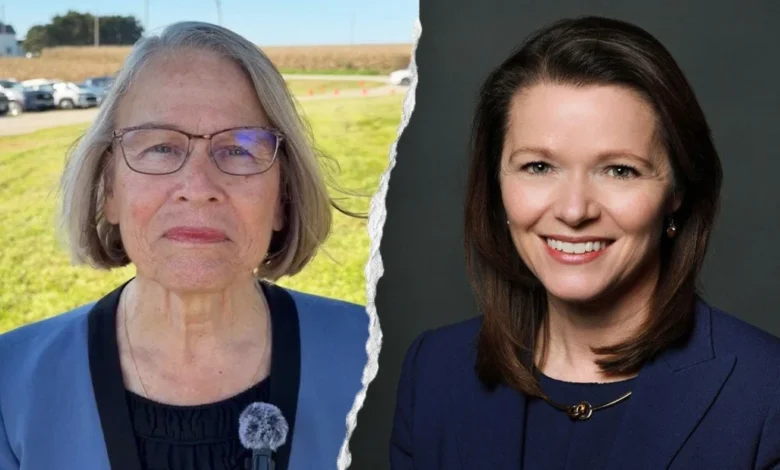
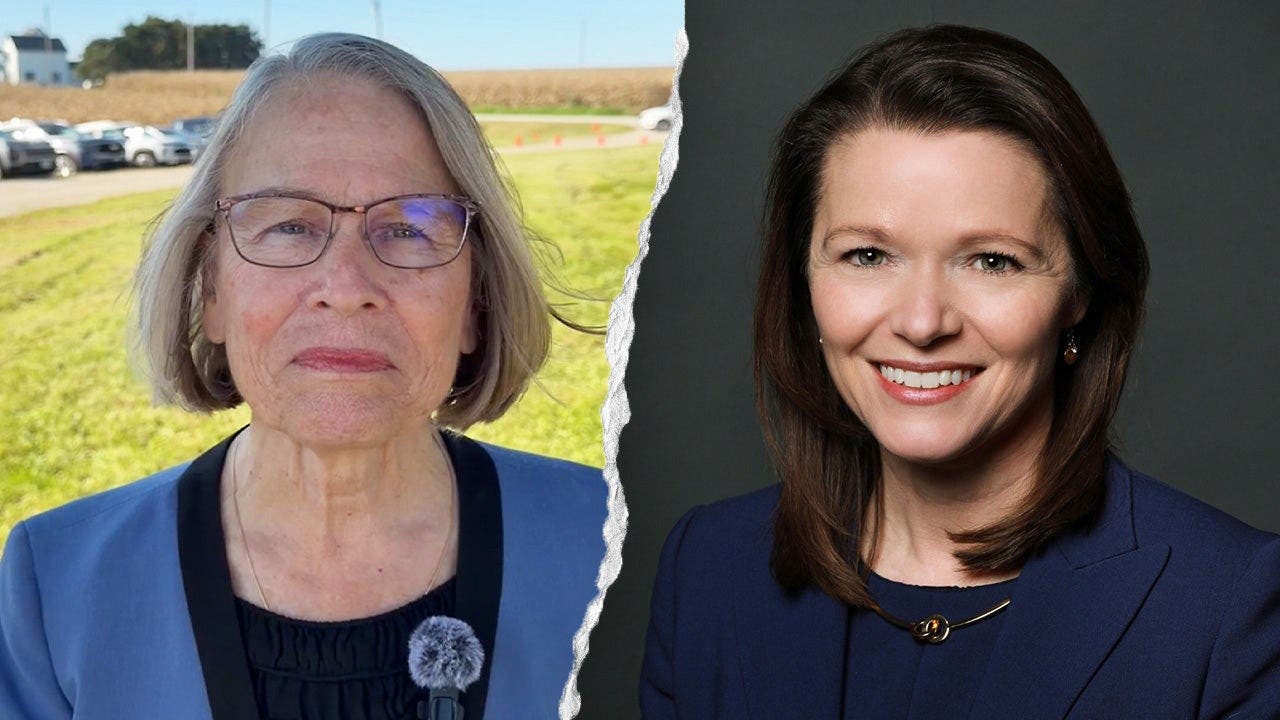
PRAIRIE CITY, Iowa — As the battle for control of the United States House of Representatives enters its final, high-stakes stretch, Iowa’s 1st Congressional District has rapidly crystallized into one of the most fiercely contested and closely watched legislative battlegrounds in the country. With the Republican majority hanging by a historically razor-thin margin, incumbent GOP Representative Mariannette Miller-Meeks finds herself locked in a fierce defense of her seat against Democratic challenger Christina Bohannan. The race is widely regarded by nonpartisan election analysts as a complete toss-up, setting the stage for a dramatic electoral showdown that could ultimately determine which party wields the speaker’s gavel in Washington.
The political landscape of southeast and eastern Iowa—encompassing counties from rural agricultural hubs to progressive university towns like Iowa City—has long reflected the broader ideological shifts and fractures within the American electorate. Against a backdrop of persistent voter anxiety regarding the national economy, inflation, the cost of living, and rural development, Miller-Meeks sat down with reporters during a Department of Agriculture roundtable in Prairie City to outline her legislative record, articulate her vision for the district, and deliver a stark warning about the consequences of a Democratic legislative takeover.
The Core Legislative and Economic Arguments
At the heart of Miller-Meeks’ reelection campaign is a sharp contrast between what she characterizes as pragmatic economic stewardship and progressive overreach. During her discussions with local agricultural producers and small business owners, the congresswoman emphasized her efforts to alleviate burdensome federal regulations, foster regional manufacturing growth, and champion vital agricultural commodities such as ethanol and biodiesel.
Miller-Meeks pointed to recent economic milestones within her district, including efforts to secure a massive $15 billion investment for a state-of-the-art steel mill, which proponents argue will inject millions of dollars into the local economy and create hundreds of well-paying manufacturing jobs. Furthermore, the incumbent has heavily spotlighted her focus on rural conservation initiatives, water quality improvements, and infrastructure modernization designed to sustain Iowa’s dominant agricultural sector.
When addressing national economic pressures, such as fluctuating prices for gasoline and diesel fuel, Miller-Meeks defended the legislative packages advanced by House Republicans. She argued that GOP-led measures aimed at expanding domestic energy production helped stabilize energy costs earlier in the cycle. Conversely, she contended that the policy platform of the Democratic Party would reverse these gains, stifling domestic energy independence and driving up inflation.
"Common sense over crazy. This is just common sense over crazy communism," Miller-Meeks remarked, contrasting her platform with that of her Democratic opponent. She argued that Bohannan’s policy positions and past legislative record in the Iowa State House place her firmly on the progressive wing of the Democratic Party, out of step with the traditional, pragmatic values of the majority of Iowa voters.
A Detailed Look at the Candidates and Past Contests
The 2026 midterm election cycle marks the third consecutive congressional campaign in which Miller-Meeks and Bohannan have faced off against each other. The rivalry between the two candidates underscores the persistent polarization and competitive equilibrium within Iowa’s 1st District.
In the 2024 general election, the race was decided by a razor-thin margin of less than one percentage point, making it one of the closest congressional contests nationwide. That narrow victory highlighted the district’s swing nature, where suburban voters, independent moderates, and rural constituents hold the balance of power. Cook Political Report and other prominent election handicappers have once again rated the seat as a premier battleground, reflecting both Democratic enthusiasm and the structural headwinds facing the incumbent party during a midterm election cycle influenced by presidential approval ratings and economic sentiment.
The campaign trail has seen escalating rhetorical exchanges between the two camps. National and local Republican campaign arms have targeted Bohannan over her legislative record in the Iowa House of Representatives, accusing her of opposing key tax-relief measures for working families, maintaining progressive stances on social issues, and missing legislative votes during her tenure in the state legislature. The National Republican Congressional Committee (NRCC) has frequently utilized unearthed archival footage and legislative voting records to frame Bohannan as misaligned with mainstream Iowans on issues ranging from law enforcement support to gender policies in athletics.
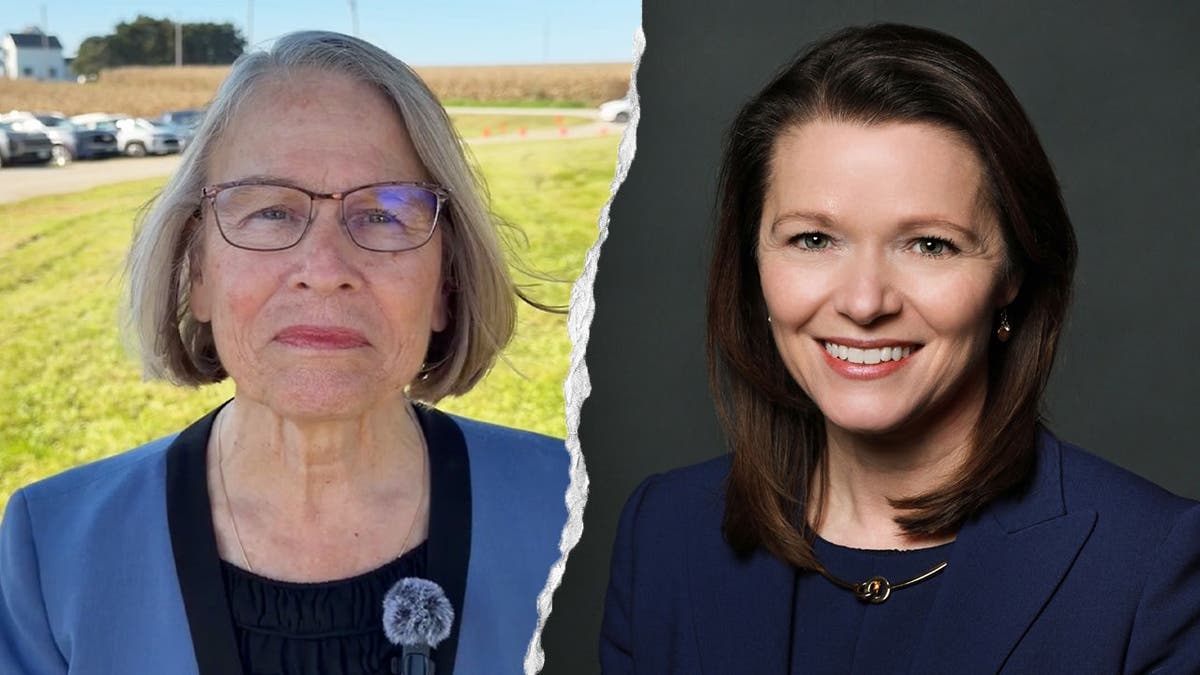
In response, Bohannan has forcefully rejected these characterizations, firing back at the incumbent’s congressional record. In a statement provided to the press, Bohannan accused Miller-Meeks of prioritizing special interests, corporate entities, and party leadership over the direct needs of everyday Iowans.
"What’s crazy is pretending to represent your constituents when you’re bought and sold. I’ll always put Iowa first–that’s common sense," Bohannan stated, pointing to what she describes as Miller-Meeks’ alignment with pharmaceutical companies, data center developers, and wealthy donors at the expense of middle-class families.
Government Accountability and Legislative Oversight
Beyond traditional economic and social issues, Miller-Meeks has placed a significant emphasis on government accountability, waste reduction, and legislative oversight. Drawing on recent high-profile administrative scandals—such as the massive "Feeding Our Future" fraud case that exposed vulnerabilities in federal and state funding distribution—the congresswoman has introduced several legislative proposals aimed at curbing financial malfeasance.
Among these initiatives is the Medicaid Whistleblower Protection Act, which seeks to establish robust federal protections for healthcare workers and state employees who report early warning indicators of fraud within Medicaid programs. Additionally, Miller-Meeks introduced the WALZ Act, a measure designed to mandate that the Department of Health and Human Services Office of Inspector General initiate formal investigations into any federally funded program that experiences a sudden increase in total payments of 10% or greater within a compressed six-month fiscal window.
"Tackling corruption inside the government, inside government agencies, or in members of Congress or the administration, we’re gonna continue to do that and work to serve Iowans and the American people," Miller-Meeks stated, framing systemic transparency as a critical component of responsible fiscal governance.
Broader Implications for the Balance of Power in Washington
The outcome of the race in Iowa’s 1st Congressional District carries profound national implications. With the House majority resting on a knife-edge, the loss or retention of a single seat can alter the legislative trajectory of the federal government.
For the Republican Party, holding seats like Miller-Meeks’ is essential to maintaining control of committees, setting the legislative calendar, and advancing conservative policy priorities regarding taxation, border security, and energy independence. A loss in this district would significantly increase the likelihood of Democrats flipping the House chamber, which would radically transform the balance of power in Washington during the remainder of the presidential term, likely resulting in intensified legislative gridlock, aggressive congressional investigations, and a complete reversal of GOP-led regulatory reforms.
As the final weeks of the campaign unfold, both campaigns are pouring substantial financial and organizational resources into the district. Canvassing efforts, television advertising blitzes, and high-profile surrogate visits are intensifying across the region. For voters in eastern and southeastern Iowa, the choice is clear-cut: a vote for continuity under Miller-Meeks’ platform of regulatory relief, agricultural advocacy, and fiscal conservatism, or a vote for systemic change under Bohannan’s progressive-leaning economic and social agenda. As ballots are cast, the nation will look to Iowa’s 1st District as an essential bellwether for the future of American governance.