The Ongoing Crisis of Black Lung Disease: A Decades-Long Struggle for Justice in America’s Coal Country

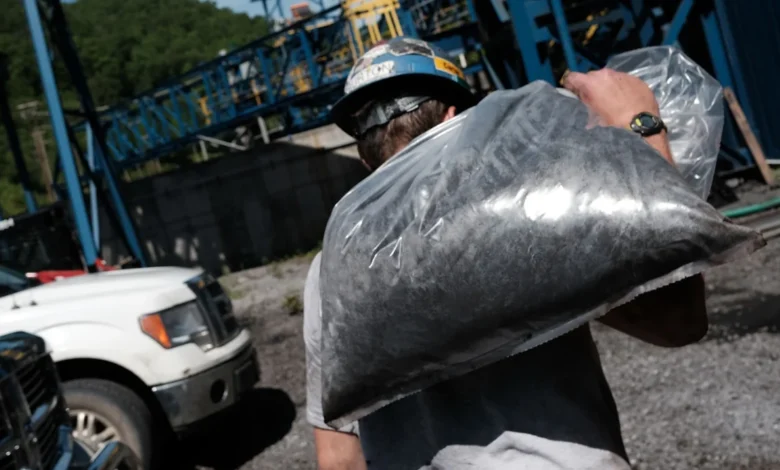
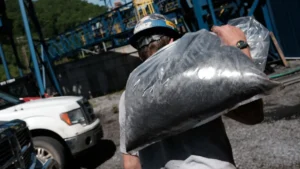
For 38 years, Josh Armes descended into the earth, navigating the claustrophobic seams of West Virginia and Virginia coal mines. Today, the 74-year-old resident of Grundy, Virginia, finds himself trapped in a different kind of confinement: a medical and legal limbo that has persisted for over a decade. Diagnosed with coal workers’ pneumoconiosis (CWP)—the irreversible, debilitating condition commonly known as black lung disease—Armes relies on an oxygen tank for every breath he takes. Yet, his struggle is not merely with his failing lungs; it is with a federal benefits system that he and his family allege is designed to exhaust the sick rather than provide them with the support they were promised.
The plight of the Armes family is a microcosm of a systemic crisis currently gripping the American coal industry. While cases of black lung have surged to their highest levels in nearly half a century, the path to federal compensation has become increasingly obstructed by a cycle of appeals, medical testing, and administrative delays.
The Evolution of a Modern Health Crisis
The resurgence of black lung disease is a profound public health irony. Following the passage of the Federal Coal Mine Health and Safety Act of 1969, the industry saw a temporary decline in respiratory illnesses. However, recent data published in the American Journal of Respiratory and Critical Care Medicine reveals a grim reversal: approximately 32.5 percent of veteran underground coal miners in central Appalachia are now suffering from the disease. This prevalence rate has not been observed since 1978.
Experts point to a shifting geological reality as a primary driver of this trend. As high-quality, easily accessible coal seams are depleted, mining operations have moved into thinner seams that require cutting through significant amounts of rock. This process releases massive quantities of silica dust—a substance far more toxic and fibrosis-inducing than coal dust alone. When inhaled, silica dust causes rapid and severe scarring of the lung tissue, accelerating the progression of CWP and leading to shorter life expectancies for younger generations of miners. Between 2020 and 2023, more than 1,700 miners succumbed to this preventable occupational disease.
A Chronology of Bureaucratic Attrition
The legal framework established in 1969 was intended to provide a safety net for miners like Armes. In practice, however, the burden of proof has shifted significantly onto the shoulders of the claimants.
The struggle for benefits often begins with an initial diagnosis, followed by a rigorous, costly, and often years-long evidentiary process. For the Armes family, the reality of this system became clear in 2014, when they received notification that a coal operator was appealing the federal benefits they had been receiving for three years. This initiated a 12-year odyssey through the legal system.
According to a comprehensive report released in May 2026 by the Government Accountability Office (GAO), the experience of the Armes family is far from unique. The report, requested by a bipartisan group of senators including Mark Warner and John Fetterman, highlighted systemic gaps in the program:
- The Appeal Cycle: Between 2013 and 2024, approximately 40 percent of all claims approved by the Department of Labor were challenged by coal operators.
- Duration of Claims: The median length of an appealed claim is now three years or longer. In extreme instances, cases have dragged on for over a decade.
- The "Debt Trap": Between 2013 and August 2024, 390 miners who had initially been awarded benefits had their cases overturned upon appeal, leaving them legally responsible for repaying the funds they had already received for their basic living and medical expenses.
Institutional Responses and Regulatory Stagnation
The regulatory landscape regarding silica dust has become a flashpoint for political and ethical debate. In April 2024, a new rule was introduced to mandate stricter ventilation and engineering controls to mitigate silica exposure. However, this progress was halted in June 2024 when Congressional funding for the rule’s implementation was blocked.
Under the current administration, the Mine Safety and Health Administration (MSHA) has indicated that it has no immediate plans to enforce the rule, citing a "pending judicial review." Critics, including the Appalachian Citizens’ Law Center, characterize this as a calculated delay. Rebecca Shelton, the organization’s director of policy, noted that the administrative freeze effectively prioritizes corporate interests over the health of the workforce.
The MSHA maintains that it continues to enforce the existing permissible exposure limit of 100 micrograms per cubic meter. However, health advocates argue that this limit is woefully inadequate given the increased silica concentrations in modern mining environments. The agency has not provided a timeline for the conclusion of the legal stay or the resumption of the rulemaking process.
The Human and Economic Cost
The implications of this administrative gridlock are not just statistical; they are profoundly human. For families like the Armes’, the financial burden of the appeals process is compounded by the costs of travel, specialized medical evaluations, and legal representation.
"The burden of proof lies on the coal miner to prove that he has black lung," Crystal Armes explained. "We have appealed it and appealed it. He has the disease, yet we are forced to fight to justify the medical support he was promised after a lifetime of labor."
The GAO report captured the sentiment of the mining community in stark terms, noting that many miners expressed a belief that operators were essentially "waiting for them to die" to avoid paying out long-term benefits. This perception has eroded trust between the workforce and both the industry and federal regulators.
Brian Sanson, president of the United Mine Workers of America (UMWA), has been vocal in demanding an end to the delay, stating that a company’s profit margins cannot take precedence over a worker’s right to breathe. The union argues that the failure to implement the silica rule is a direct contributor to the rising death toll in coal-producing regions.
Looking Ahead: Policy Implications
The ongoing battle over black lung benefits highlights a broader tension in American economic policy: the challenge of ensuring corporate accountability in industries that are physically demanding and inherently hazardous. As the coal industry continues to operate under volatile market conditions, the pressure to cut costs often results in the erosion of safety protocols and the aggressive defense of bottom lines through legal attrition.
Legislative efforts, such as those proposed by Senators Warner, Hickenlooper, Kaine, and Fetterman, aim to streamline the application process and provide better protections for miners who find themselves in the crosshairs of long-term legal appeals. These proposals suggest capping the time frames for appeals and shifting the burden of medical evidence toward a more streamlined, objective assessment process.
However, as long as the regulatory and legal systems remain in a state of flux, the burden remains on the miners. For individuals like Josh Armes, the fight is not for a windfall, but for the basic dignity of medical security—a security they argue was earned through decades of service to the nation’s energy infrastructure.
As of late 2026, there is no sign of a breakthrough in the Armes family’s case. They remain in the same position they have occupied for over a decade: waiting for a resolution in a system that they believe has turned its back on the very people it was created to protect. The surge in black lung cases serves as a sobering reminder that the costs of industrial production are not always reflected on a balance sheet; they are often paid in the long, labored breaths of those who spent their lives working in the dark.