St. Elmo’s Fire Sequel Moves Closer to Reality as Rob Lowe Confirms Script Development

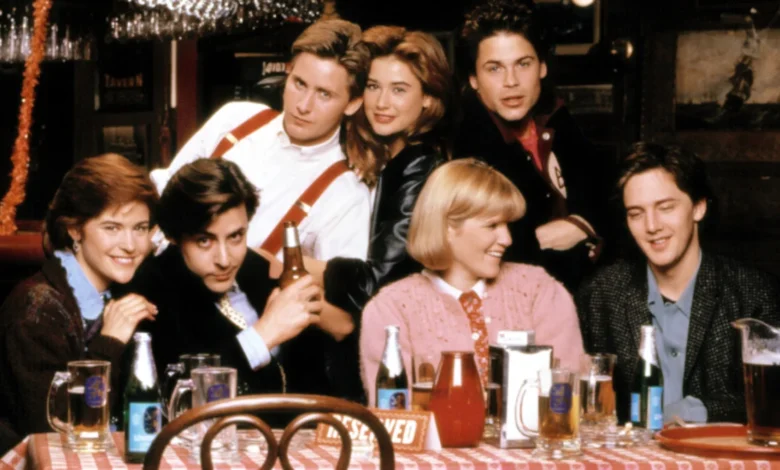
More than four decades after it first captured the zeitgeist of a generation, the beloved coming-of-age film St. Elmo’s Fire is inching closer to a long-awaited sequel, with star Rob Lowe confirming that a script is actively in development. The news, revealed during a recent appearance on The Kelly Clarkson Show, has reignited excitement among fans who have long clamored for a continuation of the story of the ambitious, yet often bewildered, group of recent college graduates navigating the complexities of early adulthood.
Lowe, a six-time Golden Globe nominee, expressed his enthusiasm for the project, emphasizing the enduring appeal of the original film. "I’m trying to get it done, but I’m excited," he told Clarkson. "I think the reason that St. Elmo’s continues to mean a lot to people is because it’s such a great snapshot of your 20s." This sentiment underscores the film’s potent ability to resonate with audiences by authentically portraying the universal struggles of self-discovery, career anxieties, and the evolving nature of friendships during a pivotal life stage.
The actor further elaborated on the collaborative effort behind the potential sequel, stating, "Everyone wants to do it. We just need to get the script right, and that’s what we’re working on." This declaration suggests a commitment to crafting a narrative that honors the spirit of the original while offering a compelling and relevant continuation for characters who would now be facing the challenges of middle age. The emphasis on script quality signals a desire to avoid a mere cash-in, aiming instead for a story that justifies its existence beyond nostalgia.
This latest update builds upon previous indications of a sequel’s development. Earlier in 2024, Lowe informed Entertainment Tonight that the project was in its "very early stages" after a meeting with the studio. He also noted that the recent documentary Brats, which explored the cultural phenomenon of the "Brat Pack" – the ensemble of young actors who frequently starred in iconic 1980s teen films, including St. Elmo’s Fire – had "only added to the excitement around" the film and the prospect of a follow-up. The documentary, directed by Andrew McCarthy, offered a retrospective on the pressures and triumphs of that era, potentially providing fertile ground for revisiting these characters.
A Legacy of Youthful Ambition and Uncertainty
Released in 1985, Joel Schumacher’s St. Elmo’s Fire became a cultural touchstone, chronicling the lives of seven recent college graduates in Washington D.C. as they grappled with their post-academic realities. The film starred Rob Lowe as Billy Hicks, a struggling musician; Demi Moore as Jules, an ambitious socialite; Andie MacDowell as Claire, a young architect; Andrew McCarthy as Kevin, an aspiring writer; Ally Sheedy as Leslie, a lesbian architect; Mare Winningham as Wendy, a sensitive artist; and Judd Nelson as Alec, a cutthroat business graduate. Emilio Estevez, who played Kirby, a budding restaurateur, was also a key member of the ensemble.
The film’s raw portrayal of post-graduation angst, the pressure to succeed, the complexities of romantic relationships, and the often-disillusioning transition into the professional world struck a chord with audiences. Its iconic soundtrack, featuring John Parr’s "St. Elmo’s Fire (Man in Motion)," further cemented its place in 1980s popular culture. The film’s depiction of a shared hangout spot, the titular St. Elmo’s bar, served as a symbolic anchor for the characters’ interconnected lives and their shared journey through this formative period.
A Glimpse into the Past: The Brat Pack and the Original Film’s Impact
The "Brat Pack" moniker, coined by a New York magazine article in 1985, became synonymous with a group of young actors who dominated teen and coming-of-age films throughout the 1980s. Lowe, Estevez, Nelson, McCarthy, and Sheedy were central figures in this informal collective, often appearing together in films that explored themes of adolescence, rebellion, and the search for identity. St. Elmo’s Fire was perhaps the most direct cinematic representation of this perceived social group, bringing many of its prominent members together in a single narrative.
The film’s enduring appeal can be attributed to several factors:
- Relatability: The anxieties and aspirations depicted resonated deeply with young adults, both then and now. The characters’ struggles with career paths, financial independence, and romantic entanglements are timeless.
- Authenticity: Despite some melodramatic elements, the film captured a sense of genuine emotional turmoil and the messy realities of navigating early adulthood.
- Ensemble Chemistry: The cast shared a palpable chemistry, making their interactions believable and their shared experiences compelling.
- Cultural Commentary: The film offered a snapshot of a specific socio-economic and cultural moment in America, reflecting the ambitions and uncertainties of a generation entering a rapidly changing world.
Previous Attempts and the Evolution of the Sequel Concept
The idea of revisiting the St. Elmo’s Fire universe is not entirely new. In 2019, NBC was reportedly developing a St. Elmo’s Fire television series. This project, spearheaded by Sony Pictures Television and executive producer Josh Berman, was envisioned as a modernized take on the original film’s premise, exploring the lives of new characters grappling with similar issues in contemporary society. However, this television adaptation never materialized, highlighting the challenges in translating the film’s magic to a different format or timeline.
The current focus on a film sequel, driven by Lowe and the original cast’s interest, represents a different approach. By bringing back the original characters, the sequel has the potential to explore how these individuals have evolved over the past four decades. This allows for a narrative that can examine themes of aging, legacy, the long-term consequences of early-life decisions, and the enduring bonds of friendship.
Supporting Data and Industry Context
The pursuit of sequels and reboots is a dominant trend in Hollywood, driven by established intellectual property and the desire to capitalize on existing audience familiarity. Franchises like Star Wars, the Marvel Cinematic Universe, and numerous reboots of classic films demonstrate the industry’s appetite for revisiting beloved stories. For a film like St. Elmo’s Fire, which holds significant cultural capital, a sequel offers a compelling opportunity.
The success of the Brats documentary in 2024, which saw the original cast reunite and share their reflections on their shared history, provides a strong foundation for a sequel. The documentary’s positive reception and the renewed media attention it generated likely fueled further discussions and concrete steps towards bringing a St. Elmo’s Fire sequel to fruition. This reunion likely served as an informal brainstorming session, allowing the actors to reconnect and envision potential narrative arcs for their characters.
The financial viability of such a project is also a consideration. The original St. Elmo’s Fire grossed approximately $35 million at the domestic box office, a respectable sum for its time, but its true impact lies in its cultural longevity and its association with the Brat Pack phenomenon. A sequel, especially one featuring a beloved ensemble cast, could attract significant attention and box office returns, particularly if it can capture the same emotional resonance that made the original so impactful.
Analysis of Implications and Future Prospects
The potential implications of a successful St. Elmo’s Fire sequel are multifaceted. For the cast, it offers a chance to revisit iconic roles and potentially reignite their careers with a project that holds personal significance. For audiences, it presents an opportunity to reconnect with characters they grew up with and to explore themes of aging and life’s ongoing journeys through a familiar lens.
The challenge, however, lies in creating a script that is both faithful to the original’s spirit and relevant to contemporary audiences. The "snapshot of your 20s" that Lowe described is a powerful concept, but a sequel would need to explore the complexities of their 50s and 60s. This could involve themes of career plateaus, family dynamics, the reckoning with past choices, and the search for meaning in later life. The film’s original exploration of ambition and disillusionment could be mirrored by themes of legacy and reflection.
The success of the sequel will hinge on its ability to avoid common pitfalls of continuations, such as over-reliance on nostalgia, underdeveloped plotlines, or forced character arcs. A script that delves into the nuances of aging, the evolution of friendships, and the enduring impact of formative experiences would be crucial. The script’s focus on getting it "just right" suggests an awareness of these challenges and a commitment to delivering a quality product.
In conclusion, the confirmation that a script for a St. Elmo’s Fire sequel is in development marks a significant step forward for a project that has been a topic of discussion for years. With Rob Lowe and the original cast expressing their commitment, and with the renewed interest spurred by the Brats documentary, the prospect of seeing these characters return to the screen feels more tangible than ever. The success of this endeavor will ultimately depend on the writers’ ability to craft a compelling narrative that honors the legacy of the original while offering a fresh and resonant exploration of life’s continuing chapters.