The System Fails the Sick and Elderly: Compassionate Release Prisoners Left Behind in Hawaiian Correctional Facilities

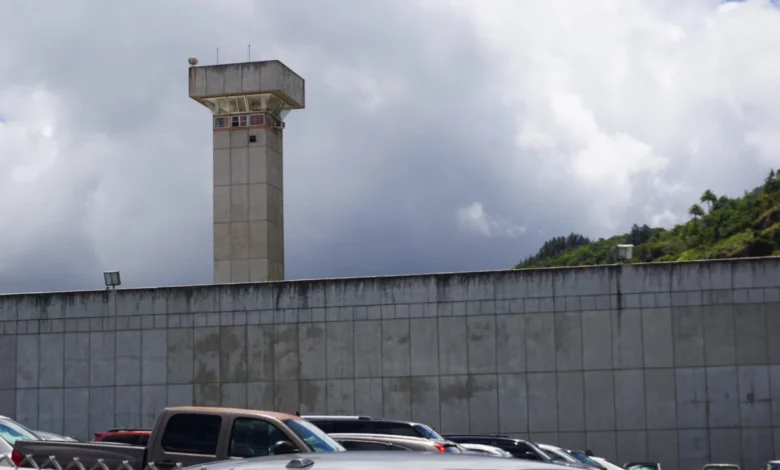
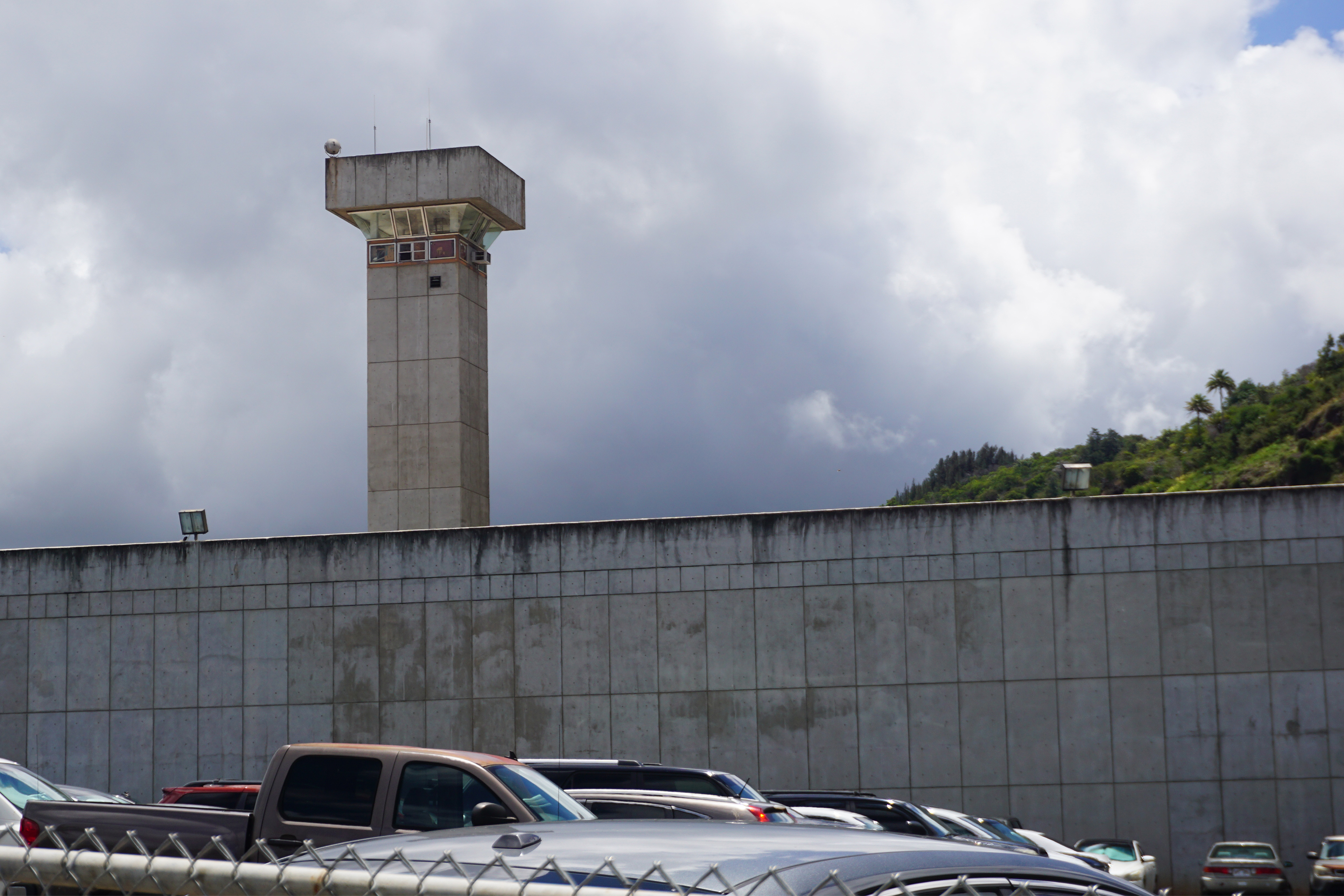
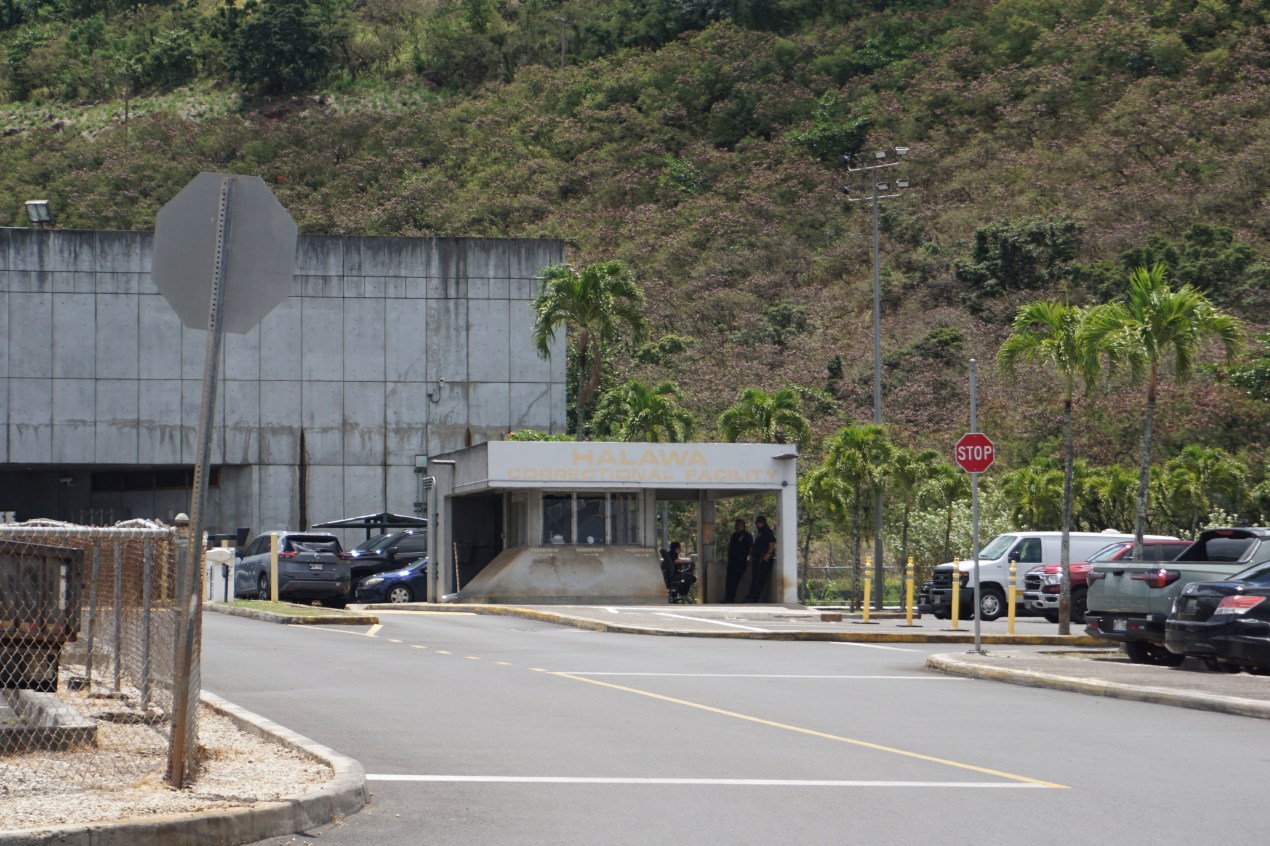
Christian Alameda, a 52-year-old inmate at the Halawa Correctional Facility in Honolulu, struggles to rise from his prison bed, a cane his only aid. A stroke in January left the right side of his body largely paralyzed, a debilitating condition that led to his compassionate release being granted by the Hawaii parole board in February. This special provision allows prisoners with severe medical conditions to be released early to seek necessary medical attention. Yet, for Alameda and others like him, freedom remains an elusive concept. The stark reality is that without a long-term care facility willing to accept them, these individuals remain incarcerated, their release orders effectively moot.
As of June, the state parole authority confirmed that at least three other prisoners, similarly granted release to address critical medical needs, were indefinitely residing in the prison’s medical infirmary. The primary barrier? A widespread refusal by long-term care facilities to admit them, largely due to their criminal backgrounds. This situation is not unique to Hawaii, but rather a growing national crisis that exposes a critical flaw in the justice and healthcare systems.
The Growing Crisis of Compassionate Release Denials
Compassionate release, a mechanism designed to offer a humane exit for terminally ill or severely incapacitated prisoners, exists in some form in every U.S. state. Hawaii, while not having a specific statute, operates under an internal policy that allows for such releases. The individuals who typically qualify are those who can no longer care for themselves or are facing terminal illnesses, requiring placement in assisted living centers, nursing homes, or hospice care. However, the system often breaks down at the crucial juncture of post-release placement.
"This is a challenge across the country," stated Molly Crane, an attorney for FAMM (Families Against Mandatory Minimums), an organization advocating for fairness in prison policies. FAMM has been at the forefront of highlighting the systemic issues that prevent medically vulnerable prisoners from accessing the care they are legally entitled to upon release.
The reluctance of long-term care facilities to accept these individuals is a recurring theme. Studies and reports from various states paint a grim picture:
- In Rhode Island, a study revealed a significant surge in nursing home rejections specifically when informed that a patient was transitioning from prison.
- Colorado reported that prisoners with extensive medical needs were spending an average of 200 days post-release, awaiting placement due to persistent denials from long-term care centers.
- In New York, a number of prisoners granted parole sued the state after facing insurmountable obstacles in securing nursing home placements.
Federal Policy Complications and Financial Hurdles
Adding another layer of complexity to this issue is recent federal policy. President Donald Trump’s "One Big Beautiful Bill Act," enacted in the summer prior to the article’s reporting, has further strained the capacity of long-term care providers to accept individuals from correctional facilities. A critical barrier is the ineligibility of prisoners for Medicaid coverage while incarcerated. Parolees must then navigate the process of applying for Medicaid after release, a system with tight deadlines. The aforementioned act reduced the window for facilities to receive retroactive reimbursement for new Medicaid patients from three months to as little as 30 days before application. This financial risk makes facilities hesitant to admit patients whose Medicaid applications may not be processed within the shortened timeframe.
Timothy Foster, a spokesperson for the Centers for Medicare & Medicaid Services (CMS), commented, "CMS encourages providers and beneficiaries to prioritize timely application submission to maximize coverage." While this advice is practical, it overlooks the significant logistical and administrative challenges faced by parolees and the facilities themselves.
"The Risk Is Just Too High": Safety and Resource Concerns
The obstacles extend beyond financial considerations. Many nursing homes nationwide already grapple with extensive waiting lists for new residents, a factor compounded by the influx of parolees seeking placement. This was highlighted in a 2024 report by the American Health Care Association and the National Center for Assisted Living.
Bob Merce, a former attorney and advocate for prisoners’ compassionate release, notes the difficulty in convincing facilities: "We tell the nursing homes that most of the people who we are talking about cannot hurt somebody." However, the perception and reality of risks associated with individuals who have criminal records, regardless of their current medical state, often outweigh such reassurances.
At the Halawa infirmary, the need for specialized care is evident. Several prisoners granted release were described as unable to walk or dress themselves. One individual suffered from memory loss regarding his illness, while another with brain cancer could not communicate coherently.
Sean Sanada, the Oʻahu Region CEO for Hawaii Health Systems Corp., which oversees state-funded long-term care facilities Leahi Hospital and Maluhia, confirmed that while his system has reviewed numerous compassionate release referrals, they have never accepted any. Sanada emphasized that the facilities do not discriminate based on the patient’s origin but cited paramount concerns for staff safety and the availability of adequate resources to manage complex patient needs. "The risk is just too high in most of those instances," Sanada stated.
The documented rise in violent incidents within long-term care facilities nationally has undoubtedly contributed to this apprehension. A 2024 study observing 14 assisted living facilities found that 15% of residents experienced aggression from other residents within a single month. This trend creates a challenging environment for facilities already struggling with staffing and resource limitations.
The Financial Burden on Taxpayers
When long-term care facilities refuse to accept prisoners granted compassionate release, the financial burden shifts squarely onto state taxpayers. According to FAMM, the annual cost of incarcerating an individual with complex medical needs in Hawaii can be up to eight times the average cost of housing a standard inmate, which is estimated at $112,505 per year. In contrast, the average Medicaid reimbursement for a long-term care patient at a Hawaii Health Systems Corp. facility is approximately $135,000 annually. The continued incarceration of medically vulnerable individuals, who could be cared for at a lower cost in appropriate long-term care settings, represents a significant and avoidable fiscal drain.
Contracted Solutions: A Model for Other States
In an effort to address this systemic failure, four states – Connecticut, Georgia, Massachusetts, and Vermont – have proactively implemented contracts with nursing facilities to accept prisoners granted compassionate release. iCare Health Network’s MissionCare Health, which operates nursing homes specifically for individuals transitioning from incarceration, has secured contracts in three of these states. David Skoczulek, iCare’s vice president of business development and communication, indicated that their daily rates per patient can be $100 to $350 higher than average nursing home rates in those states, suggesting a willingness to absorb some of the perceived risk and provide specialized care.
Hawaii’s Stalled Progress and the Crucial Role of Family
In Hawaii, the correctional department makes recommendations to the parole board, which then decides on compassionate release. Approved individuals can be released to family members who commit to their care or to a long-term care facility. However, the latter option is proving increasingly untenable.
Corey Reincke, head of the Hawaii Paroling Authority, expressed the difficulties faced: "Parole has to find a facility that can meet their medical needs and is also willing to take them. That’s where we’re hitting the roadblocks." In his 24-year career, Reincke stated he couldn’t recall a single instance of a prisoner being placed in a long-term care facility without significant family intervention, such as direct outreach to facilities by relatives. He recounted calling over 100 care homes for one parolee, all of whom declined due to safety concerns. This is occurring even as Hawaii’s long-term care facilities operate at approximately 80% of their bed capacity, according to a 2024 state report, indicating that workforce strains and admission policies, rather than sheer lack of beds, are the primary impediments.
The Life-Saving, Yet Insufficient, Embrace of Family
For many, family remains the only recourse. Paul Kupihea, a 69-year-old man, was granted compassionate release to his family in the days leading up to his death from an incurable form of cancer. He passed away in a hospital just five days after his release, before he could travel back to his home island. His daughter, Lahela Kruse, and his child’s mother, were shocked by his deteriorating condition upon visiting him in Honolulu. Despite a strained relationship, his daughter agreed to take him into her home in Hilo. "She knew he was sick," Kruse recounted, "but she didn’t know the severity of it. I didn’t truly know." Kupihea’s release was facilitated by his daughter’s willingness to care for him, but the notification of his critical illness came too late to allow for a meaningful transition.
Molly Crane of FAMM has been a tireless advocate for expanding compassionate release laws, aiming to broaden eligibility criteria and enhance transparency. Hawaii lawmakers have attempted to pass legislation on compassionate release for years, but these efforts have consistently failed. Crane emphasizes the dire consequences of this legislative inaction: "The absence of a compassionate release statute means that people who need compassionate release languish and even die in prison." Without a formal legal framework, even strong family support may not be enough to overcome the bureaucratic hurdles and systemic rejections, leading to potentially fatal delays.
A Glimmer of Hope in a Cell
Back in the Halawa Correctional Facility, Christian Alameda’s cell is sparse – two beds, a basic toilet, and a window overlooking a concrete wall. The air carries the scent of bleach. Alameda, who has been incarcerated since 2024 for drug possession, driving a stolen vehicle, and jumping bail, expresses a deep regret for his past mistakes and a fervent desire to reconnect with his five-year-old daughter. "I made some mistakes in my life," Alameda stated, his voice tinged with emotion. "I tried when my daughter was born, but I know I’ll change, because she needs me out of here."
Merce, the former attorney, continues his efforts to find a placement for Alameda, a prisoner who committed no violent crimes. Merce’s experience as a trial lawyer has exposed him to the profound struggles of prisoners seeking medical care, and he has successfully facilitated the release of approximately 15 individuals from Hawaii’s correctional facilities for medical treatment. However, the cases that haunt him are those where he could not find a suitable placement, leaving individuals trapped by their circumstances. The ongoing plight of men like Alameda underscores the urgent need for systemic reform that balances public safety with the fundamental human right to humane care for the medically vulnerable.