Senator Bill Cassidy Weighs In on Trump’s Proposed Tariffs on Imported Generic Drugs and Other Healthcare Policy Matters

Senator Bill Cassidy of Louisiana, a prominent Republican voice on health policy and the chairman of the Senate Health, Education, Labor, and Pensions (HELP) Committee, has voiced his perspective on former President Donald Trump’s aggressive proposal to impose substantial tariffs on imported generic drugs. While acknowledging that these tariffs could potentially lead to increased costs for American patients, Senator Cassidy suggested that this economic trade-off might be a necessary sacrifice to bolster the nation’s pharmaceutical supply chain security.
"The national security might be something worth paying for," Senator Cassidy stated in an exclusive interview with KFF Health News on July 22. This assertion comes at a time when the United States has been increasingly vulnerable to drug shortages, a challenge that has been exacerbated by its reliance on foreign manufacturing for critical pharmaceutical components.
The Geopolitical Imperative of Drug Supply Chain Security
The United States’ dependence on China for the active pharmaceutical ingredients (APIs) that form the backbone of many medications, particularly antibiotics, has become a significant concern for national security experts and lawmakers alike. A study published last fall in JAMA Health Forum highlighted this reliance, noting that domestic manufacturing facilities have either ceased operations or shifted their production to other, more profitable drug categories.
Senator Cassidy, who is also a physician, articulated the strategic risks associated with this dependency. "Do we want China to have that sort of leverage for these drugs to be produced principally, maybe 99%, over there, and we don’t have access to them if tension rises between the two countries?" he questioned. This sentiment underscores a growing bipartisan concern about the vulnerability of essential supply chains to geopolitical instability.
The former President’s proposal, announced via a social media post on July 21, outlines a two-year grace period for generic drug companies to relocate their production back to the United States. Following this period, Trump indicated he would implement a 100% tariff on imported generic drugs, with that rate escalating to 200% in the subsequent year. This initiative targets an industry that is foundational to American healthcare, as generic drugs account for an estimated 90% of all prescriptions filled in the U.S.
Senator Cassidy’s Political Landscape and Past Actions
Senator Cassidy’s remarks on the drug tariff proposal come at a notable juncture in his political career. He has served in Congress since 2009, but his bid for reelection in May was unsuccessful, reportedly due to former President Trump’s endorsement of a Republican primary challenger, Representative Julia Letlow. This context adds a layer of complexity to his public statements, suggesting a potential balancing act between policy considerations and political dynamics.
Beyond the drug tariff discussion, Senator Cassidy also addressed his past vote to confirm Robert F. Kennedy Jr. as the head of the Department of Health and Human Services (HHS). In an appearance on CBS News’ Face the Nation last month, more than 16 months after his confirmation vote, Cassidy expressed disappointment that Kennedy had allegedly broken promises made to him. Specifically, Cassidy cited concerns that Kennedy would not alter federal recommendations for childhood vaccines.
When pressed about whether he would summon Kennedy to his committee for further discussion, Senator Cassidy confirmed he had requested the HHS Secretary’s appearance but had not yet received a response. Kennedy had previously testified before the Senate HELP panel in April regarding the Trump administration’s fiscal year 2027 budget request for HHS.
Senator Cassidy explained his initial decision to support Kennedy’s nomination, stating he trusted that Kennedy would uphold his commitment not to disparage vaccines. "If they agree to guardrails and disregard those guardrails, you can judge me," Cassidy remarked. "You may decide my judgment wasn’t very good, but I don’t think you can say I acted in bad faith." He further reasoned that Kennedy was likely to influence the administration regardless of an official position, and that having him in a formal role would subject his work to greater public oversight.
The Escalating Measles Crisis and Vaccine Policy
The conversation about vaccine policy gains added urgency in light of recent public health data. Researchers at Johns Hopkins University reported this week that the number of confirmed measles cases in the U.S. in 2026 has already surpassed the total for 2025, marking the highest incidence in 35 years. This surge in measles cases, a highly contagious viral illness, has reignited debates about vaccination rates and public health strategies, despite ongoing court challenges to some of Kennedy’s efforts to roll back federal vaccine recommendations.
Reforming Healthcare Costs: The No Surprises Act and Price Transparency
In addition to these pressing issues, Senator Cassidy also commented on the effectiveness of the 2020 No Surprises Act, a bipartisan law he co-authored, which aims to protect patients from unexpected medical bills. Reports this week from The Wall Street Journal indicate that providers have been awarded nearly $15 billion in disputed claims through the arbitration system established by the act in 2025. This figure represents a significant increase from the $4.08 billion awarded in 2024.
Despite these substantial payouts to providers, Senator Cassidy maintained his belief that the law does not require modifications at this time. He emphasized that the foundational step towards controlling healthcare costs is price transparency. "The initial step to make sure that people are getting their best deal is price transparency," he stated.
In line with this commitment, the HELP Committee overwhelmingly approved the Patients Deserve Price Tags Act on July 22. This bipartisan legislation aims to further mandate that hospitals, insurers, and other healthcare providers publicly disclose their prices to patients and employers. A similar bill has advanced through a House committee with bipartisan support, though the ultimate passage by both chambers remains uncertain.
Broader Healthcare Reform Initiatives
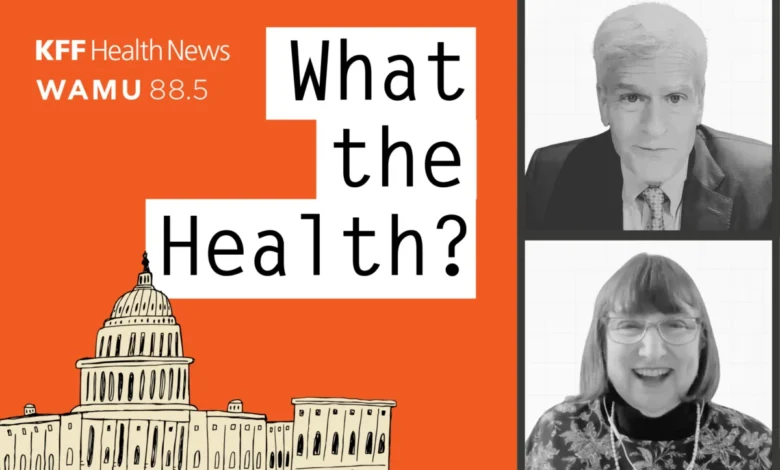
The interview, which also touched upon Senator Cassidy’s "Money and Value for Patients" proposal, was part of KFF Health News’ "How Would You Fix It?" series. This series features Julie Rovner, KFF Health News’ chief Washington correspondent and host of the What the Health? podcast, in conversation with policymakers and experts on critical healthcare issues. An abbreviated version of this discussion was broadcast on July 23 in Episode 456 of What the Health? From KFF Health News, titled "A Shrinking Safety Net."
The multifaceted discussions with Senator Cassidy highlight the complex interplay between national security, economic policy, public health, and healthcare affordability in the current American political landscape. His perspectives offer insight into the strategic considerations driving legislative debates on drug pricing, supply chain resilience, and the ongoing efforts to reform the U.S. healthcare system. The proposed tariffs on generic drugs, while potentially increasing immediate costs, are framed by proponents like Cassidy as a long-term investment in national security and a more robust domestic pharmaceutical industry, a stance that will likely continue to be debated as the policy unfolds.