The World Health Organization (WHO) late Saturday declared the ongoing Ebola outbreak in the Democratic Republic of the Congo (DRC) a Public Health Emergency of International Concern (PHEIC), a designation underscoring the escalating global worry about the virus’s trajectory. This critical step was prompted by the confirmed spread of the disease beyond the DRC’s borders, with travel-related cases now reported in Kampala, the capital of neighboring Uganda. The swiftness of this declaration, occurring just a day after African health officials confirmed the outbreak, and notably, without the prior recommendation of an expert emergency committee, highlights the unprecedented nature and perceived gravity of the current situation.
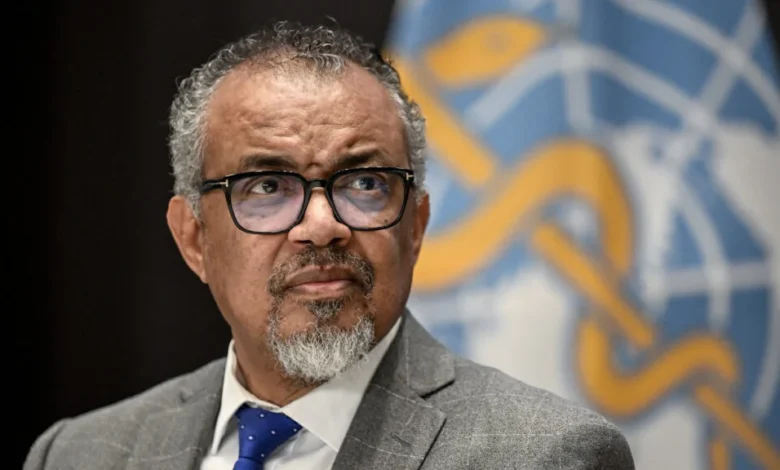
WHO Director-General Tedros Adhanom Ghebreyesus confirmed to STAT that this marks the first instance of a PHEIC being declared without the formal advice of an emergency committee. He stated that an emergency committee would be convened as rapidly as possible to provide expert guidance on containment strategies. This unusual procedural departure has been met with a measured response from international bodies, including the International Panel for Pandemic Preparedness and Response. The panel, co-chaired by former President of Liberia, Ellen Johnson Sirleaf, and former Prime Minister of New Zealand, Helen Clark, issued a statement commending Dr. Tedros’s decisive action.
"His decision to proceed ahead of convening a formal Emergency Committee reflects the gravity of the situation and the need for immediate global mobilization," the panel’s statement read, suggesting that the swiftness was a prudent reflection of the pressing public health threat. The PHEIC designation carries significant weight, empowering the WHO Director-General to issue temporary recommendations – crucial guidance for member states on how to effectively combat the outbreak. This declaration is also intended to elevate global attention to the crisis, potentially spurring increased international funding and coordinated response efforts, a prospect particularly relevant given the WHO’s ongoing budgetary challenges, exacerbated by the withdrawal of the United States under the Trump administration.
The Emerging Threat: A Less Familiar Strain and Complicating Factors
The current outbreak is attributed to a specific species of Ebola known as Bundibugyo ebolavirus. Health officials possess considerably less experience in managing this particular strain compared to the more frequently encountered Zaire ebolavirus, which caused the devastating 2018-2020 outbreak. The Bundibugyo strain has only been documented in two previous outbreaks, meaning that established protocols and medical countermeasures may be less effective. Critically, there are currently no licensed vaccines or therapeutics specifically approved for the Bundibugyo ebolavirus, leaving healthcare providers with limited direct tools to combat the infection.
As of Saturday, the situation within the DRC’s remote Ituri province, a region bordering South Sudan and Uganda, presented a grim picture. Health officials reported eight confirmed cases, alongside a substantial 246 suspected cases, and a tragic 80 suspected deaths. The geographic location of Ituri province is particularly concerning due to its proximity to other nations and the established patterns of cross-border movement among its population.
A Historical Shadow and Persistent Challenges in Ituri Province
Ituri province holds a grim historical significance in the fight against Ebola. It was the epicenter of the second-deadliest Ebola outbreak on record, which raged from 2018 to 2020. That catastrophic event saw 3,470 confirmed cases and 2,287 deaths, primarily caused by the Zaire ebolavirus. The lingering memory of this past crisis, coupled with the ongoing complexities of the region, casts a long shadow over the current response. Ituri province has been embroiled in a protracted and violent conflict for years, a situation that severely impedes the logistical and operational capacity of outbreak response teams. The movement of people within the region and across national borders, a necessity for livelihoods and social cohesion, also presents a significant challenge for containment efforts, creating pathways for the virus to spread.
Early Signs of Regional Spread and a Deceptive False Alarm
The detection of travel-related cases in Kampala, Uganda, marked a critical turning point, elevating the perceived risk of cross-border transmission. The two individuals confirmed to have contracted the virus in Kampala had recently been in the DRC. Crucially, these two cases are believed to be unconnected, suggesting at least two separate introductions of the virus into Uganda. An update issued by the WHO on Sunday indicated that, at present, there is no evidence of ongoing community transmission within Uganda, a critical detail for assessing the immediate risk of wider spread within the country.
Adding to the initial confusion and concern, earlier reports of a suspected case in Kinshasa, the DRC’s sprawling capital, were later disproven. Confirmatory tests conducted on a sample from the individual in Kinshasa returned negative results, the WHO confirmed, alleviating immediate fears of the virus reaching the densely populated capital.
Strain on Healthcare Workers and Gaps in Preparedness
The current outbreak has already exacted a heavy toll on healthcare workers, with at least four having died from suspected cases within a compressed four-day period. The first known suspected case was a healthcare worker who began exhibiting symptoms on April 24 in Bunia, the provincial capital. This individual subsequently succumbed to the illness. The considerable four-week delay between this initial event and the official confirmation of the Ebola outbreak in northeastern DRC points to significant weaknesses in the local public health infrastructure. The WHO highlighted a "low clinical index of suspicion among healthcare providers" and "dangerous gaps in infection prevention" as contributing factors to this delay, underscoring the urgent need for enhanced training and adherence to safety protocols.
The WHO’s assessment paints a concerning picture, indicating "signs of a potentially much larger outbreak than what is currently being detected and reported, with significant local and regional risk of spread." This cautious outlook, coupled with the existing challenges, informed the decision to issue the PHEIC declaration in the early morning hours of Sunday in Geneva.
Understanding the Public Health Emergency of International Concern (PHEIC)
The declaration of a PHEIC is a formal mechanism within the International Health Regulations (IHR) designed to address significant public health events that pose a risk to international public health. Pronounced similarly to "fake," a PHEIC is triggered when an event is determined to constitute a risk of international spread and requires a coordinated international response. The designation grants the WHO Director-General the authority to issue temporary recommendations, providing member states with essential guidance on containment measures, travel advisories, and resource allocation.
The declaration of a PHEIC is a powerful signal, intended to galvanize global attention and resources. While not a direct guarantee of increased funding, it often serves as a catalyst for international aid and collaborative efforts. The WHO’s recent financial struggles, partly due to the departure of a major contributor, make the potential for increased international support all the more critical in this burgeoning health crisis.
Timeline of Key Events:
- April 24, 2026 (approx.): The first known suspected case, a healthcare worker, develops symptoms in Bunia, DRC.
- Late April – Mid-May 2026: Multiple suspected cases, including additional healthcare workers, emerge, but the link to Ebola is not immediately confirmed.
- May 14, 2026: African health officials confirm the ongoing outbreak in DRC’s Ituri province.
- May 15, 2026: Travel-related cases of Ebola are reported in Kampala, Uganda.
- May 16, 2026 (late Saturday): The World Health Organization declares the outbreak a Public Health Emergency of International Concern (PHEIC).
- May 17, 2026 (Sunday): WHO issues an update confirming no ongoing transmission in Uganda and refuting earlier reports of a case in Kinshasa.
Broader Implications and the Path Forward
The declaration of a PHEIC sets in motion a series of actions and expectations. It signals to the international community that the outbreak in the DRC is not merely a national concern but a potential global threat requiring coordinated action. This includes enhanced surveillance at borders, increased support for the DRC and Uganda in their response efforts, and potentially the rapid development and deployment of experimental medical interventions if found to be effective against the Bundibugyo strain. The lack of licensed vaccines or therapeutics for this specific Ebola species presents a significant hurdle, necessitating urgent research and development, alongside robust infection control measures and contact tracing. The ongoing conflict in the DRC and the porous borders with neighboring countries will continue to pose formidable challenges to containment, demanding innovative and context-specific strategies. The world watches, with renewed vigilance, as global health authorities grapple with this escalating emergency.
Related posts: