Debunking the Narrative That Loyalty Programs Caused the Collapse of Spirit Airlines

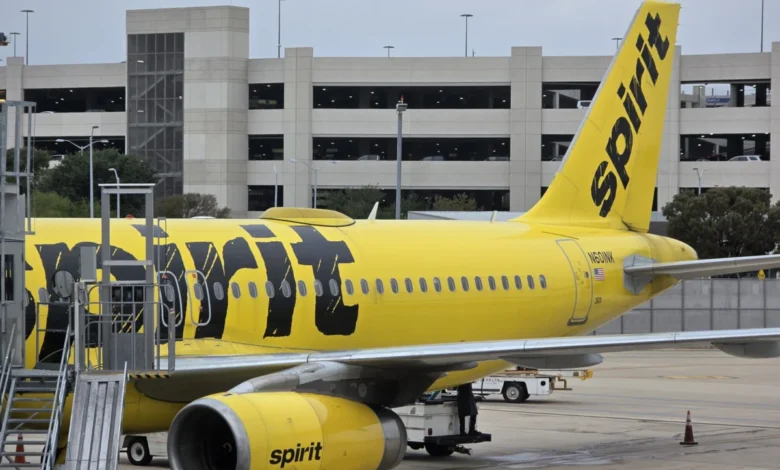
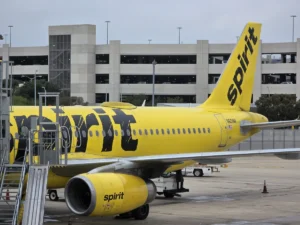
The collapse of Spirit Airlines has prompted a flurry of post-mortem analyses, with many commentators attempting to attribute the low-cost carrier’s bankruptcy to the structural advantages of larger, legacy airlines. A prominent argument currently circulating—most notably in recent opinion pieces—suggests that frequent flyer programs and co-branded credit cards provided major carriers with an "unfair" capital advantage that effectively throttled Spirit’s ability to compete. However, a granular examination of financial filings, historical data, and industry market dynamics suggests that this narrative is fundamentally flawed. Spirit’s downfall was not the result of a systemic conspiracy involving loyalty-backed debt, but rather a convergence of internal operational failures, a shift in consumer preference, and a breakdown in cost discipline.
The Myth of Unequal Access to Capital
The central premise of the "loyalty-as-a-weapon" argument is that legacy carriers—American, Delta, and United—used their frequent flyer programs as collateral to secure inexpensive capital that was unavailable to smaller rivals like Spirit. This theory posits that these programs functioned as a financial shield during the Great Recession and the COVID-19 pandemic, creating an insurmountable moat.
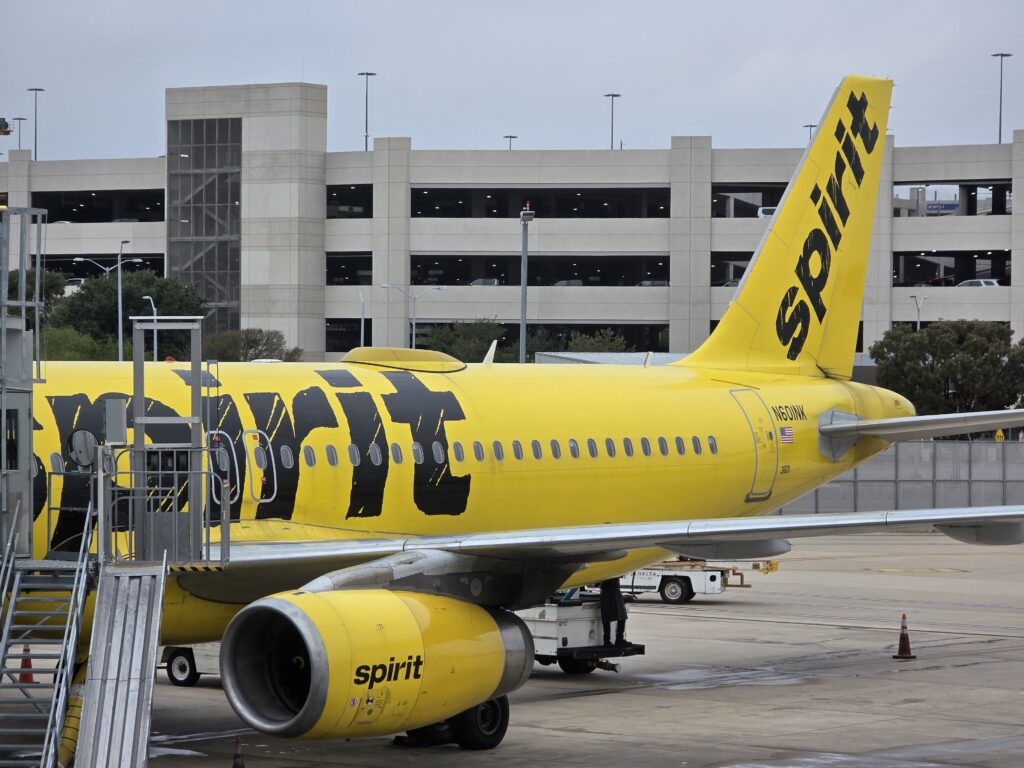
In reality, Spirit Airlines was not excluded from these financing mechanisms. Between 2020 and 2024, Spirit raised approximately $1.45 billion through the very same type of loyalty-backed financing structures that critics claim were exclusive to the "Big Three." Furthermore, Spirit was a significant beneficiary of government intervention, receiving over $750 million in direct cash grants and subsidized loans via the CARES Act and subsequent pandemic relief measures. To suggest that Spirit lacked access to capital markets or government support is to ignore the public record. The airline’s inability to survive was not due to a lack of financing opportunities, but rather an inability to manage the capital it was provided.
Chronology of a Structural Decline
To understand why Spirit ultimately ceased operations on May 2, 2026, one must look beyond the simplified narrative of credit card competition and examine the airline’s internal trajectory.
- 2019: Spirit Airlines operated with an operating cost per available seat mile (CASM) of 7.97 cents, maintaining its status as a lean, cost-efficient operator.
- 2020–2022: The global pandemic disrupted the aviation industry. Like its peers, Spirit secured liquidity through loyalty-backed debt and government aid.
- 2024: Financial strain began to manifest as operating expenses decoupled from revenue growth. The airline’s credit card processor began implementing holdbacks, a common move when lenders perceive a heightened risk of insolvency.
- November 2025: While already in its second bankruptcy proceedings, Spirit reported an operating loss of $72.7 million for the month, representing a staggering negative 30.4% operating margin. This loss occurred before the geopolitical volatility in the Middle East caused the subsequent spike in jet fuel prices.
- December 2025: Industry insiders noted that other airlines were already preparing for a potential Spirit shutdown, as the company failed to present a credible standalone restructuring plan to its creditors.
- May 2, 2026: Spirit Airlines operated its final flight, formally marking the end of its corporate existence.
Operational Costs and the Loss of Competitive Edge
The most critical factor in Spirit’s demise was the erosion of its cost-discipline model. By the first nine months of 2025, Spirit’s CASM had ballooned to 11.28 cents—a 41.5% increase from its 2019 baseline. This rise in expenses was driven by a combination of labor inflation, persistent engine groundings, and a decision to expand corporate overhead—symbolized by the construction of a sprawling 11-acre headquarters campus—at a time when the airline was hemorrhaging cash.
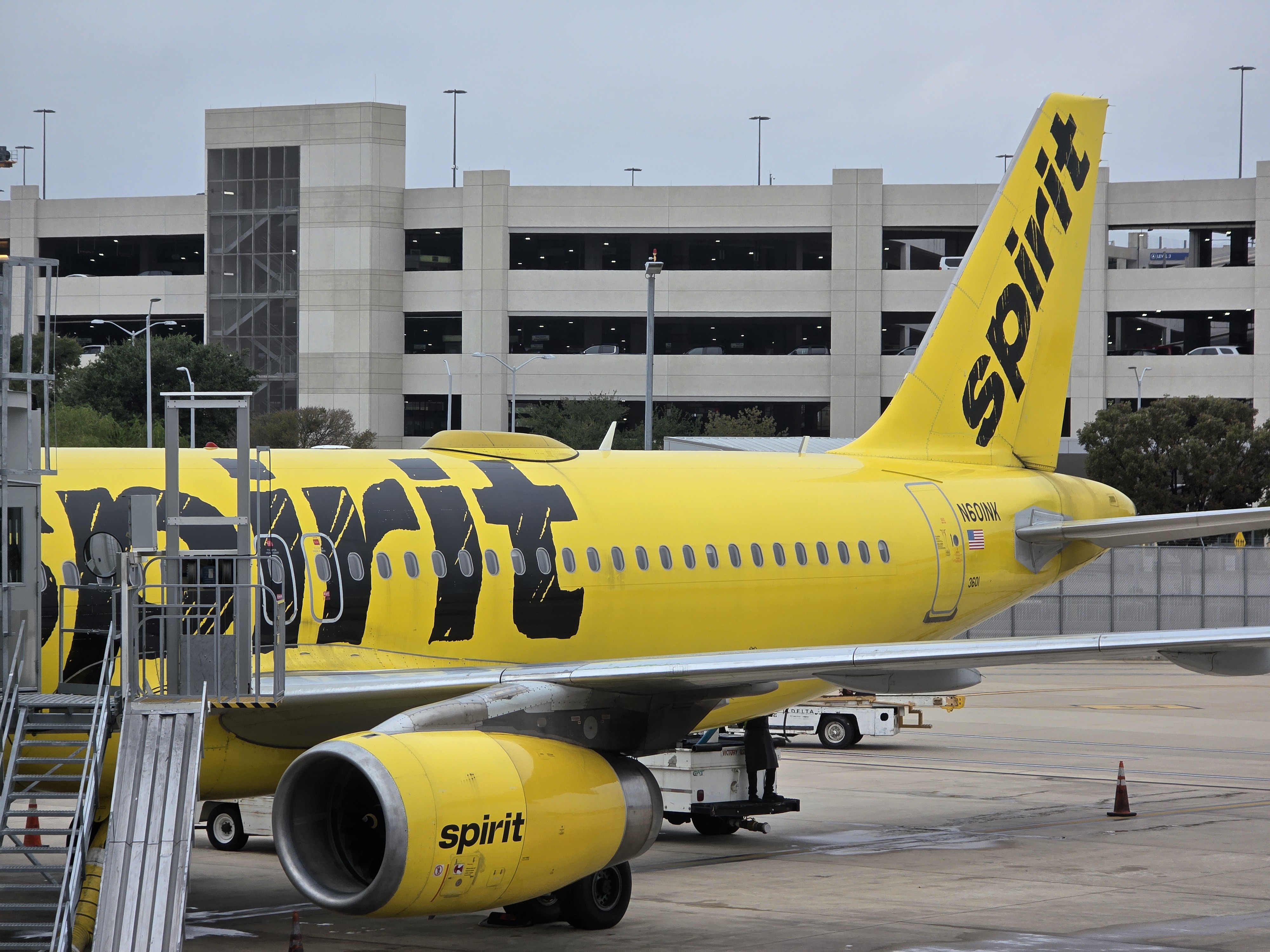
In the low-cost carrier (LCC) model, margins are razor-thin. When an airline’s cost structure rises by over 40% without a commensurate increase in premium service or pricing power, the business model ceases to be viable. Spirit was caught in a "value trap": its fares were no longer sufficiently low to compensate for the diminishing quality of the passenger experience compared to legacy carriers, which had significantly upgraded their own basic economy offerings and digital infrastructure.
The Role of Credit Card Revenue
Critics of the current airline ecosystem often characterize credit card revenue as "free money" that legacy carriers use to subsidize predatory pricing. This characterization is economically illiterate. Revenue from co-branded credit cards is the result of a complex business relationship where airlines sell miles, lounge access, and status benefits to banks. The airlines incur significant costs in delivering these benefits and managing the underlying loyalty infrastructure.
Frequent flyer programs are, in essence, a sophisticated marketing and data-collection engine. They support network growth by incentivizing loyalty, which allows airlines to operate a wider array of routes and maintain better connectivity. When Southwest Airlines expanded into Hawaii, for example, it utilized its loyalty program to make the route more attractive to potential cardmembers. This, in turn, allowed Southwest to maintain lower fares in that market. If these programs were dismantled, the likely outcome would not be a "fairer" market, but rather a contraction in capacity and an increase in base airfares, as the cross-subsidization provided by the credit card business would vanish.
The Fallacy of Market Impact
There is a frequent attempt to link the disappearance of Spirit to the subsequent rise in U.S. airfares. Analysts pointing to the 23.4% rise in fares as of August 2026 as proof of a "competition vacuum" are committing the post hoc, ergo propter hoc fallacy. Airfares had been trending upward long before Spirit’s final flight, driven largely by global fuel price volatility and the normalization of post-pandemic demand.
Moreover, the long-term historical trend remains downward. When adjusted for inflation, airfares in 2026 remained significantly lower than the average prices seen in 2016. The airline industry has undergone massive consolidation, yet the fierce competition for the average traveler continues to exert downward pressure on prices. Spirit’s market share had shrunk significantly by the time it ceased operations, meaning its removal from the market had a negligible impact on national fare averages compared to broader macroeconomic factors like fuel and labor costs.
Regulatory Misconceptions
Proposals to regulate airlines as public utilities, as suggested by some advocates for the "anti-loyalty" position, would likely be catastrophic for the industry. Such proposals often ignore that the pre-deregulation era (pre-1978) was defined by high prices, limited routes, and a lack of innovation. Spirit Airlines itself, as a low-cost, high-efficiency model, would have been functionally illegal under the regulatory environment that existed before the Civil Aeronautics Board was abolished.
Banning airlines from using slots or loyalty programs as collateral would not solve the core issue of airport congestion. Instead, it would simply force airlines to seek more expensive, unsecured financing, thereby increasing the cost of doing business and ultimately passing those costs on to the consumer in the form of higher ticket prices. A more effective solution, supported by many market analysts, would be the implementation of congestion pricing at slot-controlled airports, which would allow for more efficient use of limited infrastructure without government-mandated price controls.
Conclusion
The attempt to cast Spirit Airlines’ failure as a casualty of "big airline" lobbying or the dominance of loyalty programs serves to distract from the reality of the company’s internal mismanagement. For decades, Spirit was the gold standard for cost discipline. When that discipline fractured, and when the airline failed to pivot its product to match the changing demands of the modern traveler, its path to insolvency became inevitable.
The aviation industry is notoriously capital-intensive and sensitive to economic shocks. While the "Big Three" possess significant advantages in scale and loyalty integration, these are the results of decades of strategic evolution and market competition, not systemic exclusion. Blaming the failure of an individual airline on the existence of standard financial tools is not only inaccurate but serves to cloud the necessary discussion regarding how mid-tier carriers can successfully navigate an increasingly complex global travel landscape. Ultimately, the market favored airlines that could deliver value, reliability, and modern service—three areas where, by 2026, Spirit had simply fallen behind.