The Legacy of the Church Sampler: How a Century-Old Tool Battles the Modern West’s Growing Snow Drought

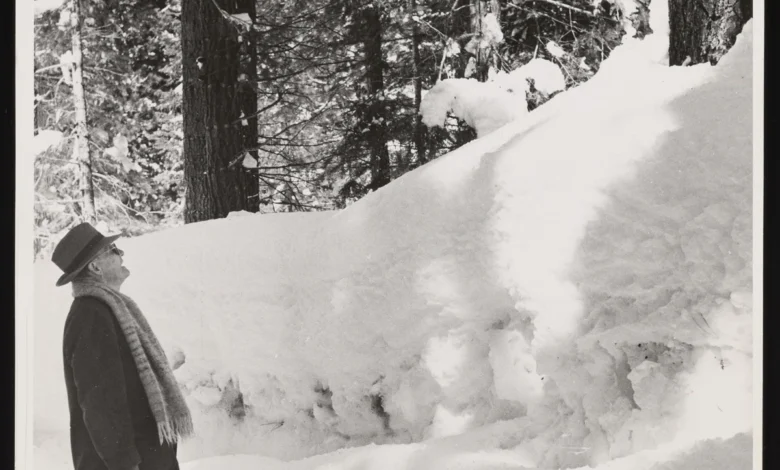
On a biting February morning in Washington’s Cascade Mountains, Toby Rodgers, a hydrologist for the U.S. Department of Agriculture’s Natural Resources Conservation Service (NRCS), adjusted his snowshoes and began the arduous trek across a drifts-heavy meadow. Rodgers was not there for recreation; he was on a mission to perform a ritual of precision that has remained largely unchanged for over a hundred years. Slung over his shoulder was a device that looked more like a piece of vintage plumbing than a scientific instrument: a long, hollow aluminum tube tipped with a sharp, serrated steel bit. This is the Church Sampler, and in the high-stakes world of Western water management, it remains the gold standard for predicting the future of the region’s most precious resource.
When Rodgers reached his designated sampling site, he drove the tube vertically through the snowpack until it struck the frozen earth beneath. After extracting a core of snow, he suspended the tube from a portable spring scale. This simple act of weighing the snow provides a measurement known as the Snow Water Equivalent (SWE). It tells hydrologists not just how deep the snow is, but exactly how much liquid water will be released into the rivers, lakes, and reservoirs downstream when the spring thaw arrives. In a region where roughly 75 to 80 percent of the water supply originates as mountain snow, these measurements are the difference between calculated management and ecological catastrophe.
The Genesis of Snow Science: From Classics to Climate
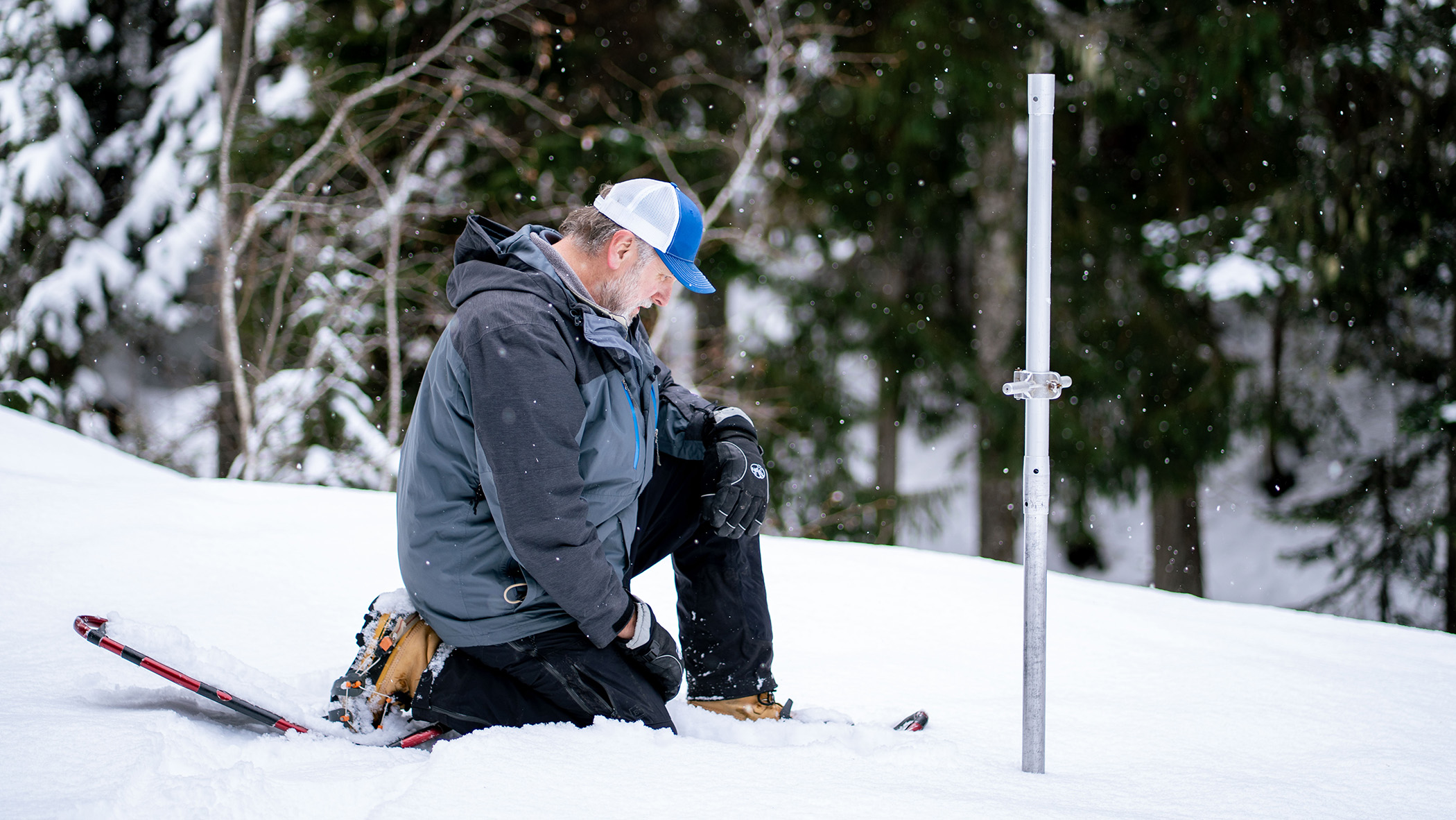
The history of the Church Sampler is as improbable as the device is simple. It was the brainchild of Dr. James Edward Church, a professor of Latin and Greek at the University of Nevada, Reno, in the early 20th century. While his professional life was dedicated to ancient literature, Church’s passion lay in the rugged peaks of the Sierra Nevada. An avid mountaineer, he spent his winters scaling summits like Mount Rose, often in conditions that contemporary locals deemed suicidal.
Church’s transition from a classics professor to the "Father of Snow Science" was born out of a very practical conflict. In the early 1900s, the Truckee River Basin was a theater of intense "water wars" between downstream farmers in Nevada’s high desert and the residents of Lake Tahoe. The farmers needed water for irrigation, while Tahoe residents wanted to maintain stable lake levels to prevent shoreline erosion. There was no reliable way to predict how much runoff would occur each spring, leading to mismanagement, wasted water, and constant litigation.
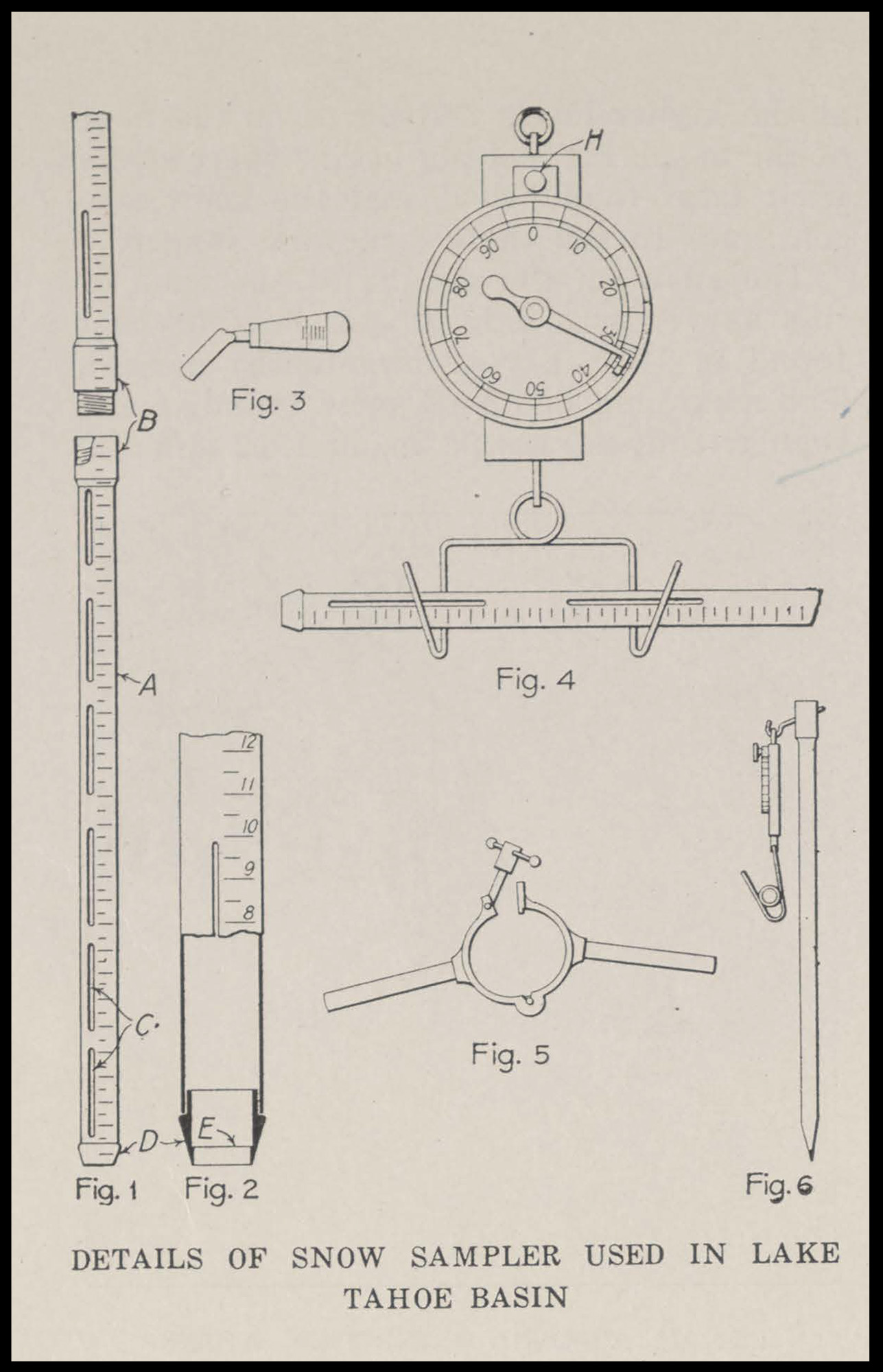
Church realized that measuring snow depth was a deceptive metric because the density of snow varies wildly; a foot of light, powdery snow contains far less water than a foot of dense, wet "Sierra Cement." In 1906, he developed the Mount Rose Sampler—later renamed the Church Sampler—to measure the weight of the snow core. By comparing the weight of the snow to the weight of an equal volume of water, Church could accurately forecast the seasonal rise of Lake Tahoe. His methods were so successful that they were soon adopted by the state of California and eventually by the federal government, forming the backbone of the National Cooperative Snow Survey Program established in 1935.
The Anatomy of the Measurement
The Church Sampler remains a marvel of low-tech engineering. The system consists of several threaded sections of aluminum tubing, allowing scientists to measure snowpacks that can exceed 20 feet in depth. The serrated "cutter" at the bottom is designed to chew through ice lenses and crusty layers that would stop a blunt pipe. Once the core is extracted, the hydrologist uses a specialized tool—often humorously referred to as a "high-tech butter knife"—to scrape away any soil or debris from the bottom of the tube to ensure the weight represents only the frozen water.
The math is elegant in its simplicity. Because the diameter of the tube is calibrated so that one ounce of snow weight equals exactly one inch of water depth, the spring scale provides an immediate reading of the SWE. Despite the advent of satellites, LIDAR-equipped aircraft, and automated SNOTEL (SNOwpack TELemetry) stations that use pressure sensors to weigh snow, the manual Church Sampler remains indispensable. It serves as the primary method for ground-truthing high-tech data and is often the only way to get readings in remote Wilderness Areas where mechanized equipment and permanent structures are prohibited by federal law.
A Chronology of Change: The Shift to Snow Drought
While the tools of snow science have remained constant, the environment they measure is undergoing a radical transformation. The timeline of Western snowpack over the last century shows a disturbing trend toward volatility and decline.
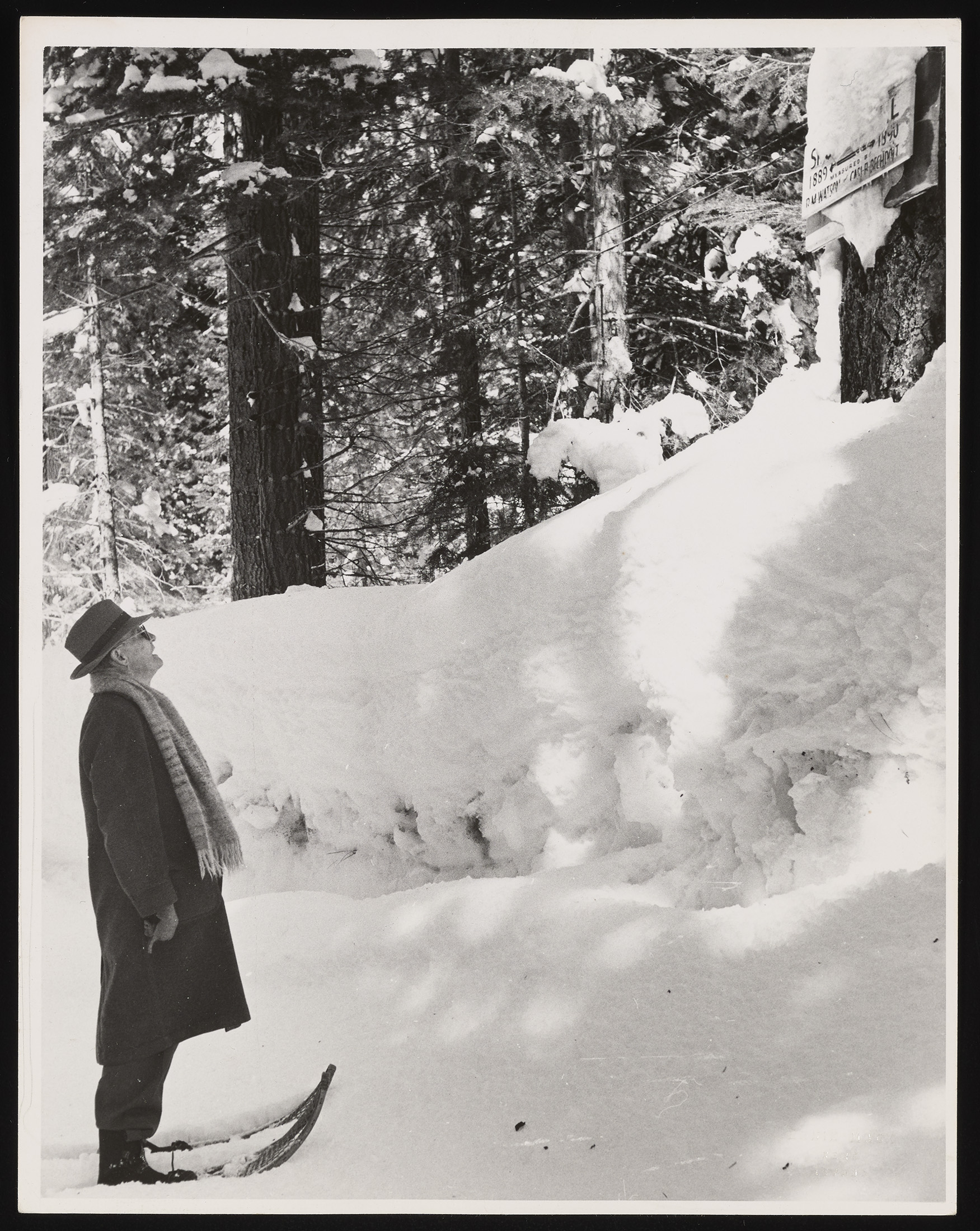
- 1906–1940: The establishment of snow courses across the West provides a baseline of "normal" winters, characterized by consistent, deep snowpacks that act as natural reservoirs, slowly releasing water through July and August.
- 1970s–1980s: The introduction of automated SNOTEL stations allows for real-time monitoring, but begins to record a gradual thinning of snow at lower elevations.
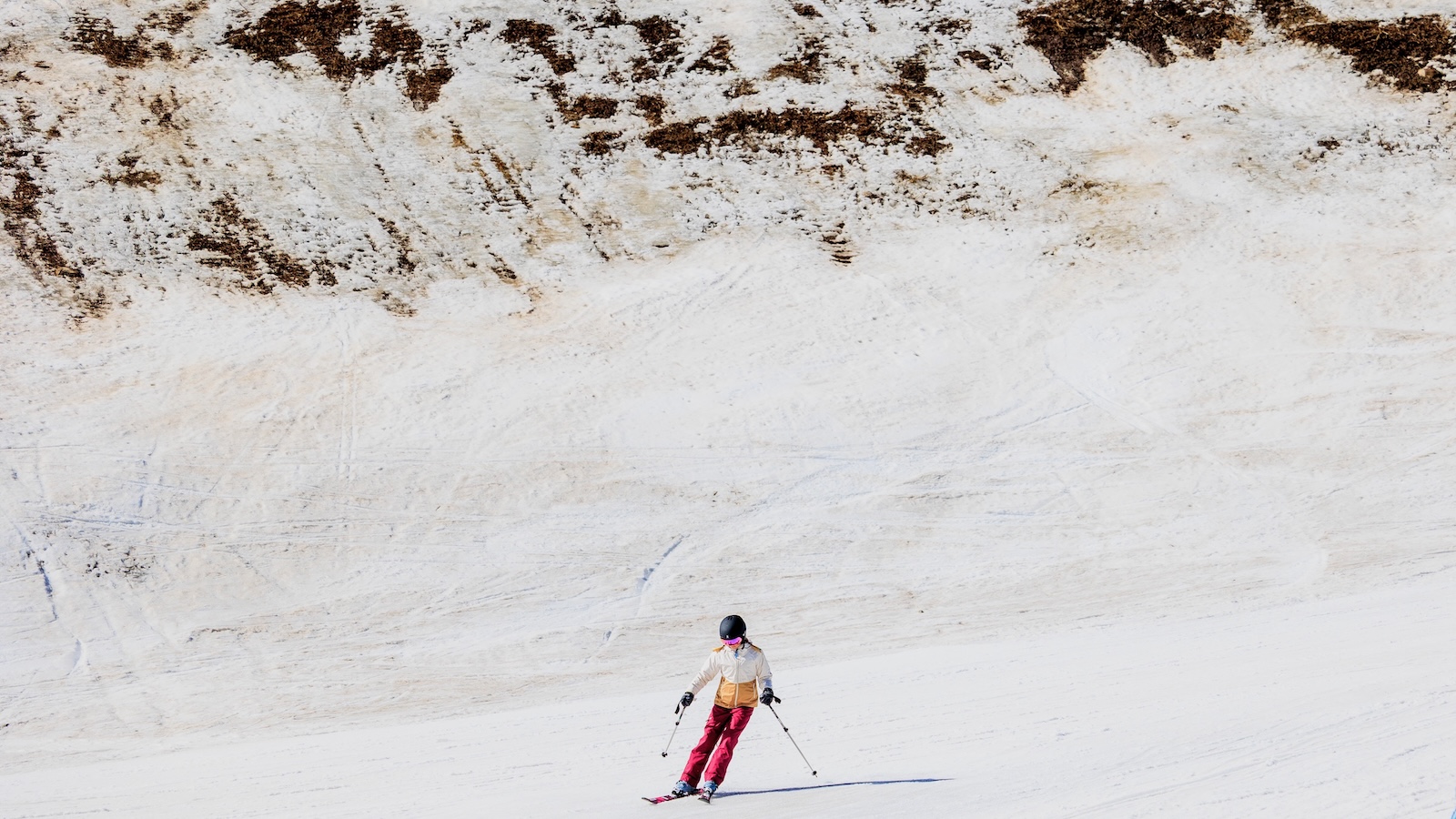
- 2000–Present: The "Millennium Drought" takes hold in the Colorado River Basin. Scientists begin to observe a phenomenon known as "snow drought," where precipitation may fall, but warmer temperatures cause it to arrive as rain or melt prematurely.
- 2021: A landmark review published in the journal Nature warns that the Western U.S. could lose 25 percent of its historical snowpack within the next 25 years if current warming trends continue.
- 2024–2026: Recent data points to an acceleration of these trends. In the spring of 2026, snow scientists reported that some basins in California and the Southwest held only 17 percent of their median snowpack on April 1st—the date historically considered the peak of the winter accumulation.
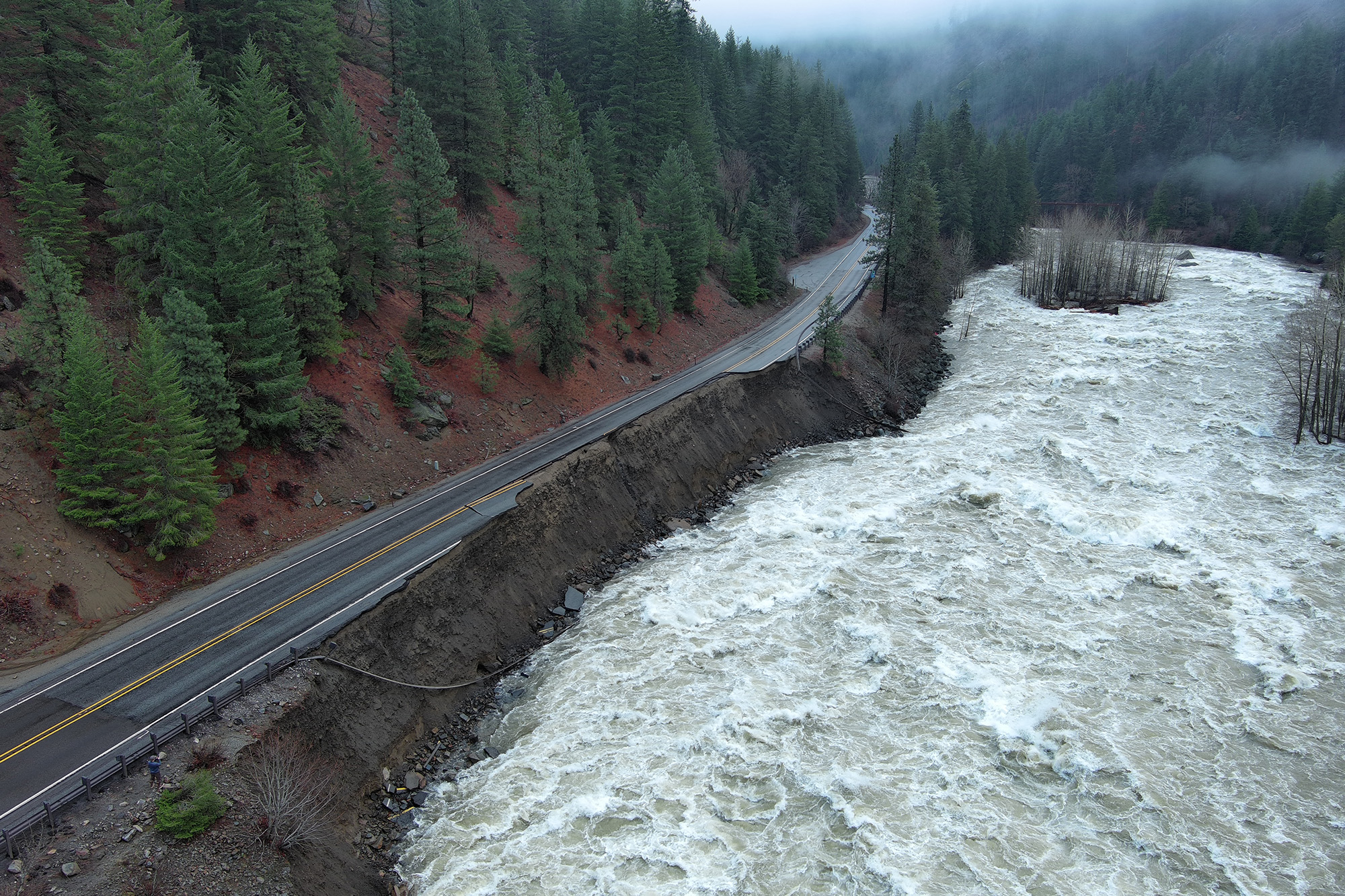
This shift has profound implications. In Washington State, near the Stevens Pass site visited by Toby Rodgers, the winter of 2025-2026 provided a grim preview of the future. While the region saw significant precipitation, it was frequently delivered via "atmospheric rivers" that brought warm rain rather than snow. Instead of being stored in the mountains until summer, this water rushed down the slopes immediately. In December 2025, a massive rain-on-snow event triggered catastrophic flooding that washed out sections of Highway 2, severing a major transportation artery for months.
Data and Disruption: The Impact of a Warming West
The data gathered by the NRCS reveals a West that is becoming increasingly "de-synchronized." Historically, the snowpack acted as a colossal, free battery that stored energy (in the form of water) during the winter and discharged it when agricultural and urban demand peaked in the summer. As that battery shrinks, the infrastructure of the West—its dams, canals, and hydroelectric plants—is being pushed to its limits.
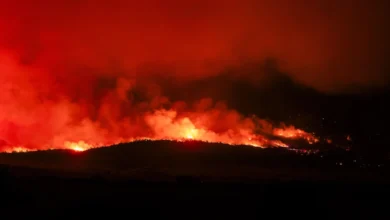
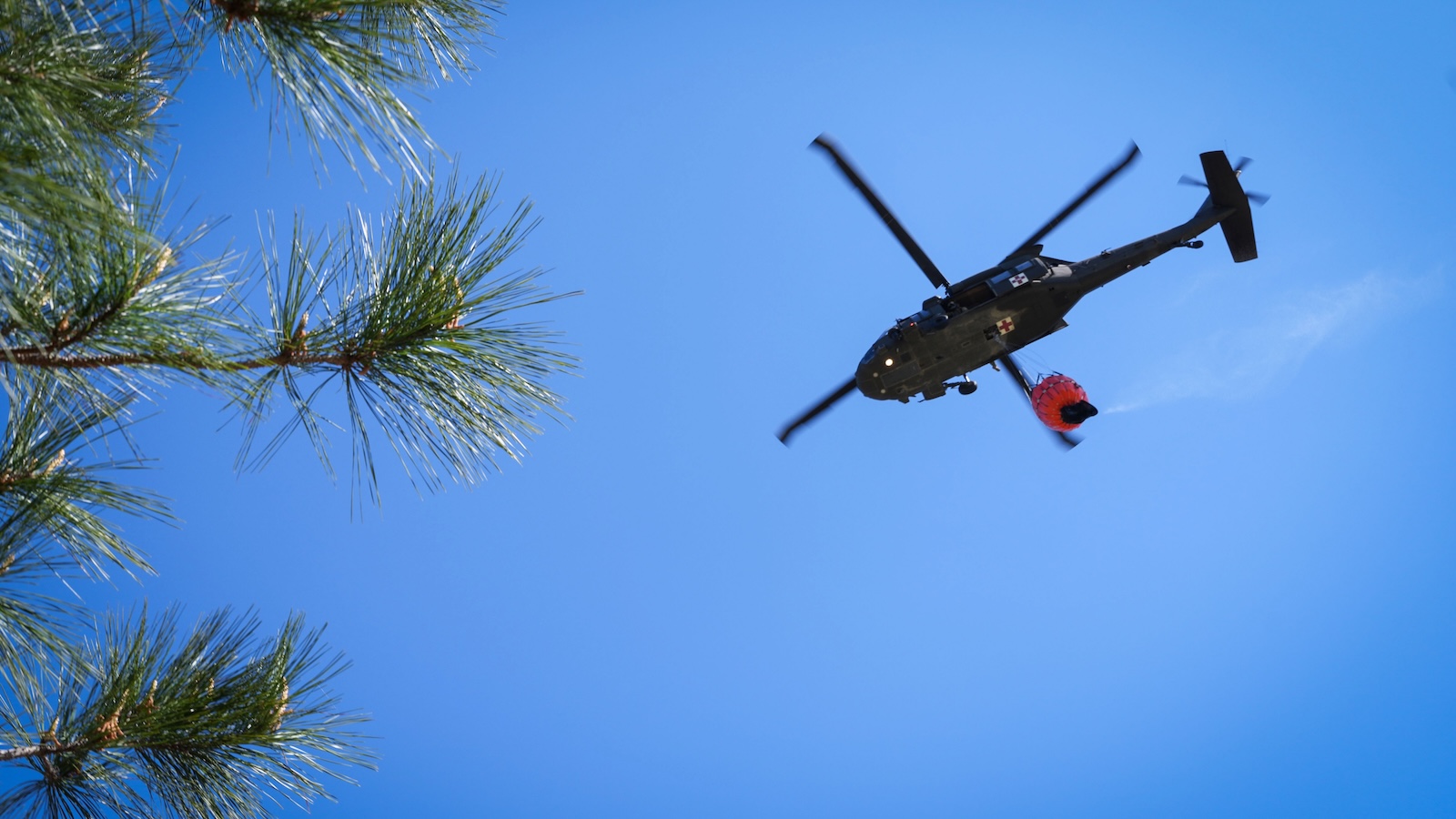
Supporting data from the U.S. Drought Monitor indicates that "snow drought" is now a primary driver of wildfire risk. When snow melts too early, the forests and grasslands dry out months ahead of schedule, extending the fire season and increasing the intensity of burns. Furthermore, the lack of late-season meltwater leads to higher water temperatures in river systems, which is lethal for sensitive species like Chinook salmon and steelhead trout.
The economic consequences are equally staggering. The agricultural sector in California’s Central Valley, which produces a significant portion of the nation’s fruits, nuts, and vegetables, relies on the predictable melt of the Sierra Nevada snowpack. When that melt fails, farmers are forced to pump groundwater at unsustainable rates, leading to land subsidence—where the earth literally sinks—and the permanent loss of aquifer storage capacity.
Official Responses and the Future of Management
Government agencies are attempting to pivot in response to the data provided by hydrologists like Rodgers. The Bureau of Reclamation and various state water boards are increasingly looking toward "Forecast-Informed Reservoir Operations" (FIRO). This strategy uses advanced meteorological modeling and ground-based snow data to decide when to hold water in reservoirs and when to release it.
"We are no longer in an era where we can rely on the patterns of the past," noted one NRCS official in a recent briefing. "The ‘normal’ that James Church measured in 1910 is gone. We are now managing for extremes—either too much water all at once in the winter, or a total deficit in the summer."
There is also a growing movement to invest in "green infrastructure" to mimic the storage capacity of snow. This includes restoring mountain meadows and floodplains that can soak up winter rain and release it slowly, similar to how a healthy snowpack functions. However, these projects take years to implement and cannot fully replace the sheer volume of water stored in a traditional Western winter.
The Enduring Value of the Human Element
As Toby Rodgers finished his measurements at Stevens Pass, he meticulously recorded the weight in his field book. While his agency uses satellites and sophisticated algorithms, the physical core of snow inside the Church Sampler remains the most honest piece of data available. It is a tangible link to the mountain’s reality, unclouded by sensor drift or satellite interference.
The field of snow science, founded by a classics professor with a penchant for winter hiking, has become a frontline defense against the uncertainties of a changing climate. The Church Sampler is more than just a tube; it is a testament to the power of simple, elegant observation. In a world of increasing digital complexity, the survival of the American West may well depend on the continued use of this century-old aluminum pipe and the dedicated hydrologists who trudge through the snow to use it.
The crisis of the "snow drought" is no longer a distant threat; it is the current reality for millions of people from the Cascades to the Rockies. As the West prepares for a future of scarcer water and more frequent fires, the data gathered on these snowy slopes provides the essential roadmap for adaptation. The legacy of James Church lives on in every measured ounce of snow, reminding us that to manage our future, we must first understand the weight of our winter.