Emirates Enhances Economy Class Comfort with the Global Debut of the U-Dream Integrated Headrest System

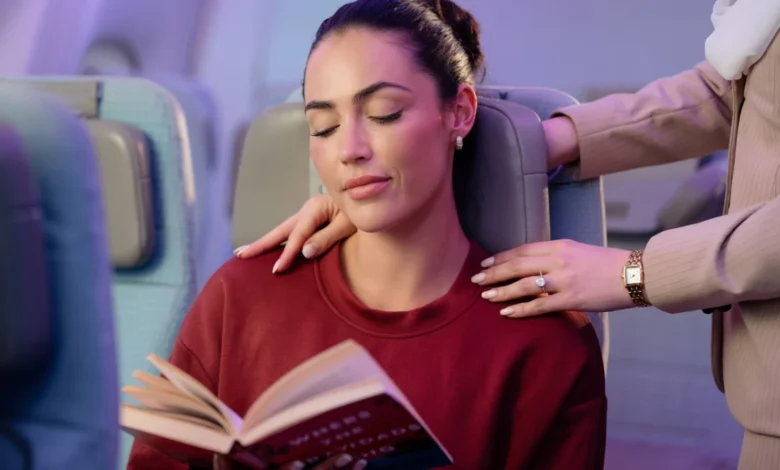
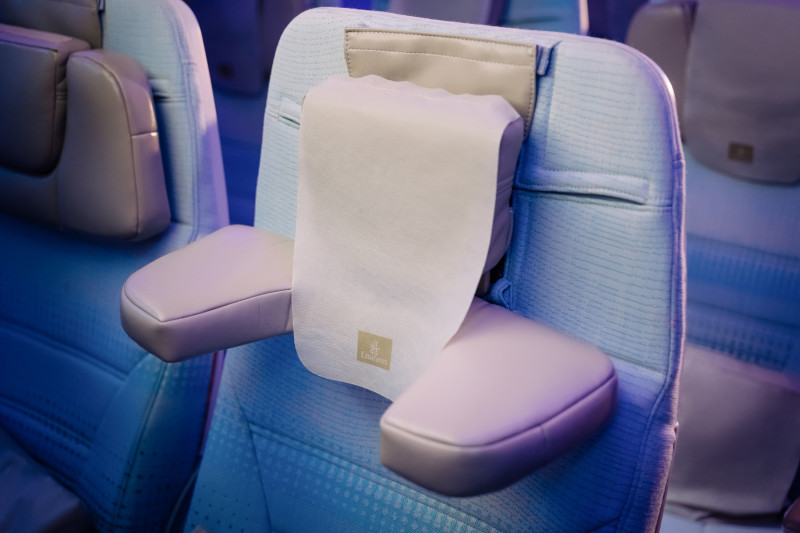
Emirates has officially announced the implementation of its new U-Dream headrest, a specialized seating component designed to provide comprehensive neck support and eliminate the need for traditional travel pillows on long-haul flights. This hardware upgrade, manufactured by Safran Seats, is being integrated into the airline’s economy class cabins as part of a broader effort to improve the passenger experience in high-density seating configurations. The U-Dream headrest features a unique, foldable "winged" design that wraps around the passenger’s neck, offering a structural solution to the common problem of head instability during sleep. While Emirates has marketed the innovation as a "world first" and a "game-changer" for international travel, the product represents the culmination of several years of industrial design and a growing trend among global carriers to provide incremental comfort enhancements in the economy cabin.
Technical Specifications and Design Philosophy
The U-Dream headrest is a core feature of the Safran Z400, a lightweight seat model specifically engineered for long-haul economy operations. Unlike standard headrests that typically offer vertical adjustment and two-way folding side wings, the U-Dream system utilizes a more complex mechanical articulation. The side panels are designed to extend downward and inward, creating a "U" shape that cradles the lower jaw and the sides of the neck. This design aims to prevent the "head bob" phenomenon, where a sleeping passenger’s head falls forward or sideways, often resulting in neck strain or sudden awakening.
The material choice for the headrest is a high-grade leather, selected for its durability and ease of maintenance. According to Emirates, the leather surfaces are sanitized after every flight to address hygiene concerns, as the wings come into direct contact with the passenger’s face and neck. The integration of this feature into the Z400 seat also serves an aerodynamic and economic purpose for the airline. The Z400 is categorized as a "slimline" seat, designed to reduce the overall weight of the aircraft, thereby lowering fuel consumption—a critical factor for Emirates, which operates one of the world’s largest fleets of wide-body aircraft, including the Boeing 777 and the Airbus A380.
Development Timeline and Public Debut
The journey of the U-Dream headrest from concept to cabin began several years ago. Developed by Safran Seats, the product gained significant industry recognition in 2021 when it won a Crystal Cabin Award, an accolade often referred to as the "Oscars" of the aircraft interior industry. Despite the early industry praise, the wide-scale deployment of the headrest was delayed as airlines navigated the logistical challenges of the post-pandemic era and fleet renewal cycles.
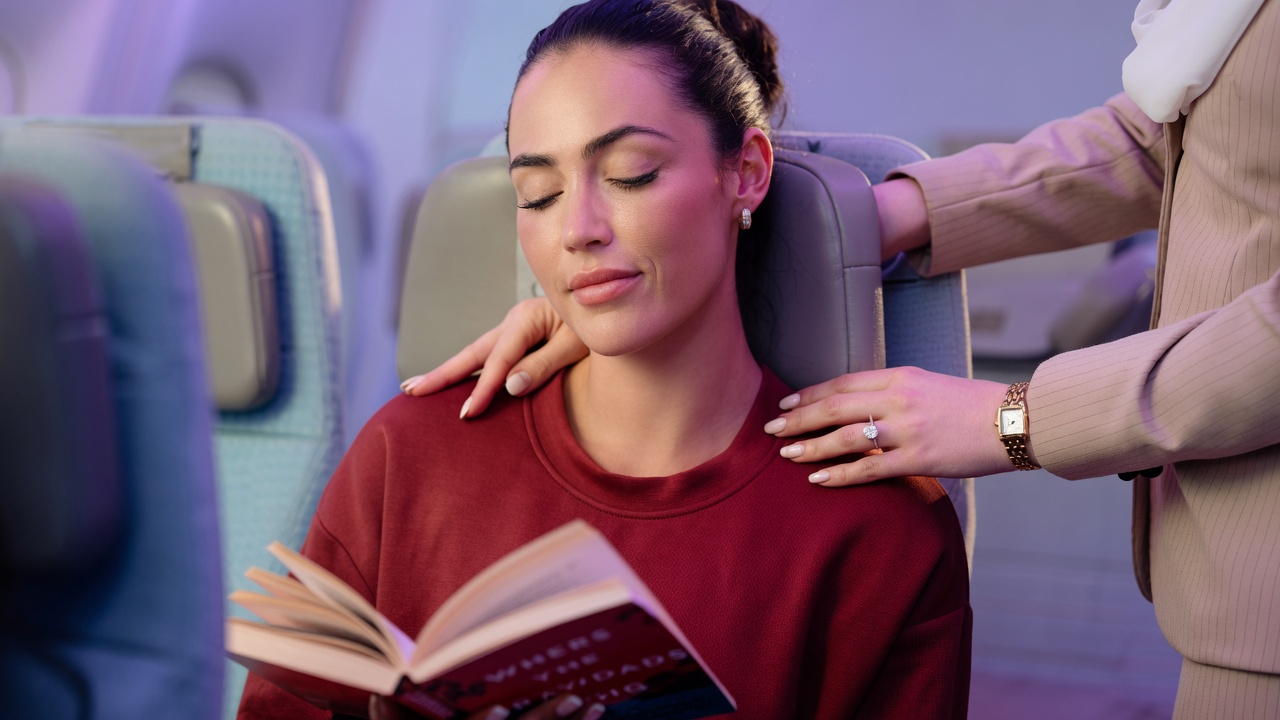
The public first caught a glimpse of the headrest in June 2026, several weeks before Emirates’ official press release. A passenger traveling on an Emirates flight from Dubai to Colombo recorded a short video demonstrating the headrest’s functionality. The video quickly went viral on social media platforms, including TikTok and Instagram, garnering over six million views within days. The passenger described the experience as "extremely comfortable," sparking widespread speculation among frequent flyers about which routes and aircraft would receive the upgrade. Emirates’ official confirmation this month serves as a formal response to the viral interest, detailing the airline’s commitment to a broader rollout across its fleet.
Contextualizing the Economy Class Experience
The introduction of the U-Dream headrest occurs within a highly competitive landscape where airlines are struggling to balance profitability with passenger satisfaction. In the economy class sector, profit margins are notoriously thin. Consequently, major carriers rarely invest in significant increases to seat pitch (the distance between seats) or seat width, as doing so would require reducing the total number of passengers per flight. Instead, airlines focus on "soft" amenities and ergonomic "micro-adjustments."
Emirates is known for its high-density 10-abreast seating on its Boeing 777 aircraft, a configuration that has occasionally drawn criticism from passengers for feeling cramped. By introducing the U-Dream headrest, Emirates is attempting to mitigate the discomfort of high-density seating through improved ergonomics. This strategy mirrors similar moves by other leading carriers. For example, Singapore Airlines has long been praised for its economy class footrests and integrated cup holders, while Cathay Pacific introduced a six-way adjustable headrest on its Airbus A350 fleet in 2016. British Airways and KLM have also introduced various iterations of winged headrests. However, Emirates’ U-Dream is distinct in its ability to provide 360-degree lateral support, moving closer to the functionality of a dedicated neck brace than a traditional cushion.
Data and Economic Implications for the Airline Industry
The decision to install the Safran Z400 with the U-Dream headrest is backed by significant data regarding passenger behavior and health. Market research suggests that approximately 60% of long-haul passengers carry some form of neck pillow, which adds to the bulk of carry-on luggage and can be cumbersome to manage in a restricted seat space. By integrating this support into the seat itself, Emirates reduces the "clutter" in the cabin and provides a perceived value-add that costs the passenger nothing in terms of extra luggage space.
Furthermore, ergonomic studies indicate that proper neck alignment during sleep on long-haul flights can reduce the incidence of muscle stiffness and contribute to a more restful journey, which is a key metric in passenger loyalty scores. For an airline like Emirates, which relies heavily on connecting traffic through its Dubai hub, ensuring that passengers arrive at their destination feeling refreshed is a strategic priority.
From a financial perspective, the adoption of the Z400 seat reflects the industry’s move toward "lightweighting." Every kilogram removed from an aircraft seat translates into thousands of dollars in fuel savings over the lifespan of the aircraft. Safran’s use of composite materials and streamlined mechanical parts in the Z400 allows Emirates to maintain a high level of passenger comfort without the weight penalty traditionally associated with complex mechanical seats.
Official Responses and Industry Reactions
While Emirates has hailed the rollout as a revolutionary step, industry analysts offer a more nuanced view. "It is an elegant solution to a persistent problem," noted one aviation interior consultant. "However, we must recognize that a headrest cannot compensate for a lack of legroom. It is a tactical improvement rather than a structural change to the economy class business model."
Emirates’ leadership has remained steadfast in its promotional efforts. In a statement accompanying the launch, the airline emphasized its "customer-centric" approach to innovation. "We listened to our passengers who frequently resort to makeshift solutions, such as using hoodies or bulky pillows, to find a comfortable sleeping position," a spokesperson for the airline stated. "The U-Dream headrest is our way of professionalizing those ‘travel hacks’ and building them directly into the Emirates experience."
The reference to "travel hacks" points to a specific social media trend where passengers tie the hoods of their sweatshirts to the seat’s headrest to create a makeshift sling for their heads. By acknowledging this behavior, Emirates is positioning itself as an observant and responsive brand that understands the grassroots realities of coach travel.
Hygiene, Maintenance, and Future Outlook
One of the primary concerns raised by the public following the viral video was the issue of hygiene. Unlike a personal travel pillow, which is owned and cleaned by the passenger, a seat-integrated headrest is shared by hundreds of different travelers over the course of a month. The U-Dream’s design, which wraps closely around the face, increases the surface area of contact between the passenger and the seat.
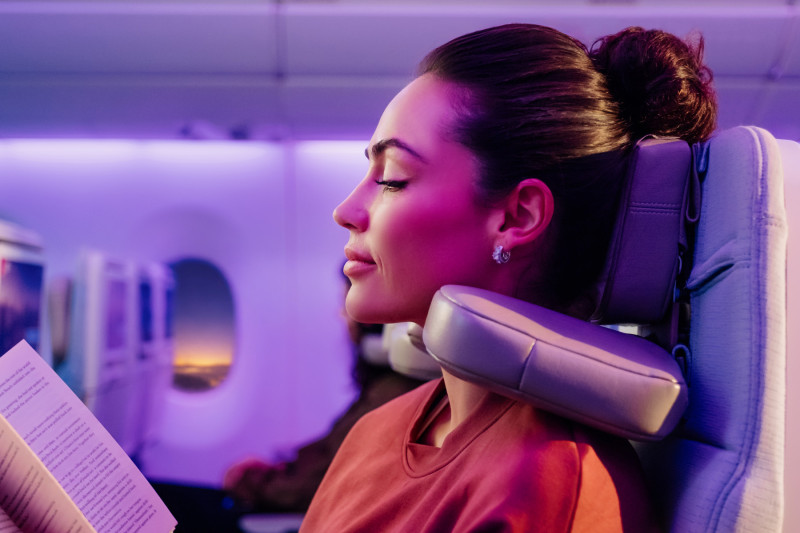
Emirates has addressed these concerns by highlighting the use of antimicrobial leather and rigorous cleaning protocols. The airline maintains that cabin crews are instructed to wipe down the headrests with disinfectant between flights. However, some travel experts suggest that passengers may still prefer to use their own sanitary covers or wipes, especially in a post-COVID-19 travel environment where awareness of surface cleanliness remains high.
Looking forward, the success of the U-Dream headrest could signal a new era of "integrated accessories" in economy class. If passenger feedback remains positive, other carriers are likely to adopt similar systems from Safran or develop proprietary versions. This could eventually lead to the total obsolescence of the retail travel pillow market for passengers flying on premium-tier international airlines.
In conclusion, the Emirates U-Dream headrest represents a significant, albeit incremental, evolution in economy class travel. By focusing on the specific mechanics of sleep and neck support, the airline is addressing a primary pain point of long-haul flying. While it does not change the fundamental dimensions of the economy cabin, it provides a sophisticated ergonomic tool that enhances the viability of rest during 10-to-15-hour journeys. As the rollout continues across the Emirates fleet, the industry will be watching closely to see if this "integrated pillow" becomes the new global standard for the "back of the bus."