Stanley Tucci Searching for Italy Season Two A Culinary Journey Through Regional Italian Gastronomy

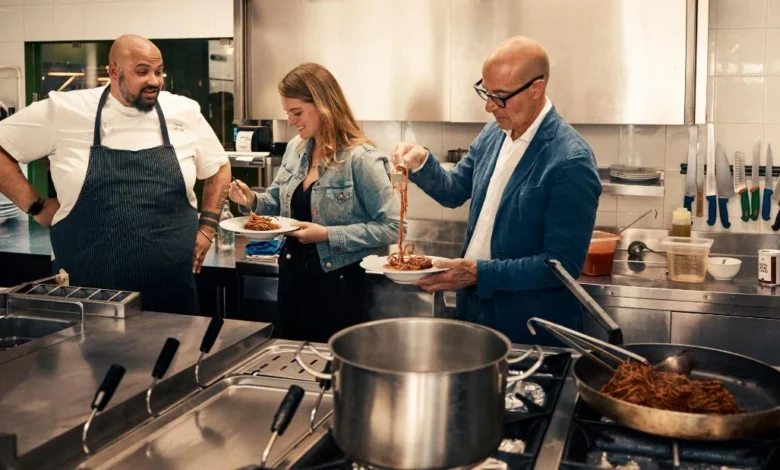
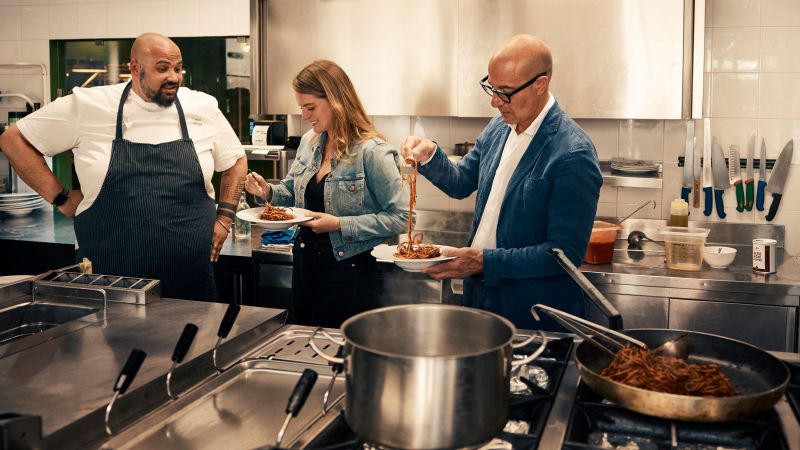
The second season of the acclaimed travel and food series Stanley Tucci: Searching for Italy continues to captivate global audiences by providing an immersive, deep-dive exploration into the diverse culinary landscapes of the Italian peninsula. Stanley Tucci, an actor and avid food enthusiast, traverses both iconic tourist destinations and remote, lesser-known locales to uncover the cultural heritage embedded within Italy’s regional cuisines. The show is currently available for streaming via CNNgo and Discovery+, offering viewers an expansive guide to the historic restaurants, traditional techniques, and local specialties that define the country’s food culture.
For viewers looking to retrace the actor’s journey, this guide serves as a comprehensive account of the establishments featured in the second season, ranging from prestigious Michelin-starred venues to humble, family-run eateries that have preserved culinary secrets for generations.
The Italian Riviera: Innovation Born of Harsh Geography
The Italian Riviera, renowned for its dramatic cliffs and vibrant architecture, presents a unique agricultural challenge. In the Liguria region, which encompasses glamorous destinations like Portofino and the rugged beauty of Cinque Terre, the difficult terrain has historically forced residents to be exceptionally inventive with local ingredients. This necessity gave birth to one of Italy’s most iconic exports: pesto.
During his visit, Tucci highlighted several key establishments, most notably Cracco Portofino. Managed by renowned Michelin-starred chef Carlo Cracco, the restaurant focuses on dishes intrinsically linked to the local topography. A standout moment in the series occurred when Cracco prepared pansotti—a traditional Ligurian ravioli—stuffed with a wild, hyper-local mixture of greens known as preboggion, finished with a rich walnut sauce. Tucci’s reaction underscored the distinctiveness of the dish, noting that it offered a flavor profile unlike anything he had previously experienced.
In Genoa, the focus shifted to the art of traditional pesto at Il Genovese. Chef Roberto Panizza, the founder of the Pesto World Championship and widely regarded as the "King of Pesto," demonstrated the time-honored technique of crushing basil, pine nuts, garlic, and cheese by hand using a mortar and pestle. By adding green beans and potatoes, the kitchen creates a version that is both authentic and deeply satisfying, illustrating the humble origins of the dish. Further, the Antico Forno della Casana was cited for its exceptional focaccia, a working-class staple known for its signature dimples and precise salt-to-dough ratio.

The Cultural Significance of Seafood and Tradition
The series also explored the elaborate nature of Ligurian seafood preparations. At The Cook, an upscale dining establishment housed within a 14th-century palazzo in Genoa, chef Ivano Ricchebono showcased the intersection of history and modern technique. A significant highlight was the presentation of cappon magro, a visually stunning seafood and vegetable salad arranged in a decorative, pyramid-like structure. The dish serves as a testament to the region’s historical maritime influence.
In the cliffside villages of Cinque Terre, the narrative moved toward the personal side of the industry. At Ittiturismo, a restaurant operated by the Galletti family, the focus is on the direct relationship between the sea and the table. With the father, Guido, foraging for fresh daily catches and his son, Pietro, managing the kitchen, the establishment provides a rare glimpse into a generational business model where the menu is dictated entirely by the day’s haul.
Puglia: The Culinary Soul of the Southern Boot
Transitioning to the southern region of Puglia, the series shifts toward a focus on fundamental ingredients: fragrant olive oil, fresh vegetables, robust durum wheat, and artisanal cheeses. Despite being historically categorized as one of Italy’s economically disadvantaged regions, Puglia is currently experiencing a culinary renaissance, characterized by a profound sense of pride in its ancient gastronomic roots.

The exploration of Puglia included a visit to the Urban Bistrot in Bari, where chef Celso Laforgia introduced the concept of spaghetti all’assassina, or "assassin’s pasta." This dish challenges conventional culinary wisdom regarding pasta preparation, as the noodles are toasted in a pan with olive oil and spicy peppers—without the addition of water—until they reach a charred, crispy consistency. The intensity of the heat, which earned the dish its moniker, provided a stark contrast to the more delicate preparations seen elsewhere in the country.
At Antichi Sapori in Montegrosso, chef Pietro Zito emphasized the importance of balance. His signature dish, burnt grain orecchiette served in a fava bean cream, highlights the region’s historical reliance on legumes for texture and depth. The use of burnt grain is a nod to the region’s agricultural past, where farmers would harvest the scorched grains remaining in the fields after a harvest to create flour.
Exploring the Remote Gastronomy of Sardinia
Sardinia presents an entirely different cultural narrative. Isolated from the mainland, the island has developed a culinary identity that functions as an archaeological record of the various civilizations that have passed through the Mediterranean.
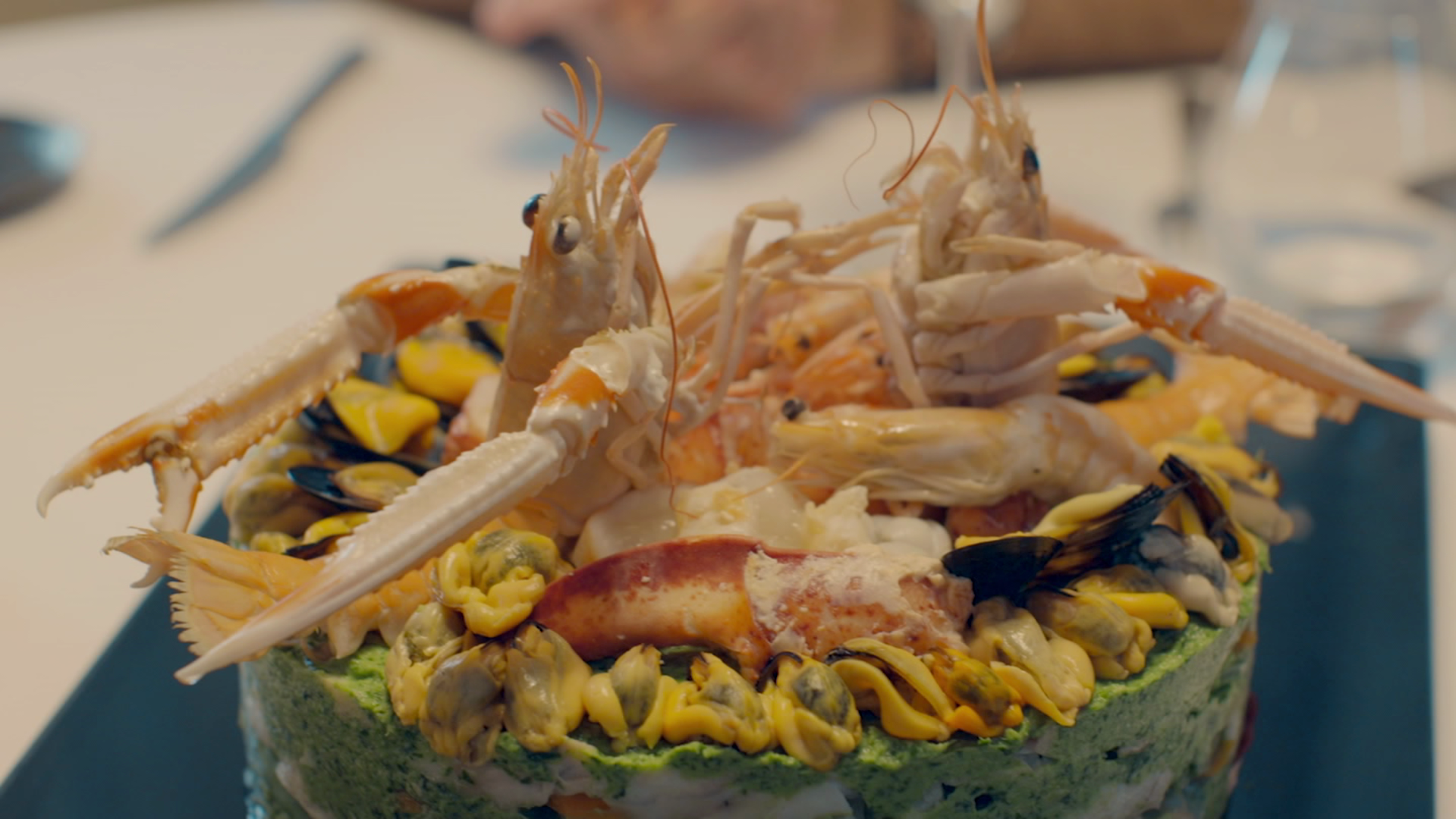
At Fradis Minoris, which holds a Michelin Green Star for its commitment to sustainability, chef Francesco Stara prepared fregola ai frutti di mare. Fregola, a couscous-like pasta, serves as a central element of the island’s history. The dish reflects the deep, historical ties between Sardinia and North African culinary traditions.
In the city of Alghero, which maintains a distinct "Little Barcelona" cultural identity due to its historical Catalan influence, Tucci sampled panada. This savory pie is a cultural cousin to the Spanish empanada, illustrating the fluid nature of food history across the Mediterranean. Furthermore, the region’s lobster is considered world-class; at the restaurant Mabrouk, chef Antonietta Salaris utilizes the entire creature, including the eggs, for her lobster a la Catalana, a technique that maximizes flavor while minimizing waste—a core tenet of Mediterranean cooking.
Calabria: The Ancestral Homecoming
The final regional focus centered on Calabria, a location of profound personal significance for Tucci as his ancestral home. The region, which constitutes the "toe" of the Italian boot, is defined by its rugged landscape and a culinary tradition that balances the austerity of mountain living with the bounty of its coastal areas.

At Panificio Cuti in Marzi, baker Pina Olivetti continues to produce pane de cuti, a sourdough bread following a recipe that is over a century old. The bakery also produces morsello, a traditional bread bowl filled with sausage and broccoli rabe. This dish historically served as a portable, nutrient-dense meal for agricultural laborers and hunters, but it has since transitioned into a centerpiece for communal celebrations and weddings.
The exploration of Calabrian cuisine concluded with an analysis of fire as an ingredient at Qafiz, where chef Nino Rossi utilizes modern, avant-garde techniques to interpret the environment. His signature dessert, designed to reflect the regrowth following the 2021 wildfires, uses charcoal-infused meringue to create a sensory experience that links the diner to the physical landscape.
Broader Implications and Cultural Legacy
The second season of Searching for Italy serves as more than just a travelogue; it acts as an archive of local traditions that are increasingly vulnerable to the pressures of globalization and mass tourism. By focusing on the chefs and families who maintain these specific, regional practices, the series provides a significant cultural service.

The economic implications for the featured restaurants are substantial. Following the broadcast of such programs, these establishments often see an immediate influx of interest, which can provide necessary capital for small, independent businesses to continue their operations. However, it also highlights the tension between preserving authentic local experiences and managing the demands of international attention.
Ultimately, the series reinforces the concept that Italian cuisine is not a monolithic entity but a collection of distinct regional identities. From the charred pastas of Puglia to the mountain-cured meats of the interior and the sophisticated seafood of the islands, Stanley Tucci’s journey provides a comprehensive map of a nation that expresses its history, geography, and values through the act of cooking and consumption. For those interested in the ongoing series, further itineraries for Piedmont, Umbria, Venice, and London offer additional depth, ensuring that the exploration of Italy’s vast culinary heritage remains an evolving, living study.