The Rise of Consumer-Grade Robotics
The trajectory of Unitree reflects a broader shift in the hardware landscape. For decades, the field of legged locomotion was dominated by high-cost, specialized entities such as Boston Dynamics, whose iconic Spot robot commanded prices upwards of $75,000. These machines were engineering marvels, but their price tag rendered them exclusive to research universities, government agencies, and industrial conglomerates.
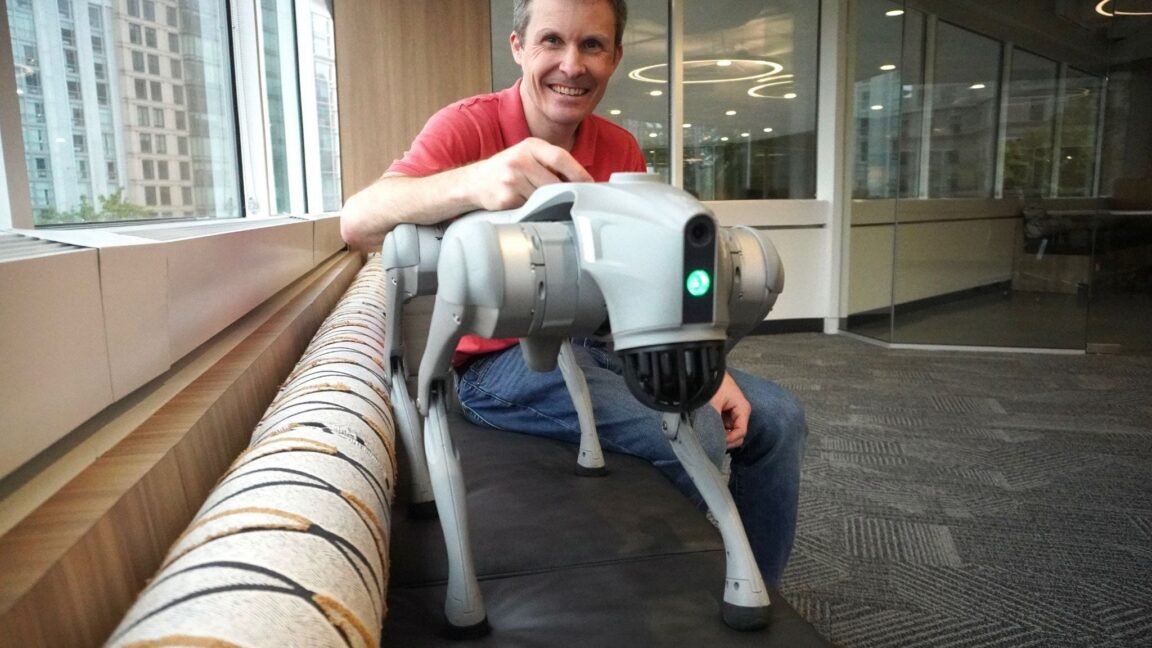
Unitree, founded in 2016 by Wang Xingxing, disrupted this model by prioritizing accessibility and rapid iteration. Wang, inspired by the foundational research of Marc Raibert, aimed to strip away the complex, hydraulic-actuated designs of early prototypes like "BigDog" in favor of electric motors and simplified gearboxes. This strategic pivot allowed the company to release the Go1 in 2021, followed by the more advanced Go2 in 2023. By leveraging domestic supply chains in China and benefiting from a supportive policy environment, Unitree successfully reduced the entry cost for a quadruped robot to roughly $1,600 for base models, with more sophisticated variants like the Go2 Pro hovering around $4,000.
Technical Foundations and Cost Reduction
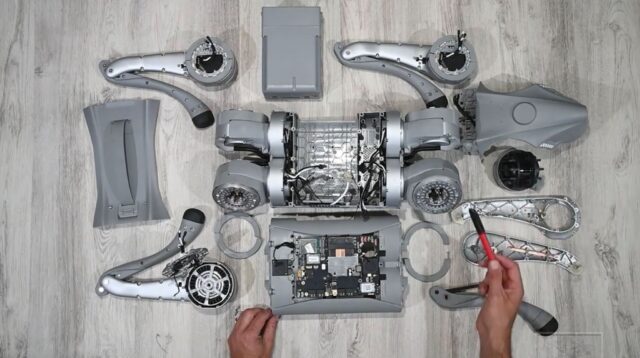
The democratization of robotics has not come without trade-offs. A technical teardown performed by the engineering firm Simplexity revealed that the affordability of the Go2 stems from both design choices and component strategy. Unlike industrial robots that utilize high-ratio, precision-engineered gearboxes—which are expensive and contribute to mechanical stiffness—Unitree employs a 6.33-to-1 gearbox paired with high-torque motors.
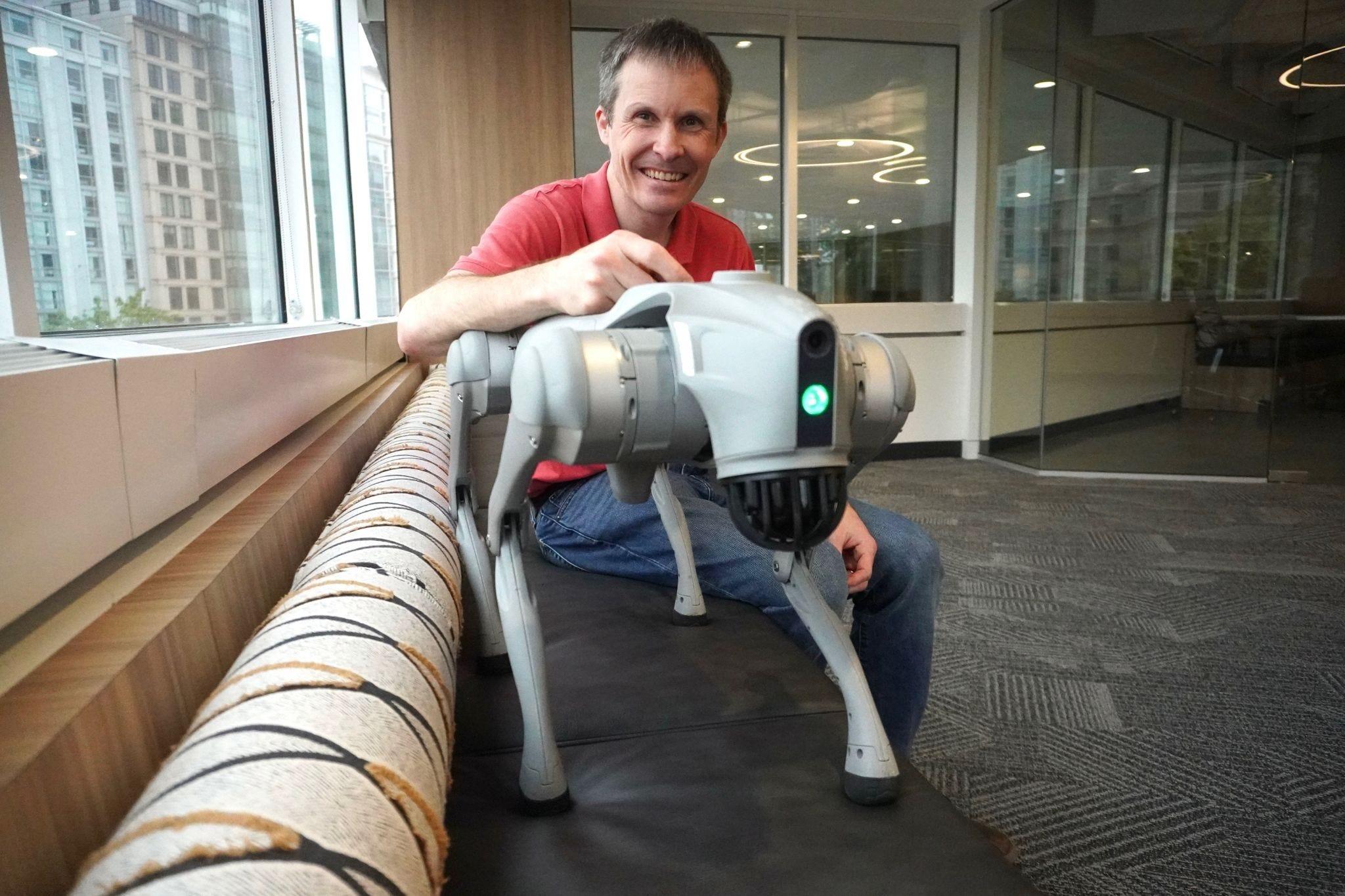
This configuration offers several advantages for mass-market deployment:
- Dynamic Motion: Lower gear ratios allow for greater backdriveability, meaning the robot can sense external physical resistance and adjust its gait accordingly, which is essential for navigation in unpredictable, non-industrial environments.
- Simplified Manufacturing: By using identical motors across all four legs, the company benefits from economies of scale, drastically reducing the bill of materials.
- Field Serviceability: The modular design of the limbs allows for rapid repairs, a feature aimed at non-expert users who cannot afford professional maintenance contracts.
However, industry experts like Jakub Bartoszek of MAB Robotics note that these cost savings are partially achieved through the use of lower-durability components. While these motors are sufficient for the average hobbyist, they are susceptible to faster wear and tear compared to the ruggedized actuators found in Western equivalents.
The Humanoid Pivot
While the quadruped market provided the initial proving ground, Unitree’s current focus has shifted toward the more lucrative and complex humanoid sector. In 2023, the company launched the H1, followed by the more refined G1. The rapid development cycle of these machines is supported by the massive influx of data and technical expertise gathered during the company’s years of perfecting quadruped locomotion.
Financial data underscores the success of this strategy. According to stock market filings following the company’s August 2026 Shanghai IPO, humanoid robots accounted for 51 percent of Unitree’s total revenue in 2025, with sales volume growing eightfold compared to the previous year. This rapid growth suggests that the "flywheel" effect—where revenue from current sales is reinvested into further manufacturing optimization—is fully operational.
Geopolitical Tensions and Market Barriers
Despite this technical and financial momentum, Unitree faces an increasingly hostile regulatory environment in the United States. In June 2026, a bipartisan group of lawmakers introduced legislation specifically aimed at curbing the importation of Chinese-made robotics, citing national security concerns and the blurring lines between civilian and military applications in Chinese technology firms.
These legislative efforts were compounded in July 2026 by new Federal Communications Commission (FCC) regulations that place strict requirements on foreign-manufactured robots. For the average consumer, these regulations serve as a "soft ban," making it increasingly difficult to import or support devices like the Go2.
Critics of these policies argue that they may inadvertently create a "robotics backwater" in the United States. Similar to the trajectory of the electric vehicle market, where restrictive trade policies have limited the presence of competitive international brands, the robotics sector risks becoming isolated. As Chinese firms continue to iterate, the lack of exposure to these technologies could leave Western startups struggling to keep pace with the rapid advancements in actuator design and control software.
The Reality of Early-Stage Technology
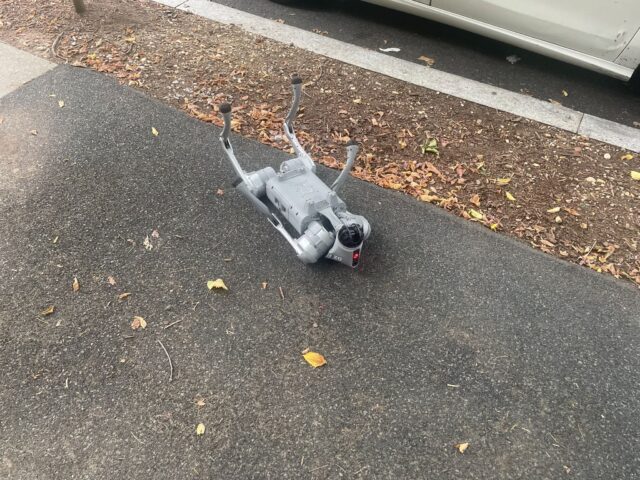
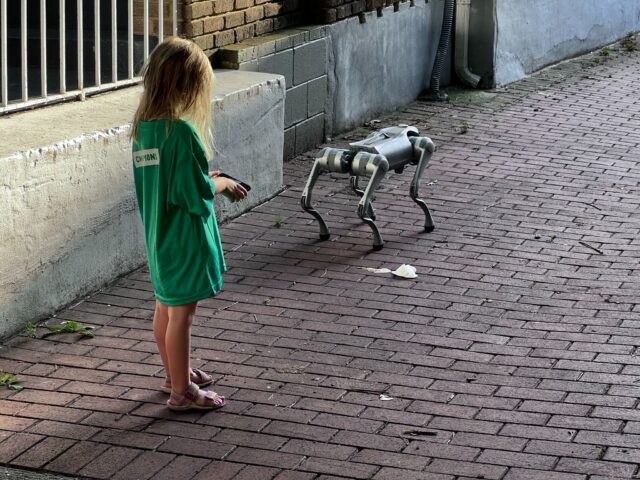
For the user, the promise of a "robot companion" often clashes with the reality of current technical limitations. The Go2 Pro is, in many respects, a beta-test product. Features like autonomous stair-climbing or human-following, while impressive in promotional videos, are often inconsistent in real-world conditions. Software bugs remain a constant challenge, and the risk of physical failure—as demonstrated when the robot collapsed on a steep incline during a two-mile test walk—remains a reality for owners.
Yet, as the history of technology has shown—from the early days of personal computing to the rise of consumer drones—initial polish is rarely the most important factor in long-term market dominance. The ability to drive costs down to the point of mass adoption is the true catalyst for disruption.
Broader Implications for the Future
The emergence of affordable legged robots signals a fundamental change in how we conceive of human-machine interaction. If the trajectory of the robotics industry continues to mirror that of the drone industry, we are likely to see a rapid expansion of utility across various sectors, including local logistics, environmental monitoring, and personal assistance.
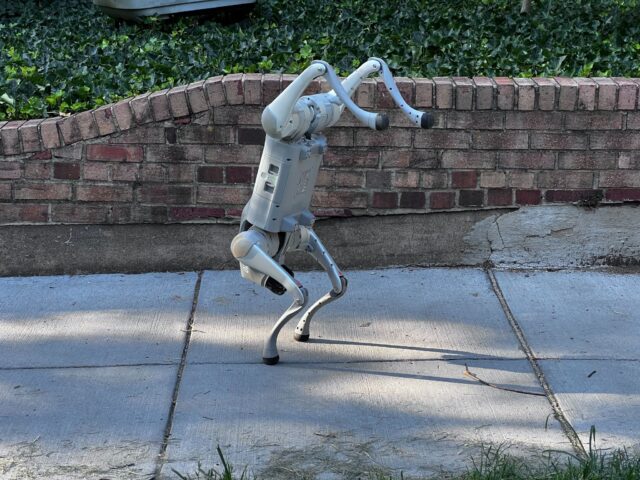
As of now, the global robotics market remains fractured. While Unitree and other Chinese firms like AgiBot are scaling at an unprecedented rate, they are doing so under the shadow of potential trade isolation. Meanwhile, American companies are still largely in the R&D phase, attempting to reconcile the high costs of R&D with the necessity of producing a commercially viable product.
The story of the robot dog is not just about a $4,000 gadget; it is a case study in how technological democratization happens. Whether the future of robotics will be defined by global collaboration or fragmented by protectionist policies remains an open question. What is certain, however, is that the era of the walking robot has moved from the laboratory to the sidewalk, and the path forward is as steep and uncertain as the walk home on a hot summer afternoon.