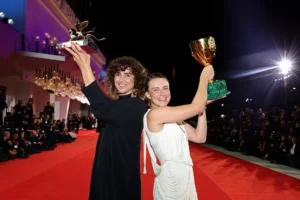
Letters from the Silenced Country Wins the Golden Globes Impact Prize for Documentary at the Venice Film Festival

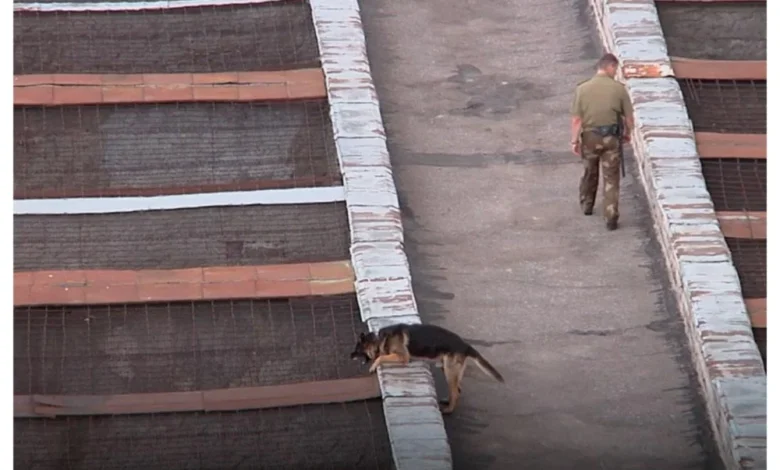
The Venice Film Festival, one of the most prestigious platforms for global cinema, has recognized Belarusian director Andrei Kutsila’s poignant documentary, Letters from the Silenced Country, by awarding it the Golden Globes Impact Prize for Documentary. Presented in partnership with the Artemis Rising Foundation, this collateral award highlights films that bridge the gap between cinematic artistry and critical social advocacy. As the festival concludes, the selection of Kutsila’s work underscores a growing trend in the industry: a shift toward intimate, character-driven narratives that illuminate the human cost of geopolitical instability.
The film, which premiered in an out-of-competition slot at the Lido, serves as a searing examination of life in contemporary Belarus. Through the lens of five distinct individuals, Kutsila chronicles a society stifled by systemic state violence and political repression. By weaving together personal correspondence written from prison cells, exile, and underground locations, the documentary provides an unfiltered look at the cost of dissent.
A Cinematic Mosaic of Resistance
Letters from the Silenced Country differentiates itself through its multifaceted storytelling approach. Rather than relying on a traditional chronological political analysis, Kutsila employs a mixed-media structure. The film integrates observational documentary footage with archival material and stylized animation. Crucially, the animation is derived directly from drawings created by subjects while they were in confinement, providing a visceral, tactile connection to the trauma of imprisonment.
The narratives captured within the film reflect the broader reality of the Belarusian political landscape since the 2020 presidential elections. Following the contested results and subsequent mass protests, the Belarusian government initiated an extensive crackdown on civil society, journalists, and activists. Kutsila’s film does not merely document the statistics of this era; it focuses on the internal world of the protestors: the act of writing letters to loved ones, the logistical difficulty of maintaining anonymity, and the psychological weight of everyday resistance.
The Jury’s Perspective and the Impact Prize
The jury responsible for selecting the winner was comprised of a diverse group of industry veterans and advocates: Filipino-American actress and activist Liza Soberano, Golden Globes president Helen Hoehne, Artemis Rising Foundation founder and Oscar-winning producer Regina K. Scully, Impact Partners co-founder Geralyn White Dreyfous, and Think-Film Impact Production founder Danielle Turkov Wilson.
In their official statement, the jury highlighted the universal resonance of the film’s localized subject matter. "Letters from the Silenced Country puts a human face on a crisis too often reduced to headlines and numbers," the statement read. The jurors emphasized that while the film is explicitly rooted in the Belarusian experience, its themes—separation, the struggle to maintain one’s identity under authoritarian pressure, and the resilience of love—are deeply relatable to global audiences. By awarding the $10,000 cash prize to Kutsila, the foundation seeks to provide not only recognition but also the necessary resources to ensure the film reaches a wider international audience.
The Evolution of the Impact Prize
The Golden Globes Impact Prize for Documentary, awarded in partnership with the Artemis Rising Foundation, is a relatively new but significant addition to the festival circuit. It aims to honor filmmakers who demonstrate "journalistic and creative prowess" in addressing critical social issues. The award is designed to elevate projects that might otherwise struggle to gain traction in mainstream distribution channels.
This year’s award ceremony at the Venice Film Festival follows a similar presentation earlier this year at the Cannes Film Festival, where husband-and-wife duo Joshua and Rebecca Tickell received the honor. The consistency of these awards across major international festivals signals a strategic pivot by the Hollywood Foreign Press Association and the Golden Globes organization toward supporting high-impact, socially conscious non-fiction storytelling.

Contextualizing the Belarusian Crisis
To understand the weight of Kutsila’s work, one must consider the timeline of the Belarusian state’s aggressive posture toward its own citizens. Since August 2020, human rights organizations—including Viasna and Amnesty International—have documented thousands of cases of arbitrary detention, torture, and the systematic dismantling of independent media.
According to reports from the United Nations Human Rights Council, the climate of fear in Belarus has led to the largest wave of political migration in the country’s modern history. Many of the individuals featured in Letters from the Silenced Country represent the thousands who have fled to Poland, Lithuania, and other neighboring states, living in a perpetual state of uncertainty. Kutsila’s decision to center the film on "letters" acts as a metaphor for the severed connections—between families, between the state and the people, and between the past and the uncertain future.
Analytical Implications: The Role of Advocacy Cinema
The selection of a documentary focusing on Belarusian repression for such a high-profile prize carries significant geopolitical implications. It suggests that the international film community remains committed to using its platform to keep "silenced" stories in the public consciousness.
From a cinematic analysis perspective, Kutsila’s work contributes to the "witnessing" genre of documentary filmmaking. By prioritizing the personal over the structural, the film creates an emotional bridge that allows viewers to bypass the fatigue often associated with news cycles regarding Eastern European politics. Instead of viewing Belarus as a geopolitical chess piece, the audience is forced to confront the lived experiences of individuals whose lives have been permanently altered by state policies.
The inclusion of animation in the documentary is particularly noteworthy. By animating the drawings of prisoners, Kutsila bypasses the visual limitations of a prison environment, where cameras are strictly prohibited. This creative decision not only solves a logistical barrier but also elevates the film from a standard reportage piece into a work of art that captures the psychological interiority of the protagonists.
Future Outlook for the Film
The $10,000 award is intended to facilitate the further distribution and impact-campaign efforts of the documentary. For a film like Letters from the Silenced Country, the primary challenge remains accessibility. Because the subject matter is highly sensitive and directly critical of the Belarusian administration, the film will likely face significant barriers to being screened within the country itself. However, the prestige of the Golden Globes Impact Prize is expected to open doors at international film festivals and streaming platforms, potentially increasing the pressure on international bodies to address the ongoing human rights situation in the region.
As the industry looks toward the 2026 awards season, the success of this documentary serves as a benchmark for how future films may be evaluated. The shift toward rewarding "impact" as a core metric of success alongside "artistic merit" encourages a new generation of filmmakers to consider the societal implications of their work.
In conclusion, Andrei Kutsila’s Letters from the Silenced Country stands as a testament to the power of the documentary form to act as a mirror to power. By focusing on the quiet, persistent, and often painful acts of resistance, the film achieves what the best documentaries aspire to do: it renders the invisible visible, and it gives a voice to those who have been systematically silenced. As the Venice Film Festival concludes, the message from the jury is clear—the responsibility of the filmmaker is not just to observe history, but to ensure that the human stories within it are never forgotten.