The Paradigm of Timeless Minimalism: The Sleek Low Bun
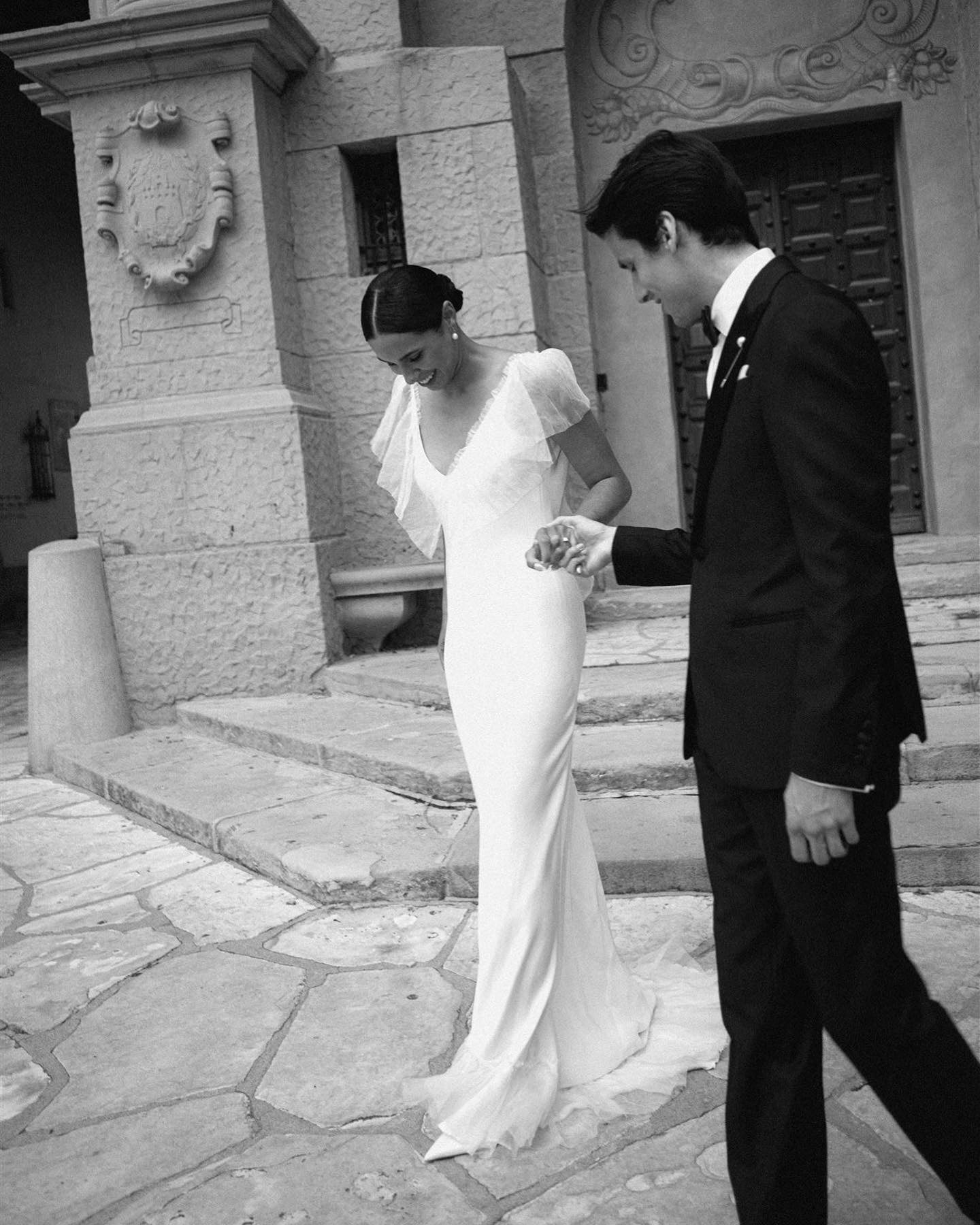
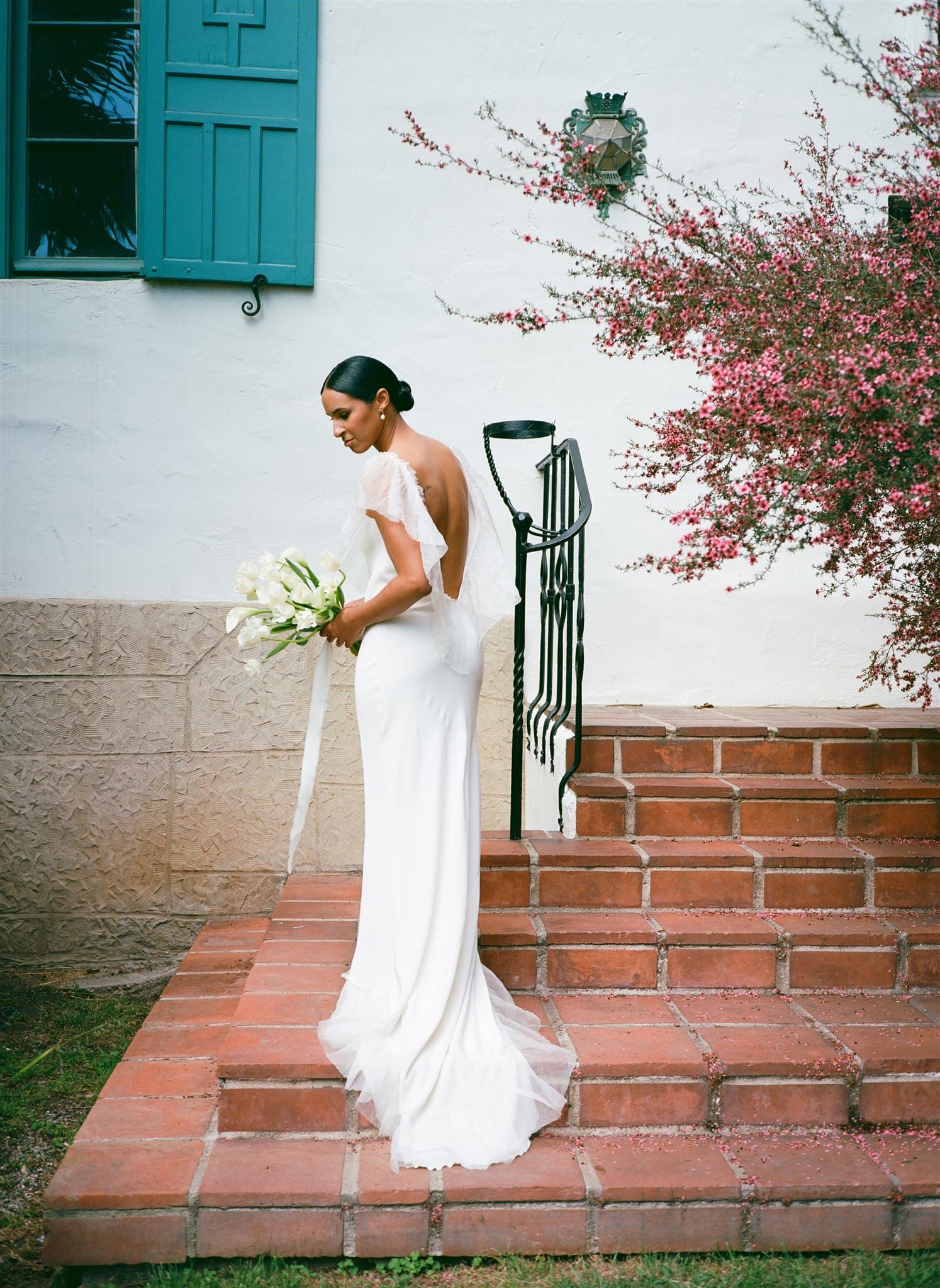
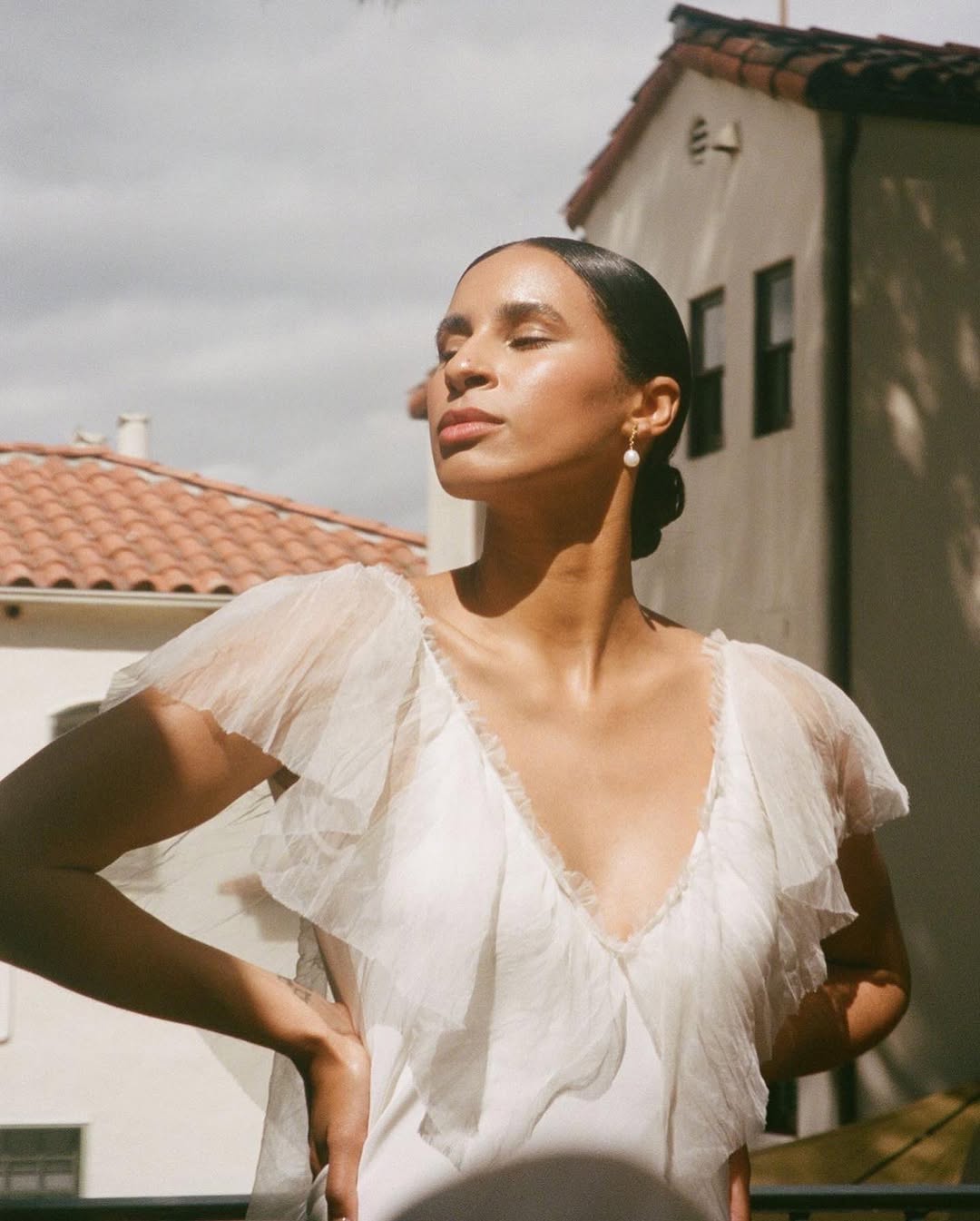
In the sphere of modern bridal aesthetics, the "sleek low bun" represents a convergence of the "clean girl" aesthetic and a strategic desire for photographic longevity. Jessica Manning, a Los Angeles-based interior decorator, exemplifies this trend. Manning’s decision-making process was governed by two primary factors: the maintenance of personal identity and the avoidance of "timestamped" aesthetics. For individuals in creative professions, such as interior design, the concept of timelessness is often a professional hallmark that bleeds into personal milestones.
Manning’s choice reflects a significant segment of the bridal market that prioritizes comfort and presence over elaborate, high-maintenance structures. "I wanted to feel like myself at my wedding," Manning stated, noting that a slicked-back style had been her personal signature for years. From a technical perspective, the sleek bun utilized high-shine gels and a precise part to ensure structural integrity throughout the event. The addition of subtle twists in the rear of the style served to elevate the look from daily wear to formal bridal attire without sacrificing the minimalist ethos. This approach mitigates the common bridal phenomenon of "mirror-checking," allowing the individual to remain psychologically present during the ceremony.
Data from wedding industry reports indicate that nearly 40% of modern brides now opt for "minimalist" or "natural" hairstyles, a 15% increase from the previous decade. This shift suggests a move away from the "over-styled" looks of the early 2000s, favoring silhouettes that highlight the bride’s natural features and the architectural details of the garment.
Environmental Adaptability and Texture Management: Voluminous Curls
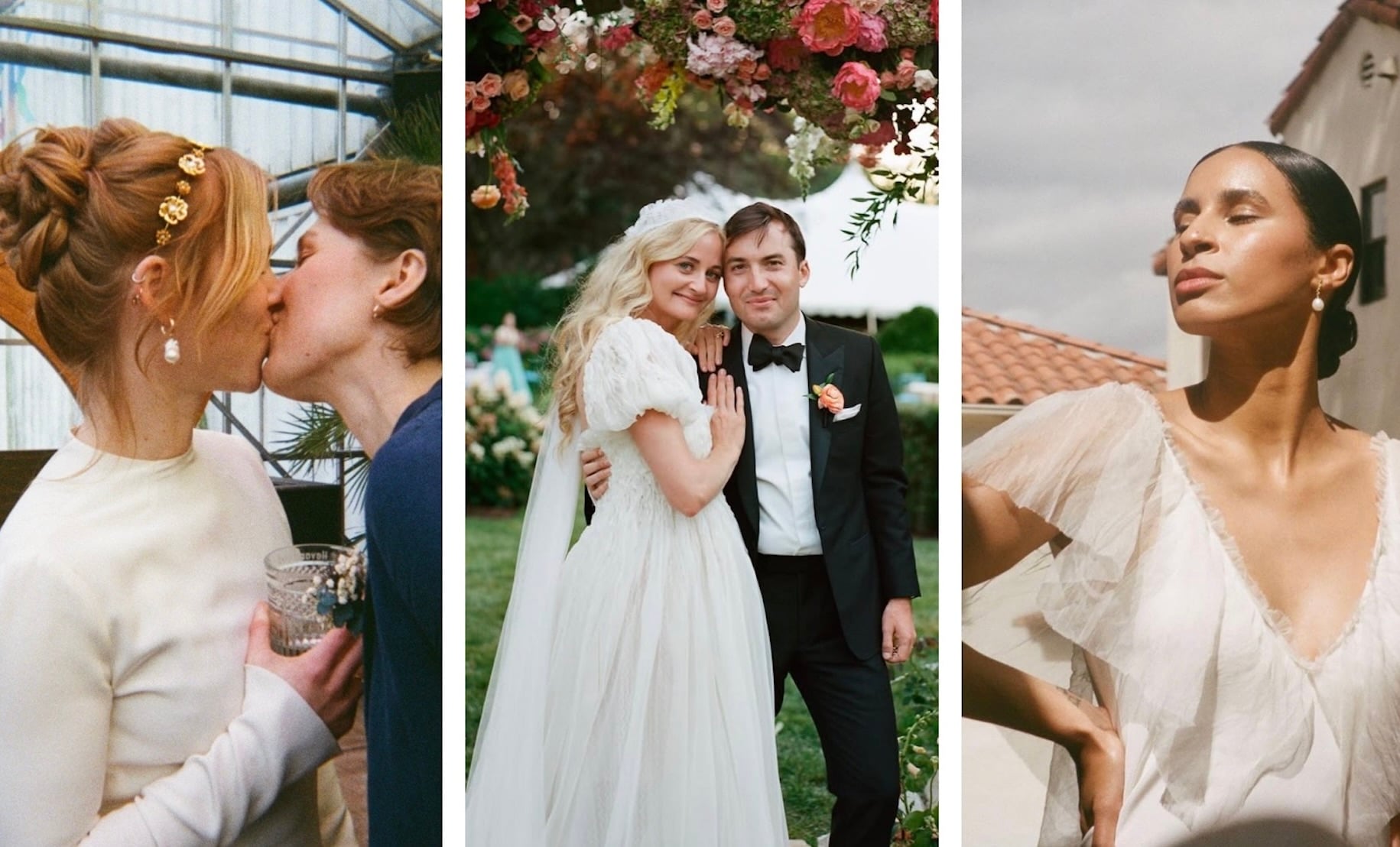
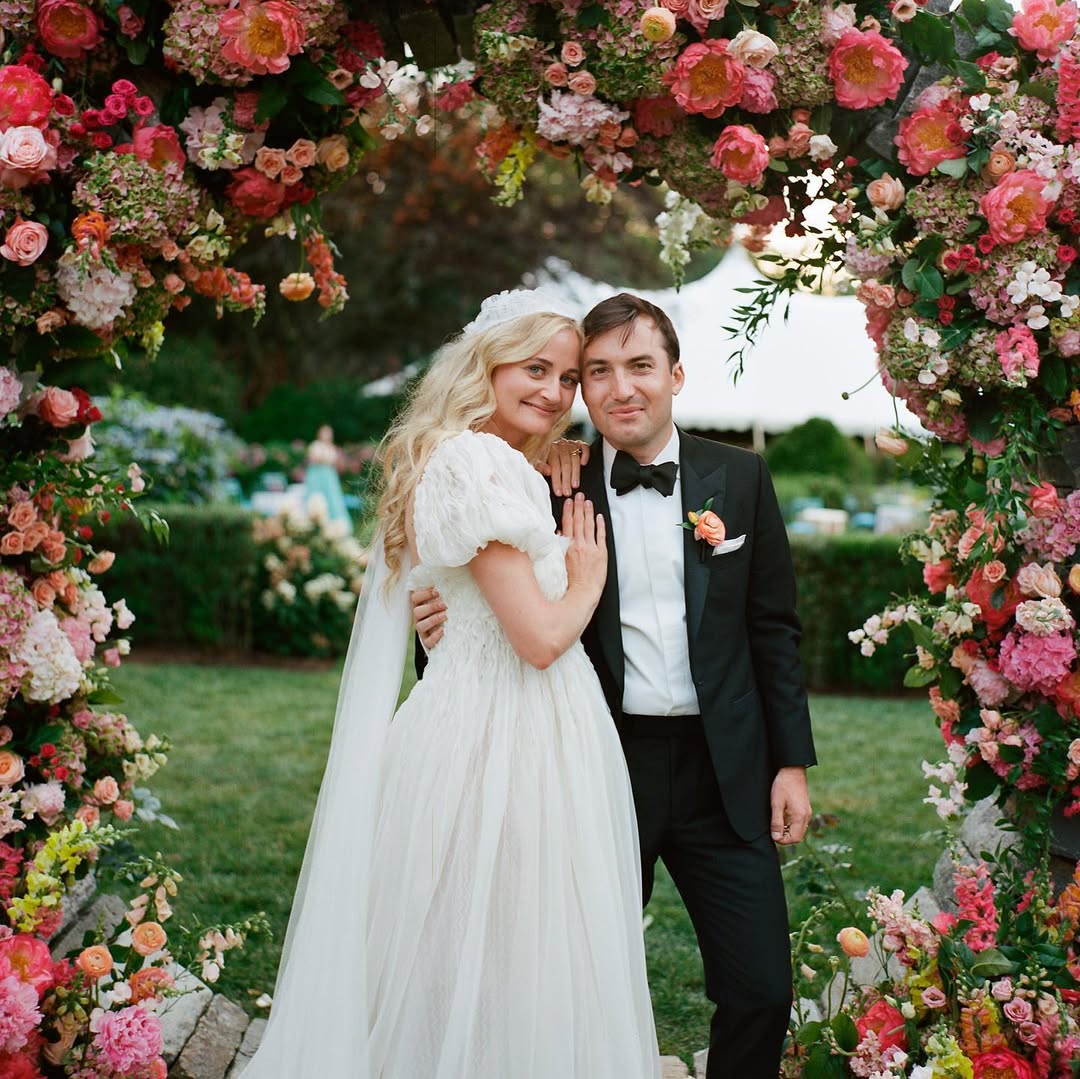
The intersection of meteorological variables and cosmetic planning is a critical hurdle in bridal preparation. Harling Ross Anton, a Manhattan-based writer, provides a case study in "controlled organic" styling. When planning a mid-July wedding located within a one-mile radius of the ocean, the primary challenge is humidity—a factor that significantly impacts the hydrogen bonds in hair, often leading to unpredictable frizz or loss of curl definition.
Anton, who possesses naturally curly hair, faced the dilemma of authenticity versus predictability. While her natural texture was the ideal, the hygroscopic nature of hair in a high-humidity, coastal environment necessitated a more engineered approach. By collaborating with a professional stylist to create "controlled" curls that mimicked her natural pattern, Anton sought a style that would be "gently enhanced" by the weather rather than ruined by it.
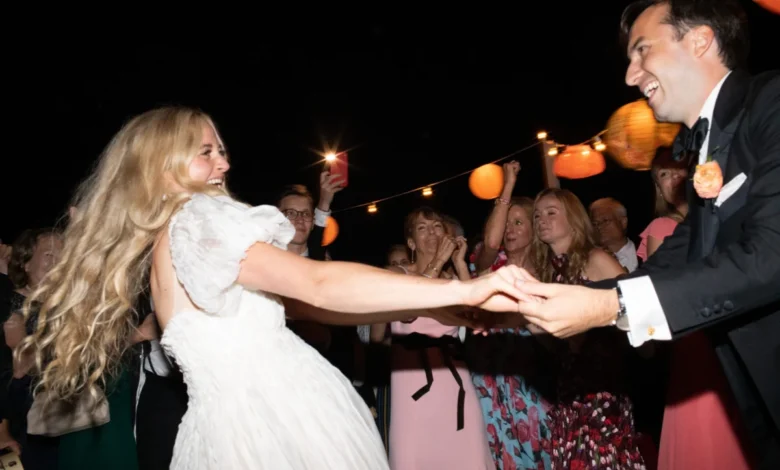
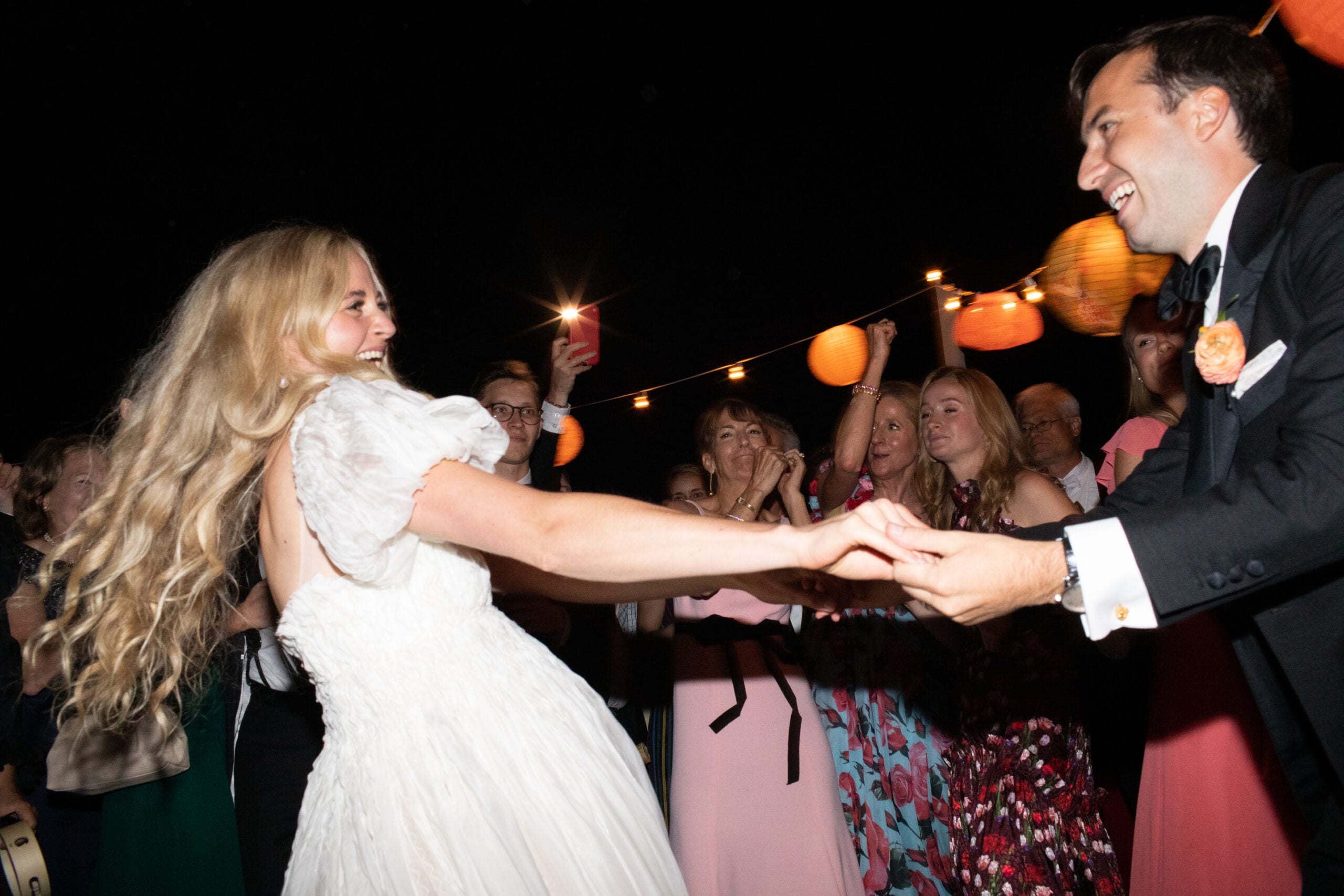
This strategy highlights a growing trend in "weather-proof" bridal beauty. Chronologically, this process begins months in advance with trial sessions where stylists test the longevity of various products against specific environmental conditions. Anton noted that as the evening progressed, the natural "roughing up" of the style actually improved the aesthetic, aligning with the "lived-in" luxury trend currently dominating the New York fashion scene. This approach reflects a sophisticated understanding of material science—accepting that hair will change over a six-to-ten-hour period and choosing a starting point that allows for graceful evolution.
The Regencycore Influence and Narrative Styling: The Rose Updo
The third significant trend in contemporary bridal styling is the resurgence of historical and narrative-driven aesthetics, often influenced by popular media. Elle van Lil, an England-based writer and former actor, opted for a "Romantic Rose Updo," a style that draws heavily from period-piece cinematography and the "Regencycore" movement popularized by series such as Bridgerton.
Van Lil’s background in theater informed her desire for a style that felt "out-of-the-ordinary" yet anchored in a specific historical romanticism. The centerpiece of her look was a complex updo where the hair was sculpted into the shape of a rose, complemented by loose curls to frame the face. This level of intricate styling serves as a form of performance art, moving the hairstyle from a grooming task to a central element of the wedding’s visual narrative.
Furthermore, Van Lil’s choice to eschew the traditional veil in favor of a decorative headband reflects a shift in bridal accessories. Market data suggests that sales of non-traditional headpieces—including tiaras, padded headbands, and floral crowns—have seen a 25% year-over-year increase. These accessories offer a practical alternative to veils, which can be cumbersome in urban environments or outdoor settings. Van Lil’s experience in Birmingham, England, where strangers requested photographs of her hair, underscores the public impact of high-concept bridal styling.
Chronology of Bridal Beauty Planning
The evolution of a bridal hairstyle is rarely a single-day event; it is a multi-stage chronological process that aligns with the broader wedding timeline:
- Inspiration Phase (12–18 Months Prior): Brides aggregate visual data via platforms such as Pinterest and Instagram. During this phase, the primary goal is identifying a style that complements both the facial structure and the neckline of the chosen gown.
- Consultation and Trial (4–6 Months Prior): The "trial" serves as a technical rehearsal. Stylists evaluate hair health, density, and length, often recommending supplementary treatments or extensions to achieve the desired volume.
- Environmental Assessment (2 Months Prior): Final decisions are made based on the venue’s microclimate. For coastal weddings (like Anton’s) or urban weddings (like Van Lil’s), product selection is finalized to combat humidity or pollution.
- The Execution (Day Of): The process typically takes 60 to 120 minutes, depending on complexity. Modern stylists often remain on-site through the photography session to ensure the style remains intact for the "first look" and ceremony.
Economic and Sociological Implications
The bridal beauty industry is a significant driver of the service economy. In 2023, the average cost for professional bridal hair in the United States ranged from $150 to $600, with luxury markets in cities like New York and Los Angeles often exceeding $1,000 for on-site services. This expenditure is justified by the "permanence" of wedding photography; as Manning noted, the goal is to create an image that remains aesthetically viable for decades.
Sociologically, the shift toward "feeling like oneself" (as seen in Manning’s bun) or "enhancing natural texture" (as seen in Anton’s curls) indicates a rejection of the "bridal mask." Historically, bridal beauty was intended to transform the woman into a specific, idealized archetype. Modern brides, however, use styling to amplify their existing identity. This "authentic luxury" movement suggests that the modern consumer values self-actualization over social conformity.
The influence of "period pieces" and the "Bridgerton effect" also indicates a longing for escapism. In an era of digital saturation and rapid fashion cycles, the "Regency" look provides a sense of stable, classical beauty. By incorporating elements like the "rose updo" or high-end headbands, brides like Van Lil bridge the gap between contemporary life and historical fantasy.
Broader Impact on the Beauty Industry
The decisions made by high-profile brides and influencers ripple through the broader beauty market. The "sleek bun" has led to an increase in the production of high-hold, non-flaking hair waxes and gels. The demand for "organic curls" has spurred innovation in heat-styling tools that can mimic natural patterns without causing significant thermal damage.
As the wedding industry moves into 2026 and beyond, the focus is expected to remain on "personalized versatility." Stylists are increasingly being trained not just in traditional updos, but in the chemistry of hair and the psychology of the client. The move toward "narrative styling"—where the hair tells a story of the bride’s past (as an actor), her environment (the ocean), or her professional philosophy (timeless design)—marks the beginning of a new era in bridal fashion.
Ultimately, the cases of Manning, Anton, and Van Lil demonstrate that a wedding hairstyle is far more than a cosmetic choice. It is a strategic decision influenced by geography, professional background, historical trends, and a desire for emotional presence. As these trends continue to evolve, the bridal industry will likely see even greater integration of technology, historical reference, and personal authenticity.