Sharon Horgan’s New HBO Series Youth and Lifestyle Trends Shaping Modern Media and Consumer Habits


The television landscape is bracing for the September 20th premiere of Youth, an eight-part romantic comedy series created by and starring the critically acclaimed writer, director, and actress Sharon Horgan. Distributed by HBO, the series serves as a deep dive into the complexities of contemporary middle age, specifically focusing on the intersection of professional aspirations, the challenges of parenting adolescents, and the evolving nature of romantic relationships post-divorce.
The Creative Vision Behind Youth
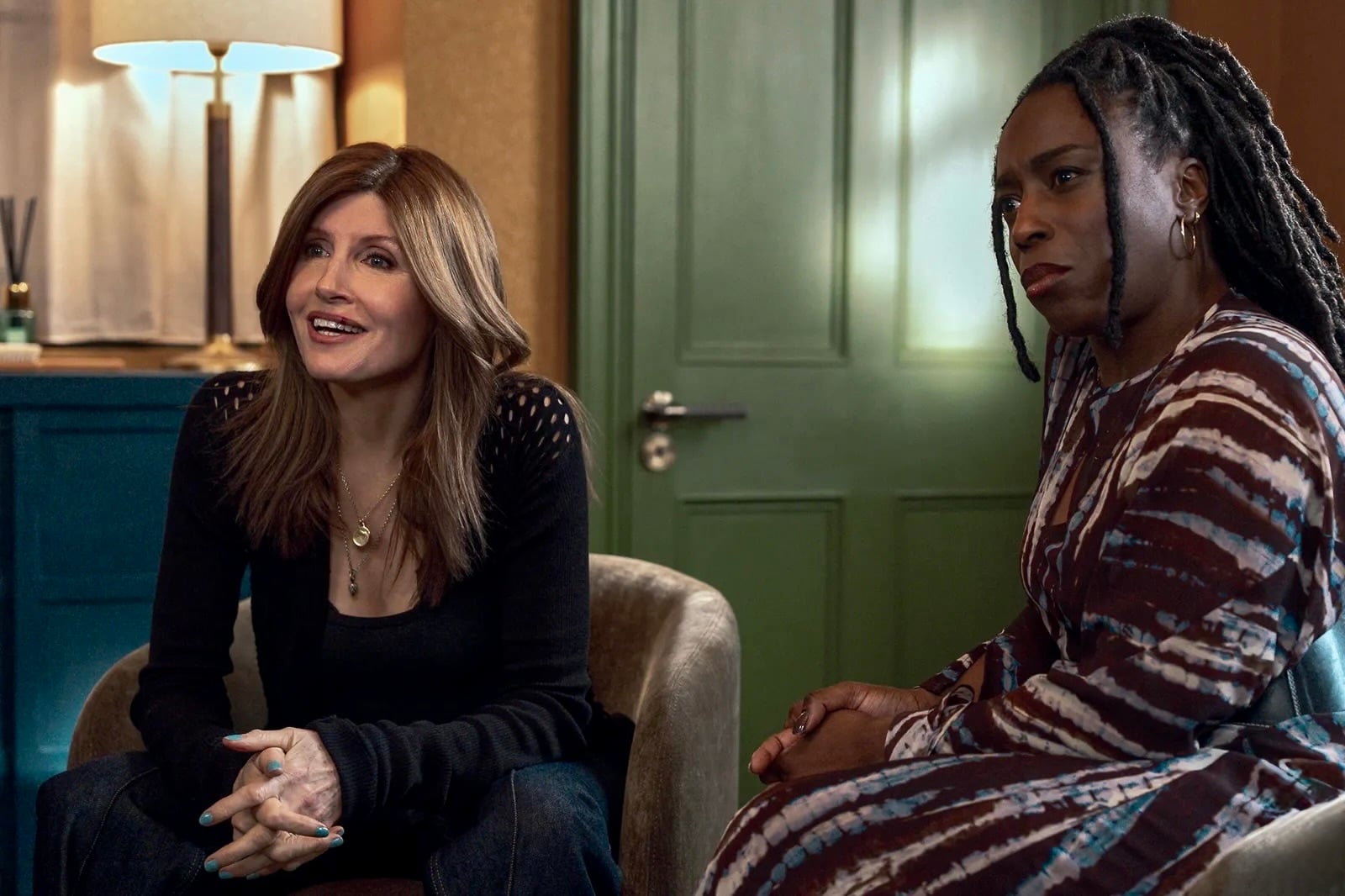
Sharon Horgan, known for her sharp, unflinching, and often bittersweet portrayals of domestic life in series such as Catastrophe and Bad Sisters, brings her signature blend of humor and pathos to this latest venture. According to reports from the production, the series follows a female protagonist navigating the chaotic transition of life after marriage. The narrative is centered on a character who is simultaneously managing the high-pressure demands of a professional career, the emotional labor of caring for aging parents, and the turbulent experience of raising a teenage son.

In recent commentary provided to media outlets, Horgan described the protagonist as a woman caught in a state of suspended ambition. The character yearns for a life defined by creative autonomy and a defiant, "couldn’t-give-a-fuck" attitude, yet she remains constrained by the pragmatic realities of her daily responsibilities. This tension—between the desire for self-actualization and the weight of familial duty—forms the structural core of the series. By focusing on the "middle years" of adulthood, the show promises to fill a narrative void in the current streaming market, which often prioritizes stories centered on early-career struggles or late-life reflections.
The Evolution of the "Lifestyle" Narrative
The anticipation surrounding Youth reflects a broader cultural trend in which media platforms increasingly integrate lifestyle curation with high-end entertainment. As streaming services fight for viewer retention, there is a clear strategic move toward presenting content that resonates with the real-world habits of its target demographic. This is reflected in the surrounding discourse of the series, where discussions of plot and character development are increasingly paired with the material culture of the modern consumer.
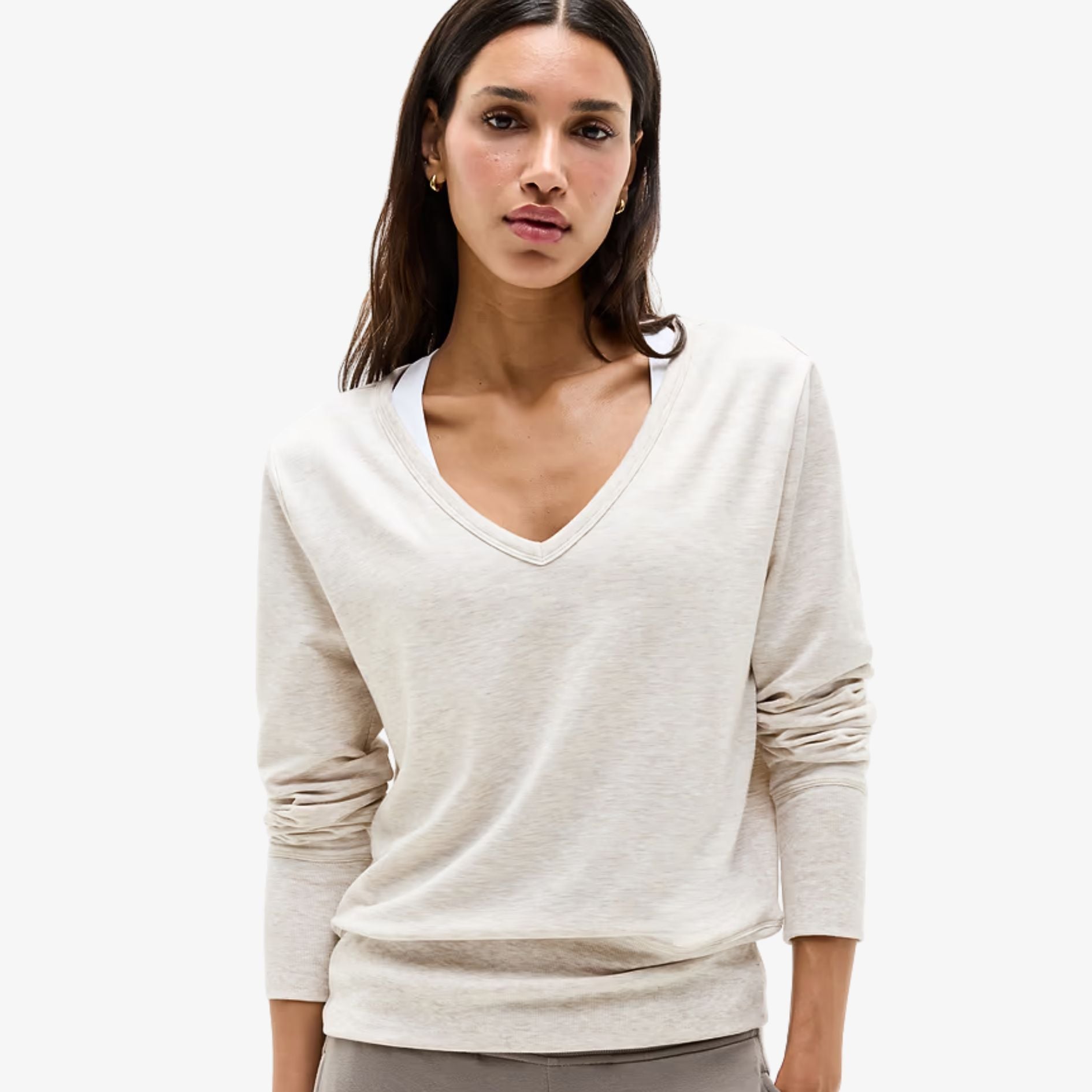
Industry analysts observe that modern audiences are seeking a sense of "relatability" that extends beyond the screen. This has led to a surge in the popularity of lifestyle content that emphasizes versatility and practicality. For instance, in the professional and personal sectors, there has been a documented shift away from traditional office attire toward "athleisure" and elevated functional wear. Brands such as Athleta have capitalized on this by marketing collections that prioritize movement and utility—pieces that transition seamlessly from the school drop-off line to the workplace, and finally to social engagements.
Data Trends in Consumer Behavior and Functionality
The consumer preference for multi-functional products is supported by recent retail data. The "studio-to-dinner" aesthetic, characterized by drapey, high-performance fabrics and fitted silhouettes, has seen a steady increase in market share. Consumers are prioritizing items that reduce decision fatigue—a phenomenon where the constant need to change clothes for different roles (parent, employee, socialite) leads to mental exhaustion.
Similarly, the demand for travel gear that emphasizes organization and durability remains high. The evolution of the "weekender" bag, such as the latest iterations from companies like Lo & Sons, illustrates this demand. Market research indicates that frequent travelers—particularly those managing families—prioritize specific design elements: separate compartments for hygiene or footwear, secure laptop storage, and ergonomic features that facilitate travel through transit hubs. The inclusion of a "key leash" or dedicated water bottle storage may seem like a minor detail, but it represents a design philosophy centered on alleviating the micro-stresses of daily life.
The Social Component of Modern Leisure
Beyond personal consumption, the way individuals engage in social rituals has also shifted. The trend of "ordering for the table"—a communal approach to dining that bypasses individual choice in favor of shared experiences—has gained traction as a way to lower the barrier to social interaction. In a digital-first world where loneliness is increasingly cited as a public health concern, the simple act of ordering a shared appetizer is being framed by social psychologists as a "low-friction" way to foster group cohesion. It signals a move toward intentional, low-stakes socializing that prioritizes the collective experience over individual optimization.
Production Timeline and Industry Context
The development of Youth has been highly anticipated since it was first greenlit by HBO. The production timeline, which spans approximately 18 months from the initial script development to the September release, highlights the rigorous pace at which premium cable networks are producing content to compete with global streaming giants.
HBO’s decision to position Youth in the fall cycle is calculated. The post-summer period, when schools return to session and professional routines solidify, is a peak time for viewership. By aligning the show’s themes—which mirror the "back-to-school" and "return-to-routine" mentality—with the release date, the network aims to maximize engagement among its core demographic of viewers aged 30 to 55.
Broader Implications for the Media Landscape
The convergence of high-quality narrative television and lifestyle branding suggests a future where media consumption is an integrated experience. As viewers look for characters that reflect their own struggles with time management, financial pressure, and relationship dynamics, the brands that align themselves with these narratives are likely to see significant growth.

Furthermore, the emphasis on the "organized" life—seen in the popularity of functional travel bags and versatile clothing—is not merely a fashion statement but a reflection of the modern professional’s desire for control. When a series like Youth touches on the struggle for a "creative, couldn’t-give-a-fuck" life, it strikes a chord with an audience that feels perpetually managed by their schedules.
Conclusion: A New Standard for Relatable Television
As September 20th approaches, the industry will be watching closely to see if Youth can successfully capture the zeitgeist. By centering on a woman who is neither at the beginning nor the end of her journey, but squarely in the "middle" of the mess, the series offers a potential template for future storytelling.
The success of such a show will depend on its ability to balance the specific, often messy details of a character’s life with the aspirational quality that viewers seek in prestige television. If the early buzz is any indication, audiences are more than ready for a show that admits that being a fully formed adult is an ongoing, and often humorous, project in progress. Whether it is through the lens of a new series or the practicalities of a well-organized travel bag, the common thread remains the same: the pursuit of a life that is both functional and authentic.