Cup of Jo readers share their favorite school photos and the memories that defined them.

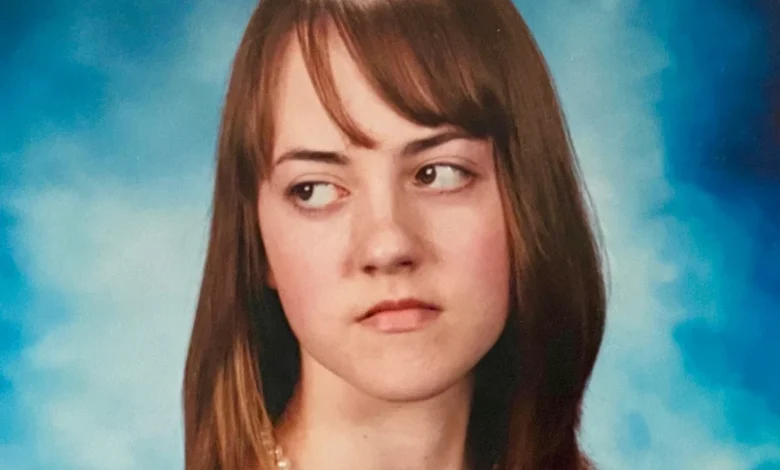
The tradition of the annual school portrait is a cornerstone of the North American educational experience, serving as a visual chronicle of a child’s development from kindergarten through their senior year of high school. While these images are often dismissed as routine administrative requirements, a recent community engagement project conducted by the digital publication Cup of Jo revealed that these photographs serve as significant psychological markers, reflecting shifting cultural norms, personal milestones, and the evolving self-perception of students across several decades.
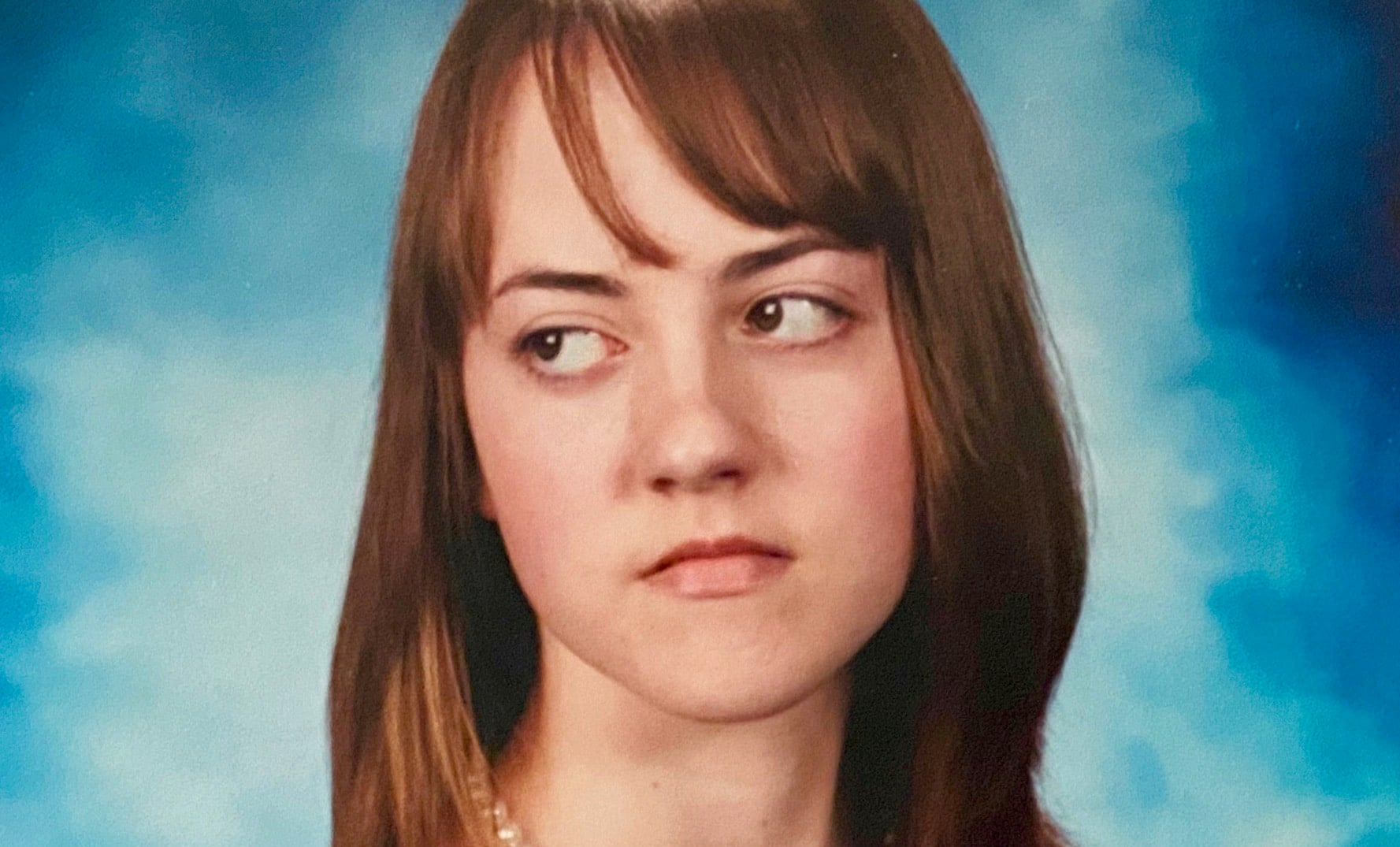
A Historical Perspective on the School Portrait Industry
The standardized school portrait industry began to gain significant traction in the mid-20th century. By the 1970s and 80s, the inclusion of elaborate, often kitschy, laser-patterned backgrounds became a hallmark of the genre. Today, the industry is a multi-billion-dollar sector, with major providers like Lifetouch dominating the market. These companies provide the infrastructure for what has become a mandatory social ritual: the "Picture Day."
The psychological impact of these portraits is multifaceted. For many, the portrait is the first time a child is asked to perform a specific, curated version of themselves for a wider public audience. The process involves navigating choices regarding clothing, grooming, and pose—decisions that, while often dictated by parents in the early years, gradually transition to the student as they age.
Case Studies in Personal Development
The narratives shared by readers offer a cross-sectional view of the childhood experience across different generations and geographic locations. The stories underscore how school photos act as a mirror for familial values and social pressures.
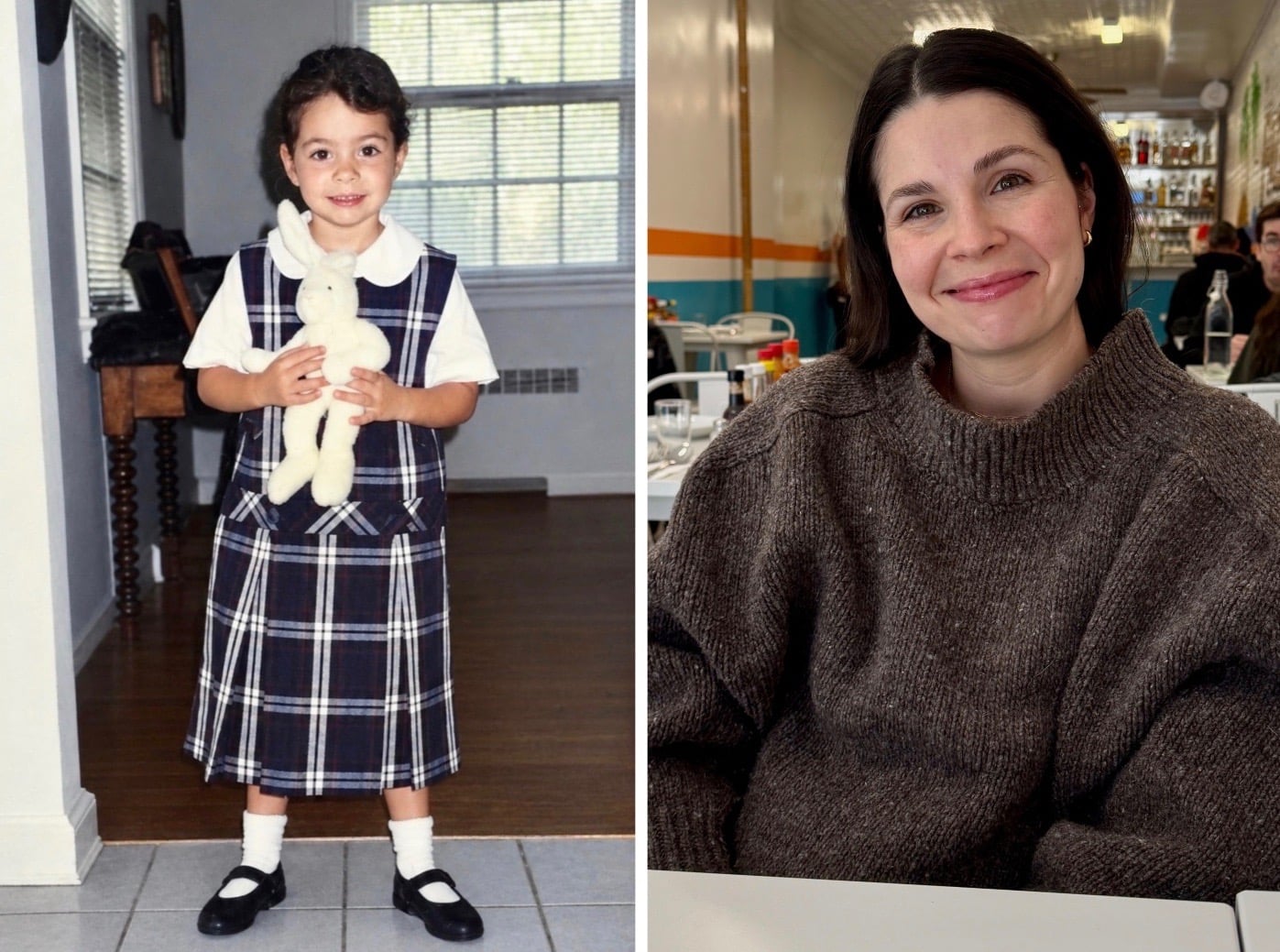
For instance, the experience of Maddie from New York, who recalled being dressed in a uniform three sizes too large to ensure longevity, highlights the pragmatic, often austere, approach to parenting common in middle-class families during the late 20th century. This practice of "buying for growth" was a standard economic strategy for many families, turning the school photo into a testament to financial practicality rather than aesthetic vanity.
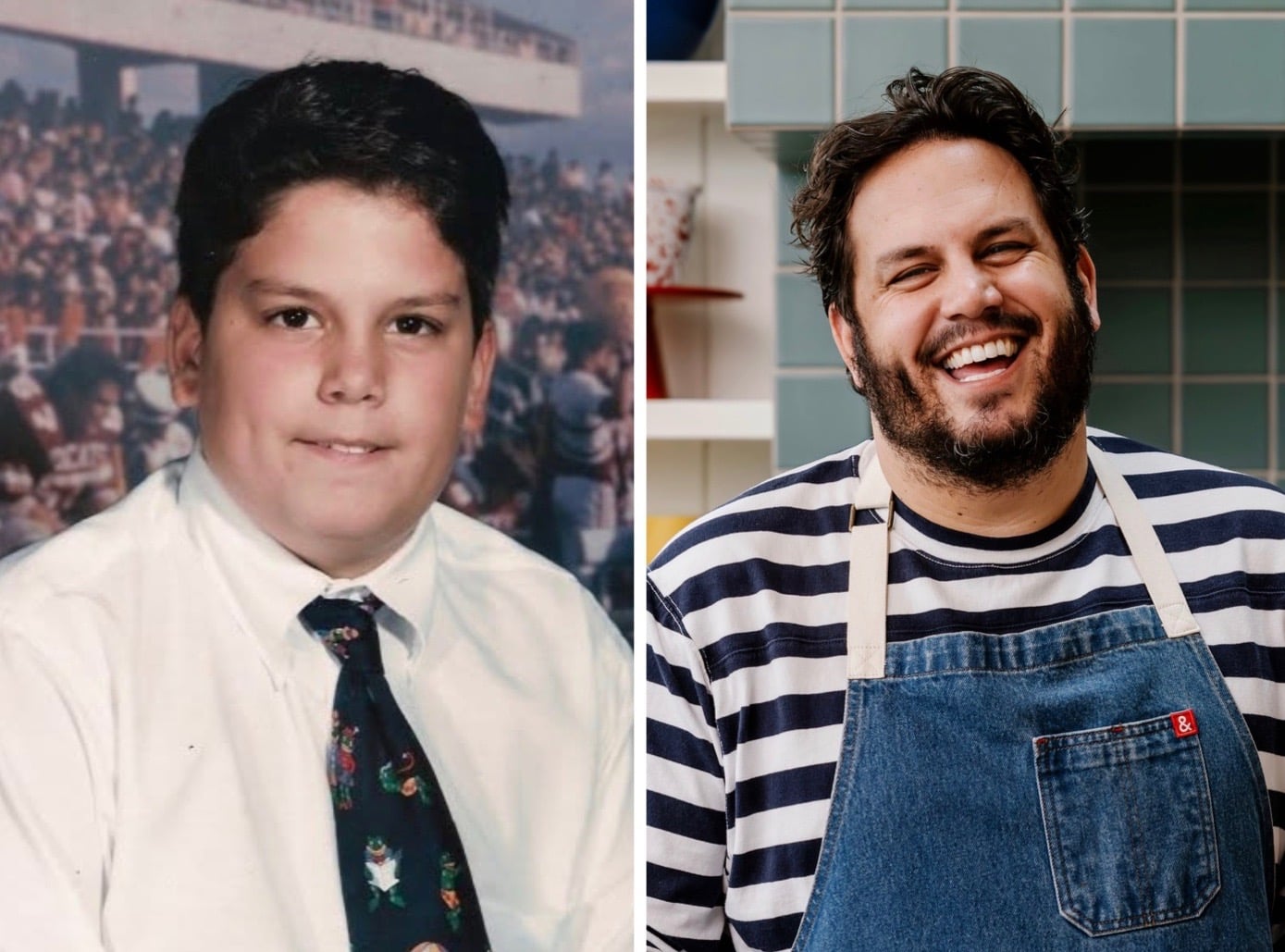
In contrast, the account provided by Dan Pelosi of New York reflects the complex interplay between internal identity and external conformity. During his third-grade year, the selection of a specific tie—the only form of permissible self-expression within a rigid Catholic school dress code—served as a quiet, desperate act of identity assertion. His narrative highlights the tension between the desire to fit in and the internal awareness of a burgeoning identity, a common theme in the narratives of LGBTQ+ youth growing up in non-affirming educational environments.
The Role of Trends and Pop Culture
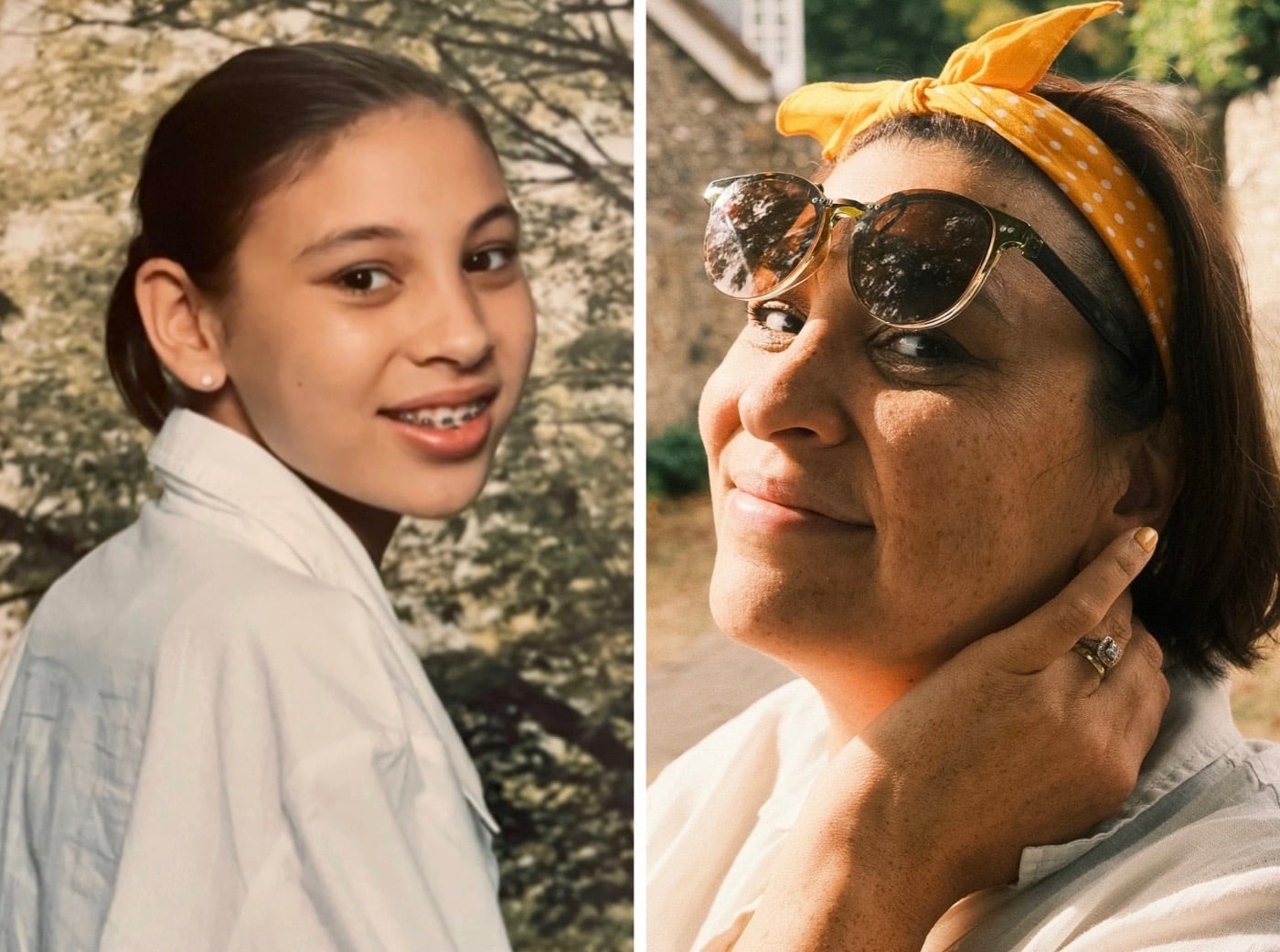
The influence of pop culture and changing fashion trends is clearly visible in the submissions. Sari from Illinois identified a period in the late 1990s or early 2000s where her aesthetic choices were heavily influenced by the celebrity culture of the time, specifically the "Jennifer Aniston" look. This phenomenon is a well-documented aspect of adolescent development, where youth mimic media figures to navigate the social hierarchy of their peer groups.
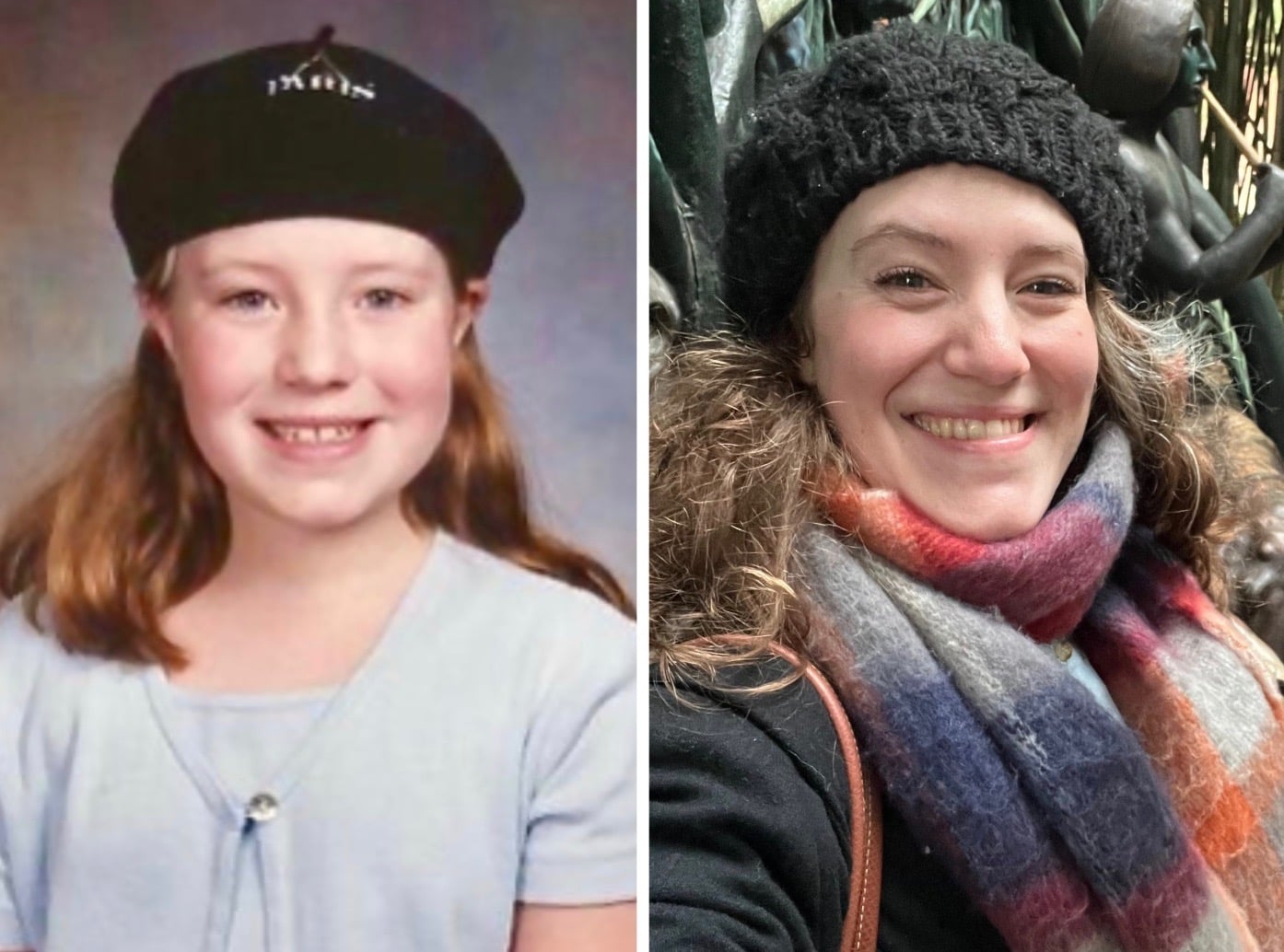
Similarly, the story provided by Katy from New Jersey, who insisted on wearing a beret gifted by her uncle to school, illustrates the "theater kid" archetype—a phase characterized by an early, intense commitment to individualistic expression. Such stories demonstrate how children use accessories as identity markers long before they possess the autonomy to define their broader lifestyle.
Psychological Implications: The "Awkward Phase"
A recurring theme in the submitted stories is the reconciliation with the "awkward phase." Educators and child psychologists frequently note that the middle school years are defined by rapid physical changes, which often result in a temporary loss of self-confidence.
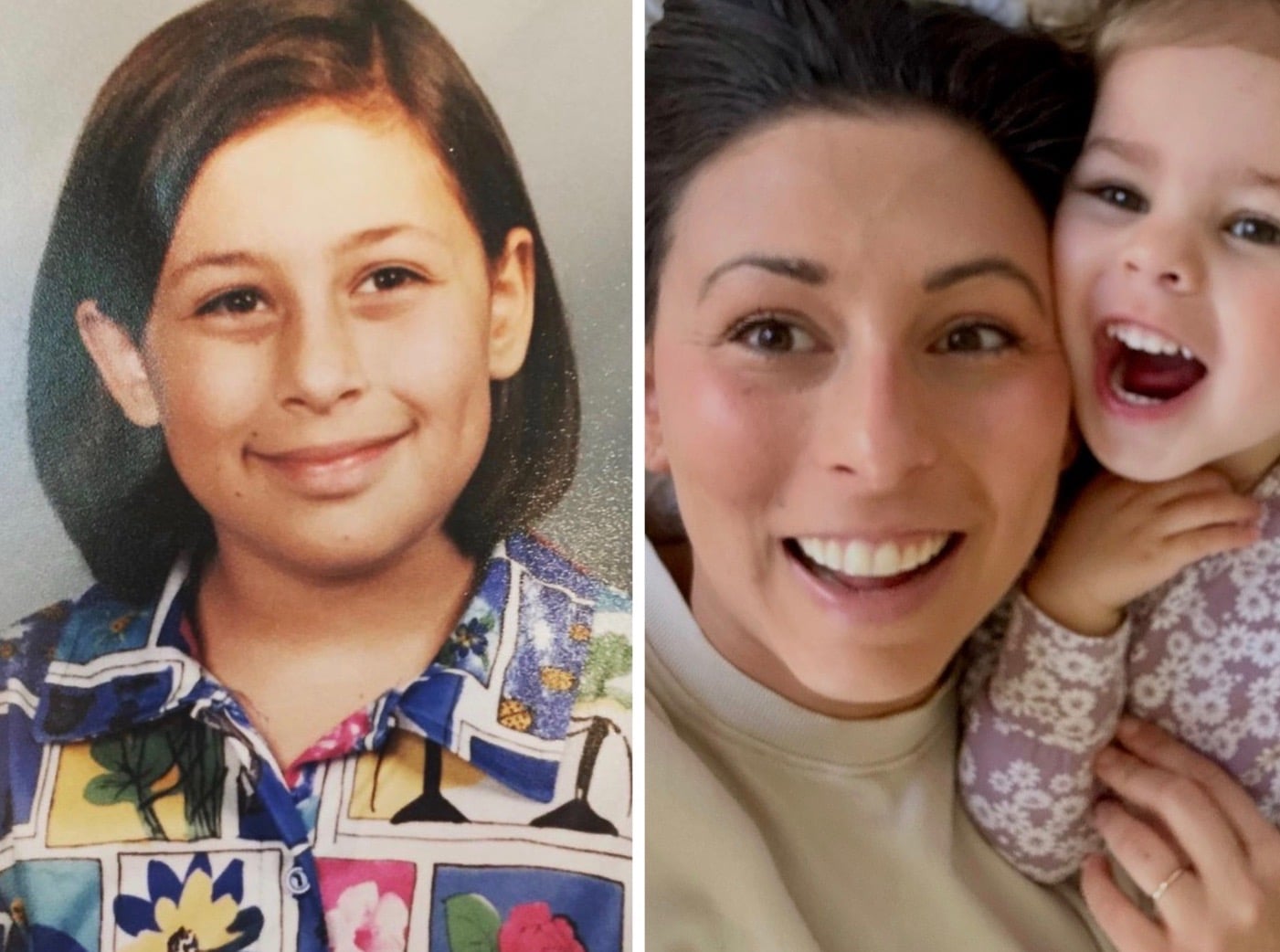
Martha, a middle school teacher in Washington, noted the pedagogical value of sharing her own "Ramona the Pest" era photos with her students. By doing so, she bridges the authority gap between teacher and student, fostering a sense of empathy. Research suggests that when authority figures disclose their own vulnerabilities, it reduces student anxiety and promotes a more inclusive classroom environment. This act of "humanizing" the teacher helps students understand that the physical discomforts of puberty and the social anxiety of the teenage years are universal experiences, not individual failings.
Demographic Data and Social Significance
The collection of photos and stories provides a localized data set on the evolution of self-presentation. The transition from the rigid, posed portraits of the 1980s to the more varied, personalized styles of the modern era reflects a broader shift toward individual agency in American culture.
According to data on consumer behavior in the photography sector, there has been a notable move toward "lifestyle" photography, even within school settings. While standardized, head-and-shoulder shots remain the standard, there is an increasing demand for portraits that capture a student’s personality or specific interests. This mirrors the general shift in photography from a formal, rare event to a continuous, digital documentation of daily life.
Reflections on Identity and Memory
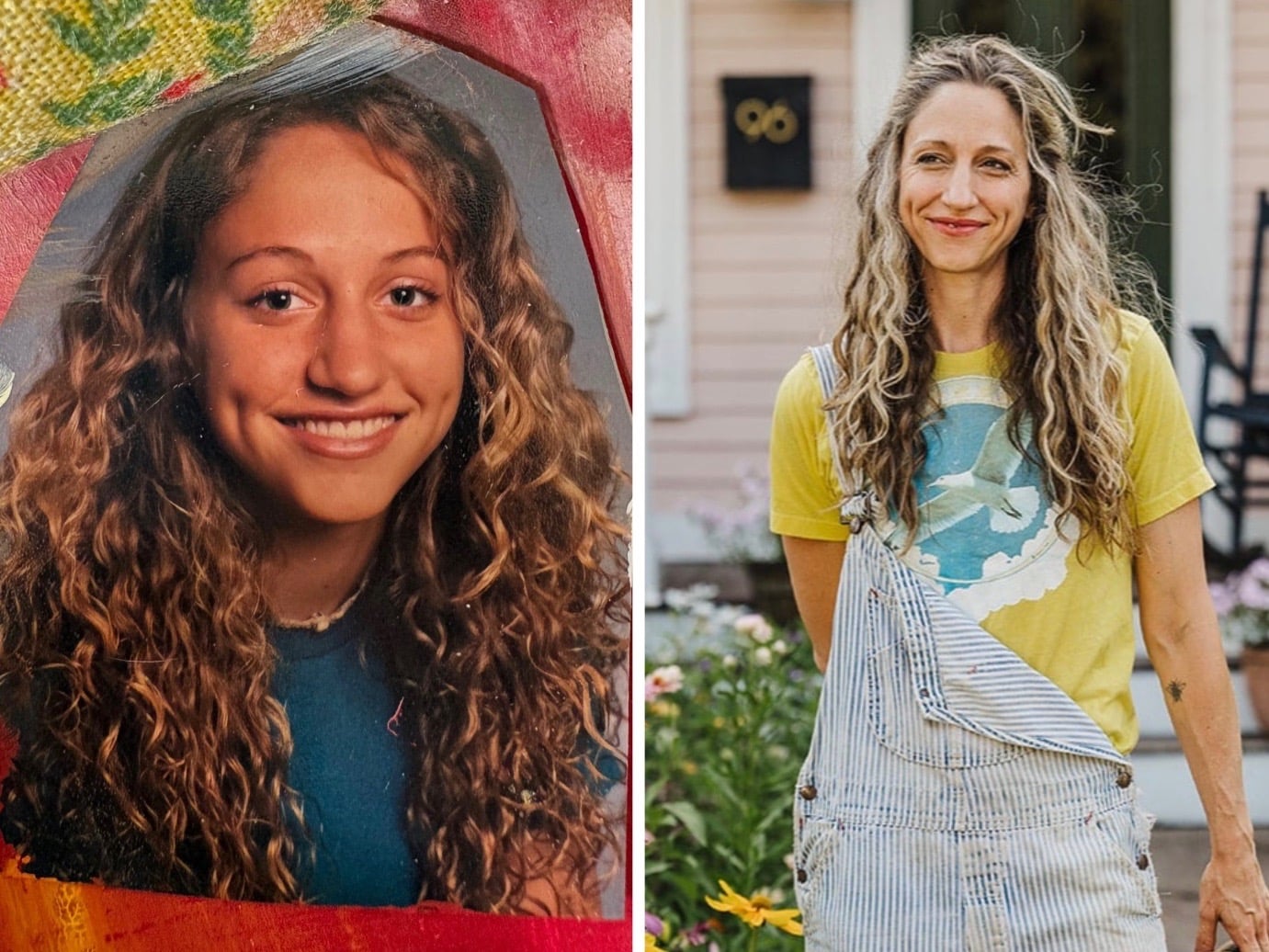
The stories of Sharon from Connecticut and Tammy from Ontario offer a retrospective on the "peak" of high school life and the impact of early grooming rituals. Sharon’s mention of attending Lilith Fair, a significant cultural touchstone of the late 1990s, serves as a time capsule for the era’s political and musical climate. Tammy’s recollection of the "home perm" in 1987 serves as a cautionary tale of the beauty standards of the decade, yet her ability to look back with humor demonstrates the psychological resilience that often comes with age.
These reflections are essential in the context of memory consolidation. Psychologists suggest that looking at old photographs can trigger a process called "reminiscence," which helps individuals integrate their past selves into their present identity. By revisiting these portraits, adults are able to process the insecurities of their youth and, in many cases, develop a more compassionate perspective toward their younger selves.
Broader Social Impact
The community response to the Cup of Jo project indicates that school portraits are not merely static artifacts but are active agents in the formation of family history and personal narrative. In an era dominated by high-definition, curated social media images, there is a renewed appreciation for the "realness" of the traditional school portrait.
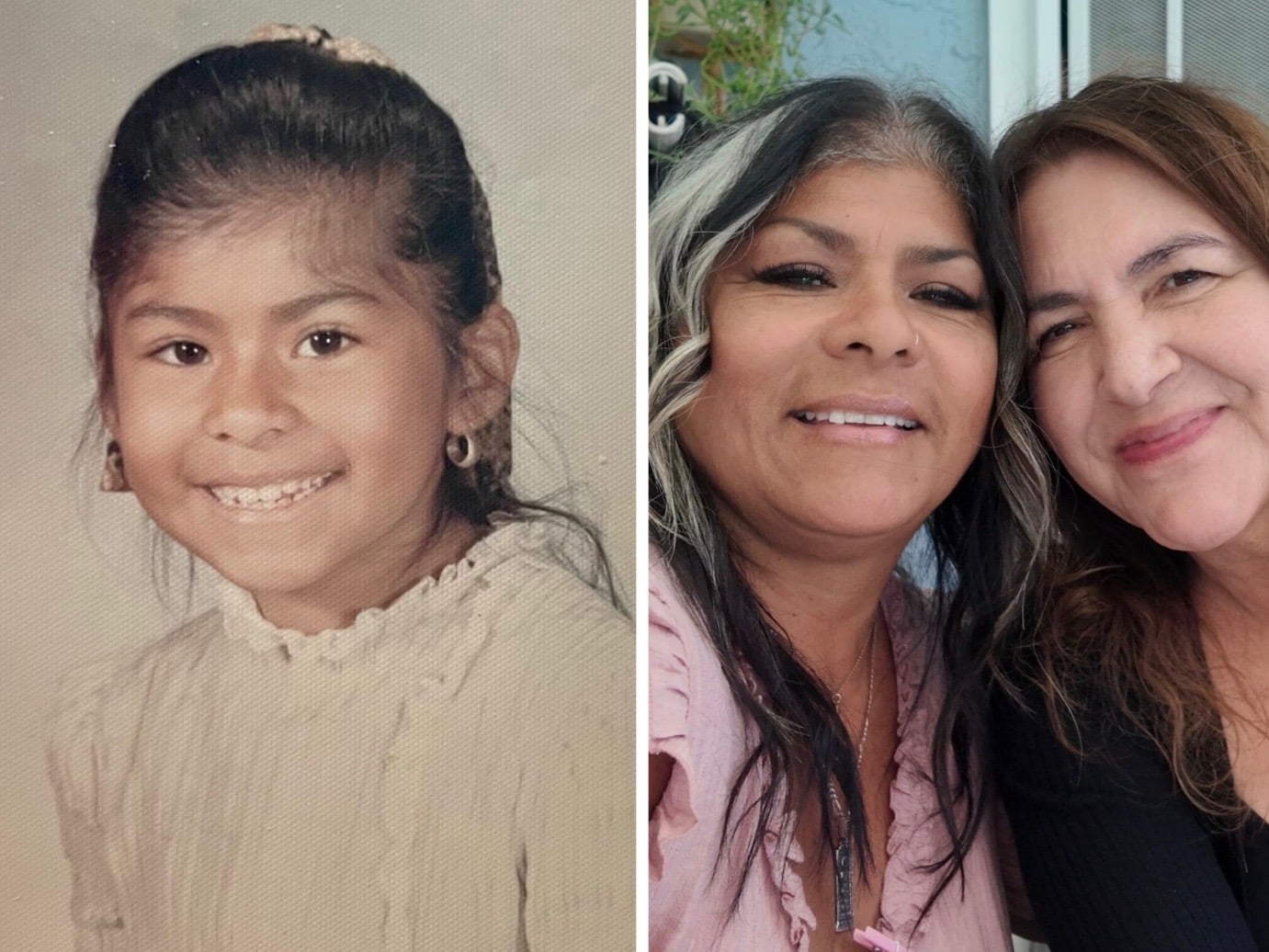
The movement to share these photos online suggests a desire for authentic, unfiltered representation. The willingness of participants to disclose their "cringey" or "awkward" moments to a wider audience acts as a form of collective storytelling. It validates the struggles of the past and provides a platform for community building through shared experience.
Conclusion
The annual school portrait remains a fixture of the academic year, serving as a reliable benchmark for growth and change. While the technology of the camera and the trends in fashion have shifted, the underlying human desire to be seen and to record one’s journey through childhood remains constant. The accounts shared by readers illustrate that these images are more than just items to be stored in a box; they are vital pieces of a personal biography, helping individuals navigate the complexities of their own histories and fostering a deeper understanding of the shared human experience of growing up.