The Debate Over Lifetime Loyalty Status and the Future of Airline and Hotel Rewards Programs


The concept of "lifetime status" in travel loyalty programs—once considered the gold standard for rewarding a brand’s most frequent travelers—is currently undergoing a critical re-evaluation. Stephanie Meltzer-Paul, a former executive who helped architect the lifetime elite status program at Starwood Preferred Guest (SPG), has recently argued that the industry should move away from publishing these lifetime promises. Her perspective, shared via the industry publication So Many Points, suggests that these programs have become bloated, difficult to manage, and potentially detrimental to the very loyalty they were designed to cultivate.
The Evolution and Proliferation of Lifetime Status
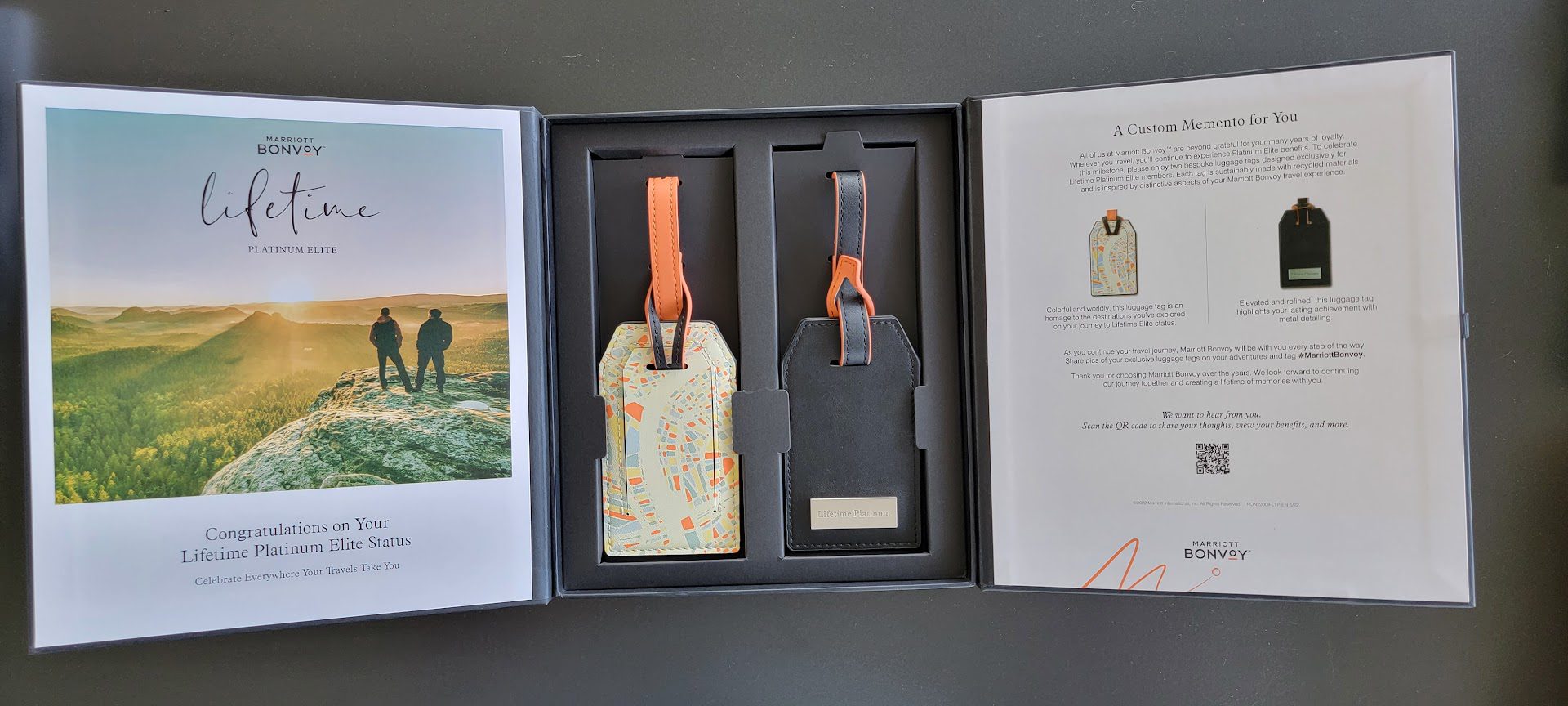
The rise of lifetime elite status began in earnest in the early 2010s, as major hospitality chains and airlines sought to secure the long-term commitment of high-value travelers. When Starwood launched its version of the program in 2012, it was hailed as a revolutionary approach to customer retention. By allowing members to earn status that never expired, brands hoped to build a "sticky" relationship that would span decades.
However, the rapid growth of these programs exceeded initial internal projections. By 2014, when Meltzer-Paul departed Starwood, the volume of lifetime elites had surpassed the company’s original models, raising concerns about the dilution of elite benefits. When elite tiers become too crowded, the value proposition for individual members diminishes; overcrowded lounges, insufficient upgrades, and overburdened staff can lead to service degradation.
Chronology of the "Lifetime" Dilemma
The history of lifetime status is marked by a series of high-profile shifts and public controversies:
- 2012: Starwood Preferred Guest introduces formalized lifetime status, setting a new industry benchmark for competitive loyalty programs.
- 2014–2016: Major carriers and hotel chains, including Marriott and Hilton, refine their programs. During this period, United Airlines becomes embroiled in a high-profile legal dispute after attempting to scale back promised "lifetime" benefits for million-miler members, leading to accusations of consumer fraud.
- 2018: The Marriott-Starwood merger necessitates the integration of two distinct loyalty philosophies, further complicating the administration of lifetime tiers across a massive global footprint.
- 2020–2023: During and after the pandemic, many programs adjusted their requirements, with some companies, like Carnival, attempting to force existing lifetime members to re-qualify, which triggered significant consumer backlash and subsequent partial reversals.
The Argument for Transparency vs. Discretion
Meltzer-Paul proposes that brands replace published lifetime commitments with "unpublished, discretionary recognition." The argument is that if a program does not have to publish a specific set of lifetime benefits, it can retain the flexibility to reward top customers in ways that do not strain operational capacity. This would theoretically allow for a more bespoke, high-touch experience rather than a blanket promise that might become unsustainable as the member base grows.
However, critics of this "discretionary" approach argue that it undermines the fundamental premise of a loyalty contract. If a consumer directs their spending toward a brand for years specifically to reach a "lifetime" milestone, they do so under the assumption that the benefits are contractual. Replacing these with unpublished, arbitrary rewards introduces a level of uncertainty that could drive high-spending customers toward competitors who offer more transparent, reliable incentives.
Best-in-Class Models: Alaska Airlines and Hyatt
Despite the challenges, some loyalty programs have successfully navigated the complexities of lifetime status by creating "stretch goals" that encourage continued engagement even after a lifetime tier is reached.
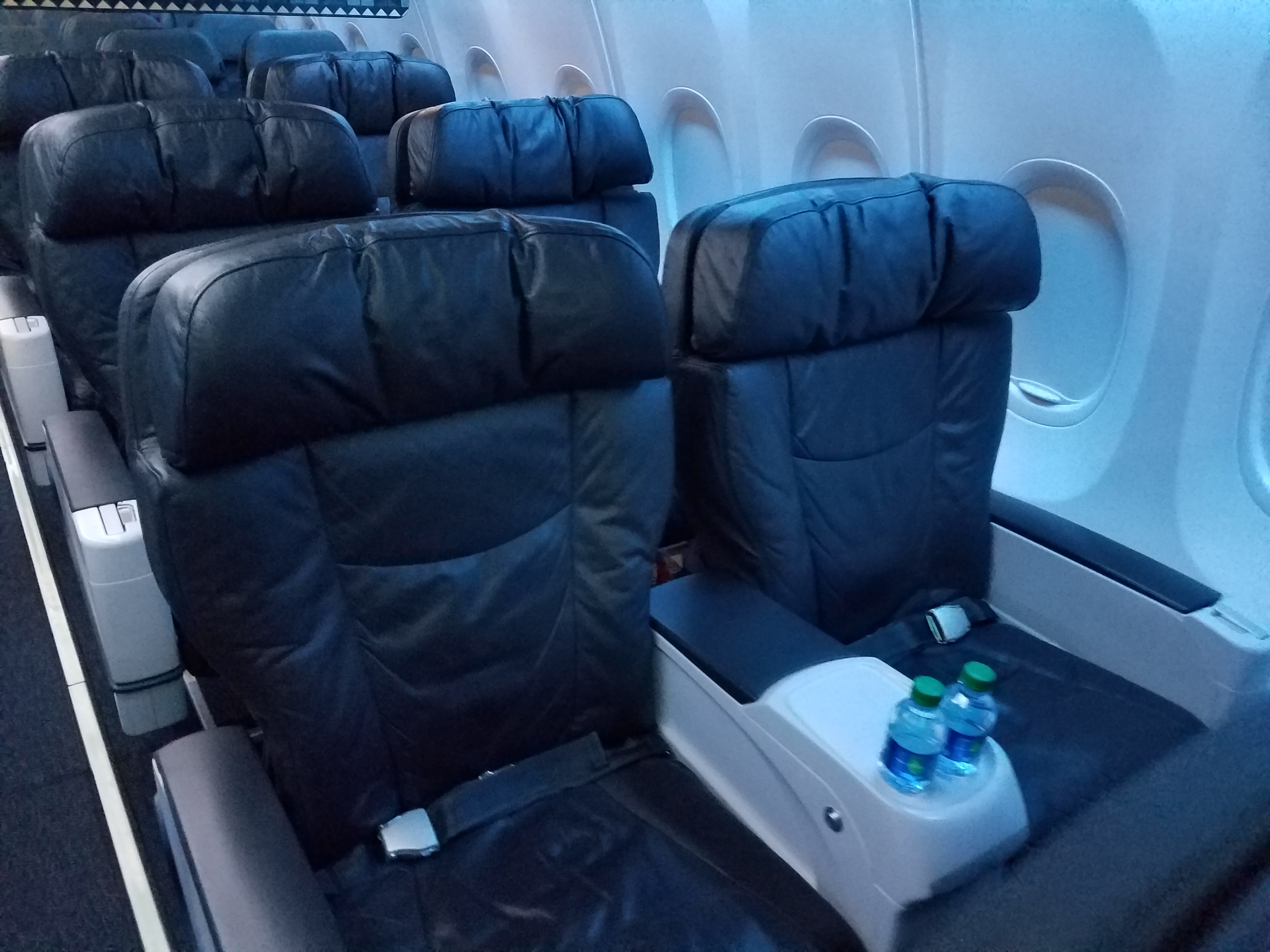
Alaska Airlines has been widely recognized for its Million Miler program, which provides ongoing incentives that go beyond basic status. By offering clear pathways to higher tiers and meaningful annual benefits, the airline effectively prevents the "loyalty treadmill" from coming to a halt. Similarly, Hyatt has structured its Globalist status to remain relevant and valuable year after year. Lifetime Globalists receive specific, high-value rewards—such as Suite Upgrade Awards and Guest of Honor vouchers—on an annual basis. This ensures that the traveler remains incentivized to keep their business with the brand, rather than viewing their lifetime status as a final destination.
The Legal and Ethical Risks of "Rug Pulls"
The primary risk for any corporation offering a lifetime benefit is the long-term liability. As the United Airlines legal saga demonstrated, a company that promises "lifetime" benefits and subsequently removes them faces significant reputational and legal risks. The judicial sentiment in the United case was clear: companies cannot use the term "lifetime" as a marketing hook while simultaneously reserving the right to revoke those benefits at will. Such actions are frequently viewed by the courts and the public as a breach of the implicit trust between a brand and its most loyal advocates.
For many travelers, lifetime status is an investment of time and money that lasts for decades. When a company changes the rules—a practice sometimes referred to as a "rug pull"—it signals to the customer that their previous loyalty is no longer valued.
Strategic Implications for the Loyalty Industry
As loyalty programs evolve, the industry appears to be splitting into two distinct camps: those that treat lifetime status as an administrative burden to be minimized, and those that treat it as a cornerstone of the brand-customer relationship.
- The Case for Fixed Benefits: Programs that offer clear, immutable, and valuable benefits tend to see higher levels of long-term trust. The cost of providing these benefits is often offset by the consistent capture of a traveler’s wallet share over decades.
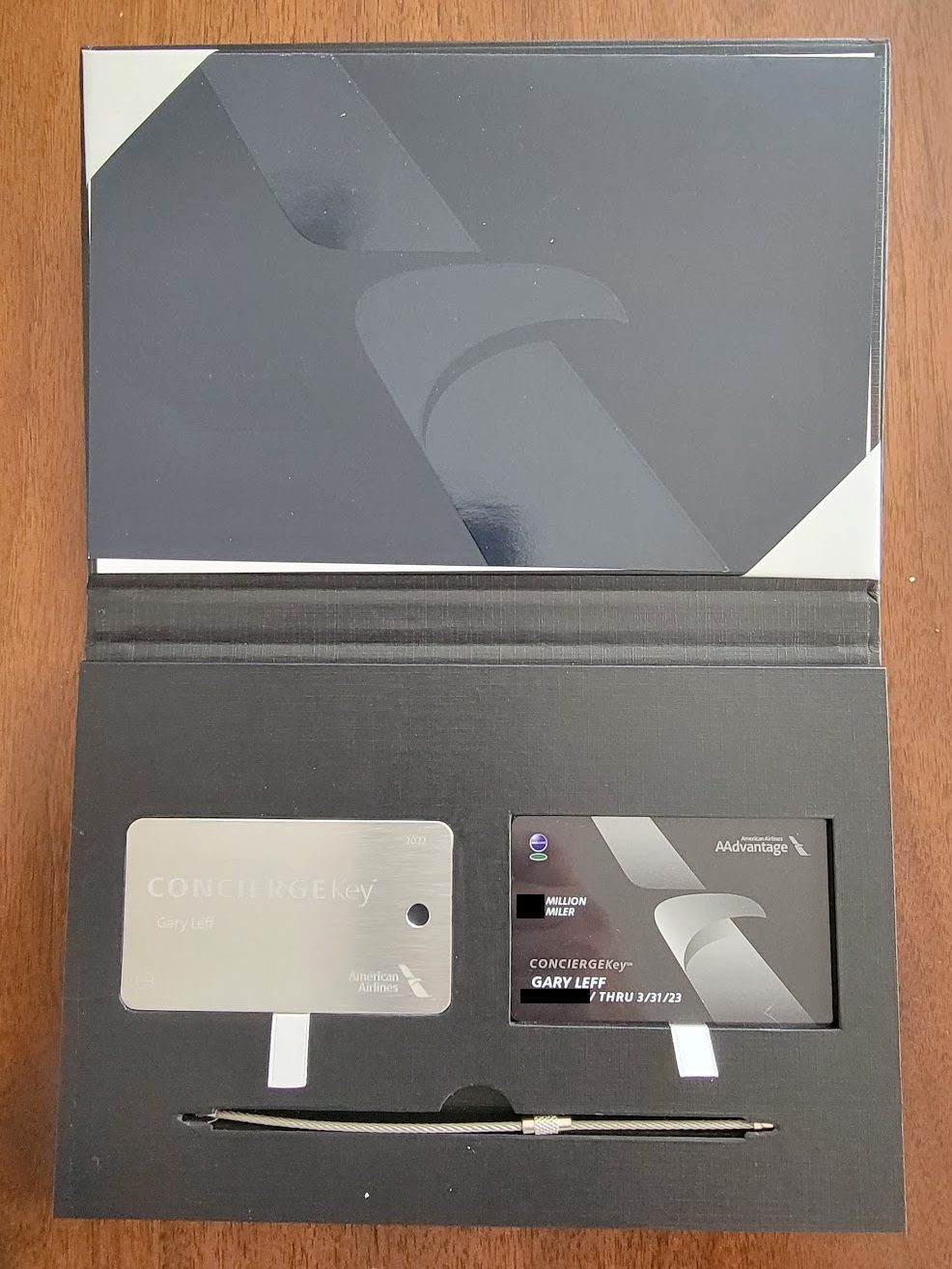
- The Case for Dynamic Engagement: Recognizing customers through personalized, "surprise and delight" milestones—such as those currently employed by Alaska Airlines and United for their million-miler cohorts—can supplement base benefits without creating rigid, long-term liabilities.
Ultimately, the consensus among industry observers is that consumers prioritize certainty. In an era where travel preferences are increasingly volatile, the ability of a program to provide a "credible commitment" is its most valuable asset. While there is certainly room for companies to surprise their best customers with thoughtful, discretionary gifts, these should function as a supplement to—not a replacement for—a transparent, contractual promise.
As brands look toward the future of loyalty, the challenge will be to design systems that are both fiscally sustainable and ethically sound. If a brand cannot commit to the long-term delivery of a benefit, they may be better off not labeling it "lifetime" at all. The future of the industry likely lies in hybrid models: maintaining the structural integrity of lifetime status for the most frequent travelers while utilizing data-driven, personalized recognition to keep those members engaged and active.
For the traveler, the message is equally clear: as the landscape of loyalty programs shifts, it is essential to evaluate whether the promised benefits of a lifetime program are supported by the brand’s history of reliability, or if they are merely temporary marketing constructs subject to the whims of corporate restructuring. The brands that win will be those that view their lifetime members not as an expense to be managed, but as a community to be nurtured.