A New Light on a Renaissance Masterpiece: How the Accademia Gallery is Redefining the Experience of Michelangelo’s David

For over 500 years, Michelangelo’s David has stood as the quintessential icon of Renaissance art, a colossal marble embodiment of human potential, strength, and defiance. Housed in Florence’s Accademia Gallery, the statue has remained a fixed point in the art world, attracting millions of visitors who pilgrimage to the Tuscan capital specifically to gaze upon the 17-foot-tall figure. Yet, while the marble itself remains unchanged, the way the world perceives the masterpiece has undergone a radical transformation. As Italy continues to navigate the post-pandemic era of tourism, the Accademia has unveiled a sophisticated, state-of-the-art lighting system that has revealed minute details of the sculpture that have been obscured for centuries.
The shift is not merely aesthetic; it is a profound technical achievement that fundamentally alters the viewer’s relationship with the sculpture. For decades, the David was viewed under static, often flat lighting that tended to mask the subtle textures of the stone. Now, through a complex installation of high-precision LED technology, the statue is rendered with a clarity that has left art historians, guides, and long-time visitors stunned.
The Science of Illumination: Revealing the Hidden Details
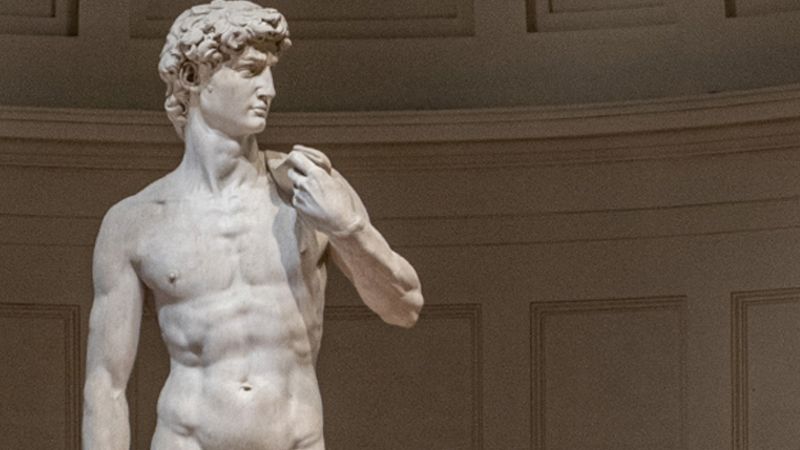
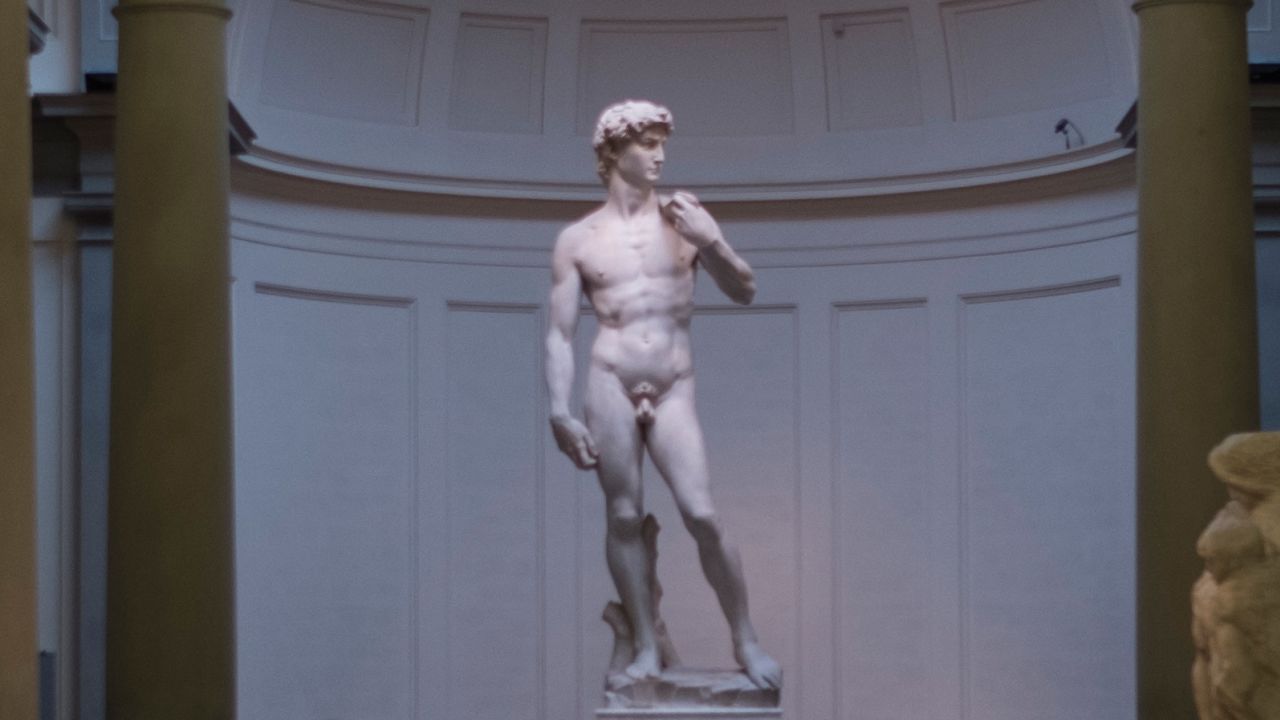
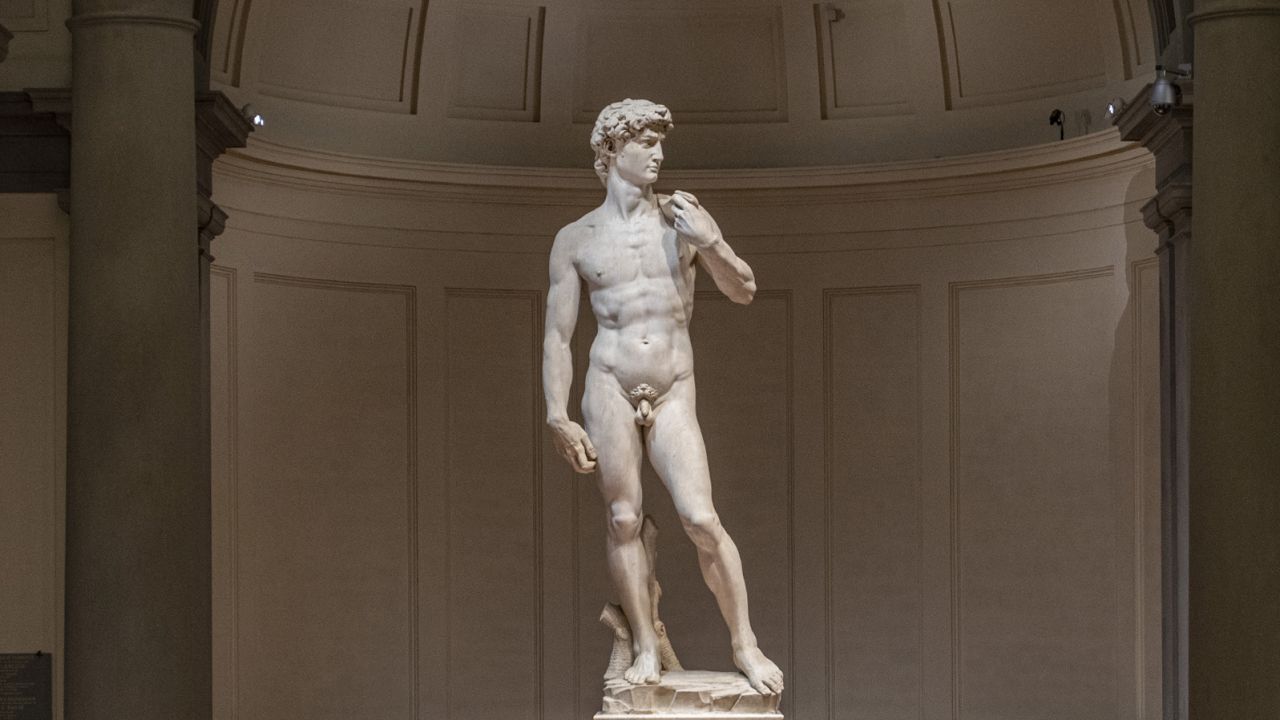
The recent lighting overhaul, completed in the autumn of the current cycle, was designed to mimic the natural dynamism of sunlight. The Tribuna, the domed, skylit room that serves as the centerpiece of the museum, has been outfitted with a circular array of LED spotlights. These lights are not merely bright; they are calibrated to provide varying degrees of warmth and intensity that shift subtly throughout the day. This modulation creates a sense of movement, allowing the play of light and shadow—the classic technique of chiaroscuro—to define the muscular contours and facial expressions of the David in a way that feels alive.
Lucia Lazic, a professional tour guide who frequents the Accademia, noted the immediate impact of these changes. "A few days ago, I noticed muscles on the body that I had never seen before," she remarked. "I found myself asking, ‘How have I never seen this?’ The lighting provides a depth that simply wasn’t there before." This sentiment is echoed by museum staff and scholars who have spent years studying the piece, suggesting that the previous lighting environment was, in effect, a veil that prevented a full appreciation of Michelangelo’s technical virtuosity.
Cecilie Hollberg, the director of the Accademia, has been the driving force behind this project. In official statements, she has emphasized that the goal was to "change the visual perception of the artworks." According to Hollberg, the marble now appears significantly "whiter" to the human eye, and the anatomical precision—the veins, the tension in the brow, the intricate curls of hair—is rendered with unprecedented sharpness.
A Holistic Museum Revamp: Beyond the David
While the David is the museum’s primary draw, the renovation is not an isolated project. It is part of a broader, multi-year strategic plan to modernize the entire Accademia Gallery, which consistently ranks among the most visited museums in Italy. Before the pandemic, the museum saw annual visitor numbers exceeding 1.7 million. Managing this density while ensuring a high-quality experience for each visitor was a significant challenge for the administration.
The "Prisoners Corridor" (Galleria dei Prigioni), which hosts Michelangelo’s unfinished sculptures—the "Prisoners" or "Slaves"—has also undergone a lighting transformation. These figures, which were meant for the tomb of Pope Julius II, are characterized by their raw, emerging forms. Previously, the lighting in this corridor was poor, leaving the sculptures looking yellowed and indistinct. The new installation, which directs focused, crisp spotlights onto each piece, has rectified this. As Hollberg noted, "It used to be that the prisoners looked yellow, and David was white. Now they are the same color. You can now see every chisel mark on them."
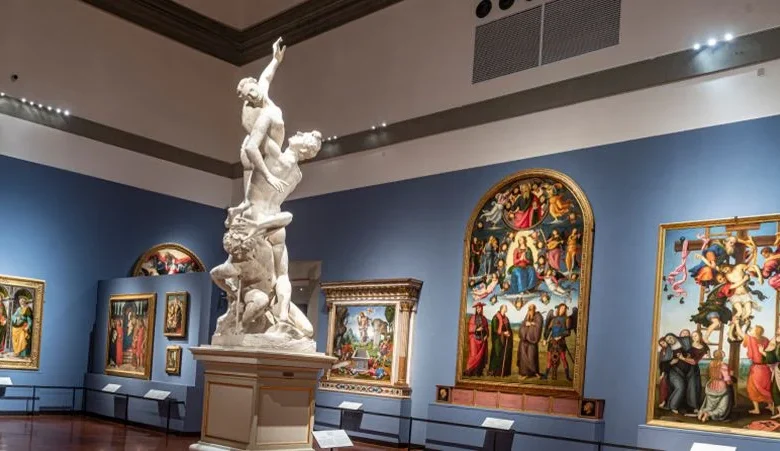
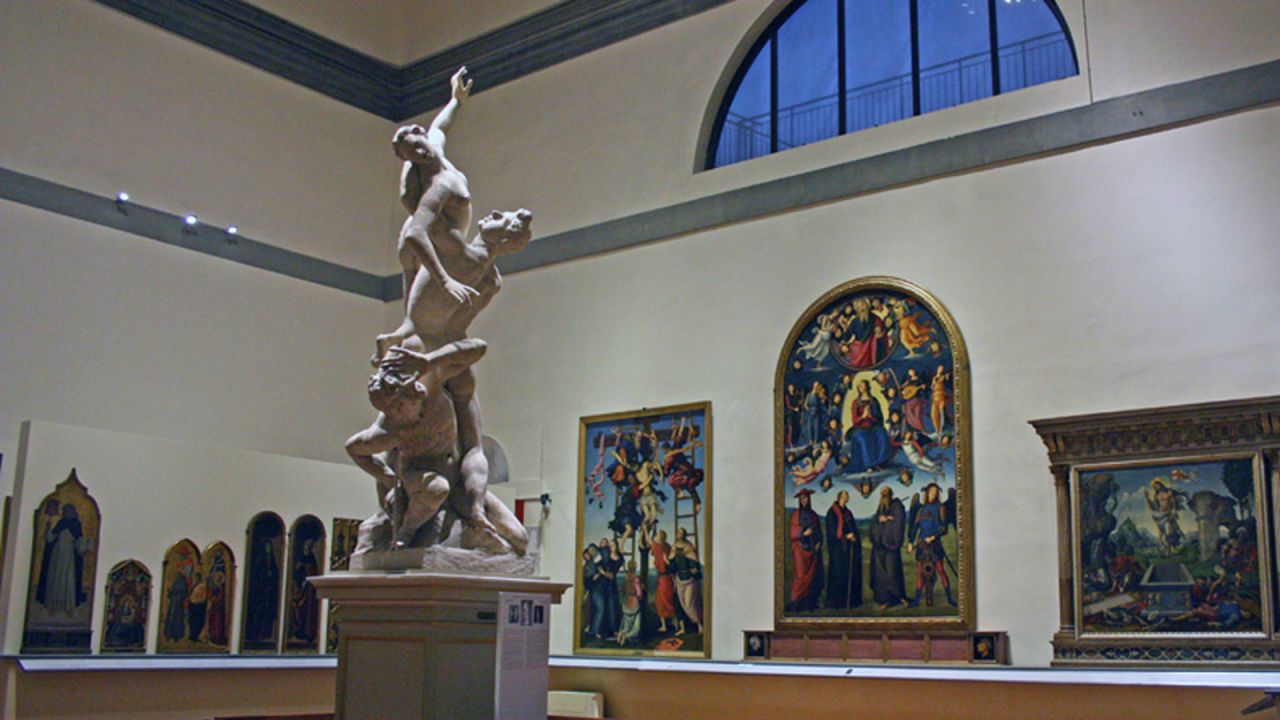
This attention to detail extends to the museum’s walls. The administration moved away from the traditional, institutional "beige" that had dominated the galleries for years. Instead, the rooms are now painted in vibrant, historically informed colors. The Sala del Colosso, for instance, has been repainted in a deep, striking blue, while rooms housing 13th and 14th-century works are now a soft, pale green. These choices were not arbitrary; they were selected to accentuate the gold leaf and pigments found in the medieval and early Renaissance paintings housed within those spaces.
Redistribution of Crowds and Visitor Behavior
One of the most significant, if unintended, consequences of these renovations is the redistribution of visitor traffic. Historically, tourists would stream through the museum, often bypassing smaller works in their haste to reach the David. By elevating the lighting and presentation of the entire collection, the museum has successfully converted these "transit" areas into destinations in their own right.
"Tourists have already changed their behavior," Hollberg observed. "They stop and look. They are not all in front of the David like before. Now, I see the Sala del Colosso full of visitors. It is effectively redistributing the crowds." This shift is crucial for the museum’s sustainability. By drawing eyes toward the secondary collections, the Accademia reduces the bottleneck effect that often plagues the main hall, creating a more dignified and contemplative environment for all patrons.
The Gipsoteca: Completing the Restoration
The final phase of the project involved the Gipsoteca, the gallery’s collection of 414 plaster casts. For years, the Gipsoteca was a neglected space, often closing at midday during the summer months due to a lack of climate control and poor ventilation. It served as a reminder of the museum’s 19th-century limitations.

Following the renovation, the Gipsoteca is now fully climate-controlled and features a new, logical layout for its extensive collection of casts, most of which were produced by the sculptor Lorenzo Bartolini. The addition of modern air conditioning and refreshed aesthetic finishes has transformed the space from a drafty, inaccessible room into a sophisticated exhibit that can finally stay open throughout the day. Italian Minister of Culture, Dario Franceschini, lauded the completion of this phase as a pivotal step in "bringing the Accademia into the 21st century." He further noted that the improvements demonstrate how a historic venue can embrace modern technology without compromising its cultural integrity.
Economic and Environmental Implications
Beyond the artistic benefits, the project represents a major leap in energy efficiency. The transition to LED technology is not merely for the sake of optics; it is a sustainability initiative. The gallery estimates that the new lighting system will consume approximately 80% less electricity than the previous system. In an era where cultural institutions are under increasing pressure to reduce their carbon footprint while managing rising utility costs, the Accademia’s model serves as a potential benchmark for other European museums.
A New Chapter for Florentine Culture
The revitalization of the Accademia is emblematic of a broader trend in Italy: the "re-discovery" of local cultural assets by the domestic population. Hollberg pointed out that, prior to these changes, the museum was viewed primarily as a tourist destination. Today, however, there is a renewed interest from local Florentines. Through initiatives such as concert series and improved exhibition design, the museum is reclaiming its role as a living, breathing part of the city’s community rather than a static repository for international tourists.
As the Accademia moves forward, the success of these renovations serves as a case study in the power of subtle, high-tech intervention. By respecting the historical architecture while utilizing modern tools to enhance the viewer’s experience, the museum has achieved a rare balance. Visitors to Florence can now see the David not as a static, distant icon, but as a dynamic work of art that, through the precision of light, continues to reveal its secrets five centuries after the chisel was first put down.
The implications for the future of museum curation are clear: technology, when used with restraint and purpose, does not detract from the past—it clarifies it. As the world re-engages with the treasures of the Renaissance, the Accademia stands as a testament to the idea that even the most famous works of art have the capacity to be seen anew. Whether it is the subtle shift in the color temperature of the LEDs or the deliberate choice of a wall color, the cumulative effect is an invitation to slow down, look closer, and find the humanity hidden within the marble.
Related posts: