Scientific Expertise Surges in Congress as Democratic Physicians and Researchers Secure Landmark Midterm Victories

The 2026 midterm elections have fundamentally reshaped the American legislative landscape, marking a historic influx of scientists, physicians, and public health professionals into the halls of power. As Democrats successfully regained control of both the House of Representatives and the Senate, the incoming cohort of lawmakers features a significant number of individuals whose careers were previously defined by clinical practice, laboratory research, and public health administration. This trend suggests a strategic shift in the Democratic Party’s approach to legislative priorities, placing a renewed emphasis on science-based policy, healthcare reform, and institutional trust.
The electoral results represent more than a partisan shift; they signify a reaction to the persistent challenges of the post-pandemic era. By mobilizing professionals with deep technical backgrounds, the Democratic coalition has effectively bridged the gap between academic expertise and political advocacy, offering voters a platform rooted in empirical evidence and systematic problem-solving.
The Shift in Congressional Composition
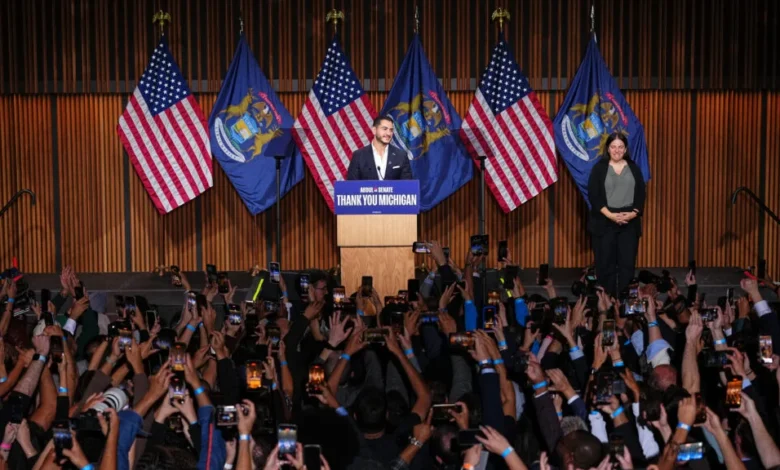
The most striking aspect of the 2026 cycle is the high-profile success of candidates whose professional reputations were forged in hospitals and research institutions. The victory of epidemiologist Abdul El-Sayed in the Michigan Senate race serves as a bellwether for this movement. El-Sayed, whose work in public health communication gained national prominence, campaigned on a platform of preventative healthcare and infrastructure investment. His victory is mirrored by the unexpected success of pediatrician Annie Andrews, whose win in South Carolina not only flipped a critical seat but also provided the necessary momentum for Democrats to secure a majority in the Senate.

In the House of Representatives, the diversity of the scientific contingent is equally notable. From the clinical expertise of registered nurse Mitchell Berman in Wisconsin to the research-heavy backgrounds of microbiologists Jasmine Clark and Manny Rutinel, the new representatives bring a granular understanding of the systems they are tasked to govern. These individuals join veteran legislators like pediatrician Richard Pan, whose career in California politics has long centered on vaccine advocacy and legislative oversight of public health initiatives.
Chronology of the 2026 Midterm Cycle
The path to this outcome began months before the first ballot was cast. The 2026 election cycle was characterized by several distinct phases:
- Early 2026: Democratic leadership identified healthcare accessibility and scientific literacy as core pillars of their platform. Strategic recruitment efforts began in earnest, targeting professionals who held "trusted" status in their local communities.
- Summer 2026: As the campaign season intensified, candidates like Amy Acton, the former pandemic-era health director in Ohio, leveraged their administrative experience to contrast their credentials with opponents who prioritized ideological messaging over policy substance.
- October 2026: The final weeks of the campaign saw an uptick in debates centered on the long-term sustainability of the American healthcare system. The candidates’ professional backgrounds provided them with a unique rhetorical advantage, allowing them to frame complex issues—such as Medicaid expansion and pharmaceutical pricing—in accessible, evidence-based terms.
- November 3, 2026: Election Day results confirmed a "blue wave" that saw the House and Senate return to Democratic control, fueled in large part by suburban and independent voters who favored the stability represented by scientific-minded candidates.
Data and Demographics: The "Science Caucus"
The influx of these professionals is statistically significant. While the U.S. Congress has historically been dominated by attorneys and business professionals, the 2026 cohort represents a statistically measurable increase in the "Science Caucus." According to recent legislative analysis, the number of sitting members with advanced degrees in STEM (Science, Technology, Engineering, and Mathematics) fields or clinical practice has reached a 50-year high.
This shift is particularly evident in the demographic breakdown of the new freshman class. Over 25% of the newly elected Democratic representatives have direct experience in the healthcare sector, ranging from nursing and pediatrics to infectious disease research. This suggests that the legislative agenda for the next session will likely prioritize data-driven public health reform, including potential revisions to the Affordable Care Act and a bolstered federal response to future bio-security threats.

Official Responses and Political Implications
The shift has drawn varied reactions from across the political spectrum. Democratic leadership has hailed the results as a "triumph of reason," suggesting that the voters have grown weary of partisan gridlock and are seeking leaders who prioritize verifiable outcomes. A spokesperson for the Democratic Congressional Campaign Committee noted that the strategy of recruiting "practitioners, not just politicians" was instrumental in winning back key swing districts.
Conversely, Republican strategists have characterized the surge as an over-correction, suggesting that the focus on "expert-led" governance may alienate rural voters who have expressed skepticism toward centralized scientific institutions. However, the data suggests that in 2026, the perceived need for competent administrative governance outweighed these ideological concerns for a sufficient number of voters to alter the balance of power.
Broader Impact: Policy and Governance
The implications of this electoral outcome for the life sciences and healthcare industries are profound. With individuals like Dr. Amy Acton and Dr. Richard Pan in influential positions, the legislative body is now better equipped to scrutinize the intricacies of medical research funding, drug pricing negotiations, and the regulation of emerging technologies such as artificial intelligence in healthcare.
The "Science Caucus" is expected to push for several key legislative goals in the coming term:

- Strengthening Public Health Infrastructure: Increased federal funding for local health departments and pandemic preparedness protocols.
- Healthcare Cost Containment: Utilizing the expertise of former healthcare executives and clinicians to craft legislation that addresses the administrative bloat and rising costs within the private insurance market.
- Science-Led Environmental Policy: Leveraging the backgrounds of scientists to address the intersection of climate change and public health, particularly regarding air quality and water safety.
Analysis: A New Era of Institutional Trust?
The success of these candidates reflects a broader societal attempt to reclaim institutional trust. Following the tumultuous years of the early 2020s, the American electorate appears to be searching for a sense of predictability. By placing their trust in individuals who have spent their lives working within rigorous, peer-reviewed frameworks, voters have signaled a desire for a return to governance that relies on expertise.
However, the challenge for these newly elected officials will be the transition from the laboratory or the clinic to the legislative chamber. The legislative process is inherently political, often requiring compromise that can be at odds with the binary nature of scientific inquiry. Whether these representatives can effectively translate their technical knowledge into the messy, often non-linear process of lawmaking will determine the success of this new political archetype.
As the 120th Congress prepares to convene, the presence of these scientists and healthcare professionals will be a defining feature of the legislative session. Their success or failure in delivering tangible results will likely set the tone for recruitment strategies in the 2028 election cycle and beyond. For now, the "blue wave" of 2026 has provided a unique opportunity to test whether a legislature populated by experts can deliver the stability and progress that a fractured electorate so clearly desires. The intersection of evidence-based policy and political necessity will be the crucible in which the next two years of American governance are forged.