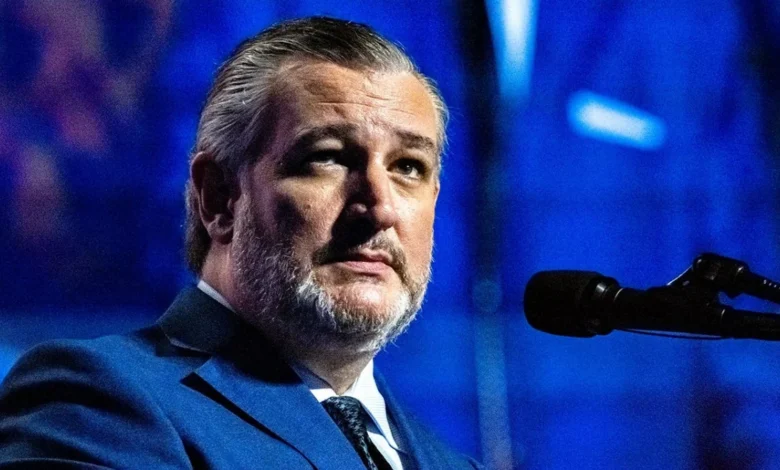
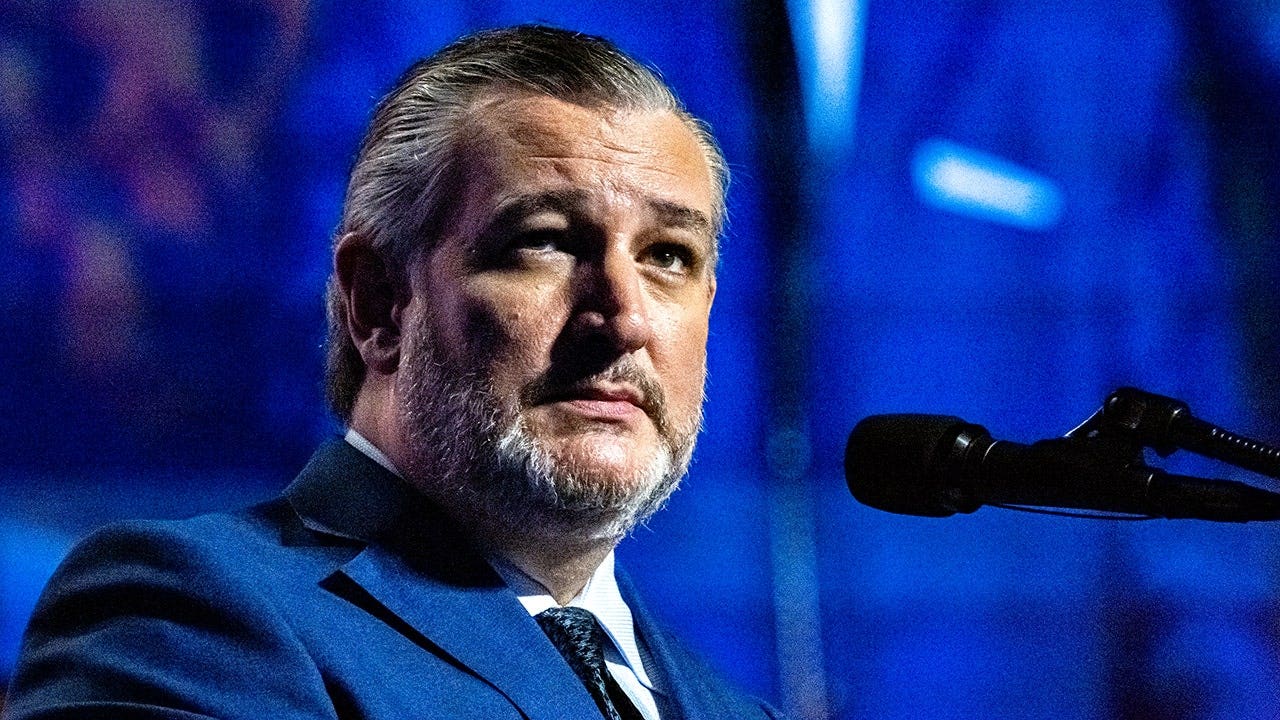
In a stark and unvarnished assessment of the 2026 midterm elections, U.S. Senator Ted Cruz (R-Texas) described the nationwide Republican losses as a "blue tsunami" and a "Watergate-level repudiation." The sweeping Democratic victories reshaped the American political landscape, culminating in historic upsets in the traditionally deep-red stronghold of Texas. For the first time in nearly four decades, Democrats captured the state’s open U.S. Senate seat and unseated a sitting Republican governor, signaling a profound shift in voter sentiment that stunned political analysts and party leadership alike.
The aftermath of the election has triggered intense introspection among conservatives nationwide, with leaders scrambling to diagnose how a stronghold like Texas slipped from their grasp. Senator Cruz’s candid remarks on social media platform X laid bare the vulnerabilities of the modern Republican coalition, pointing to economic anxieties, foreign policy fatigue, and a growing disconnect between elected officials and the everyday struggles of working-class Americans.
A Historic Political Reversal in the Lone Star State
The 2026 midterms will long be remembered as a watershed moment for Texas politics. For decades, the Lone Star State stood as the crown jewel of the national Republican infrastructure, a reliable red firewall in federal elections and a laboratory for conservative governance. However, the November 3, 2026, election shattered that status quo.
According to the Fox News Decision Desk, Democratic state Representative James Talarico defeated Republican Attorney General Ken Paxton in the high-stakes U.S. Senate race. Talarico’s victory marks the first time a Democrat has won a Senate seat in Texas since Lloyd Bentsen in 1988. Concurrently, state Representative Gina Hinojosa pulled off a monumental upset by unseating longtime Republican Governor Greg Abbott. Further compounding the conservative losses, Democrats also secured victories in down-ballot statewide contests, including the races for lieutenant governor and attorney general.
In his victory speech in Austin, Talarico framed his campaign not as a top-down political maneuver, but as a grassroots movement built by underdogs. Emphasizing a "politics of love over division," the newly minted senator pledged to bridge deep political divides, represent all Texans regardless of party affiliation, tackle escalating economic inequality, and eliminate the influence of big money in politics.
Cruz’s Blistering Diagnosis of GOP Failures
Senator Cruz did not mince words when analyzing the root causes of the electoral wipeout. Rejecting the notion that the results were merely a standard midterm correction, he categorized the defeat as an existential shock to the party.
"2026 was not simply a blue wave; it was a blue tsunami. It was an ass kicking," Cruz wrote in his lengthy post on X. "It was not simply a bad 2006 midterm election. It was a Watergate-level repudiation."
Cruz asserted that the primary driver behind the historic losses was the Republican Party’s failure to adequately address mounting public anger over the cost of living. As inflation, energy costs, and everyday expenses continued to squeeze household budgets, voters felt abandoned by the political establishment.
"Food is too high, gas is too high, diesel is too high, insurance is too high, life is too high," Cruz wrote. "Understandably, people were pissed off, and elected Republicans didn’t do enough to address their very real pain."
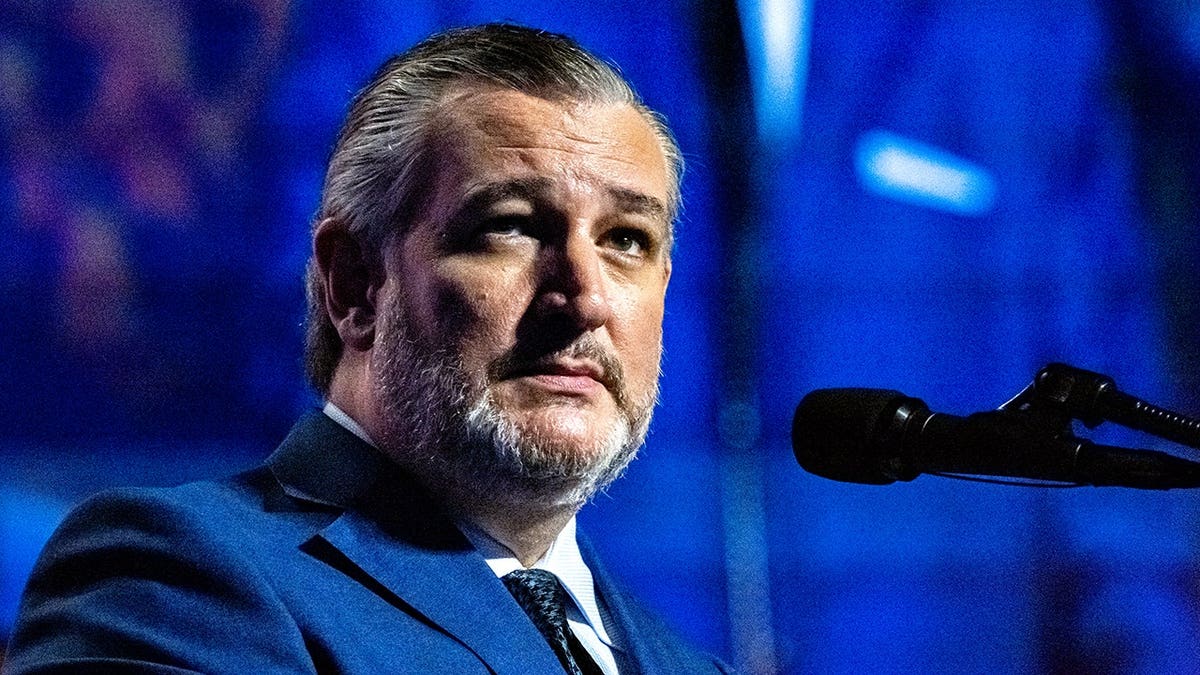
Beyond domestic economic pressures, Cruz pointed to broader policy and geopolitical missteps. He criticized the implementation of aggressive tariffs and the prolonged military engagement with Iran, arguing that both factors exacerbated voter frustration and contributed to economic instability. The senator noted that the party hemorrhaged support among crucial demographic groups, including blue-collar workers, young voters, farmers, ranchers, and Hispanic constituents. Furthermore, he acknowledged that evangelical Christian turnout fell significantly short of historical highs, signaling a broad alienation of rural and faith-based America.
The Campaign Narrative and Cultural Clashes
The Texas Senate race was characterized by intense, hard-fought campaign rhetoric that reflected broader national culture wars. Throughout the cycle, Attorney General Ken Paxton, backed by President Donald Trump and national Republican figures, aggressively targeted Talarico. Critics sought to paint the Democratic challenger as out of touch with traditional Texas values, labeling him a "communist" and highlighting his legislative record supporting the transgender community, as well as a controversial past speech in which he described God as "nonbinary."
Despite these attacks, Talarico successfully maintained a messaging strategy focused on economic populism, healthcare access, and public education funding, allowing him to peel away crucial moderate and independent voters.
Addressing these cultural flashpoints directly, Cruz maintained that the state’s fundamental identity had not permanently shifted toward progressive ideology. "We have not suddenly become a bunch of tofu-eating, gun-banning, tutu-wearing pinko commie liberals," Cruz wrote. "That ain’t us. Texas is still Texas."
At the same time, Cruz emphasized that the Republican Party must undergo a structural and ideological evolution to regain public trust. He argued that the party must rebuild itself as a genuine blue-collar movement rooted in free-market principles rather than relying on entrenched incumbency or divisive rhetoric.

Looking Ahead: Bipartisan Outreach and the Path to Recovery
In a display of political civility following the bruising campaign, Cruz revealed that he reached out to Talarico by phone to offer his congratulations. Describing their exchange as a "pleasant conversation," Cruz expressed an openness to working collaboratively with the newly elected senator on legislative matters that directly benefit the citizens of Texas.
While acknowledging the gravity of the Democratic sweep, Cruz struck a defiant and optimistic tone regarding the future of conservatism in the state. He drew a parallel between the current political darkness and the promise of a future political revival.
"It is dark right now, but it is always darkest before the dawn, and morning is coming," Cruz wrote. "But hear me now: we will bring Texas back. Texas will be red again."
Implications for National Politics
The 2026 midterm results carry monumental implications for the remainder of the decade. With control of both chambers of Congress shifting and long-standing state strongholds falling to the Democrats, the balance of power in Washington has been profoundly altered.
Political scientists note that the loss of Texas, Florida—where Governor Ron DeSantis similarly described Republican setbacks as an "extinction-level event"—and other traditional battlegrounds forces the GOP to reevaluate its national platform ahead of the upcoming presidential cycle. The midterms demonstrated that economic pragmatism, cost-of-living concerns, and shifting demographic coalitions can rapidly dismantle decades of partisan dominance.

For the Democratic Party, the challenge will now shift from campaigning against the status quo to delivering tangible legislative results in a polarized political environment. As newly elected leaders like James Talarico and Gina Hinojosa prepare to take office in Austin, all eyes will be on Texas to see whether this historic blue wave represents a temporary realignment born of economic frustration or a permanent transformation of the American political map.
Related posts: