The Evolution and Cultural Significance of the Modern Honeymoon: A Study of Diverse Post-Wedding Travel Trends

The concept of the honeymoon has evolved significantly from its historical origins—often rooted in the consumption of honey-based alcoholic beverages like mead to ensure fertility—into a multifaceted industry that represents a major milestone in modern partnership. Today, the honeymoon serves as a critical period of decompression following the logistical and emotional intensity of wedding planning. While the industry has been shaped by luxury travel marketing, recent data suggests a growing trend toward highly personalized, experience-driven travel that reflects the specific values, budget constraints, and life stages of the couple.
A Historical and Sociological Context
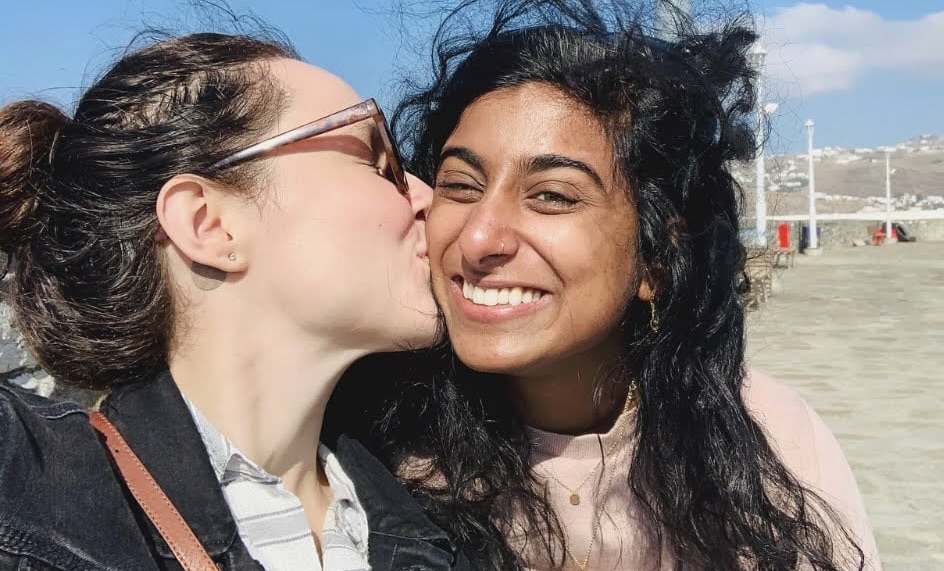
Traditionally, the post-wedding trip was viewed as a necessary respite for couples to adjust to their new status. However, contemporary sociological research indicates that the honeymoon has shifted from a standardized “luxury vacation” to a diverse array of experiences. For many, the trip is no longer just about leisure; it is about establishing a shared narrative. Whether couples choose to embark on international cruises, cross-country road trips, or staycations in familiar cities, the common thread remains the prioritization of time spent together away from the pressures of work, family expectations, and the “whirlwind” of the wedding itself.
Analysis of Modern Honeymoon Demographics and Trends
Recent surveys conducted among travel enthusiasts and newlyweds reveal that there is no longer a singular "ideal" honeymoon destination. Instead, travel patterns are dictated by three primary factors: life stage, shared interests, and the desire for emotional restoration.
The Rise of Niche and Experiential Travel
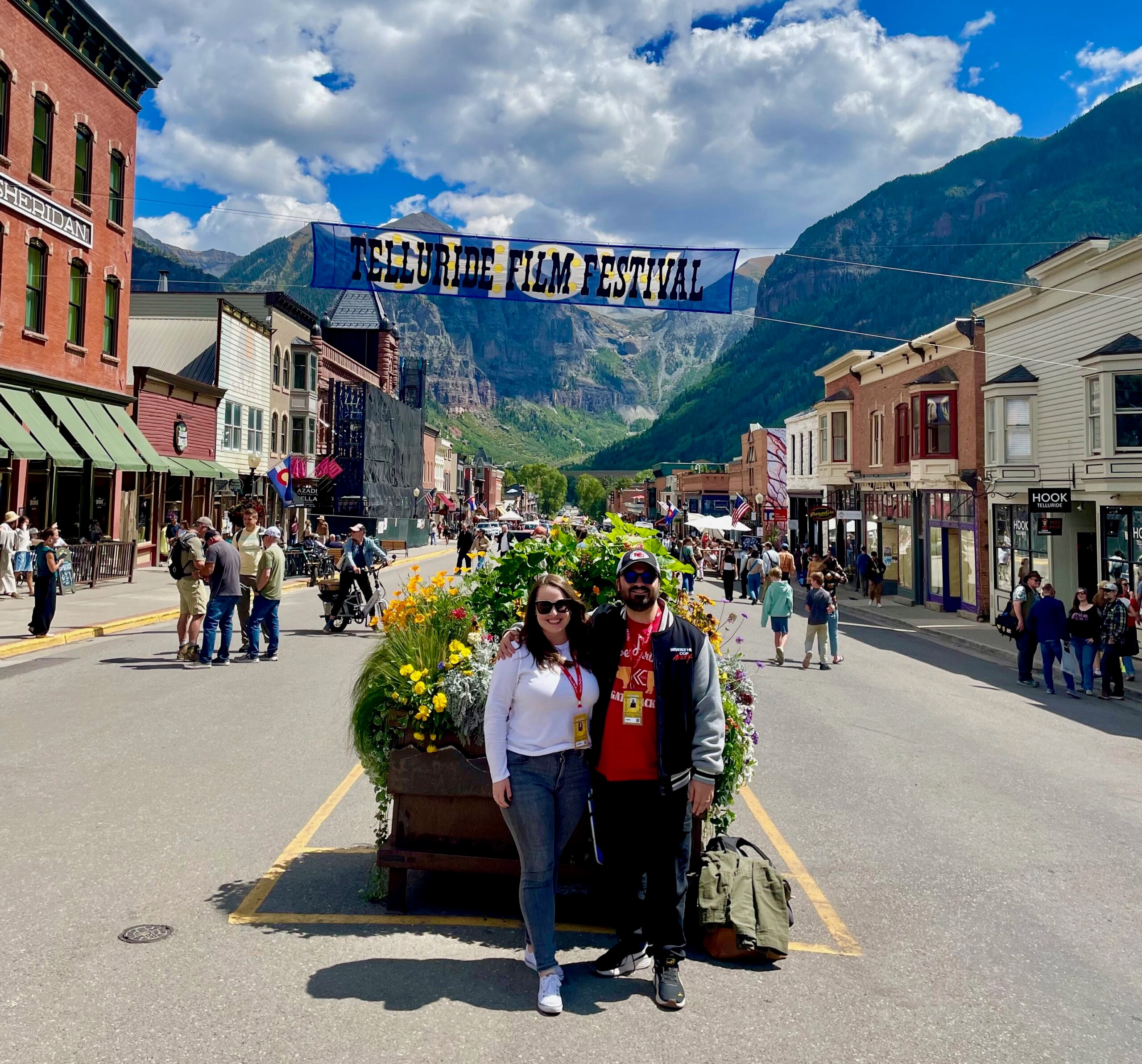
Modern couples are increasingly opting for "special interest" travel. For cinephiles, destinations like the Telluride Film Festival in Colorado offer a curated experience that aligns with their personal passions. This trend reflects a broader move toward "intellectual tourism," where the value of the trip is derived from shared activities—such as film viewings or cultural immersion—rather than passive relaxation.
The "Slow Travel" Movement
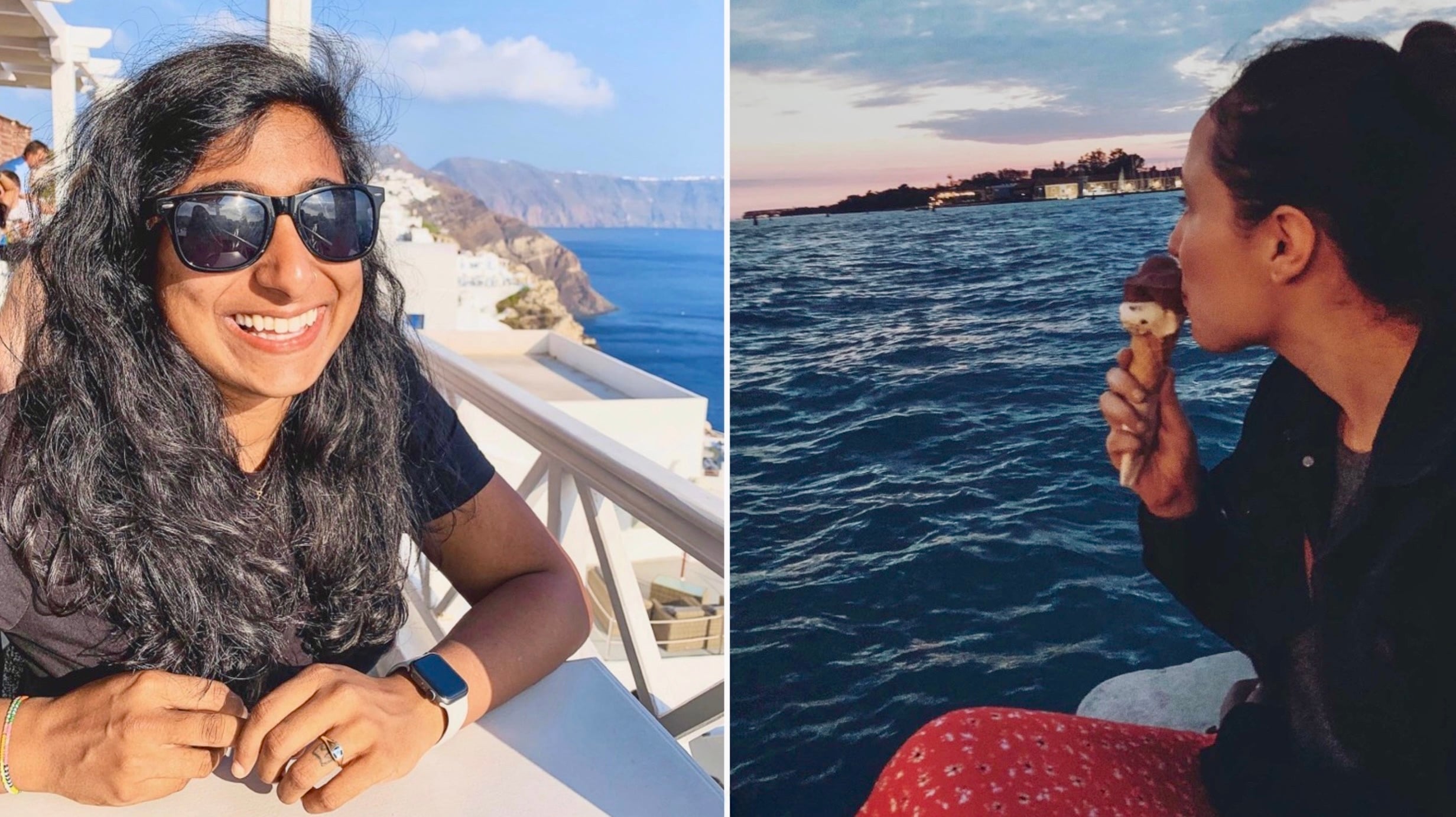
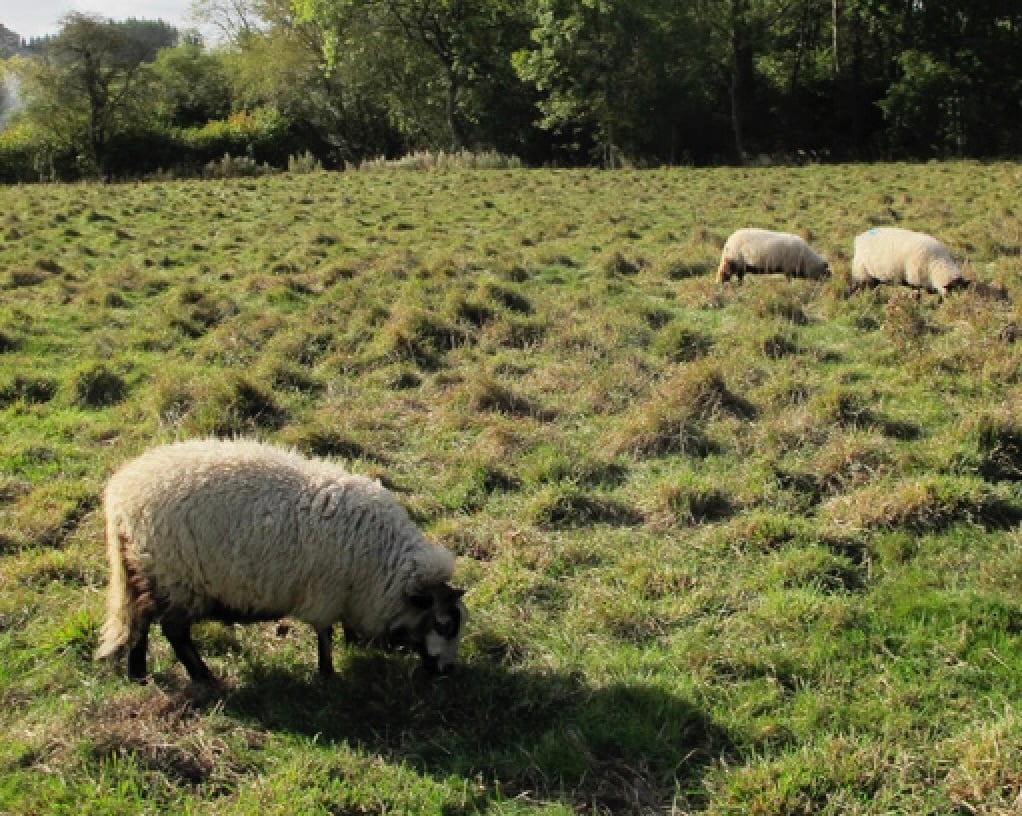
The cruise industry and rural retreats, such as those found in the Cotswolds in England or coastal Mexico, highlight a desire for the "slow travel" movement. This approach focuses on deep exploration of a single region, allowing for authentic interactions with locals and a slower pace of life. Data from travel analysts suggest that travelers who opt for localized, rural experiences report higher levels of post-trip satisfaction compared to those on high-intensity, multi-city itineraries.
Budgeting and the "Life Stage" Factor
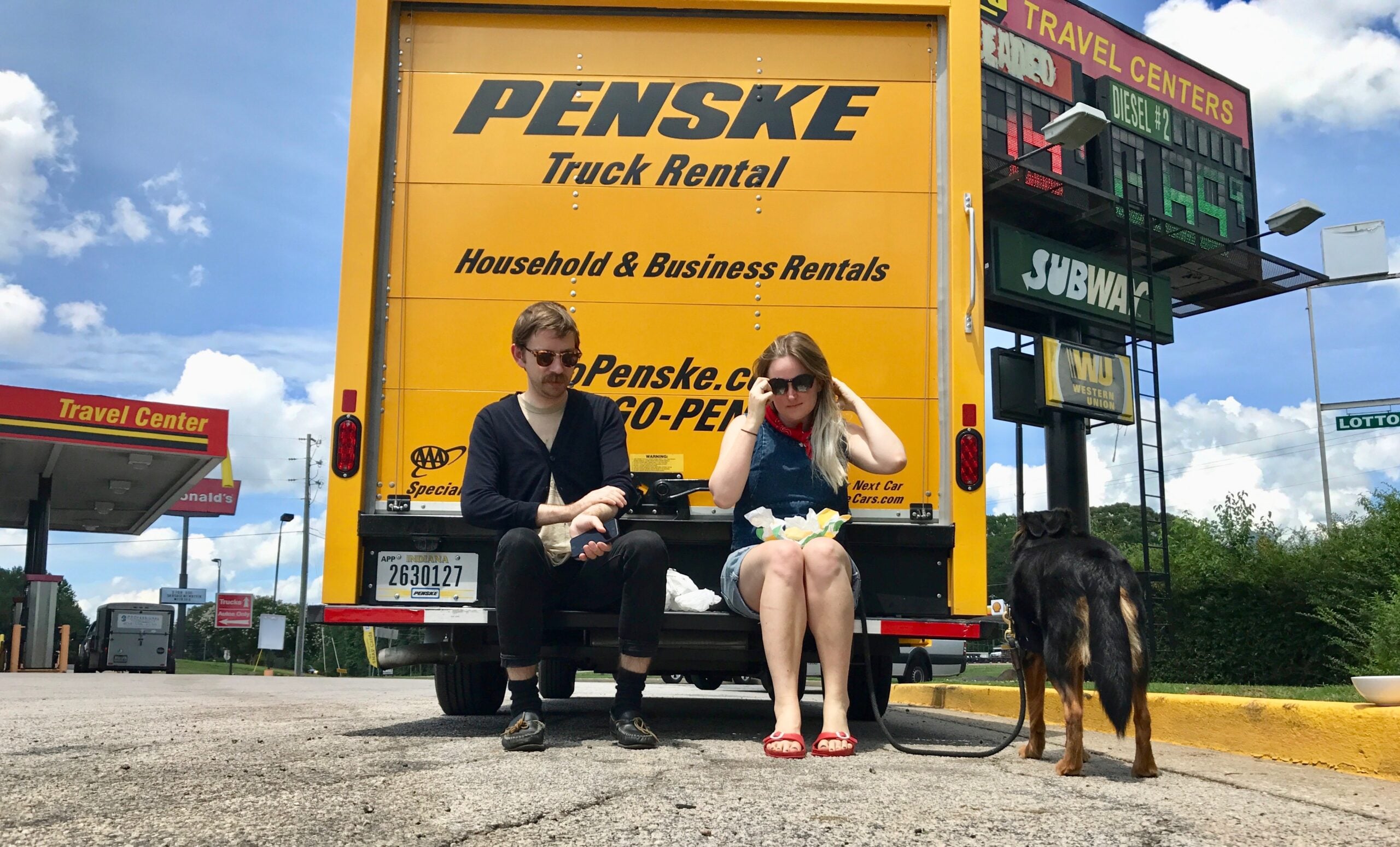
Economic factors play a substantial role in honeymoon planning. Not every couple has the capacity or desire for a luxury international getaway. Many, particularly those who have recently relocated or are balancing the demands of parenthood, view the honeymoon as a functional transition. Moving cross-country with pets and personal belongings, for example, can serve as a non-traditional honeymoon, framing a logistical necessity as a shared adventure. Similarly, the trend of "babymoons" or taking young children on the trip indicates that for many, the definition of a "honeymoon" has expanded to include the celebration of the family unit as a whole, rather than just the couple.
Chronology of the Modern Honeymoon Experience
The planning and execution of a honeymoon typically follow a standard trajectory:
- The Planning Phase: Typically begins 6 to 12 months before the wedding. Couples must reconcile their budget with their desired level of activity.
- The Post-Wedding Decompression: Occurs immediately following the ceremony. This phase is crucial for mental health, as it provides a buffer between the high-stress environment of the wedding and the return to professional obligations.
- The Implementation: Whether it involves international travel, such as a safari in Kenya, or domestic camping in national forests, this phase is characterized by the actualization of the couple’s shared goals.
- The Reflection Period: Post-trip, couples often synthesize their experiences. For many, the "memorable" moments—even those involving minor mishaps, like a leaking tent during a camping trip—often become foundational stories that strengthen the couple’s sense of resilience.
Economic and Psychological Implications
The travel industry has responded to these trends by diversifying its offerings. Luxury providers, such as those managing Giraffe Manor in Kenya, cater to the desire for unique, "once-in-a-lifetime" experiences, while the surge in popularity of national parks and accessible local destinations suggests a democratization of the honeymoon experience.
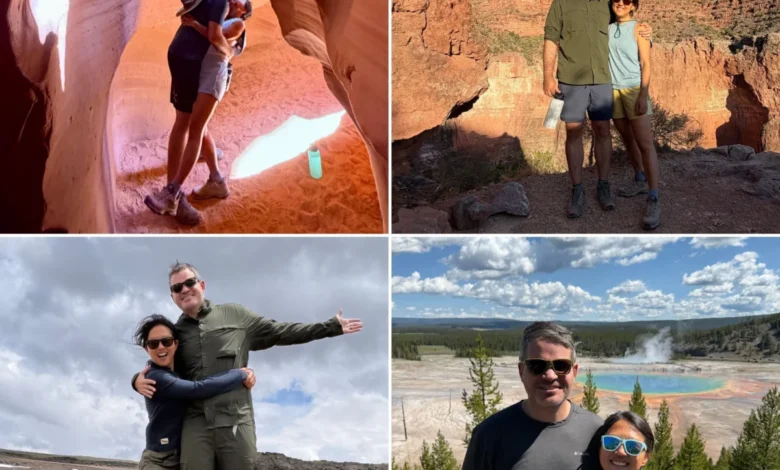
Psychologically, the honeymoon functions as a "relationship incubator." By removing the couple from their daily environment, the trip facilitates deeper communication and bonding. Experts in family therapy often note that the shared experience of navigating new environments—whether it is finding a restaurant in New Orleans or setting up a tent in the Western U.S.—builds confidence in the couple’s ability to handle future challenges together.
Official Perspectives and Industry Forecasts
Tourism boards and hospitality analysts suggest that the future of the honeymoon industry lies in hyper-personalization. As the cost of travel continues to fluctuate, the "value" of a honeymoon is increasingly being measured by the quality of the shared time rather than the prestige of the destination.
"The modern honeymoon is fundamentally about agency," says a senior analyst in the travel sector. "Couples are moving away from what society tells them they ‘should’ do and moving toward what actually brings them closer together. Whether that means a high-budget safari or a budget-conscious road trip, the trend is toward intentionality."

Broader Impact on Global Tourism
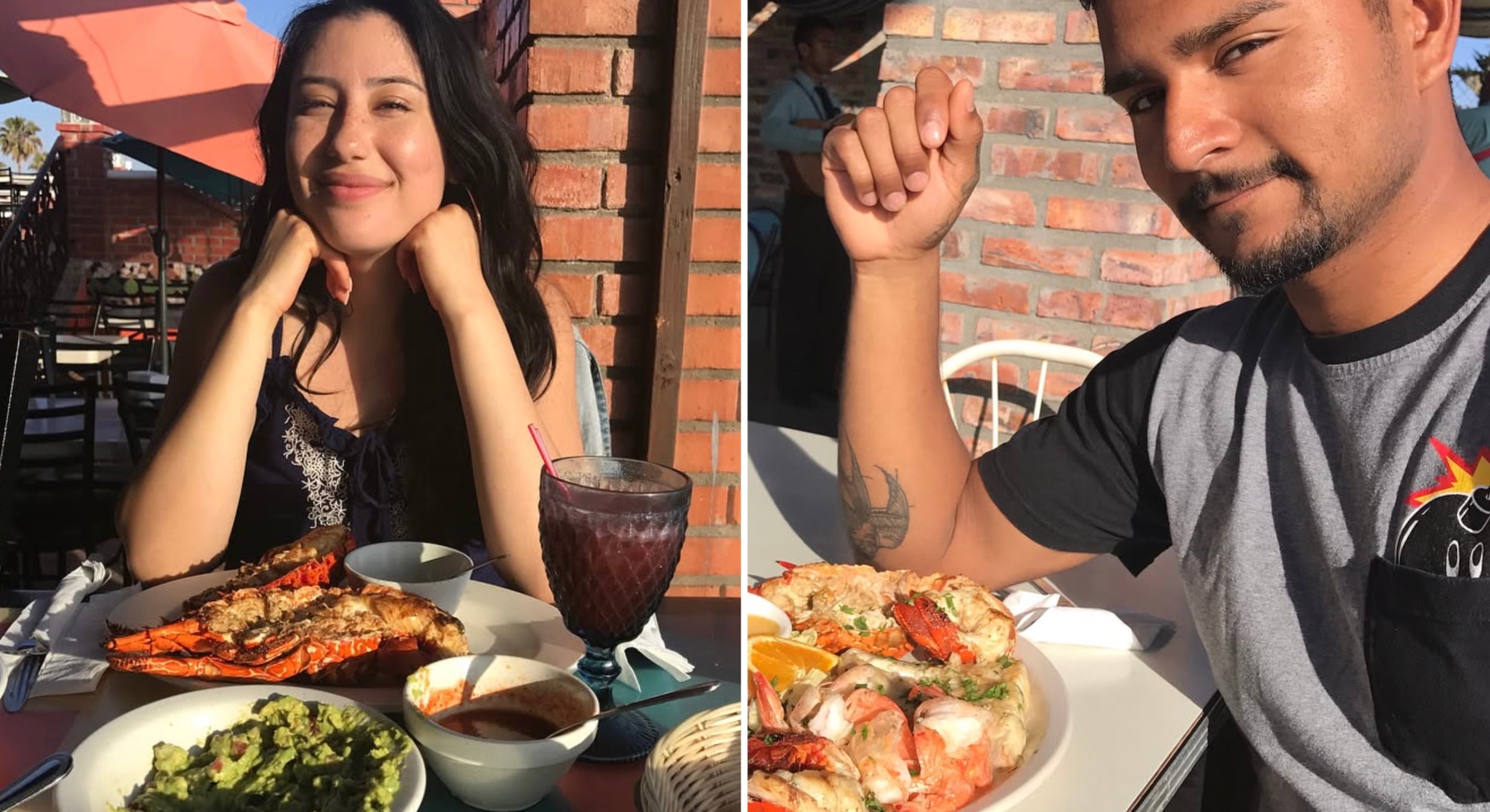
The impact of these travel choices is significant for local economies. When couples choose to visit rural areas—such as the Cotswolds or Puerto Nuevo—they provide direct economic support to small-scale hospitality providers, independent restaurants, and local guides. This "micro-tourism" contributes to the sustainability of regional economies that rely on seasonal visitors.
Furthermore, the rise of digital sharing—where couples document their trips through photography and personal essays—creates a "peer-to-peer" recommendation engine. This decentralized form of marketing has effectively replaced traditional travel agency recommendations, allowing couples to curate their own itineraries based on the lived experiences of others.
Conclusion: The Future of the Post-Wedding Journey
As societal norms continue to shift, the honeymoon will likely continue its transformation. The emphasis on "shared adventures" over "luxury consumption" is not merely a passing trend but a reflection of a generation that values authenticity and partnership. By prioritizing experiences that foster connection and resilience, couples are ensuring that their honeymoon remains a vital, meaningful start to their life together. As travelers look forward, the expectation is for a continued focus on accessible, sustainable, and highly personalized travel experiences that honor the unique identity of each couple.