Navigating Civic Engagement and Sustaining Hope During Times of Political Volatility


The contemporary political landscape is characterized by a high degree of societal polarization, characterized by relentless news cycles and a pervasive sense of voter fatigue. As the nation approaches a consequential election cycle, the tension surrounding institutional stability and the future of democratic processes has reached a notable inflection point. For many citizens, the challenge lies not only in remaining informed but in maintaining the psychological resilience required to participate in the democratic process.
The Current Political Climate and Voter Sentiment
Political analysts and sociologists have identified a "collective overwhelm" that transcends traditional party lines. According to data from the Pew Research Center, a significant majority of Americans express exhaustion with the current state of political discourse. This sentiment is compounded by the rapid dissemination of information through digital platforms, which often highlights divisive rhetoric.
However, civic leaders and activists emphasize that this environment necessitates increased engagement rather than withdrawal. The act of voting, while fundamental to the democratic framework, is frequently positioned as the primary mechanism for mitigating apathy and ensuring that community interests are represented at the local, state, and federal levels.
A Chronology of Increasing Political Engagement
The current state of affairs is the result of years of escalating tension. Since 2020, several key developments have shaped the American political consciousness:
- 2020-2021: The COVID-19 pandemic and subsequent social justice movements sparked a surge in grassroots organization, shifting the focus toward community-based mutual aid and digital advocacy.
- 2022-2023: Legislative focus shifted toward cultural and educational policies, specifically regarding library curriculum and book accessibility. Data from the American Library Association (ALA) indicates that attempts to censor or remove books reached record highs during this period, marking an 1,100% increase in challenges compared to 2020.
- 2024-2025: The current cycle has been dominated by debates over the role of government officials in education, the influence of social media on civic discourse, and the efficacy of traditional institutional political structures versus grassroots activism.
Strategies for Civic Sustainability: Expert Perspectives
In addressing the pervasive feeling of burnout, various advocates and authors have proposed frameworks for sustainable civic involvement. Their approaches suggest that political participation is most effective when it is personalized and integrated into daily life.
1. The "Action-Oriented" Model
Comedy writer and author Bess Kalb advocates for the transmutation of frustration into tangible political output. Her methodology involves deep immersion in political reporting—including monitoring opposing viewpoints—to understand the full scope of the legislative landscape. By joining professional collectives and participating in organized advocacy, individuals can translate the physiological symptoms of stress into structured civic contributions, such as testifying before legislative bodies or supporting civil liberties organizations like the ACLU.
2. Institutional Community Involvement
Kate Kennedy, a member of the Manhattan Community Board, highlights the efficacy of hyper-local engagement. Participation in community boards offers a direct, albeit small-scale, view of democratic governance. By navigating the bureaucratic processes of local government—such as zoning, public safety, and infrastructure development—citizens can witness the immediate impact of their advocacy. This "bottom-up" approach serves as a tangible counterpoint to the often abstract nature of national politics.
3. Collaborative Advocacy and Network Building
Garrett Bucks, founder of The Interdependence Relay, emphasizes the importance of community mapping. By identifying individuals who are already working to address local concerns, citizens can move away from the isolating effects of "doomscrolling." Collaborative efforts, such as supporting food banks, community gardens, or local social justice groups, foster a sense of shared purpose that is inherently more sustainable than solitary political lamentation.
Legislative Impact: The Case of Book Censorship
One of the most pressing issues in the current political landscape involves the regulation of public school libraries. Jodi Picoult, a prominent author, notes that the debate has moved beyond regional school board meetings to the federal level. Congressional bills currently under consideration threaten to tie federal funding for school districts to the removal of specific titles deemed objectionable by government officials. This represents a significant shift in educational oversight, moving authority away from educators and librarians toward political appointees. The implications for intellectual freedom and public school funding remain a central point of contention in the current electoral discourse.
The Role of Media and Cultural Narratives
The publishing and media sectors have also seen a pivot toward amplifying voices that traditionally lack institutional platforms. Krishan Trotman, publisher of Legacy Lit, argues that the commercial success of memoirs and social justice-oriented literature demonstrates a robust public demand for "truth to power" narratives. By utilizing social media and professional networks to amplify these stories, citizens can exert soft power, influencing public opinion and fostering a culture of accountability.
Promoting Long-Term Civic Resilience
Mental health professionals and social activists alike suggest that the "cure" for political fatigue is often found in localized, human-centric activity. Catherine Newman, an author and advocate, suggests that looking toward success stories—such as the growth of professional women’s sports leagues—can provide a necessary perspective on social progress.
Volunteering in service-oriented capacities, such as hospice care or food pantries, is also cited as a vital mechanism for maintaining one’s mental health during high-stress election cycles. These activities provide a sense of agency and connection to the community, which helps maintain the resilience required for long-term political engagement.
Implications for the Democratic Process
The broader implication of this current moment is that the stability of democratic institutions depends on a diversified portfolio of civic actions. While federal elections receive the most media attention, the infrastructure of the country is largely maintained at the local level.
- Local Primaries: These are essential for shaping the ideological trajectory of political parties.
- Civic Organizations: Groups that provide mutual aid and community support are often the first line of defense during periods of social or economic instability.
- Educational Advocacy: The ongoing debate regarding school curriculum underscores the necessity of citizen participation in local governance and school board elections.
Conclusion
As the nation navigates this cycle, the consensus among observers is that apathy is the most significant threat to the democratic mandate. By shifting the focus from passive consumption of negative news to active, community-based participation, citizens can mitigate the psychological burden of the current era.
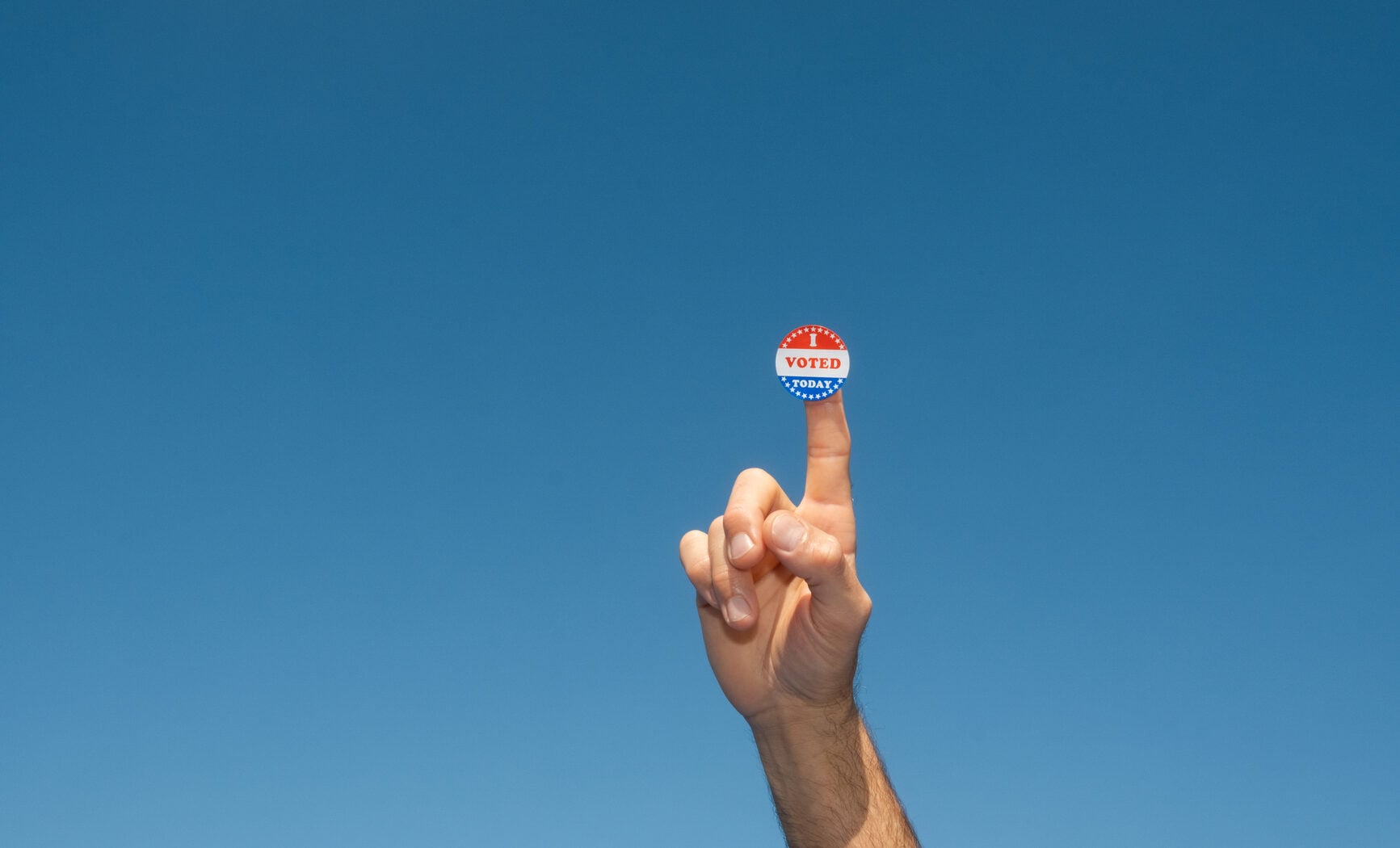
For those seeking to participate, the first step remains the fundamental act of voting. Voter turnout serves as a baseline indicator of civic health, and the accessibility of polling locations is the primary logistical focus for non-partisan groups during this period. For individuals looking for further resources or their specific polling locations, non-partisan organizations like Vote.org provide necessary infrastructure for verifying registration and identifying local voting sites.
In summary, the transition from being "chronically online" to being "civically engaged" requires a intentional recalibration of one’s energy. Whether through professional activism, local board participation, or simple acts of neighborly service, the collective impact of these individual efforts forms the bedrock of a resilient society. The current political environment, while challenging, provides a unique opportunity for citizens to redefine their relationship with their community and the broader democratic framework.