Senator Susan Collins Biddeford Office Vandalized For Second Time In A Month Amid Escalating Tensions In High-Stakes Maine Senate Race

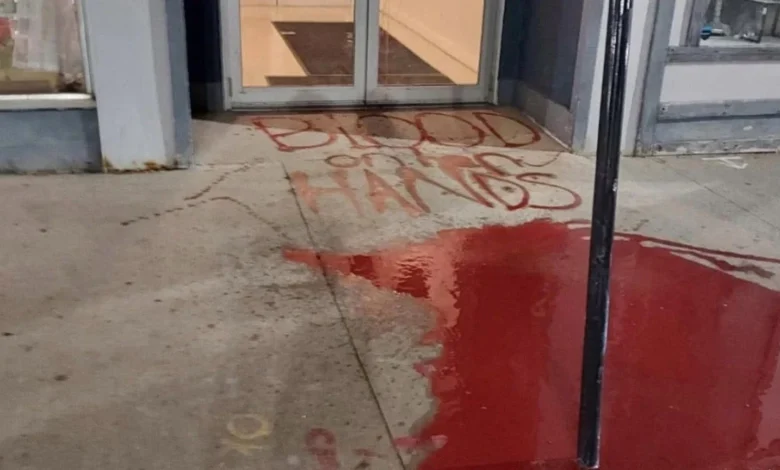
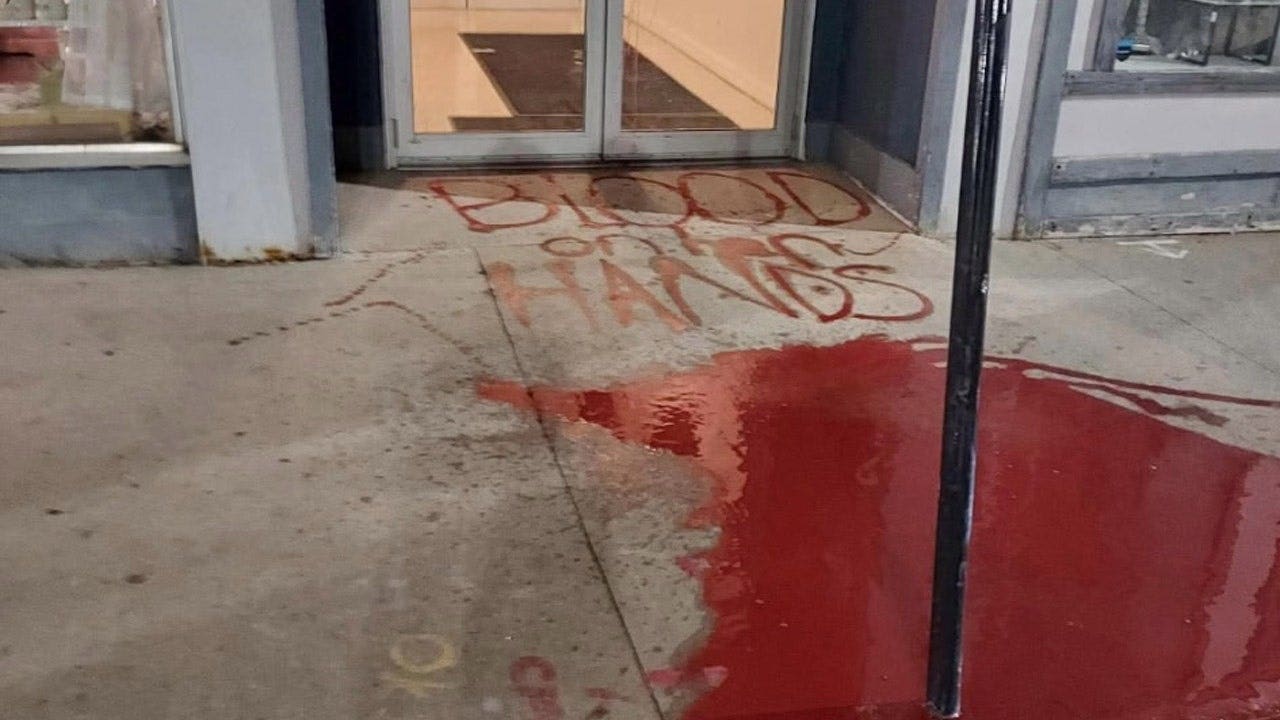
The Biddeford, Maine, congressional office of Senator Susan Collins was targeted by vandals on Monday night, marking the second time in a span of four weeks that the property has been defaced. According to communications from the Republican lawmaker’s office, perpetrators poured a bucket of red paint directly in front of the building’s main entrance and scrawled the chilling phrase "BLOOD on her HANDS" in crimson letters across the public sidewalk.
The recurring acts of vandalism highlight a volatile political atmosphere in Maine, driven by local tensions over federal immigration enforcement and a fiercely contested U.S. Senate election. Law enforcement agencies, including the Biddeford Police Department, have launched active investigations into the incidents, though no arrests have been publicly announced as of Tuesday.
A Pattern of Intimidation and Escalating Vandalism
Monday night’s incident is the latest in a troubling escalation of hostility directed at Senator Collins’ Biddeford constituent services location. Katie Brown, Collins’ chief of staff, condemned the actions in a statement emphasizing that staff members refuse to be cowed by political harassment.
"This is another incident in a series and the second attempt at our Biddeford office to intimidate the Senator and her staff," Brown said. "These tactics are disturbing, but not effective. Our staff is undeterred and on the job."
The property was previously targeted in September, when vandals spray-painted a vulgar, highly derogatory political slur—referencing her perceived political alignments—in bright red paint directly onto the office’s front door. That episode drew immediate bipartisan condemnation and focused regional attention on the safety of elected officials and their staff members who interact daily with the public.
The Catalyst: Local Flashpoints and the ICE Shooting
The recent hostility toward the Biddeford office is heavily intertwined with broader local anger stemming from a controversial federal law enforcement operation earlier this year. The Collins office is situated in close geographic proximity to the site of an Immigration and Customs Enforcement (ICE) officer-involved shooting that occurred in July.
During that operation, a federal law enforcement officer shot and killed 26-year-old Johan Sebastián Guerrero, a Colombian national. The tragedy ignited widespread community grief, outrage, and protests throughout the region.
In the immediate aftermath of the shooting, a wave of demonstrators marched to Senator Collins’ Biddeford office, physically barging through the front doors and chanting "vote her out." The intersection of immigration policy, federal accountability, and local representation has since transformed the office into a focal point for intense public demonstration and frustration.
Chronology of Events
To understand the trajectory of unrest surrounding the Biddeford office, a clear timeline of key developments outlines the escalation:

- July: A tragic ICE officer-involved shooting occurs near downtown Biddeford, resulting in the death of 26-year-old Johan Sebastián Guerrero.
- Late July: Protesters breach the front door of Senator Collins’ Biddeford office, staging a sit-in and chanting political slogans demanding her removal.
- September: Vandals target the exterior of the office once again, spray-painting a vulgar political epithet in red across the front entrance.
- September (Late): Democratic challenger Troy Jackson issues a formal public statement condemning the vandalism and asserting that congressional staff must be allowed to perform their public duties safely.
- October/November (Monday Night): The office is vandalized for the second time within a month, with red paint dumped at the entrance and the sidewalk defaced with the phrase "BLOOD on her HANDS."
- Present: Biddeford police continue their active investigation into the property damage while federal and local security assessments are reviewed.
Political Implications and the High-Stakes Maine Senate Race
The vandalism unfolds against the backdrop of one of the most closely watched and expensive Senate races in the country. Senator Collins, a long-serving moderate Republican, is fighting to retain her seat against a formidable challenge from former Democratic state Senator Troy Jackson.
Public opinion polling indicates a neck-and-neck race, characterized by aggressive campaigning, substantial outside spending from political action committees, and fierce debates over party loyalty, economic policy, and national issues. The race has frequently drawn national attention as both parties recognize that Maine’s seat could play a pivotal role in the broader balance of power in the U.S. Senate.
The injection of volatile local tragedies, such as the ICE shooting, into the electoral discourse has heightened personal attacks between the campaigns. Observers note that the charged rhetoric has occasionally spilled over from debate stages and campaign advertisements into real-world civil disobedience and, in these recent instances, criminal mischief.
Official Responses and Calls for Civility
In the wake of September’s vandalism, Troy Jackson broke his silence to unequivocally condemn the destruction of public property and personal attacks against his senatorial opponent.
"Senator Collins and her staff should be able to do their jobs without anyone defacing their office, and I condemn whoever did this," Jackson stated.

Despite the sharp policy disagreements between Collins and her progressive and Democratic critics, political leaders across the state have frequently reiterated that peaceful democratic participation must remain the standard. The destruction of property and intimidation tactics aimed at constituent service offices—which exist to assist everyday citizens with federal agencies, veterans’ benefits, and Social Security issues—have been widely denounced as counterproductive to civic discourse.
Broader Implications for Congressional Security
The repeated targeting of the Biddeford office mirrors a nationwide trend of rising security concerns for members of Congress. Over the past several years, federal law enforcement agencies have reported an uptick in threats, harassment, and property damage directed at lawmakers from both sides of the political aisle.
The United States Capitol Police and local municipal departments have increasingly had to advise lawmakers on enhancing physical security measures at state and district offices, balancing the traditional accessibility of public representatives with the modern necessity of staff protection.
As local authorities in Biddeford sift through physical evidence, review nearby surveillance footage, and interview witnesses, the staff at Senator Collins’ office maintains that constituent services will continue uninterrupted. However, the recurring incidents serve as a stark reminder of the deep political fractures and emotional friction currently defining modern American politics at the community level.