In the typical human brain, billions of neurons fire in rhythmic, highly coordinated patterns, maintaining the steady flow of electrochemical data required to regulate physical movement, cognitive processing, and emotional equilibrium. However, in the brain of an individual with epilepsy, this stable neural weather can change without warning. Healthy neurological function can be abruptly interrupted by a localized electrical storm, causing neurons to fire with overwhelming intensity. This sudden hyperactivity manifests physically as erratic muscle contractions, sensory disruptions, and involuntary seizures. Throughout human history, these sudden medical episodes have been met with a mixture of fear, misunderstanding, and profound bewilderment. Ancient societies struggled to comprehend the underlying neurology of epilepsy, frequently attributing the condition to divine intervention, moral transgression, or supernatural possession.
Among these historical interpretations, the approach taken by the ancient Romans stands out for its extreme nature. Rather than looking toward herbal remedies or physical therapy, Roman medical practitioners frequently turned to the arena, prescribing the warm blood of a dying gladiator as a definitive cure for epilepsy. This unusual treatment reflects a fascinating intersection of primitive neuroscience, medical superstition, and the cultural reverence surrounding elite Roman athletes.
The Chronology of a Gruesome Remedy: From Greece to Rome
While ancient Rome is most famously associated with the practice of consuming human blood to treat neurological disorders, the concept did not originate in the Italian peninsula. Historical and archaeological evidence suggests that various forms of blood therapy were utilized in ancient Egypt, Mesopotamia, and early Greece. However, historians Ferdinand Peter Moog and Axel Karenberg, in their seminal 2003 research article published in the Journal of the History of Neurosciences, noted that Roman physicians were the first to specifically target the blood of elite warriors as a therapeutic substance.
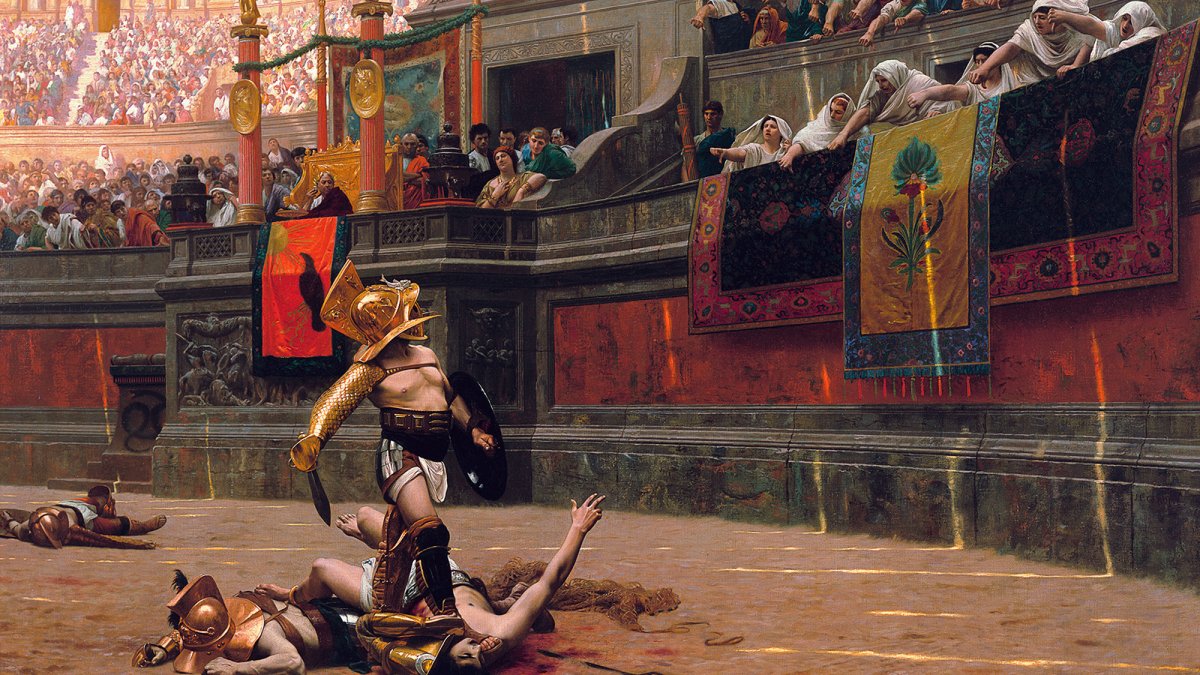
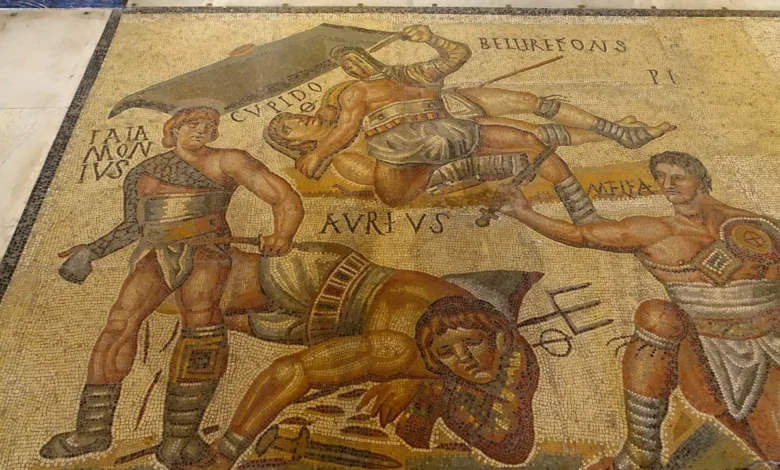
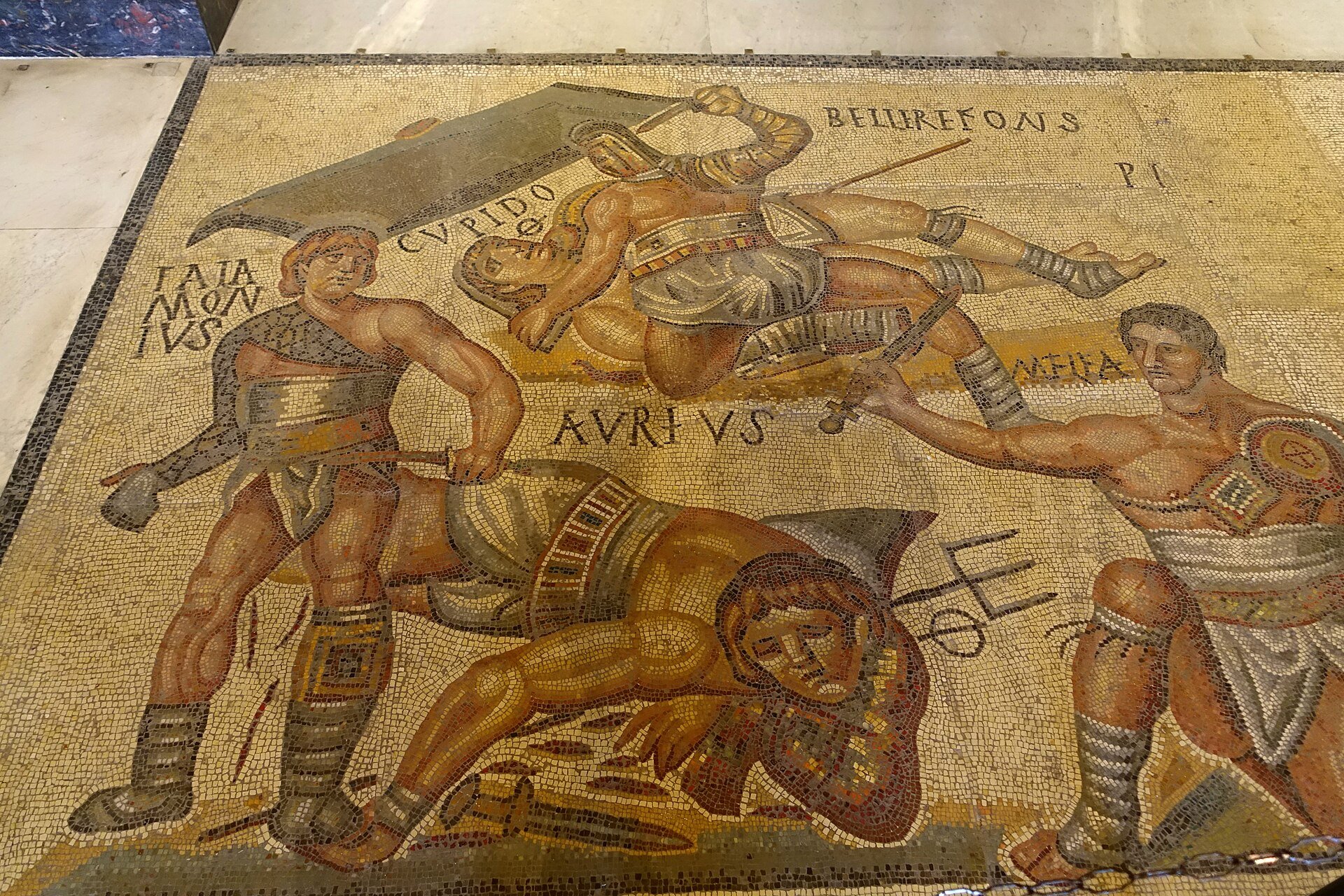
The prescription of gladiator blood entered the formal medical literature around 40 C.E. with its inclusion in the Book on Medicine. Over the subsequent five centuries, Roman and Byzantine medical practitioners continually refined and experimented with the administration of the cure. Treatment protocols varied widely depending on the physician and the severity of the patient’s condition. Standard recommendations ranged from consuming three spoonfuls of fresh blood daily for a duration of 30 days to having a patient drink directly from a fresh wound immediately following a gladiator’s defeat in the amphitheater.
As medical techniques evolved into the sixth century, practitioners sought alternative methods for preserving and administering the remedy. One documented method involved soaking a textile rag in a swordsman’s blood, burning the fabric to ash, and mixing the resulting residue into a cup of fine wine. Physicians claimed that administering this mixture in a series of seven doses would permanently rid the patient of epileptic symptoms, boasting of excellent clinical outcomes.
Magical Thinking and the Illusion of Therapeutic Efficacy
The remarkable longevity of this practice raises critical questions about why a treatment involving the consumption of human blood maintained its credibility for hundreds of years. According to Dr. Ferdinand Peter Moog, senior lecturer at the Institute for the History of Medicine and Medical Ethics at the University of Cologne, the persistence of this remedy highlights a deep reliance on magical thinking within ancient medical frameworks.
Magic operates outside the bounds of empirical logic, relying instead on symbolic resonance and psychological expectation. In ancient Roman society, gladiators occupied a unique and liminal social status. Although they were often enslaved, prisoners of war, or condemned criminals, elite gladiators were also revered as symbols of ultimate physical endurance, courage, and virility. In the early periods of the Roman Republic, gladiatorial combat held distinct religious significance; fallen fighters were viewed as spiritual offerings to the subterranean deities or as escorts for the recently deceased into the afterlife. Even as these religious connotations faded during the imperial era, the dramatic circumstances surrounding a gladiator’s death imbued their bodily fluids with perceived metaphysical potency.
Furthermore, Moog and Karenberg emphasize the role of what they term "the illusion of therapeutic effectiveness." Certain pediatric forms of epilepsy feature frequent, severe seizures during early childhood that spontaneously cease as the patient reaches puberty. If a child suffering from this specific neurological profile consumed gladiator blood while their condition was naturally nearing its developmental conclusion, observers would attribute the sudden cessation of symptoms directly to the intervention. To families and physicians lacking modern diagnostic tools, the coincidence appeared to be undeniable proof of a miraculous cure.
The Transition to Decapitation and the Blood of "Noble" Criminals
By the end of the fourth century C.E., shifting cultural values and the rise of Christianity led to the official outlawing of gladiatorial combat within the Roman Empire. Deprived of their traditional source of therapeutic material, medical practitioners were forced to adapt their pharmacopeia. They quickly identified a functionally equivalent substitute: the blood of individuals executed via decapitation.
The shift from the amphitheater to the execution block was seamless. Moog notes that the blood of executed criminals—particularly those viewed as noble or defiant in the face of death—served as an acceptable replacement for gladiator blood. This transition suggests that the healing power attributed to the blood was not necessarily tied to the athletic prowess of the gladiator, but rather to the violent, public nature of their death by a sharp blade.
Practical considerations also governed this evolution. Alternative methods of capital punishment, such as hanging or strangulation, required the physician or executioner to inflict secondary wounds on a corpse to harvest blood. In many cultural and legal traditions, desecrating a dead body was strictly forbidden or socially taboo. Decapitation, by contrast, provided a rapid, abundant, and socially sanctioned supply of fresh blood.

This revised iteration of the ancient remedy proved exceptionally durable. The practice of consuming blood harvested from executions persisted through the Middle Ages and the early modern period, remaining a recognized, albeit controversial, folk remedy for epilepsy until the advent of modern pharmacology in the 20th century.
Broader Implications and Historical Context
The history of gladiator blood as a neurological treatment illustrates the profound evolution of human medicine. Modern neurology understands epilepsy as a complex disorder rooted in genetic, structural, and metabolic abnormalities within the central nervous system, treated today through precise pharmaceutical interventions, neurostimulation devices, and specialized surgical procedures.
Conversely, ancient medicine operated within a paradigm where biological fluids were viewed as vehicles for vital life force and spiritual essence. The willingness of patients to ingest human blood underscores the desperation driven by chronic neurological disorders in eras lacking effective therapeutic options. Ultimately, the centuries-long reliance on gladiator and execution blood stands as a testament to the lengths to which humanity has gone in its enduring quest to understand, control, and conquer the unpredictable storms of the human brain.