Horror Titans James Wan and Jason Blum Unveil Blumhouse Atomic as the Unified Umbrella for Their Production Powerhouses

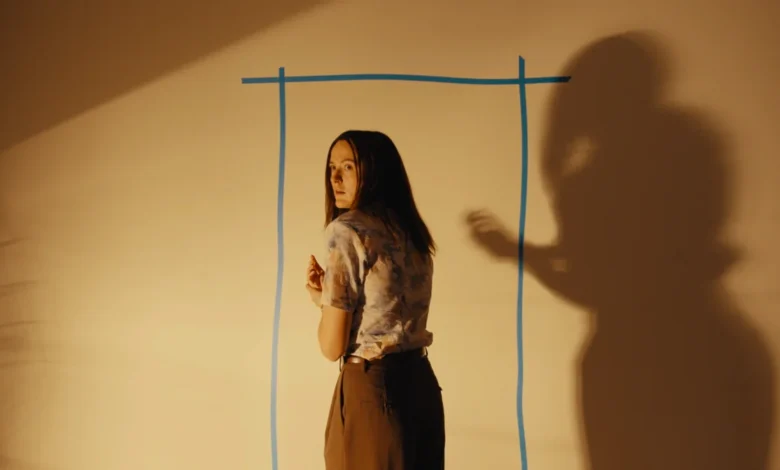
The landscape of modern horror cinema has undergone a seismic shift as industry titans James Wan and Jason Blum officially unveiled "Blumhouse Atomic," a new umbrella corporate entity designed to house their combined production empires. This strategic consolidation follows the successful 2024 merger of Blumhouse and Atomic Monster, a move that effectively united two of the most prolific creative forces in the history of the genre. While the new umbrella title will serve as the overarching brand for the enterprise, both Blumhouse and Atomic Monster will continue to function as distinct, autonomous production labels, maintaining their individual creative pipelines and branding identities.
A Merger of Market Dominance
The union of these two entities represents a significant consolidation of intellectual property and talent. When the merger was first finalized in 2024, it brought together two companies that had already reshaped the financial model of Hollywood horror. By prioritizing low-budget, high-concept storytelling, both Blum and Wan had successfully mitigated the risks typically associated with studio filmmaking.
Financial records indicate that the combined output of these banners has surpassed $2.5 billion in global box office revenue, a staggering figure when measured against their collective production budgets, which remain under $330 million. This high-margin performance has established a "studio-lite" model that industry analysts often cite as the gold standard for independent efficiency. The year 2026 proved to be a watershed moment for the combined venture; the company generated $1.3 billion in box office receipts alone, largely driven by the breakout successes of Curry Barker’s "Obsession" and Kane Parsons’ "Backrooms," projects that signaled a shift toward digital-native filmmakers entering the mainstream cinematic space.
Chronology of the Partnership
The trajectory of this collaboration can be traced back to the mutual respect forged through years of shared genre dominance. James Wan, whose directorial and producer credits include the foundational pillars of modern horror—"The Conjuring," "Insidious," and the "Saw" franchise—has consistently demonstrated an ability to launch multi-film cinematic universes. Jason Blum, through the relentless output of Blumhouse, revolutionized the industry with titles like "Paranormal Activity," "Get Out," and the revitalized "Halloween" trilogy.
The merger process began in earnest in early 2024, driven by a shared vision to expand beyond traditional feature-film production. The formalization of the Blumhouse Atomic umbrella in 2027 represents the culmination of a three-year integration period. This timeline saw the companies align their development departments, streamline their distribution strategies, and harmonize their relationships with various streamers and major studios, such as Universal Pictures, with whom they hold a long-standing "first-look" deal.
Official Statements and Strategic Vision
In a joint press conference regarding the launch, Jason Blum emphasized that the creation of the Blumhouse Atomic brand was a "natural evolution" rather than a radical departure. "When we merged our companies, we believed the whole would be greater than the sum of its parts, and that is exactly what has happened," Blum stated. He highlighted the strategic repatriation of key intellectual properties, specifically noting the "Saw" franchise. "Bringing ‘Saw’ back to James, with a new chapter on the way, is a perfect example of what we can do together. We have the output of a studio with the creative freedom and financial discipline of an independent company, and more opportunities than ever to take these stories beyond the theater and into television, games, and live experiences."
James Wan, for his part, focused on the human element of the production house, specifically the incubator-like environment they are building for emerging talent. "The future of horror comes from new voices, and Blumhouse Atomic gives us more ways to find them and support them for the long haul," Wan noted. He drew parallels between his own career beginnings and the current roster of talent under their guidance. "I got my start with a small film and people willing to take a chance on it, so creating those opportunities for others is personal to me. Working with filmmakers like Kane Parsons, Curry Barker, Josh Giuliano, and Dylan Clark is a big part of that. We want to give them the freedom to make something distinctive and build relationships that last beyond one film."
The 2027 Slate: A Diversified Portfolio
The strength of the Blumhouse Atomic brand will be put to the test throughout the 2027 calendar year, which features an aggressive release schedule designed to capitalize on existing fan bases while exploring new creative territories. The upcoming slate includes:
- River: A psychological thriller focused on environmental dread.
- The Revenge of La Llorona: Expanding the cultural folklore-based horror subgenre.
- The Exorcist: Martyrs: A continuation of the storied franchise.
- Anything But Ghosts: A supernatural exploration.
- Paranormal Activity: A revitalized entry in the seminal found-footage franchise.
- Molepeople: A creature-feature project.
- Blair Witch: A high-profile reboot of the found-footage pioneer.
- Sleepover: A suspense-driven teen horror.
- Seasons: A seasonal anthology project.
This list reflects a deliberate mix of legacy intellectual property and original, high-concept storytelling, a strategy intended to ensure year-round box office stability.
Broader Industry Implications
The formation of Blumhouse Atomic has significant implications for the wider entertainment industry. Firstly, it signals a trend toward "Super-Indie" production houses that possess the scale of major studios but maintain the agility of smaller firms. By centralizing operations, the duo can exert greater control over marketing, global distribution, and ancillary revenue streams, such as theme park attractions and interactive media.
Secondly, the emphasis on "long-haul" filmmaker development suggests a shift in how horror franchises are managed. Rather than cycling through directors for each sequel, the Blumhouse Atomic model appears to favor cultivating a stable of "in-house" auteurs who feel a sense of ownership over the properties they manage. This approach is intended to preserve the creative integrity of the films while ensuring the commercial longevity of the franchises.
Furthermore, the integration of gaming and live experiences—hinted at by Blum—suggests that Blumhouse Atomic intends to compete with the likes of Disney or Warner Bros. in terms of "experience economy." By leveraging their deep library of horror iconography, they are positioned to dominate not just the box office, but the pop-culture landscape, potentially expanding into immersive horror experiences that mirror the success of seasonal events like Halloween Horror Nights.
Analysis of Financial Discipline
The success of the merger hinges on the continued adherence to the "Blumhouse model" of financial discipline. In an era where major studio tentpoles often require budgets in excess of $200 million, the ability of Blumhouse Atomic to produce high-performing films on shoestring budgets remains a distinct competitive advantage. By keeping production costs low, the company significantly reduces its "break-even" threshold, allowing it to take more risks on unproven, experimental, or niche horror concepts that a traditional studio might deem too speculative.
As the industry faces challenges regarding streaming saturation and shifting audience habits, the ability of Blumhouse Atomic to deliver consistent, "eventized" horror cinema in theaters provides a vital lifeline to cinema chains. The sheer volume of their 2027 slate, combined with the proven track record of their founders, suggests that this new umbrella entity will not only remain the dominant force in horror but could potentially serve as a template for other independent producers looking to scale their operations in an increasingly consolidated market.
Ultimately, the launch of Blumhouse Atomic is more than a branding exercise; it is a declaration of intent to control the entire lifecycle of horror content. By aligning the creative pedigree of James Wan with the logistical and financial acumen of Jason Blum, the industry is witnessing the creation of a specialized powerhouse capable of dominating the genre for the next decade. Whether they can maintain this velocity while continuing to discover the next generation of horror icons remains to be seen, but the initial foundation suggests a robust, well-funded, and strategically sound path forward.